Overview of 5-FU Eye Drops
5-FU eye drops, also known as fluorouracil eye drops, are a medication used to treat a variety of eye conditions. They belong to a class of drugs known as antimetabolites, which work by interfering with the growth and spread of abnormal cells.
These eye drops are typically prescribed by ophthalmologists to treat ocular surface squamous neoplasia (OSSN), a condition characterized by the growth of abnormal cells on the surface of the eye. They can also be used to treat other types of ocular surface tumors and certain cases of corneal lymphoma.
The main active ingredient in 5-FU eye drops is fluorouracil, a chemotherapy agent that has been adapted for use in ophthalmology. It is administered topically, directly onto the affected area of the eye. The drops are typically used multiple times a day for a period of several weeks or months, depending on the specific condition being treated and the response to treatment.
5-FU eye drops are generally well-tolerated, with minimal side effects. However, as with any medication, there are some precautions and potential risks associated with their use. It is important to follow the instructions provided by the prescribing physician and to report any unusual symptoms or side effects.
How 5-FU Eye Drops Work
5-FU eye drops, also known as 5-fluorouracil eye drops, are a medication that works by inhibiting the growth of abnormal cells in the eye. The active ingredient, 5-fluorouracil, is an antimetabolite drug that interferes with the synthesis of DNA and RNA in abnormal cells.
When applied topically to the eye, 5-FU eye drops penetrate the layers of the eye and enter the cells. Once inside the cells, 5-fluorouracil is converted into an active form that disrupts the synthesis of DNA and RNA, preventing the abnormal cells from dividing and growing.
Mechanism of Action
5-FU eye drops work by inhibiting the enzyme thymidylate synthase, which is responsible for the production of thymidine, a component of DNA. By blocking this enzyme, 5-fluorouracil reduces the availability of thymidine, leading to DNA synthesis inhibition in the abnormal cells.
Additionally, 5-FU eye drops also interfere with RNA synthesis by inhibiting the enzyme RNA polymerase. This further disrupts the growth and function of abnormal cells in the eye.
Targeted Cells and Conditions
5-FU eye drops are primarily used to treat conditions affecting the surface of the eye, such as ocular surface squamous neoplasia (OSSN). OSSN is a type of eye cancer that affects the conjunctiva, which is the clear tissue covering the white part of the eye and the inner surface of the eyelids. It is characterized by the presence of abnormal cells on the surface of the eye.
The targeted cells for 5-FU eye drops are the abnormal cells found in OSSN. By inhibiting their growth and division, 5-FU eye drops can help reduce the size of tumors and prevent their spread to other parts of the eye.
Limitations and Effectiveness
While 5-FU eye drops have shown promising results in the treatment of OSSN, they may not be effective for all cases. The effectiveness of 5-FU eye drops can vary depending on factors such as the size and location of the tumor, as well as the individual’s response to the medication.
It is important to note that 5-FU eye drops are typically used as an adjuvant therapy, meaning they are used in combination with other treatments such as surgery or cryotherapy. This multimodal approach helps to improve the overall effectiveness of the treatment and reduce the risk of recurrence.
“5-FU eye drops work by inhibiting the enzyme thymidylate synthase, which is responsible for the production of thymidine, a component of DNA.”
Overall, 5-FU eye drops play a crucial role in the management of OSSN and have shown promising results in reducing tumor size and preventing tumor recurrence. They offer a targeted and effective treatment option for patients with this condition.
Uses of 5-FU eye drops
5-FU eye drops, also known as fluorouracil eye drops, are primarily used in the treatment of various ocular surface diseases and conditions. These eye drops contain the active ingredient fluorouracil, which is a chemotherapy agent that inhibits the growth of abnormal cells and tissues. Here are some of the main uses of 5-FU eye drops:
- Treatment of ocular surface squamous neoplasia (OSSN): 5-FU eye drops have been found to be effective in the treatment of OSSN, which is a rare but potentially malignant condition that affects the conjunctiva and cornea. These eye drops help to slow down the growth of cancerous cells and can be used either before or after surgical removal of the affected tissue.
- Treatment of pterygium: 5-FU eye drops can also be used in the treatment of pterygium, which is a non-cancerous growth of the conjunctiva that can cause visual disturbances and discomfort. These eye drops help to prevent the growth and recurrence of pterygium after surgical removal.
- Treatment of corneal dysplasia: Corneal dysplasia is a condition characterized by the growth of abnormal cells on the cornea. 5-FU eye drops can be used to inhibit the growth of these cells and promote healthy corneal tissue regeneration.
- Treatment of corneal scar tissue: 5-FU eye drops may also be used to help reduce the formation of scar tissue on the cornea, which can occur as a result of trauma or previous surgeries. These eye drops can help to break down the scar tissue and promote healing.
- Adjunctive therapy: In some cases, 5-FU eye drops may be used as an adjunctive therapy in combination with other medications or surgical procedures to enhance the effectiveness of treatment for ocular surface diseases and conditions.
It is important to note that the use of 5-FU eye drops should be under the supervision and guidance of an ophthalmologist or healthcare professional. They will determine the appropriate dosage and duration of treatment based on the specific condition being treated and the individual patient’s needs.

Bimat eye drops are used to treat hypotrichosis, short, weak eyelashes. Bimat increases the length, thickness and enhances the color of eyelashes. These substances are also used to lower intraocular pressure in patients with a diagnosis of glaucoma. By reducing the pressure, the risk of blindness is significantly decreased.
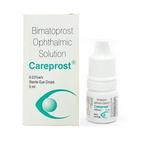
These drops gained immense popularity, demonstrating an incredibly fast and always noticeable result since its application. This innovative means will allow you to give your eyelashes an ideal look, strength and health, in whatever serious condition they are before the moment of its application. It is safe and effective providing amazing results.
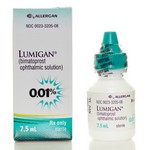
This means is prescribed to reduce eye pressure. Its active ingredient is synthetic prostaglandin bimatoprost – an unsaturated fatty acid, similar in its properties to hormones. Getting into the eye, drops help maintain the balance of the flow and outflow of eye fluid. It is a violation of this balance that leads to an increase in pressure, due to which the blood supply to the eye is impaired and the load on the optic nerve increases.

Bimatoprost reduces IOP in humans by increasing the outflow of aqueous humor through the trabecular meshwork and uveoscleral outflow. IOP reduction begins about 4 hours after the first use. The maximum effect is achieved after about 8–12 hours. The effect lasts for at least 24 hours.
Side effects and precautions of using 5-FU eye drops
While 5-FU eye drops are generally considered safe and effective, there are certain side effects and precautions that should be kept in mind when using this medication. It is important to follow the instructions provided by your healthcare professional and to discuss any concerns or questions you may have.
Side Effects
Some common side effects that may occur with the use of 5-FU eye drops include:
- Eye irritation
- Burning or stinging sensation in the eye
- Redness or swelling of the eye
- Tearing or watery eyes
- Blurred vision
If these side effects persist or worsen, it is important to seek medical attention. Additionally, rare but serious side effects may occur, such as severe eye pain, changes in vision, or signs of an allergic reaction (e.g., rash, itching, swelling).
Precautions
Prior to using 5-FU eye drops, it is important to inform your healthcare professional if you have any of the following conditions:
- Allergies or sensitivities to any medications or substances
- Eye infections or other eye conditions
- Use of other eye medications or treatments
- Pregnancy or breastfeeding
It is also crucial to avoid touching the eye dropper tip to any surface, including the eye, as this may contaminate the solution. Contact lenses should be removed before using the eye drops and can be reinserted after 15 minutes.
Interactions
There are no known drug interactions associated with 5-FU eye drops. However, it is important to inform your healthcare professional about any other medications or treatments you are currently using to ensure they do not interfere with the effectiveness of 5-FU eye drops.
As with any medication, it is important to weigh the potential benefits against the potential risks before using 5-FU eye drops. Your healthcare professional will be able to provide specific guidance based on your individual circumstances and medical history.
Comparison with other eye drops on the market
When it comes to eye drops, there are several options available on the market. It is important to compare different products to determine which one is best suited for your specific needs. In this section, we will compare 5-FU eye drops with other popular eye drops to help you make an informed decision.
1. 5-FU eye drops vs. Olopatadine eye drops
Both 5-FU eye drops and Olopatadine eye drops are commonly used for the treatment of eye conditions. However, they have different uses and mechanisms of action.
Uses: 5-FU eye drops are primarily used to treat certain ocular surface disorders, such as pterygium and conjunctival or corneal epithelial dysplasia. Olopatadine eye drops, on the other hand, are indicated for the relief of ocular itching associated with allergic conjunctivitis.
Mechanism of action: 5-FU eye drops work by inhibiting the growth of abnormal cells on the eye’s surface, while Olopatadine eye drops exert their effect by blocking the release of histamine, which is responsible for allergic reactions.
Overall, 5-FU eye drops and Olopatadine eye drops have different uses and modes of action. It is important to consult with your healthcare professional to determine which eye drop is most appropriate for your specific condition.
2. 5-FU eye drops vs. Artificial tears
Artificial tears are a popular option for people experiencing dryness and irritation in their eyes. Here is a comparison between 5-FU eye drops and artificial tears:
Uses: 5-FU eye drops are primarily used for the treatment of certain ocular surface disorders, as mentioned earlier. Artificial tears, on the other hand, are mainly used to relieve dryness and lubricate the eyes.
Mechanism of action: 5-FU eye drops inhibit the growth of abnormal cells on the eye’s surface, while artificial tears provide temporary relief by moisturizing and lubricating the eyes.
While both 5-FU eye drops and artificial tears serve different purposes, it is important to note that they can complement each other in certain cases. For example, a person with an ocular surface disorder may benefit from using 5-FU eye drops as prescribed by their healthcare professional, and also use artificial tears to alleviate dryness and provide additional lubrication.
It is crucial to consult with a healthcare professional to determine the most appropriate eye drop for your specific needs.
3. 5-FU eye drops vs. Antibiotic eye drops
Antibiotic eye drops are commonly prescribed for the treatment of bacterial eye infections. Here is a comparison between 5-FU eye drops and antibiotic eye drops:
Uses: 5-FU eye drops are primarily used for the treatment of ocular surface disorders, as mentioned earlier. Antibiotic eye drops, on the other hand, are used to treat bacterial eye infections.
Mechanism of action: 5-FU eye drops inhibit the growth of abnormal cells on the eye’s surface, while antibiotic eye drops work by killing or inhibiting the growth of bacteria.
While both types of eye drops have different uses and modes of action, they can be used together under the guidance of a healthcare professional in certain cases. For instance, a person with an ocular surface disorder and a bacterial eye infection may require both 5-FU eye drops and antibiotic eye drops as part of their treatment plan.
It is important to note that only a healthcare professional can determine the most appropriate eye drop for a particular condition.
In conclusion, when comparing different eye drops on the market, it is important to consider factors such as their specific uses, mechanisms of action, and consult with a healthcare professional to determine the most suitable option for your needs.
Where to buy 5-FU eye drops and olopatadine eye drops price
When it comes to purchasing 5-FU eye drops, it is important to check with your ophthalmologist or healthcare provider. They will be able to provide you with a prescription and guide you on where to buy the medication. 5-FU eye drops are usually not available over the counter and will require a prescription due to their potency and potential side effects.
Additionally, the price of 5-FU eye drops may vary depending on the country, region, and pharmacy. It is always recommended to compare prices at different pharmacies to find the most affordable option. Some online pharmacies may also offer the medication, but it is essential to exercise caution and ensure that the pharmacy is reputable and licensed.
As for olopatadine eye drops, they are more widely available and can often be purchased over the counter at local pharmacies or online. The price of olopatadine eye drops is generally lower than that of 5-FU eye drops, making them a more accessible option for individuals experiencing mild to moderate eye allergies.
When purchasing any medication, it is crucial to be cautious of counterfeit products. Always buy from reputable sources and ensure that the packaging and labeling of the medication are authentic. Counterfeit eye drops can potentially cause harm or be ineffective.
Furthermore, it is essential to follow the instructions provided by your healthcare provider and the medication’s package insert when using both 5-FU and olopatadine eye drops. If you experience any adverse side effects or have concerns about the medication, consult with your healthcare provider or pharmacist for further guidance.
Conclusion and recommendation for the best eye drops for specific needs
After examining the various aspects of 5-FU eye drops and comparing them to other eye drops on the market, it is important to consider individual needs and preferences when determining the best option. Some key factors to consider are the specific eye condition being treated, the severity of the condition, and any existing allergies or sensitivities.
For individuals dealing with conditions such as ocular surface inflammation and postoperative inflammation, 5-FU eye drops may be a suitable option. The active ingredient, 5-fluorouracil, works to reduce inflammation and promote healing.
However, it is important to note that 5-FU eye drops may not be suitable for everyone. Individuals with a known hypersensitivity to 5-fluorouracil or other ingredients in the eye drops should avoid using them. Additionally, pregnant or breastfeeding women should consult with their healthcare provider before using 5-FU eye drops.
When comparing 5-FU eye drops to other options on the market, one notable alternative is olopatadine eye drops. Olopatadine is an antihistamine that works to relieve itching and redness associated with allergic conjunctivitis. It is available in both prescription and over-the-counter strengths.
To find the best eye drops for specific needs, consulting with a healthcare provider is recommended. They can assess the individual’s condition and make personalized recommendations based on symptoms, severity, and overall health. It is also beneficial to read customer reviews and listen to personal experiences to get a better understanding of how different eye drops have worked for others.
In conclusion, when it comes to finding the best eye drops, there is no one-size-fits-all solution. It is important to consider individual needs and preferences, as well as consult with healthcare professionals. 5-FU eye drops may be a suitable option for certain individuals dealing with specific eye conditions, while others may find relief with alternative options like olopatadine eye drops. The key is to find the right fit to effectively address symptoms and improve overall eye health.
References:
1. American Academy of Ophthalmology. (2021). Olopatadine. Retrieved from https://www.aao.org/medications/olopatadine
2. Drugs.com. (n.d.). Fluorouracil Ophthalmic. Retrieved from https://www.drugs.com/mtm/fluorouracil-ophthalmic.html