What are Polytrim eye drops and what is their bottle size?
Polytrim eye drops are a medication specifically formulated to treat bacterial eye infections that affect the cornea and conjunctiva. These eye drops come in the form of a liquid solution that is meant to be applied directly to the eyes.
The bottle size for Polytrim eye drops typically ranges from 5 to 10 milliliters (mL). This provides an ample amount of medication for multiple uses and ensures that patients have enough supply to complete their recommended treatment course.
2. How do Polytrim eye drops work?
Polytrim eye drops contain two active ingredients, polymyxin B sulfate and trimethoprim. These ingredients work together to fight against bacterial infections in the eye.
Polymyxin B sulfate is an antibiotic that belongs to a class of medications called polymyxins. It works by disrupting the bacterial cell membrane, causing leakage and ultimately killing the bacteria. Polymyxin B sulfate is effective against a wide range of bacteria, including both Gram-positive and Gram-negative bacteria.
Trimethoprim is an antibiotic that belongs to a class of medications called dihydrofolate reductase inhibitors. It works by inhibiting the production of tetrahydrofolic acid, which is essential for bacterial growth and replication. Without tetrahydrofolic acid, the bacteria are unable to multiply and eventually die off.
When applied as eye drops, the combination of polymyxin B sulfate and trimethoprim helps to eliminate the bacteria causing the eye infection. The drops are specifically formulated to be gentle on the eyes and provide targeted treatment to the affected area.
It is important to note that Polytrim eye drops are only effective against bacterial infections and will not work against viral or fungal eye infections.
Polytrim Eye Drops: How to Use and Dosage
When it comes to treating bacterial eye infections involving the cornea and conjunctiva, Polytrim eye drops are a commonly prescribed medication. These eye drops contain a combination of two antibiotics, polymyxin B sulfate and trimethoprim, which work together to fight off the bacteria causing the infection.
If you have been prescribed Polytrim eye drops, it’s important to use them correctly to get the best results. Here is a step-by-step guide on how to use Polytrim eye drops:
Step 1: Wash your hands
Before using the eye drops, make sure to wash your hands with soap and water. This helps prevent any additional bacteria from entering your eye and worsening the infection.
Step 2: Tilt your head back
Gently tilt your head back and look up towards the ceiling. This helps create a space between your eyelid and eye, making it easier to administer the eye drops.
Step 3: Hold the bottle correctly
Hold the Polytrim eye drop bottle between your thumb and index finger. Make sure the tip of the bottle does not touch your eye or any other surface, as this can contaminate the solution.
Step 4: Pull down your lower eyelid
With your free hand, gently pull down your lower eyelid to create a small pocket. This pocket will hold the eye drops and allow them to be easily absorbed into your eye.
Step 5: Administer the eye drops
Squeeze the bottle gently to release one drop into the pocket created by your lower eyelid. Avoid blinking or squeezing your eye shut immediately after administering the eye drops as this may prevent the medication from being absorbed properly.
Step 6: Close your eye and blink
Close your eye gently and blink a few times to help spread the medication across the surface of your eye. This ensures that the eye drops cover the entire infected area.
Step 7: Repeat if necessary
If your doctor has prescribed more than one drop per dose, repeat steps 4 to 6 for each additional drop. Make sure to wait at least 5 minutes between each drop to allow proper absorption.
It’s important to follow the dosage instructions provided by your healthcare provider or as indicated on the prescription label. In general, Polytrim eye drops are typically used 3 to 4 times a day, depending on the severity of the infection.
If you accidentally miss a dose, apply the eye drops as soon as you remember. However, if it is almost time for your next scheduled dose, skip the missed dose and continue with your regular dosing schedule.
Remember, always consult with your healthcare provider before using any medication, including Polytrim eye drops. They will determine the appropriate dosage for your specific condition.

Bimat eye drops are used to treat hypotrichosis, short, weak eyelashes. Bimat increases the length, thickness and enhances the color of eyelashes. These substances are also used to lower intraocular pressure in patients with a diagnosis of glaucoma. By reducing the pressure, the risk of blindness is significantly decreased.
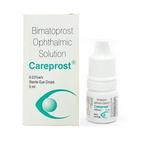
These drops gained immense popularity, demonstrating an incredibly fast and always noticeable result since its application. This innovative means will allow you to give your eyelashes an ideal look, strength and health, in whatever serious condition they are before the moment of its application. It is safe and effective providing amazing results.
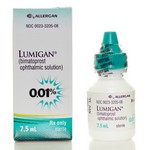
This means is prescribed to reduce eye pressure. Its active ingredient is synthetic prostaglandin bimatoprost – an unsaturated fatty acid, similar in its properties to hormones. Getting into the eye, drops help maintain the balance of the flow and outflow of eye fluid. It is a violation of this balance that leads to an increase in pressure, due to which the blood supply to the eye is impaired and the load on the optic nerve increases.

Bimatoprost reduces IOP in humans by increasing the outflow of aqueous humor through the trabecular meshwork and uveoscleral outflow. IOP reduction begins about 4 hours after the first use. The maximum effect is achieved after about 8–12 hours. The effect lasts for at least 24 hours.
4. How do Polytrim eye drops work?
Polytrim eye drops contain two active ingredients: trimethoprim and polymyxin B sulfate. Trimethoprim is an antibiotic that works by stopping the growth of bacteria, while polymyxin B sulfate is a type of antibiotic that works by killing bacteria. When these two medications are combined in Polytrim eye drops, they work together to effectively treat bacterial eye infections.
The antibiotics in Polytrim eye drops help to eliminate the bacteria that cause eye infections by interfering with their ability to multiply and survive. Trimethoprim works by inhibiting an enzyme called dihydrofolate reductase, which is necessary for bacterial DNA synthesis. By inhibiting this enzyme, trimethoprim prevents the bacteria from producing DNA and ultimately kills them.
Polymyxin B sulfate, on the other hand, works by disrupting the bacterial cell membrane. It binds to the lipopolysaccharides in the bacterial cell wall, which causes the cell membrane to become more permeable. This increased permeability leads to the leakage of essential cellular components, ultimately causing cell death.
By combining these two antibiotics in Polytrim eye drops, the medication is able to target a wide range of bacteria that can cause eye infections, including Staphylococcus aureus, Streptococcus pneumoniae, and Haemophilus influenzae.
It is important to note that Polytrim eye drops are only effective against bacterial eye infections and will not be effective against infections caused by viruses or fungi. If you have an eye infection, it is best to consult with your healthcare provider to determine the underlying cause and appropriate treatment.
5. How to use Polytrim eye drops
Using Polytrim eye drops correctly is important in order to effectively treat your bacterial eye infection. Here are the steps to properly use Polytrim eye drops:
- Wash your hands thoroughly with soap and water before handling the eye drops.
- Gently shake the bottle of Polytrim eye drops to ensure the contents are well-mixed.
- Twist off the cap of the bottle, being careful not to touch the tip of the bottle to avoid contamination.
- Tilt your head back or lie down on a bed or couch, while looking up at the ceiling.
- Gently pull down your lower eyelid to create a small pocket.
- Hold the bottle upside down above your eye, making sure the tip of the bottle does not touch your eye or any other surface.
- Squeeze the bottle gently to instill the prescribed number of drops into the pocket formed by your lower eyelid.
- Release your lower eyelid and close your eye gently. Keep your eye closed for a minute or two to allow the eye drops to spread across the surface of your eye.
- If using Polytrim eye drops in both eyes, repeat steps 5-8 for the other eye.
- Replace the cap on the bottle and tighten it securely.
- Wash your hands again to remove any residual eye drop solution.
It is important to follow your healthcare provider’s instructions regarding the dosage and frequency of using Polytrim eye drops. Do not stop using the eye drops before the prescribed duration, even if the symptoms improve, unless directed by your doctor.
If you wear contact lenses, it is recommended to remove them before instilling the eye drops and wait at least 15 minutes before reinserting them. Polytrim eye drops may contain preservatives that can be absorbed by contact lenses and cause irritation.
Consult with your healthcare provider if you have any concerns or questions about using Polytrim eye drops.
Polytrim Eye Drops: A Comprehensive Guide
Polytrim eye drops are a widely used medication for treating bacterial eye infections that affect the cornea and conjunctiva. With their liquid solution formulation and convenient bottle size, they offer effective relief for individuals dealing with these types of infections.
6. Side Effects of Polytrim Eye Drops
While Polytrim eye drops are generally well-tolerated, as with any medication, there is a possibility of experiencing side effects. It is essential to be aware of these potential side effects to ensure the safe use of Polytrim eye drops. Here are some of the common side effects:
- Eye irritation: Some individuals may experience mild eye irritation, such as burning or stinging, after using Polytrim eye drops. This is usually temporary and subsides on its own.
- Redness or itching: In some cases, users may notice redness or itching in the eyes. These symptoms are generally mild and should resolve without intervention.
- Watery eyes: Polytrim eye drops can occasionally cause increased tearing or watery eyes. This side effect is usually temporary and should not cause significant discomfort.
- Blurred vision: Rarely, individuals may experience transient blurred vision after applying Polytrim eye drops. If this occurs, it is important to avoid activities that require clear vision until the blurriness subsides.
- Sensitivity to light: Some users may notice increased sensitivity to light or glare after using Polytrim eye drops. It is advisable to protect the eyes from bright lights or sunlight until this sensitivity resolves.
- Allergic reactions: Although rare, allergic reactions to Polytrim eye drops can occur. Signs of an allergic reaction may include swelling, itching, rash, or difficulty breathing. If any of these symptoms occur, stop using the medication immediately and seek medical attention.
It is important to note that the above list is not exhaustive, and individuals may experience side effects not mentioned here. If any side effects persist or worsen, it is essential to consult a healthcare professional for further guidance.
Disclaimer: The information provided here is for educational purposes only and should not replace professional medical advice. Always consult a healthcare professional before starting any new medication or treatment.
7. Possible side effects and precautions of Polytrim eye drops
Side effects
While Polytrim eye drops are generally considered safe and effective for treating bacterial eye infections, they may cause some side effects. Common side effects of Polytrim eye drops include:
- Eye irritation: Some individuals may experience temporary stinging, burning, or discomfort in the eyes after using Polytrim eye drops. This typically subsides quickly.
- Blurred vision: Polytrim eye drops may temporarily cause blurred vision immediately after use. It is advisable to avoid activities that require clear vision, such as driving, until vision returns to normal.
- Allergic reactions: Although rare, some individuals may develop an allergic reaction to the active ingredients in Polytrim eye drops. Signs of an allergic reaction may include itching, redness, swelling, or rash. If any of these symptoms occur, it is important to discontinue use and seek medical attention.
It is important to note that these are not all the possible side effects of Polytrim eye drops. If you experience any other unusual or severe side effects while using this medication, it is recommended to consult a healthcare professional.
Precautions
Before using Polytrim eye drops, it is important to inform your healthcare provider about any existing medical conditions or allergies. Additionally, consider the following precautions:
- Pregnancy and breastfeeding: The safety of Polytrim eye drops during pregnancy and breastfeeding has not been well studied. It is recommended to consult a healthcare professional before using this medication if you are pregnant or breastfeeding.
- Contact lenses: If you wear contact lenses, it is advisable to remove them before using Polytrim eye drops. Contact lenses can absorb the medication, reducing its effectiveness. You can reinsert your contact lenses 15 minutes after using the eye drops.
- Avoid touching the dropper: To prevent contamination, do not touch the dropper tip or allow it to come into contact with any surface. This can introduce bacteria or other contaminants into the eye drops, potentially leading to further eye infections.
It is important to follow the instructions provided by your healthcare provider or the product packaging when using Polytrim eye drops. If you have any concerns or questions about using this medication, consult a healthcare professional for guidance.