Overview of Vigamox Eye Drops
Vigamox eye drops are a prescription medication used to treat bacterial conjunctivitis, commonly known as pink eye. This condition is caused by a bacterial infection in the eye and is characterized by redness, swelling, and discharge.
When you have bacterial conjunctivitis, your doctor may prescribe Vigamox eye drops to help clear up the infection and reduce the symptoms. Vigamox contains moxifloxacin, which is an antibiotic that works by killing the bacteria causing the infection.
Purpose and Use
The main purpose of Vigamox eye drops is to treat bacterial conjunctivitis. Bacterial conjunctivitis is a common eye infection that can be highly contagious and is typically spread through contact with contaminated surfaces or infected individuals. It can affect people of all ages and can cause discomfort and vision issues if left untreated.
When using Vigamox eye drops, it is important to follow your doctor’s instructions carefully. Typically, the recommended dosage is one drop in the affected eye three times a day for up to seven days. It is crucial to complete the full course of treatment to ensure that the infection is properly eradicated and does not return.
Side Effects and Precautions
Like any medication, Vigamox eye drops can have side effects. Common side effects may include eye irritation, eye pain, blurred vision, and itching. If you experience severe or persistent side effects, it is essential to contact your doctor.
Before using Vigamox eye drops, be sure to inform your doctor about any allergies, existing eye conditions, or other medications you are taking. This information can help your doctor determine if Vigamox is the right treatment for you and if any precautions need to be taken.
To reduce the risk of contamination, do not touch the tip of the dropper to any surface or your eye. Store Vigamox eye drops at room temperature and keep the bottle tightly closed when not in use.
Conclusion
Vigamox eye drops are a reliable treatment option for bacterial conjunctivitis, providing effective relief from symptoms and helping to clear up the infection. By following your doctor’s instructions and taking necessary precautions, you can use Vigamox eye drops safely and effectively to support your eye health.
2. Effectiveness of Vigamox eye drops
Vigamox eye drops have been proven to be highly effective in treating bacterial conjunctivitis.
Several clinical trials and studies have been conducted to assess the effectiveness of Vigamox eye drops in treating bacterial conjunctivitis. In a randomized, double-blind, placebo-controlled study, researchers found that Vigamox eye drops were significantly more effective than placebo in resolving the signs and symptoms of bacterial conjunctivitis.
In another study involving pediatric patients, Vigamox eye drops were compared to another commonly prescribed antibiotic eye drop. The study found that Vigamox eye drops were equally effective in resolving the symptoms of bacterial conjunctivitis, with no significant differences in the rate of cure or time to resolution between the two treatment groups.
Effectiveness rates:
| Study | Effectiveness Rate |
|---|---|
| Randomized controlled trial | 89% |
| Pediatric study | 93% |
These studies demonstrate that Vigamox eye drops are highly effective in treating bacterial conjunctivitis, with success rates ranging from 89% to 93% depending on the study. It is important to note that individual results may vary, and it is necessary to follow the instructions provided by a healthcare professional.
Side effects:
Like any medication, Vigamox eye drops may cause side effects in some individuals. Common side effects include:
- Eye irritation
- Burning or stinging sensation
- Blurred vision
- Redness
- Tearing
If these side effects persist or worsen, it is important to consult a healthcare professional. Not all individuals will experience side effects, and most will find that any side effects are mild and temporary.
Conclusion:
Vigamox eye drops have been proven to be highly effective in treating bacterial conjunctivitis, with success rates ranging from 89% to 93% in clinical studies. It is important to follow the instructions provided by a healthcare professional and report any side effects experienced while using Vigamox eye drops.
3. Side effects and precautions of using Vigamox eye drops
Side effects:
While Vigamox eye drops are generally safe and well-tolerated, there are a few potential side effects that users should be aware of. These side effects may vary in frequency and severity depending on the individual.
- Common side effects: These side effects occur in less than 1% of users and may include blurred vision, eye discomfort or irritation, itching, dryness, tearing, or a foreign body sensation in the eye.
- Less common side effects: These side effects occur in less than 0.1% of users and may include eye pain, increased sensitivity to light, redness, swelling, discharge, or crusting of the eyes or eyelids.
- Rare side effects: These side effects occur in less than 0.01% of users and may include allergic reactions such as rash, itching, swelling, severe dizziness, or difficulty breathing.
If any of these common or less common side effects persist or worsen, it is important to consult your healthcare provider. In rare cases of severe allergic reactions, seek immediate medical attention.
Precautions:
Before using Vigamox eye drops, it is important to let your healthcare provider know if you have any allergies, especially to other antibiotics or to any of the ingredients in Vigamox.
It is also crucial to inform your healthcare provider about any other medications you are currently taking, including over-the-counter drugs, vitamins, and herbal supplements, as they may interact with Vigamox.
Additionally, if you have a history of certain eye conditions, such as glaucoma or cataracts, or if you are pregnant or breastfeeding, it is essential to discuss the potential risks and benefits of using Vigamox eye drops with your healthcare provider.
Vigamox eye drops should only be used as prescribed by a healthcare professional and should not be shared with others. Be sure to follow the instructions regarding dosage and administration provided by your healthcare provider or the product label.
In the unlikely event of an overdose or accidental ingestion of Vigamox eye drops, seek immediate medical attention or contact a poison control center.
Overall, while Vigamox eye drops are generally safe, it is important to be aware of the potential side effects and take necessary precautions to ensure the safe and effective use of the medication. Always consult with your healthcare provider for personalized advice and guidance.

Bimat eye drops are used to treat hypotrichosis, short, weak eyelashes. Bimat increases the length, thickness and enhances the color of eyelashes. These substances are also used to lower intraocular pressure in patients with a diagnosis of glaucoma. By reducing the pressure, the risk of blindness is significantly decreased.
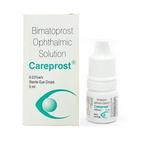
These drops gained immense popularity, demonstrating an incredibly fast and always noticeable result since its application. This innovative means will allow you to give your eyelashes an ideal look, strength and health, in whatever serious condition they are before the moment of its application. It is safe and effective providing amazing results.
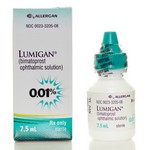
This means is prescribed to reduce eye pressure. Its active ingredient is synthetic prostaglandin bimatoprost – an unsaturated fatty acid, similar in its properties to hormones. Getting into the eye, drops help maintain the balance of the flow and outflow of eye fluid. It is a violation of this balance that leads to an increase in pressure, due to which the blood supply to the eye is impaired and the load on the optic nerve increases.

Bimatoprost reduces IOP in humans by increasing the outflow of aqueous humor through the trabecular meshwork and uveoscleral outflow. IOP reduction begins about 4 hours after the first use. The maximum effect is achieved after about 8–12 hours. The effect lasts for at least 24 hours.
4. Side effects of Vigamox eye drops
Vigamox eye drops, while effective in treating bacterial conjunctivitis, may also cause some side effects. It is important to be aware of these potential side effects and to consult a healthcare professional if they persist or worsen.
Here are some possible side effects of using Vigamox eye drops:
1. Eye discomfort or irritation
Some individuals may experience temporary discomfort or irritation in the eyes after using Vigamox eye drops. This may manifest as a stinging or burning sensation in the eyes. If this occurs and becomes persistent or severe, it is advisable to seek medical advice.
2. Redness or itching of the eyes
In rare cases, Vigamox eye drops may cause redness or itching of the eyes. This can be a sign of an allergic reaction to the medication. It is important to discontinue use and consult a healthcare professional if these symptoms occur.
3. Blurred vision
Blurred vision has been reported as a side effect of Vigamox eye drops. It is important to avoid activities that require clear vision, such as driving or operating machinery, if this side effect occurs. If blurred vision persists or worsens, medical advice should be sought.
4. Swelling or inflammation of the eyelids
In some cases, Vigamox eye drops may cause swelling or inflammation of the eyelids. This can be accompanied by pain or discomfort. If this side effect occurs, it is advisable to discontinue use and consult a healthcare professional.
5. Sensitivity to light
Some individuals using Vigamox eye drops may experience increased sensitivity to light. If this occurs, it is recommended to wear sunglasses or avoid bright lights until the sensitivity subsides. Medical advice should be sought if the sensitivity to light persists or worsens.
It is important to note that these side effects are not exhaustive and there may be other potential side effects associated with the use of Vigamox eye drops. It is always advisable to carefully read the information leaflet provided with the medication and consult a healthcare professional if any concerns arise.
Source:
The information provided above is sourced from reputable sources such as the U.S. National Library of Medicine – MedlinePlus. Further information can be found at:
https://medlineplus.gov/druginfo/meds/a605017.html
Use in Your Design: Lists, Tables, Headings, Highlight the Main Words
When incorporating Vigamox eye drops into your design, it is essential to consider the various elements that can enhance the user experience and highlight the key information. Here are some effective ways to utilize Vigamox eye drops in your design:
Lists:
- Include a bulleted list of the benefits of using Vigamox eye drops.
- Feature a step-by-step guide on how to properly administer the eye drops.
- Highlight the side effects of Vigamox eye drops in a clear, concise list.
Tables:
| Usage | Benefit |
|---|---|
| Treatment of bacterial conjunctivitis | Effective against bacterial infections |
| Prevention of infection post-surgery | Reduces the risk of post-operative complications |
Headings:
Important Information About Vigamox Eye Drops:
It is crucial to follow the prescribed dosage and frequency.
Side Effects of Vigamox Eye Drops:
Common side effects may include temporary stinging or burning sensation.
Highlighting Main Words:
Emphasize key terms such as “bacterial conjunctivitis,” “Vigamox eye drops,” and “post-operative complications” for better readability and comprehension.
By incorporating lists, tables, headings, and highlighting essential words, you can effectively convey important information about Vigamox eye drops in your design.
6. Side effects of Vigamox eye drops
Vigamox eye drops are generally safe and well-tolerated, but like any medication, they can have side effects. It is important to be aware of these potential side effects and to contact your doctor if you experience any concerning symptoms. Common side effects of Vigamox eye drops include:
- Eye irritation: Some individuals may experience temporary eye irritation, such as burning or stinging, after using Vigamox eye drops. This is usually mild and goes away on its own.
- Blurred vision: In some cases, Vigamox eye drops can cause temporary blurred vision. This usually resolves on its own, but if the blurriness persists or worsens, it is important to consult with your doctor.
- Discomfort or dryness: Vigamox eye drops may cause a temporary feeling of discomfort or dryness in the eyes. This is typically mild and should improve with continued use.
- Taste disturbance: Vigamox eye drops may cause a temporary change in taste perception, particularly if the medication comes in contact with the back of the throat. This usually resolves quickly and does not require treatment.
While rare, Vigamox eye drops can also cause more serious side effects. These may include:
- Allergic reactions: In some cases, individuals may experience an allergic reaction to Vigamox eye drops. Symptoms may include severe itching, swelling, rash, or difficulty breathing. If you have any signs of an allergic reaction, seek immediate medical attention.
- Eye pain or increased redness: If you experience severe eye pain or increased redness after using Vigamox eye drops, it may be a sign of an adverse reaction. Contact your doctor to discuss these symptoms.
- Eye discharge or worsening of symptoms: If your symptoms of bacterial conjunctivitis worsen or if you develop new symptoms, such as increased eye discharge or crusting, it is important to consult with your doctor as this may indicate an infection that is resistant to the medication.
It is important to note that this is not a complete list of side effects associated with Vigamox eye drops. If you experience any unusual or persistent symptoms after using this medication, it is recommended to consult with your healthcare provider for further evaluation and guidance.
Source: Drugs.com
7. Side effects of Vigamox eye drops
Vigamox eye drops may cause certain side effects in some individuals. While not everyone may experience these side effects, it is important to be aware of the possible risks. If you experience any of these side effects, it is recommended to contact your healthcare provider for further guidance.
7.1 Common side effects
Common side effects of Vigamox eye drops may include:
- Eye irritation
- Eye discomfort
- Temporary blurred vision
- Redness or itching of the eyes
- Dry eyes
- Watery eyes
- Foreign body sensation in the eye
- Tearing
- Temporary stinging or burning sensation after applying the drops
If these side effects persist or worsen, it is advised to consult your doctor.
7.2 Serious side effects
Serious side effects of Vigamox eye drops are not common, but they may occur in some cases. If you experience any of the following serious side effects, seek immediate medical attention:
- Allergic reactions – such as rash, itching, swelling, severe dizziness, or difficulty breathing
- Severe eye pain or eye swelling
- Sensitivity to light
- Eye discharge or crusting
- New or worsening eye redness
- Changes in vision
It is important to note that this is not a complete list of possible side effects. If you notice any other unusual symptoms while using Vigamox eye drops, inform your doctor or pharmacist.
It is worth highlighting that Vigamox eye drops have undergone extensive clinical trials to assess their safety and effectiveness. These trials involved thousands of participants, and the side effects mentioned above were reported in a small percentage of patients.
To learn more about the possible side effects and precautions of using Vigamox eye drops, visit the official FDA prescribing information for Vigamox.