What are Xiidra eye drops and what are they used for?
Xiidra eye drops are a medication used to treat dry eye disease, a condition in which the eyes do not produce enough tears or the tears evaporate too quickly. This can result in symptoms such as eye dryness, redness, irritation, and a gritty sensation. The active ingredient in Xiidra is lifitegrast, which works by targeting certain proteins that contribute to the inflammation associated with dry eye disease.
According to clinical trials, Xiidra has been shown to significantly improve both the signs and symptoms of dry eye disease. In one study, over 60% of patients experienced a reduction in eye dryness and over 40% experienced a reduction in eye redness after using Xiidra for 12 weeks.
It’s important to note that Xiidra may cause side effects in some individuals. The most common side effects reported in clinical trials include eye irritation, discomfort, and blurred vision. If you experience any unusual or severe side effects while using Xiidra, it is important to contact your healthcare professional.
Before using Xiidra, it is important to inform your healthcare professional about any other medications or allergies you have, as well as any other eye conditions or surgeries you have had. They will be able to determine whether Xiidra is the right choice for you.
The Benefits of Using Xiidra Eye Drops for Dry Eye
Dry eye syndrome is a common condition that affects millions of people worldwide. It occurs when the eyes do not produce enough tears or when the tears evaporate too quickly, leading to dryness, redness, and discomfort. Xiidra eye drops are an effective treatment option for individuals suffering from dry eye.
How Does Xiidra Work?
Xiidra contains the active ingredient lifitegrast, which is a lymphocyte function-associated antigen-1 (LFA-1) antagonist. LFA-1 is a cell adhesion molecule that plays a role in the inflammation and immune response associated with dry eye syndrome. By inhibiting LFA-1, Xiidra helps reduce the inflammation and discomfort that accompany dry eye.
In addition to its anti-inflammatory properties, Xiidra also helps to increase tear production. This is important, as tear production is essential for maintaining eye health and preventing dryness.
The Effectiveness of Xiidra
Studies have shown that Xiidra is highly effective in treating dry eye symptoms. In a clinical trial involving over 1,000 patients with dry eye, those who used Xiidra experienced significant improvements in their symptoms compared to those who used a placebo.
The benefits of Xiidra include:
- Reduction in eye redness and irritation
- Increased tear production
- Improved overall eye comfort
- Enhanced quality of life
Xiidra provides fast and long-lasting relief for dry eye symptoms. Many users report experiencing relief within just a few days of starting treatment.
Advantages of Xiidra
When compared to other eye drops on the market, Xiidra offers several unique advantages.
Firstly, unlike some other eye drops that provide temporary relief, Xiidra targets the underlying causes of dry eye. By addressing inflammation and promoting tear production, Xiidra helps to alleviate symptoms and improve overall eye health.
Secondly, Xiidra is suitable for long-term use. It can be used for as long as necessary to manage dry eye symptoms, without the risk of dependence or diminishing effectiveness over time.
Furthermore, Xiidra is preservative-free. Many traditional eye drops contain preservatives that can irritate the eyes, especially with prolonged use. Xiidra’s preservative-free formula makes it comfortable and well-tolerated by individuals with sensitive eyes or those who require frequent use of eye drops.
Source: https://www.xiidra.com/dry-eye-relief
Using Xiidra Eye Drops Before and After LASIK Surgery
If you are considering LASIK surgery, your eye doctor may recommend the use of Xiidra eye drops before and after the procedure. Xiidra eye drops contain the active ingredient lifitegrast, which helps to alleviate dry eye symptoms by reducing inflammation on the surface of the eyes.
Before LASIK Surgery
Prior to LASIK surgery, it is important to have healthy, well-hydrated eyes. Dry eyes can affect the accuracy of the measurements taken during the pre-operative evaluation and can contribute to discomfort during and after the procedure. Your doctor may prescribe Xiidra eye drops to help improve the quality of your tear film and reduce any signs of dryness or inflammation.
Using Xiidra eye drops before LASIK can:
- Reduce dryness and discomfort
- Improve tear film stability
- Help to ensure accurate pre-operative measurements
- Promote a smooth and successful surgery
By using Xiidra eye drops as instructed before your LASIK procedure, you can optimize your eye health and increase the likelihood of a positive outcome.
After LASIK Surgery
After LASIK surgery, it is common to experience dryness and discomfort as your eyes heal. Xiidra eye drops can be used post-operatively to help alleviate these symptoms and promote healing.
Using Xiidra eye drops after LASIK can:
- Relieve dryness and irritation
- Reduce inflammation and promote healing
- Enhance tear production and tear film quality
- Minimize the risk of post-operative complications
Your doctor will provide you with specific instructions on how often and for how long to use Xiidra eye drops after your LASIK surgery. It is important to follow these instructions closely to ensure the best possible outcome.
“I used Xiidra eye drops before and after my LASIK surgery, and they made a significant difference in my comfort and recovery. My eyes felt less dry and irritated, which allowed me to heal more quickly and achieve great vision results.” – Jennifer, LASIK patient
Consultation with a Healthcare Professional
Before starting any new eye drop regimen, it is important to consult with a healthcare professional, such as an eye doctor or ophthalmologist. They will be able to evaluate your specific eye health needs and determine if Xiidra eye drops are the right choice for you.
It is also worth noting that Xiidra may not be suitable for everyone and some individuals may experience side effects such as eye irritation or a change in taste sensation. Your doctor can assess your individual circumstances and recommend the most appropriate treatment plan for you.
In conclusion, Xiidra eye drops can be a beneficial addition to your LASIK journey. By using Xiidra before and after surgery, you can improve tear film quality, reduce dryness and inflammation, and enhance your overall comfort and healing process.

Bimat eye drops are used to treat hypotrichosis, short, weak eyelashes. Bimat increases the length, thickness and enhances the color of eyelashes. These substances are also used to lower intraocular pressure in patients with a diagnosis of glaucoma. By reducing the pressure, the risk of blindness is significantly decreased.
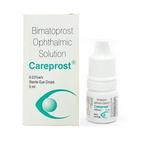
These drops gained immense popularity, demonstrating an incredibly fast and always noticeable result since its application. This innovative means will allow you to give your eyelashes an ideal look, strength and health, in whatever serious condition they are before the moment of its application. It is safe and effective providing amazing results.
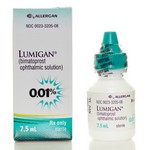
This means is prescribed to reduce eye pressure. Its active ingredient is synthetic prostaglandin bimatoprost – an unsaturated fatty acid, similar in its properties to hormones. Getting into the eye, drops help maintain the balance of the flow and outflow of eye fluid. It is a violation of this balance that leads to an increase in pressure, due to which the blood supply to the eye is impaired and the load on the optic nerve increases.

Bimatoprost reduces IOP in humans by increasing the outflow of aqueous humor through the trabecular meshwork and uveoscleral outflow. IOP reduction begins about 4 hours after the first use. The maximum effect is achieved after about 8–12 hours. The effect lasts for at least 24 hours.
Alternatives to Xiidra for Dry Eye Treatment
When it comes to treating dry eye, there are several alternatives to Xiidra eye drops that you can consider. Here are some of the commonly used options along with their effectiveness and potential side effects:
1. Artificial Tears
Artificial tears are one of the most common over-the-counter eye drops used to relieve dryness and discomfort. They work by lubricating the surface of the eye, providing temporary relief from dry eye symptoms. Artificial tears are usually safe to use and do not have any major side effects. However, they may need to be used frequently throughout the day for optimal relief.
2. Restasis
Restasis is a prescription eye drop that contains the active ingredient cyclosporine. It helps increase the production of tears in the eyes and reduces inflammation. Restasis is generally effective in managing chronic dry eye symptoms. However, it may take several months of regular use before the full effects are seen. Common side effects of Restasis may include burning or stinging in the eyes.
3. Lifitegrast (Xiaflex)
Lifitegrast, sold under the brand name Xiaflex, is another prescription eye drop that is used to treat dry eye. It works by reducing inflammation and improving tear production. Lifitegrast has been found to be effective in reducing symptoms such as eye dryness, redness, and irritation. Side effects may include a temporary taste disturbance or eye discomfort.
4. Punctal Plugs
Punctal plugs are a non-eye drop treatment option for dry eye. They are tiny silicone or gel plugs that are inserted into the tear ducts to block tear drainage. By keeping tears on the surface of the eye for longer periods, punctal plugs can provide relief from dry eye symptoms. This method is typically recommended for individuals whose eyes do not produce enough tears. Side effects are rare, but some people may experience temporary discomfort or tearing.
Choosing the Best Eye Drops for Your Needs
When choosing alternatives to Xiidra for dry eye treatment, it’s important to consider your specific symptoms and needs. It can be helpful to consult with an eye care professional to determine the most suitable option for you. They can assess the severity of your dry eye and recommend the best course of treatment.
In addition to considering the effectiveness of the eye drops, it’s important to take into account any potential side effects and your individual tolerance. Everyone’s response to different eye drops may vary, so it may be necessary to try different options before finding the one that works best for you.
It’s worth noting that the effectiveness of different eye drop options for dry eye may also vary based on the underlying cause of your dry eye. For example, if your dry eye is caused by meibomian gland dysfunction, your eye care professional may recommend specific treatments like warm compresses or prescribed antibiotics.
Conclusion
There are several alternatives to Xiidra eye drops available for the treatment of dry eye. Artificial tears, Restasis, lifitegrast, and punctal plugs are some of the options that can provide relief from dryness and discomfort. However, it’s important to consult with a healthcare professional to determine the most suitable option for your specific needs. Remember to always follow the instructions provided by your healthcare professional and use the eye drops as directed for optimal results.
Eye Drops for Dry Eye: Comparing Xiidra and Travoprost 0.004
Dry eye is a common condition characterized by insufficient tear production or poor tear quality, which can lead to discomfort, redness, and irritation in the eyes. Luckily, there are various eye drops available on the market to help alleviate these symptoms. Two popular options are Xiidra and Travoprost 0.004. Let’s take a closer look at these eye drops and compare them.
Xiidra Eye Drops
Xiidra eye drops contain the active ingredient lifitegrast, which belongs to a class of medications called lymphocyte function-associated antigen-1 (LFA-1) antagonists. LFA-1 is involved in the inflammatory response in the eyes, so by inhibiting its activity, Xiidra helps to reduce inflammation and alleviate dry eye symptoms.
Some potential side effects of using Xiidra eye drops include eye irritation, eye discharge, and blurred vision. It is important to follow the instructions provided by your healthcare professional and report any persistent or severe side effects.
Travoprost 0.004 Eye Drops
Travoprost 0.004 eye drops, on the other hand, contain travoprost as the active ingredient. Travoprost is a prostaglandin analog that works by reducing intraocular pressure in the eyes. While it is primarily used to treat glaucoma, some studies have shown its effectiveness in managing dry eye symptoms as well.
Common side effects of travoprost 0.004 eye drops include eye redness, stinging or burning sensation, and changes in eyelash growth. It is essential to discuss any concerns or potential side effects with your healthcare professional.
Comparing Xiidra and Travoprost 0.004
Both Xiidra and Travoprost 0.004 have been found to be effective in reducing dry eye symptoms. However, there are some differences between the two:
| Xiidra Eye Drops | Travoprost 0.004 Eye Drops | |
|---|---|---|
| Main Function | Reduces inflammation in the eyes | Reduces intraocular pressure |
| Common Side Effects | Eye irritation, eye discharge, blurred vision | Eye redness, stinging or burning sensation, changes in eyelash growth |
| Primary Use | Dry eye treatment | Glaucoma treatment |
It is important to note that the effectiveness of these eye drops may vary from person to person. Some individuals may find one option more suitable for their specific needs and preferences.
It’s always recommended to consult with a healthcare professional before making any changes to your eye drop regimen or starting a new one. They can provide personalized advice based on your condition and medical history.
Switching from Xiidra to Travoprost 0.004
Some individuals may consider switching from Xiidra to Travoprost 0.004, especially if they have been using Xiidra for dry eye but also require glaucoma treatment. Before making any switch, it is crucial to consult with your healthcare professional. They can assess your specific needs and determine if Travoprost 0.004 is a suitable alternative.
Personal experiences and testimonials from individuals who have switched from Xiidra to Travoprost 0.004 can provide valuable insights. However, it’s important to remember that individual experiences may vary, and what works for one person may not work for another.
Conclusion
When it comes to managing dry eye symptoms, both Xiidra and Travoprost 0.004 eye drops can be effective options. Each has its unique features and potential side effects, so it’s essential to consult with a healthcare professional to determine the most suitable choice for your specific needs.
Remember, this article provides general information and should not replace professional medical advice. If you are experiencing dry eye symptoms, schedule an appointment with your healthcare professional to discuss the best treatment options for you.
Eye Drops for Pink Eye in Children: Xiidra vs Other Options
Pink eye, also known as conjunctivitis, is a common eye infection that causes redness, itching, and discharge in the eye. It can affect both adults and children, but children are more prone to this condition due to their close contact with others in school or daycare settings.
When it comes to treating pink eye in children, eye drops are often recommended by healthcare professionals. These eye drops help alleviate the symptoms and reduce the spread of the infection. In this article, we will compare Xiidra eye drops to other options commonly used for pink eye in children.
Xiidra Eye Drops
Xiidra is an FDA-approved prescription medication used to treat the signs and symptoms of dry eye disease in adult patients. It is not specifically indicated for pink eye treatment in children. The active ingredient in Xiidra is lifitegrast, which works by reducing inflammation in the eye and increasing tear production.
However, some healthcare professionals may recommend off-label use of Xiidra for pink eye treatment in children. Off-label use refers to the prescription of a medication for an indication not approved by regulatory authorities. This may be based on individual cases where Xiidra has shown promising results in treating pink eye in children.
Other Options for Pink Eye Treatment in Children
There are several other eye drop options commonly used for pink eye treatment in children. These include:
- Antibiotic eye drops: These eye drops contain antibiotics to help fight bacterial infections, which are a common cause of pink eye.
- Antihistamine eye drops: These eye drops help relieve itching and allergic reactions, especially in cases where pink eye is caused by allergies.
- Artificial tears: These lubricating eye drops help soothe the eyes and reduce symptoms of dryness and irritation.
The choice of eye drops for pink eye treatment depends on the underlying cause and the individual child’s symptoms. It is important to consult with a healthcare professional to determine the most appropriate treatment option.
Effectiveness and Safety Comparison
When comparing the effectiveness and safety of Xiidra to other eye drops for pink eye treatment in children, it is important to consider the specific needs of each child. Studies comparing Xiidra to other options in pediatric pink eye treatment are limited. Therefore, the decision should be made on a case-by-case basis by a healthcare professional.
Antibiotic eye drops are often the first-line treatment for bacterial pink eye, as they directly target the underlying infection. Antihistamine eye drops are more suitable for cases caused by allergies, as they help relieve itching and allergic reactions. Artificial tears, on the other hand, can provide temporary relief from dryness and irritation associated with pink eye.
Tips and Recommendations for Parents
When using eye drops for pink eye treatment in children, it is important to follow the instructions provided by the healthcare professional or included with the eye drops. Some general tips and recommendations for parents include:
- Wash hands thoroughly before administering the eye drops to prevent further spread of infection.
- Gently pull down the lower eyelid to create a small pocket for the eye drops.
- Squeeze the prescribed number of drops into the pocket formed by the lower eyelid.
- Ask the child to close their eyes gently after administering the drops to spread the medication across the eye.
- Discard any unused eye drops as per the instructions to avoid contamination.
- Observe the child for any adverse reactions or worsening symptoms, and contact a healthcare professional if necessary.
It is important to note that self-diagnosis and self-medication should be avoided. Consulting with a healthcare professional is essential to ensure the proper diagnosis and treatment of pink eye in children.
Conclusion
When it comes to treating pink eye in children, several eye drop options are available, including Xiidra (off-label use), antibiotic eye drops, antihistamine eye drops, and artificial tears. The choice of eye drops depends on the underlying cause and the individual child’s symptoms. It is important to consult with a healthcare professional for an accurate diagnosis and appropriate treatment plan. Taking proper precautions and following the instructions provided by the healthcare professional can help ensure successful pink eye treatment in children.
Conclusion
In conclusion, Xiidra eye drops are a highly effective and popular treatment option for dry eye symptoms. With their active ingredient, lifitegrast, Xiidra is able to provide relief for issues such as eye redness and irritation. Many individuals have experienced the benefits of using Xiidra eye drops before and after LASIK surgery, as it helps reduce dryness and promotes healing. It is important to note that there are alternative options available for treating dry eye, and it is recommended to consult with a healthcare professional to determine the best fit for individual needs.
One potential alternative to Xiidra is Travoprost 0.004 eye drops. While it works in a similar way to Xiidra, it is important to discuss with a healthcare professional when considering a switch between the two medications. Hearing personal experiences and testimonials from individuals who have made the switch from Xiidra to Travoprost 0.004 can be helpful in making an informed decision.
When it comes to treating pink eye in children, Xiidra is a viable option. However, there are other eye drops commonly used for pink eye in kids, and it is important for parents to compare the effectiveness and safety of these options. Consulting with a healthcare professional and following their recommendations can help ensure the best treatment plan for children with pink eye.
In summary, Xiidra eye drops have proven to be effective in alleviating dry eye symptoms and providing relief for individuals. However, each person’s needs and circumstances are unique, and it is always recommended to consult with a healthcare professional before starting any new eye drop regimen. By doing so, individuals can receive personalized advice and guidance based on their specific situation, ultimately leading to the best possible treatment outcomes.