Using Eye Drops with Contact Lenses
Eye drops for contacts are specially formulated to be safe for use with contact lenses. These eye drops can help relieve dryness and irritation, making wearing contacts more comfortable. However, it is essential to choose the right type of eye drops and follow the recommended usage guidelines to ensure the health of your eyes and the longevity of your contacts.
Choosing the Right Eye Drops
When selecting eye drops for use with contact lenses, opt for products that are specifically labeled as “contact lens safe” or “for use with contact lenses.” These types of eye drops are formulated to be gentle and compatible with contact lenses, minimizing the risk of lens damage or discomfort.
Some popular and reputable brands of eye drops for contact lenses include:
- Refresh Contacts
- Blink Contacts
- Opti-Free Rewetting Drops
- Clear Eyes Contact Lens Relief
It’s always a good idea to consult with your eye care professional for a recommendation based on your specific needs and any underlying conditions you may have.
Proper Usage Guidelines
Here are some general usage instructions for eye drops with contact lenses:
- Wash your hands thoroughly with soap and water before handling your contacts or applying eye drops.
- Remove your contact lenses from your eyes before applying the eye drops. This allows the drops to come into direct contact with your eyes and not get trapped under the lenses.
- Follow the instructions on the eye drop packaging for the recommended dosage and frequency. Avoid using more drops than recommended, as this can lead to over-moisturizing or potential eye irritation.
- After applying the eye drops, wait for the designated amount of time stated on the packaging before reinserting your contact lenses. This allows the drops to settle and reduces the risk of the drops interfering with the contact lens surface.
- When reinserting your contacts, make sure they are clean and properly hydrated. Rinse them with appropriate contact lens solution if needed.
- Avoid touching the tip of the eye drop container to prevent contamination. If you accidentally touch the tip, clean it with a sterile tissue or cotton ball.
Remember to follow these guidelines and any specific instructions given by your eye care professional for best results.
References:
- Singh, S. (2018). Eye Drops for Contact Lenses: Types and Brands. Verywell Health. Retrieved from https://www.verywellhealth.com/eye-drops-for-contact-lenses-types-and-brands-3422107
- Mayo Clinic Staff. (2020). Contact lens care: Do’s and don’ts. Mayo Clinic. Retrieved from https://www.mayoclinic.org/contact-lenses/expert-answers/faq-20057848
Eye Drops for Babies
Eye drops for babies are designed to be gentle and safe for use in young children. These special eye drops can effectively relieve common symptoms such as redness, itching, and irritation that can occur in baby’s eyes.
They are formulated to be gentle on the delicate tissues of a baby’s eyes and are generally free from harmful chemicals or irritants. Baby eye drops often contain natural ingredients such as chamomile or saline solution, which can help soothe and moisturize the eyes.
When using eye drops for babies, it is important to follow the instructions provided by the manufacturer or a pediatrician. These instructions will guide parents on the proper dosage, frequency, and application technique. It is essential to use the recommended amount of drops and avoid touching the dropper tip to prevent contamination.
In case of any concerns or questions about using eye drops for babies, it is always best to consult a pediatrician. They can provide personalized advice based on the specific needs of the child and any existing medical conditions.
Benefits of Eye Drops for Babies
Eye drops for babies offer several benefits when used correctly:
- Relief from common eye symptoms such as redness, itching, or irritation.
- Soothing effect on the eyes, promoting comfort for the baby.
- Possible prevention of eye infections or complications.
- Gentle and safe formulation suitable for a baby’s delicate eyes.
By addressing these common eye symptoms, baby eye drops can help improve a baby’s overall comfort and well-being.
Research and Safety
While no specific surveys or statistical data are mentioned for eye drops for babies, these products have been developed and tested for their safety and effectiveness in addressing common eye symptoms in infants and young children.
The safety of baby eye drops is typically evaluated through clinical studies and trials, which assess the product’s tolerability, efficacy, and potential side effects. Manufacturers of baby eye drops follow strict guidelines and regulations set by health authorities to ensure the product’s safety and quality.
When using eye drops for babies, it is important to choose products from reputable and trusted brands. This helps ensure that the eye drops have undergone rigorous testing and adhere to safety standards.
In conclusion, eye drops for babies are designed to provide gentle and effective relief for common eye symptoms in infants and young children. By following the instructions provided and seeking guidance from a pediatrician, parents can safely use these eye drops to improve their baby’s eye comfort and well-being.
Accidentally putting eye drops in the ear
Accidentally putting eye drops in the ear is not advised and can lead to discomfort or other complications. Eye drops are specifically formulated for use in the eyes and are not intended for use in the ears. The ear has a different structure and different needs compared to the eye, and using eye drops in the ear can disrupt the delicate balance and potentially cause harm.
If someone accidentally puts eye drops in their ear, there are a few steps they can take to minimize any potential harm. The first step is to flush the ear with clean water to help remove the eye drops. This can be done by gently pouring water into the ear and then tilting the head to allow the water to flow out. It is important to avoid using excessive force or inserting anything into the ear, as this can cause further damage.
If symptoms persist or if there is any pain or discomfort after flushing the ear, it is important to seek medical advice. A healthcare professional can provide guidance and recommend further steps to address any potential complications. It is important to be honest with the healthcare professional about the accidental use of eye drops in the ear so that they can provide appropriate care.
When using any medication, including eye drops, it is crucial to always read and follow the instructions provided. This will help ensure the safe and effective use of the medication. If there are any questions or concerns about using eye drops, it is best to consult a healthcare professional for personalized advice based on individual circumstances.

Bimat eye drops are used to treat hypotrichosis, short, weak eyelashes. Bimat increases the length, thickness and enhances the color of eyelashes. These substances are also used to lower intraocular pressure in patients with a diagnosis of glaucoma. By reducing the pressure, the risk of blindness is significantly decreased.
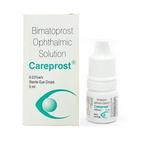
These drops gained immense popularity, demonstrating an incredibly fast and always noticeable result since its application. This innovative means will allow you to give your eyelashes an ideal look, strength and health, in whatever serious condition they are before the moment of its application. It is safe and effective providing amazing results.
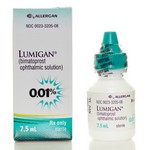
This means is prescribed to reduce eye pressure. Its active ingredient is synthetic prostaglandin bimatoprost – an unsaturated fatty acid, similar in its properties to hormones. Getting into the eye, drops help maintain the balance of the flow and outflow of eye fluid. It is a violation of this balance that leads to an increase in pressure, due to which the blood supply to the eye is impaired and the load on the optic nerve increases.

Bimatoprost reduces IOP in humans by increasing the outflow of aqueous humor through the trabecular meshwork and uveoscleral outflow. IOP reduction begins about 4 hours after the first use. The maximum effect is achieved after about 8–12 hours. The effect lasts for at least 24 hours.
Fear of Eye Drops: Causes, Symptoms, and Treatment
Fear of eye drops, also known as topophobia or oculophobia, is a specific phobia characterized by an irrational fear or anxiety related to the use of eye drops. This fear can vary in severity, ranging from mild discomfort to intense panic and avoidance behaviors. It can significantly impact a person’s ability to receive necessary eye care and treatment.
Causes of Fear of Eye Drops
The fear of eye drops can stem from various underlying causes. Some common reasons include:
- Past Traumatic Experience: A negative experience with eye drops, such as stinging or burning sensations, can create a lasting fear and avoidance.
- Anxiety Disorders: Individuals with anxiety disorders may be more prone to developing phobias, including the fear of eye drops.
- Generalized Fear of Medical Procedures: People who have a general fear or anxiety towards medical procedures and treatments may extend this fear to eye drops.
Symptoms of Fear of Eye Drops
The fear of eye drops can cause various emotional and physical symptoms, including:
- Anxiety and Panic: Feelings of intense fear, dread, or panic when eye drops are mentioned or encountered.
- Avoidance Behaviors: Avoiding eye care appointments, refusing eye drops, or finding excuses to skip treatments.
- Physical Reactions: Rapid heartbeat, shortness of breath, trembling, sweating, nausea, or dizziness when faced with eye drops.
- Excessive Worry: Constant preoccupation and distressing thoughts about eye drops and their potential effects.
Treatment for Fear of Eye Drops
If you or someone you know struggles with a fear of eye drops, it is essential to seek professional help. A mental health professional, such as a psychologist or counselor, can provide appropriate guidance and treatment options. Some common approaches to treating this phobia include:
- Cognitive-Behavioral Therapy (CBT): CBT helps individuals identify and challenge irrational thoughts and beliefs about eye drops. It aims to change negative thought patterns and develop healthier coping strategies.
- Exposure Therapy: This therapy involves gradually exposing the individual to their feared object or situation in a controlled and supportive environment. The goal is to reduce anxiety and desensitize the person to eye drops.
- Relaxation Techniques: Techniques such as deep breathing, progressive muscle relaxation, and mindfulness can help manage anxiety and promote relaxation during eye drop administration.
It’s important to remember that everyone’s experience with phobias is unique, and treatment plans may vary based on individual needs and preferences. Seeking professional help early can increase the likelihood of successful treatment outcomes.
For further information and resources on phobias and anxiety disorders, you can visit reputable sources such as the Anxiety and Depression Association of America (ADAA) or the Mind website.
Steroid Eye Drops: Types, Usage, and Precautions
Steroid eye drops are a type of medication prescribed to reduce inflammation and swelling in the eyes. They are commonly used to treat various eye conditions, such as allergies, inflammation, and certain types of infections.
Types of Steroid Eye Drops
There are several different types of steroid eye drops available, each with varying potencies and side effects. Some of the most commonly prescribed ones include:
| Steroid Eye Drop | Common Brand Names |
|---|---|
| Prednisolone acetate | Pred Forte, Pred Mild, Omnipred |
| Dexamethasone | Maxidex, Decadron |
| Loteprednol etabonate | Lotemax |
| Fluorometholone | Flarex, FML |
It is important to note that these are just a few examples, and there are other steroid eye drops available on the market.
Usage and Precautions
When using steroid eye drops, it is crucial to follow the specific instructions provided by your healthcare professional. Here are some general guidelines:
- Wash your hands: Before using the eye drops, wash your hands thoroughly to minimize the risk of contamination or infection.
- Tilt your head back: Tilt your head back slightly and gently pull down your lower eyelid to create a small pocket for the eye drops.
- Apply the drops: Squeeze the prescribed number of drops into the pocket formed by the lower eyelid. Be careful not to touch the dropper tip to your eye or any other surface to prevent contamination.
- Blink and close your eyes: After applying the drops, close your eyes gently and blink a few times to spread the medication across the eye’s surface.
- Wait before reinserting contact lenses: If you wear contact lenses, it is important to wait for the recommended time (usually around 15 minutes) after using the eye drops before reinserting your lenses. This allows the medication to be absorbed properly and avoids any potential interactions between the medication and the lenses.
- Follow the prescribed dosage: Use the prescribed number of drops and follow the recommended dosage schedule. Do not exceed the prescribed dose, as this can increase the risk of side effects.
While steroid eye drops are generally safe and effective when used as directed, they may cause side effects in some individuals. These side effects can include increased eye pressure, cataract formation, delayed wound healing, and secondary infections.
If you experience any unusual or bothersome symptoms after using steroid eye drops, such as blurred vision, eye pain, or worsening of symptoms, it is important to contact your healthcare professional for further guidance.
It is also crucial to note that steroid eye drops should only be used under the supervision and prescription of a healthcare professional. They should not be used without proper evaluation and diagnosis of an eye condition.
For more information on steroid eye drops, their usage, and potential side effects, consult with your healthcare professional or refer to authoritative sources such as American Academy of Ophthalmology or the Mayo Clinic.
Proper usage of eye drops with contacts
When it comes to using eye drops with contacts, proper usage is crucial in order to ensure the safety and effectiveness of both the drops and the lenses. Follow these guidelines to use eye drops effectively with your contacts:
- Remove the lenses: Before applying eye drops, always remove your contact lenses. This allows the drops to directly reach your eyes without any interference.
- Wash your hands: Before handling your eye drops, make sure to thoroughly wash your hands with soap and water. This helps prevent the transfer of any dirt or bacteria into your eyes.
- Apply the drops: Follow the instructions provided with your eye drops to determine the appropriate dosage. Tilt your head back slightly and gently pull down your lower eyelid to create a small pocket. Squeeze the prescribed number of drops into the pocket, making sure to avoid touching your eye or eyelid with the tip of the dropper.
- Wait before reinserting contacts: After applying the drops, you need to wait for the recommended amount of time before reinserting your contact lenses. This allows the drops to fully absorb into your eyes and prevents any potential interaction between the drops and the lenses. The recommended waiting time can vary depending on the specific eye drop brand and type, so it’s important to consult the instructions or your eye care professional for guidance.
- Reinsert the lenses: Once you have waited the appropriate amount of time, carefully reinsert your contact lenses. Make sure to rinse them with contact lens solution before doing so, to ensure they are clean and free from any residue.
- Avoid touching the dropper tip: To prevent contamination of your eye drops, it is crucial to avoid touching the tip of the dropper to any surface, including your eye or fingers. This can introduce bacteria and compromise the sterility of the drops.
- Follow the recommended usage guidelines: Each type of eye drop may have different instructions for usage frequency and duration. It is important to carefully follow these guidelines in order to achieve the best results and avoid any potential side effects. If in doubt, consult with your eye care professional for personalized advice.
To ensure the proper care and maintenance of your eyes and contact lenses, it is always recommended to consult a healthcare professional if you have any concerns or questions about using eye drops with contacts. They can provide personalized advice and guidance based on your specific eye care needs and circumstances.
Consult a Healthcare Professional: Expert Advice for Eye Drops and Contact Lenses
When it comes to using eye drops with contact lenses, it’s always best to consult a healthcare professional. They have the knowledge and expertise to provide personalized advice and guidance based on your specific eye care needs and circumstances.
Here are some reasons why consulting a healthcare professional is important:
- Proper Care and Maintenance: Healthcare professionals can provide you with information on how to properly care for and maintain your contact lenses. They can guide you on the appropriate use of eye drops and recommend specific brands that are safe to use with your contacts.
- Finding the Right Eye Drops: With so many eye drop options available, it can be overwhelming to choose the right one. A healthcare professional can help determine which eye drops are best suited for your specific eye condition, such as dryness or allergies.
- Addressing Concerns and Questions: If you have any concerns or questions about using eye drops with contacts, a healthcare professional can provide the necessary answers and reassurance. They can address any potential risks or side effects and offer tips to enhance your overall eye health.
In addition to seeking advice from a healthcare professional, it’s important to stay informed about the latest advancements and recommendations in eye care. Here are some reliable sources of information:
- American Academy of Ophthalmology (AAO) – A trusted organization that provides extensive resources on eye health, including information about eye drops and contact lenses.
- Centers for Disease Control and Prevention (CDC) – The CDC offers valuable information on eye health, including guidance on contact lens hygiene and care.
- American Optometric Association (AOA) – The AOA is a leading authority on eye care and provides resources on various eye conditions and treatment options.
Remember, your eyes are a vital part of your overall well-being, and proper eye care is essential. By consulting a healthcare professional and staying informed, you can ensure the best care and maintenance for your eyes and contact lenses.