Using Eye Drops with Contact Lenses: A Comprehensive Guide
Proper eye care and hygiene are essential when wearing contact lenses. One important aspect of maintaining healthy eyes is knowing how to use eye drops correctly with contact lenses. In this article, we will address common concerns and misconceptions about using eye drops with contacts and provide guidelines and safety tips for safe and effective use.
Importance of Proper Eye Care and Hygiene
Wearing contact lenses places a barrier over the surface of the eye, making it crucial to maintain proper eye care and hygiene. This includes cleaning and disinfecting your lenses as recommended by your eye care professional, as well as following the correct procedure when using eye drops.
When using eye drops, it is essential to avoid contamination of the bottle tip. Contaminated eye drops can introduce harmful bacteria to your eyes and potentially cause infections. Always wash your hands before handling your contact lenses or applying eye drops to minimize the risk of contamination.
Common Concerns and Misconceptions
There are several common concerns and misconceptions about using eye drops with contact lenses. One myth is that all eye drops are safe for use with contacts. However, certain types of eye drops can be damaging to contact lenses or cause discomfort when applied directly to the eyes.
Another misconception is that regular saline solution can be used as eye drops with contact lenses. While saline solution can be used to rinse your lenses, it is not a substitute for prescribed eye drops for specific eye conditions. Always consult with your eye care professional before using any eye drops.
Some individuals worry that using eye drops with contacts can lead to reduced effectiveness of the drops or a decrease in contact lens comfort. While it is crucial to follow the proper procedure for using eye drops with contacts, when done correctly, it should not impact the effectiveness of the drops or cause discomfort.
By addressing these concerns and misconceptions, we can ensure that contact lens wearers have accurate information and can make informed decisions about their eye care routine.
Types of eye drops that can be used with contact lenses
Allergy eye drops
Many individuals who wear contact lenses also suffer from allergies, which can cause redness, itching, and irritation in the eyes. The use of antihistamine eye drops can provide relief for these symptoms. However, it is important to note that not all allergy eye drops are safe to use with contact lenses. Some eye drops may contain preservatives or other ingredients that can damage the lenses or cause discomfort.
When selecting allergy eye drops, look for ones that are specifically labeled as safe for use with contact lenses. These drops are usually preservative-free and have a pH balance that is compatible with the lenses. It is also recommended to consult with an eye care professional before using any new eye drops, as they can provide personalized advice based on your specific eye health needs.
If you experience any discomfort or irritation when using allergy eye drops with contacts, remove the lenses and rinse them thoroughly with a contact lens solution. If the symptoms persist, discontinue use and consult with an eye care professional.
Eye drops for dilated pupils
Eye drops that are used to dilate the pupils, such as those used during eye exams, should generally not be used while wearing contact lenses. These eye drops can cause irritation, blurred vision, and discomfort when they come into contact with the lenses. It is recommended to remove your contact lenses before using any eye drops for dilated pupils.
If you need to have your pupils dilated for an eye exam, inform your eye care professional that you wear contact lenses. They may provide you with disposable contact lenses that you can wear during the exam and discard afterward.
Eye drops for glaucoma
Patients with glaucoma may need to use eye drops to help manage their condition. One common eye drop used for glaucoma is dorzolamide. It is important to consult with an eye care professional before using dorzolamide eye drops while wearing contact lenses, as they may not be compatible with certain lens materials.
In some cases, patients may need to remove their contact lenses before applying dorzolamide eye drops. Your eye care professional can provide specific guidance on how to properly use these eye drops and whether any alternative treatments may be more suitable for you.
Eye drops for dry eyes
Dry eyes can be a common issue for contact lens wearers, and using eye drops specifically formulated for dry eyes can help provide relief and increase comfort. Naca eye drops are a popular choice for individuals with dry eyes who also wear contact lenses.
When using naca eye drops, follow the instructions provided by the manufacturer, which may include applying one or two drops to each eye multiple times a day. Before applying the eye drops, make sure to properly clean your hands and remove your contact lenses. Wait at least 15 minutes after applying the eye drops before reinserting your lenses to ensure proper absorption and minimize any potential interactions between the eye drops and the lens material.
If you continue to experience dryness or discomfort while wearing contact lenses, consult with an eye care professional to explore other potential solutions or adjustments to your lens-wearing routine.
Safety Tips for Using Eye Drops with Contact Lenses
When it comes to using eye drops with contact lenses, it is essential to prioritize proper eye care and hygiene. Here are some important safety tips to keep in mind:
- Consult with an eye care professional: Before using any eye drops with your contacts, it is crucial to consult with your eye care professional. They can assess your specific needs and recommend the appropriate eye drops that are safe to use with your lenses.
- Follow guidelines for using eye drops: Always follow the instructions provided with the eye drops. This includes knowing how many drops to use and how often to apply them. Never exceed the recommended dosage.
- Properly remove and reinsert lenses: Before applying the eye drops, make sure to remove your contact lenses. This is to prevent any potential interactions between the eye drops and your lenses. After applying the drops, wait for the recommended amount of time before reinserting your lenses.
- Be aware of potential risks and complications: Using eye drops with contact lenses can sometimes lead to complications and discomfort. Be vigilant for signs of eye irritation, redness, or allergic reactions. If you experience any of these symptoms, remove your lenses immediately and seek professional help.
It is worth noting that certain types of eye drops may not be suitable for use with contact lenses. It is essential to inform your eye care professional if you wear contact lenses so they can recommend eye drops that are compatible. Incorrect use of eye drops with contact lenses can increase the risk of complications and potentially damage the lenses.
When it comes to using eye drops with contact lenses, it is always better to err on the side of caution and seek professional advice. Your eye care professional can guide you on the right eye drop options for your specific needs, ensuring both the safety of your eyes and the effectiveness of your contact lenses.

Bimat eye drops are used to treat hypotrichosis, short, weak eyelashes. Bimat increases the length, thickness and enhances the color of eyelashes. These substances are also used to lower intraocular pressure in patients with a diagnosis of glaucoma. By reducing the pressure, the risk of blindness is significantly decreased.
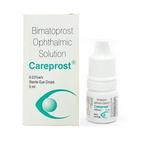
These drops gained immense popularity, demonstrating an incredibly fast and always noticeable result since its application. This innovative means will allow you to give your eyelashes an ideal look, strength and health, in whatever serious condition they are before the moment of its application. It is safe and effective providing amazing results.
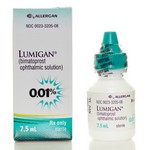
This means is prescribed to reduce eye pressure. Its active ingredient is synthetic prostaglandin bimatoprost – an unsaturated fatty acid, similar in its properties to hormones. Getting into the eye, drops help maintain the balance of the flow and outflow of eye fluid. It is a violation of this balance that leads to an increase in pressure, due to which the blood supply to the eye is impaired and the load on the optic nerve increases.

Bimatoprost reduces IOP in humans by increasing the outflow of aqueous humor through the trabecular meshwork and uveoscleral outflow. IOP reduction begins about 4 hours after the first use. The maximum effect is achieved after about 8–12 hours. The effect lasts for at least 24 hours.
Best practices for using eye drops with contact lenses
Instructions for using different types of eye drops with contacts
When using eye drops with contact lenses, it is important to follow the instructions provided by your eye care professional or the manufacturer of the eye drops. Different types of eye drops may require different application techniques. Here are some general guidelines:
– Allergy eye drops: If you are using antihistamine eye drops for allergies, make sure to apply the drops before inserting your contact lenses. Wait at least 10-15 minutes after applying the drops before putting your contacts in. This will allow the drops to fully absorb into your eyes and minimize any potential interaction between the drops and your lenses.
– Eye drops for dilated pupils: Eye drops used to dilate pupils should not be used with contact lenses. These drops can cause the lenses to become tight and uncomfortable. If you need to have your pupils dilated, it is best to remove your contact lenses before using the drops.
– Eye drops for glaucoma: If you are prescribed dorzolamide eye drops for glaucoma and also wear contact lenses, it is important to consult with your eye care professional. They will advise you on the best course of action, as dorzolamide eye drops can sometimes cause discomfort when used with contacts. Your eye care professional may suggest alternative treatments or specific contact lens brands that are more compatible with the eye drops.
– Eye drops for dry eyes: When using naca eye drops for dry eyes with contact lenses, follow the instructions provided by your eye care professional or the manufacturer. Some eye drops may need to be instilled while wearing your contacts, while others may require you to remove your lenses before application.
Proper storage and handling of eye drops
To ensure the effectiveness and safety of eye drops, it is important to store and handle them correctly. Here are some tips:
– Store eye drops according to the instructions on the packaging. Some eye drops may require refrigeration, while others can be stored at room temperature. Make sure to check the label for specific storage instructions.
– Keep the eye dropper clean and avoid touching it with your hands or any other surfaces. Contaminated droppers can introduce bacteria into the eye drops, increasing the risk of infection.
– After using the eye drops, make sure to tightly close the bottle to prevent contamination and maintain the potency of the medication.
– Avoid sharing your eye drops with others, as this can also lead to contamination and potential eye infections.
Tips for preventing contamination and ensuring safety
When using eye drops with contact lenses, it is important to take precautions to prevent contamination and ensure the safety of your eyes. Here are some tips:
– Wash your hands thoroughly with soap and water before handling your contact lenses or applying eye drops. This helps to minimize the risk of introducing bacteria or other contaminants into your eyes.
– Make sure to properly clean and disinfect your contact lenses as directed by your eye care professional. This helps to remove any buildup of bacteria, debris, or residue that can interfere with the effectiveness of the eye drops.
– Avoid touching the tip of the eye drop bottle or dropper to any surfaces or your eyes. This can introduce bacteria into the bottle, increasing the risk of contamination.
– If you experience any discomfort, redness, or irritation after using eye drops with contacts, remove your lenses and seek professional advice. These symptoms may indicate an adverse reaction or infection, and it is important to have your eyes examined by a qualified eye care professional.
By following these best practices, you can safely and effectively use eye drops with contact lenses. Remember to consult with your eye care professional if you have any specific concerns or questions about using eye drops with your contact lenses. Your eye care professional will provide personalized guidance based on your eye health and the type of eye drops you are using.
Potential risks and considerations when using eye drops with contacts
Using eye drops with contact lenses can come with potential risks and considerations. It is important to be aware of these risks and take precautions to ensure the safety and effectiveness of the eye drops. Here are some key points to consider:
Increased risk of eye irritation, discomfort, and allergic reactions
Some eye drops may contain ingredients that can cause irritation or discomfort when used with contact lenses. This can include preservatives, which are commonly found in eye drops to prevent bacterial growth. Preservatives can build up on the surface of contact lenses and cause irritation or discomfort.
Additionally, certain individuals may be allergic to the ingredients in eye drops, which can cause an allergic reaction when used with contact lenses.
To minimize the risk of eye irritation, discomfort, and allergic reactions:
– Consult with an eye care professional before using any eye drops with contact lenses. They can provide guidance on which eye drops are safe to use and recommend alternatives if necessary.
– Follow the instructions on the eye drop packaging carefully. This includes not exceeding the recommended dosage and applying drops as directed.
– If you experience any persistent or severe eye irritation or discomfort after using eye drops with contacts, remove your contact lenses and contact your eye care professional immediately.
Potential interactions between contact lens materials and eye drop ingredients
Certain eye drop ingredients may interact with contact lens materials, potentially causing damage or affecting the performance of the lenses. For example, some eye drops that contain oil-based ingredients can adhere to certain types of contact lenses, leading to cloudiness or reduced vision.
To prevent potential interactions:
– Inform your eye care professional about the specific type and material of your contact lenses. They can advise you on which eye drops are compatible with your lenses.
– If using oil-based eye drops, wait at least 15 minutes after applying the drops before inserting your contact lenses. This will allow the drops to fully absorb and minimize the risk of them adhering to the lenses.
Alternative treatment options for specific eye conditions
In some cases, contact lens wear may not be compatible with certain eye conditions or treatments. For example, individuals with severe dry eye syndrome may require specific eye drop treatments that are not recommended for use with contact lenses.
If you have a specific eye condition that requires treatment, consult with your eye care professional to determine if there are alternative treatment options available that are compatible with contact lens wear. They can provide guidance on the best course of action to maintain your eye health while also using contact lenses.
It is important to prioritize your eye health and seek professional advice from an eye care professional whenever using any eye drops with contact lenses. They can help ensure that you are using the appropriate eye drops and following proper guidelines to minimize the risks and maximize the benefits of using eye drops with contacts.
Common Misconceptions about Using Eye Drops with Contact Lenses
Using eye drops with contact lenses can be a common practice for individuals who wear contacts. However, there are several misconceptions and myths that surround the use of eye drops in conjunction with contact lenses. It is important to dispel these misconceptions and provide accurate information to ensure the proper care and maintenance of both the eyes and the contact lenses.
Myth 1: All Eye Drops are Safe for Use with Contacts
One common misconception is that all eye drops are safe to use with contact lenses. This is not true. While some eye drops are specifically designed for use with contact lenses, others may contain ingredients that can cause discomfort or damage the lenses. It is crucial to read the labels of eye drops carefully and look for indications that they are safe for use with contacts. If unsure, it is always best to consult with an eye care professional.
Myth 2: It is Safe to Use Any Type of Eye Drops with Contacts
Similar to the first misconception, some individuals believe that any type of eye drops can be used with contact lenses. However, certain types of eye drops, such as those for dilated pupils or for treating glaucoma, may not be compatible with contacts. These eye drops can contain medications that may interact or be absorbed by the lenses, leading to potential complications. It is essential to consult with an eye care professional before using any eye drops that are not specifically formulated for contact lens use.
Myth 3: Eye Drops Can Be Used Without Removing the Contacts
Some individuals may believe that they can simply apply eye drops while wearing their contact lenses without the need to remove them. This is a misconception that can lead to ineffective treatment and potential harm to the eyes. In most cases, it is necessary to remove the contact lenses before applying eye drops. This allows the drops to make direct contact with the eye and ensures proper absorption and effectiveness. After applying the eye drops, wait for the recommended duration before reinserting the contacts.
Myth 4: All Eye Drops Provide Immediate Relief
Many people assume that using eye drops will provide immediate relief from dryness, allergies, or other eye conditions. While eye drops can provide relief, it is important to understand that the effects may not be instantaneous. Some eye drops may take time to work, and consistent and proper use is key to experiencing the desired results. It is essential to follow the instructions provided with the eye drops and consult with an eye care professional if there is no improvement or if symptoms worsen.
By addressing these common misconceptions, individuals can make more informed decisions when it comes to using eye drops with contact lenses. It is crucial to prioritize eye health and consult with a professional to ensure the safety and effectiveness of any eye drop treatments.
Conclusion and Final Tips for Using Eye Drops with Contacts
In conclusion, using eye drops with contact lenses requires proper care and attention to maintain optimal eye health. By following the guidelines and consulting with an eye care professional, individuals can safely and effectively use eye drops while wearing their contacts.
Here are some final tips to keep in mind when using eye drops with contacts:
1. Consult with an eye care professional: Before using any type of eye drops with contacts, it is important to consult with your eye doctor or optometrist. They can provide personalized guidance based on your specific needs and help you choose the most suitable eye drops for your condition.
2. Follow the instructions: Each type of eye drop may have specific instructions for use with contact lenses. It is essential to read and follow these instructions carefully to ensure safety and effectiveness. Failure to do so may result in discomfort or complications.
3. Remove your contacts before applying eye drops: In general, it is recommended to remove your contact lenses before applying eye drops. This allows the drops to effectively reach your eyes and avoids the risk of contamination or reactions between the eye drops and your contact lenses.
4. Properly reinsert your contacts after applying eye drops: After applying the eye drops and allowing them to take effect, make sure to wash your hands thoroughly and properly reinsert your contact lenses. Avoid touching the tip of the eye drop bottle or any other surfaces that may cause contamination.
5. Store eye drops correctly: Eye drops should be stored according to the specific instructions on the packaging. Some eye drops require refrigeration, while others should be kept at room temperature. Following the recommended storage guidelines will help maintain the effectiveness of the eye drops.
6. Prevent contamination: To ensure the safety of using eye drops with contacts, it is important to prevent contamination. Avoid touching the tip of the eye drop bottle with your hands or any other objects. Additionally, make sure to close the bottle tightly after use to minimize the risk of bacterial contamination.
Remember, if you experience any persistent discomfort, redness, or other concerning symptoms after using eye drops with your contacts, it is crucial to seek professional help immediately. Your eye care professional can evaluate your condition and provide appropriate treatment.
Prioritizing your eye health and following proper guidelines for using eye drops with contacts will help you maintain optimal vision and comfort. Always consult with an eye care professional for personalized advice and recommendations for your specific needs.