Using Eye Drops with Contact Lenses
Many people who wear contact lenses may wonder if it is safe to use eye drops while wearing their contacts. The answer to that question depends on the type of eye drops and the specific contact lenses being used.
Contact Lens Solutions vs. Eye Drops
It is important to differentiate between contact lens solutions and eye drops. Contact lens solutions are specifically designed to clean, disinfect, and store contact lenses. They are not meant to be used as eye drops for lubrication or redness relief.
On the other hand, eye drops are designed to treat various eye conditions such as dryness, redness, allergies, or infections. They offer temporary relief and should not be used as a substitute for contact lens solutions.
Using Lubricating Eye Drops with Contacts
- When it comes to lubricating eye drops, also known as artificial tears, it is generally safe to use them with contact lenses.
- However, it is best to choose preservative-free eye drops, as some preservatives can potentially build up on the lenses and cause irritation or discomfort.
- Prior to using the eye drops, it is recommended to remove the contact lenses and wait for at least 15 minutes before reinserting them. This allows the eye drops to properly lubricate the eyes without the presence of lenses.
- If immediate relief is needed, individuals can use lubricating eye drops that are specifically designed for use with contact lenses. These types of eye drops are safe to use while wearing contacts.
Avoiding Certain Eye Drops with Contacts
While lubricating eye drops are generally safe to use with contacts, it is important to avoid certain types of eye drops that can damage or cloud the lenses. These include:
- Eye drops with active ingredients such as antihistamines or vasoconstrictors (found in many redness relief eye drops), as they can cause the lenses to become hazy or discolored.
- Eye drops that contain oils or ointments, as these can adhere to the lens surface and interfere with vision.
- Eyedrops with strong preservatives, as mentioned earlier, can potentially cause discomfort or irritation when used with contacts.
It is always best to consult with an eye care professional before using any eye drops with contact lenses. They can provide personalized recommendations based on individual eye health and contact lens type.
Side effects of using Travatan eye drops
Travatan eye drops are a prescription medication used to treat high eye pressure in patients with glaucoma or ocular hypertension. While they are generally safe and effective, there are some potential side effects that users should be aware of.
Common side effects of Travatan eye drops
According to the prescribing information, the most common side effects of using Travatan eye drops include:
- Increased iris pigmentation: Travatan may gradually change the color of the iris, making it appear darker over time. This side effect is more common in patients with mixed-colored irises.
- Eye redness: Some users may experience redness in the eyes after using Travatan eye drops. This is usually mild and temporary.
- Eye itching or discomfort: Itching or discomfort in the eyes may occur as a result of using Travatan eye drops. This side effect is typically mild and goes away on its own.
- Eye dryness or tearing: Travatan can sometimes cause dryness or tearing of the eyes. This side effect is usually temporary and resolves with continued use.
- Blurred vision: Blurred vision may occur after using Travatan eye drops. It is important to wait until your vision clears before driving or operating machinery.
Steps to take if experiencing side effects from using Travatan eye drops
If you experience any side effects from using Travatan eye drops, it is important to notify your healthcare provider. They can assess your symptoms and determine the best course of action. In some cases, they may recommend discontinuing the use of Travatan or adjusting the dosage.
It is also recommended to read the medication’s patient information leaflet for more detailed information about potential side effects and what to do if they occur.
It is important to remember that not all users will experience side effects from using Travatan eye drops. Each individual is unique, and the response to medication can vary.
The Importance of Using Eye Drops for Pink Eye
Pink eye, also known as conjunctivitis, is a common eye condition that can cause redness, itching, and discharge in the eyes. It can be caused by allergies, bacterial or viral infections, or irritants like smoke or chemicals.
Using eye drops for pink eye is crucial for relieving symptoms and promoting healing. Eye drops can help soothe the eyes, reduce inflammation, and fight off infection. They can also help flush out irritants and remove debris from the eyes.
The Most Effective Eye Drops for Treating Pink Eye
When it comes to choosing eye drops for pink eye, it’s important to use the right type of drops for the specific cause of the condition:
- Antibiotic eye drops: If the pink eye is caused by a bacterial infection, antibiotic eye drops are typically prescribed. These drops contain medications that can kill the bacteria and alleviate the symptoms. It’s important to follow the prescribed dosage and duration of use for the antibiotic drops.
- Antihistamine eye drops: If the pink eye is caused by allergies, antihistamine eye drops can provide relief from itching, redness, and inflammation. These drops work by blocking the action of histamines, which are chemicals released by the body in response to an allergen.
- Viral conjunctivitis: Currently, there are no specific antiviral eye drops available for treating viral conjunctivitis. In most cases, the infection clears up on its own within a few days to a week. However, lubricating eye drops can be used to relieve symptoms such as dryness and discomfort.
- Preservative-free eye drops: For individuals who are sensitive to preservatives or have chronic pink eye, preservative-free eye drops may be recommended. These drops come in single-use vials or individual ampules and do not contain preservatives that can irritate the eyes.
It’s important to consult with an eye care professional to determine the underlying cause of pink eye and to get appropriate treatment. They can recommend the most suitable eye drops based on the specific condition and symptoms.
According to a study published in the Journal of Ophthalmic Epidemiology, approximately 60% of conjunctivitis cases are caused by viruses, while bacterial infections account for about 30% of cases. Allergic conjunctivitis makes up the remaining 10% of cases.
Using eye drops correctly is essential for maximum effectiveness and safety. Here are some tips for using eye drops for pink eye:
- Wash your hands thoroughly before applying eye drops.
- Tilt your head back and pull down your lower eyelid to create a small pocket.
- Squeeze the prescribed number of drops into the pocket created by your lower eyelid.
- Avoid touching the tip of the eye drop bottle to your eye or any other surface to prevent contamination.
- Close your eyes gently and blink a few times to distribute the drops evenly.
- Follow any additional instructions given by your eye care professional.
It’s important to continue using the eye drops as prescribed, even if the symptoms improve. This helps ensure complete recovery and prevents the recurrence of pink eye.
In conclusion, using the right eye drops for pink eye is crucial for relieving symptoms, treating the underlying cause, and promoting healing. Consulting an eye care professional and following their instructions is essential for effective and safe use of eye drops. Remember to always practice good hygiene when using eye drops and to seek medical attention if the symptoms worsen or persist.

Bimat eye drops are used to treat hypotrichosis, short, weak eyelashes. Bimat increases the length, thickness and enhances the color of eyelashes. These substances are also used to lower intraocular pressure in patients with a diagnosis of glaucoma. By reducing the pressure, the risk of blindness is significantly decreased.
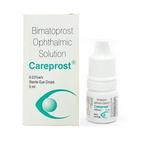
These drops gained immense popularity, demonstrating an incredibly fast and always noticeable result since its application. This innovative means will allow you to give your eyelashes an ideal look, strength and health, in whatever serious condition they are before the moment of its application. It is safe and effective providing amazing results.
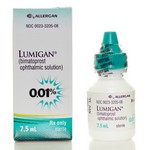
This means is prescribed to reduce eye pressure. Its active ingredient is synthetic prostaglandin bimatoprost – an unsaturated fatty acid, similar in its properties to hormones. Getting into the eye, drops help maintain the balance of the flow and outflow of eye fluid. It is a violation of this balance that leads to an increase in pressure, due to which the blood supply to the eye is impaired and the load on the optic nerve increases.

Bimatoprost reduces IOP in humans by increasing the outflow of aqueous humor through the trabecular meshwork and uveoscleral outflow. IOP reduction begins about 4 hours after the first use. The maximum effect is achieved after about 8–12 hours. The effect lasts for at least 24 hours.
How to Use Hyaline Eye Drops
Hyaline eye drops are a popular choice for individuals looking to maintain their eye health. These drops contain hyaluronic acid, a substance naturally found in the human body that helps lubricate and moisturize the eyes. Using hyaline eye drops correctly is essential to ensure their effectiveness. Here is a step-by-step guide on how to properly use hyaline eye drops:
- Wash your hands thoroughly with soap and water before handling the eye drops. This will help prevent the introduction of any bacteria or dirt into the eye.
- Gently shake the bottle of hyaline eye drops to ensure the solution is well-mixed.
- Tilt your head back and look up toward the ceiling. Using your index finger, carefully pull down your lower eyelid to create a small pocket.
- Hold the bottle of eye drops upside down, directly over the eye. Try to avoid touching the tip of the bottle to your eye or eyelashes, as this can introduce bacteria into the solution.
- Squeeze the bottle gently to release one or two drops into the pocket created by your lower eyelid. Be careful not to blink or squeeze too hard, as this can cause the eye drops to spill out of the eye.
- Release your lower eyelid and close your eye gently. Avoid rubbing your eye after applying the eye drops, as this can disrupt the distribution of the solution across the eye’s surface.
- If using the eye drops in both eyes, repeat the same steps for the other eye.
- After using the eye drops, replace the cap tightly on the bottle to prevent contamination.
Using hyaline eye drops regularly as directed can help keep your eyes moisturized and alleviate dryness or discomfort. It is important to follow the instructions provided by your eye care professional or the product packaging. If you have any concerns or experience any adverse reactions, consult with your eye care professional immediately.
Canine Serum Eye Drops for Dogs: The Benefits and Proper Administration
The Benefits of Using Canine Serum Eye Drops for Dogs
Canine serum eye drops offer several benefits when it comes to maintaining the health of your furry friend’s eyes. These drops are specifically formulated to provide relief from various eye conditions and promote overall eye health in dogs. Some of the key benefits include:
- Relief from Dryness and Irritation: Canine serum eye drops can help alleviate symptoms of dry and itchy eyes in dogs. They provide a soothing effect and promote proper lubrication, reducing discomfort and irritation.
- Treatment for Conjunctivitis: Conjunctivitis, or pink eye, is a common eye condition in dogs. Canine serum eye drops can be effective in treating this condition by reducing inflammation, redness, and discharge.
- Support for Corneal Healing: Dogs may experience corneal abrasions or ulcers, which can be painful and slow to heal. Canine serum eye drops contain growth factors that aid in the healing process and promote the regeneration of healthy corneal tissue.
- Protection for Aging Eyes: As dogs age, they may develop conditions like cataracts or age-related macular degeneration. Canine serum eye drops can help protect and nourish aging eyes, potentially slowing down the progression of these conditions.
How to Administer Canine Serum Eye Drops to Dogs Effectively
Proper administration of canine serum eye drops is essential to ensure maximum effectiveness. Here is a step-by-step guide on how to administer these eye drops to your furry friend:
- Prepare: Wash your hands thoroughly before handling the drops and make sure the dropper tip does not touch any surfaces to maintain hygiene.
- Hold Steady: Gently restrain your dog and ensure they are in a comfortable and secure position.
- Open the Eye: Gently lift your dog’s upper eyelid to expose the eye’s surface.
- Apply Drops: Holding the dropper vertically, carefully squeeze a drop of the canine serum eye drops onto the inside corner of your dog’s eye. Avoid touching the dropper to the eye’s surface.
- Blinking and Absorption: Allow your dog to blink or gently close the eye to help spread the drops across the entire eye surface. The drops will be absorbed naturally.
- Reward and Praise: After administering the drops, reward your dog with a treat or praise to create a positive association with the process.
It is important to follow the recommended dosage and frequency as instructed by your veterinarian. If you have any concerns or questions about administering canine serum eye drops, consult your veterinarian for guidance.
References:
– American Kennel Club: www.akc.org
– Veterinary Ophthalmology: www.onlinelibrary.wiley.com
Alternatives to traditional eye drops
While traditional eye drops are often the go-to solution for treating various eye conditions, there are a number of alternative options available that may be worth exploring. These alternatives can offer different benefits and cater to specific needs. In this section, we will discuss some of the alternative methods for treating eye conditions without relying solely on traditional eye drops.
1. Home remedies
Many people turn to home remedies as a natural alternative to traditional eye drops. These remedies often involve using common household items that are known for their soothing and anti-inflammatory properties. Some popular options include:
- Warm compresses: Applying warm compresses to the eyes can help relieve dryness, itching, and redness.
- Cucumber slices: Placing cool cucumber slices on closed eyes can reduce swelling and puffiness.
- Tea bags: Applying moistened tea bags (such as chamomile or green tea) to the eyes can help reduce inflammation and soothe irritated eyes.
- Saline solution: A homemade saline solution made of salt and water can be used to flush out irritants and cleanse the eyes.
2. Nutritional supplements
Another alternative to traditional eye drops is the use of nutritional supplements specifically formulated to support eye health. These supplements often contain vitamins, minerals, and antioxidants that are beneficial for maintaining the overall health of the eyes. Some popular ingredients found in these supplements include:
- Vitamin C: Vitamin C is known for its antioxidant properties and its role in supporting collagen production in the eyes.
- Vitamin E: Vitamin E helps protect the cells in the eyes from damage caused by free radicals.
- Lutein and zeaxanthin: These antioxidants are found in high concentrations in the retina and may help reduce the risk of age-related macular degeneration.
- Omega-3 fatty acids: Omega-3 fatty acids have anti-inflammatory properties and may help reduce dry eye symptoms.
3. Eye therapies
Eye therapies, such as warm eye mask treatments or light therapy, can provide relief for certain eye conditions without the need for traditional eye drops. These therapies work by targeting specific issues and promoting healing in the eyes. Some examples of eye therapies include:
- Warm eye mask treatments: Applying a warm eye mask can help improve blood circulation and relieve dryness or discomfort in the eyes.
- Light therapy: Light therapy, also known as phototherapy, uses specific wavelengths of light to stimulate cellular activity in the eyes and promote healing.
- Acupuncture: Acupuncture may be used in conjunction with other treatments to relieve eye strain and reduce symptoms of dry eyes.
While alternative methods can be beneficial for certain individuals, it is important to consult with an eye care professional before trying any new treatment or supplement. They can provide guidance based on your specific condition and help determine the most appropriate course of action.
Tips for Proper Eye Drops Usage
Using eye drops correctly is essential for their effectiveness and your eye health. Here are some expert tips to ensure you are using eye drops properly:
1. Wash your hands:
Before using eye drops, it is crucial to wash your hands thoroughly with soap and water. This helps to prevent any dirt or bacteria from transferring into your eyes.
2. Read the instructions:
Always read the instructions provided with your eye drops. Each type of eye drop may have specific guidelines on usage and dosage, so make sure to follow them carefully.
3. Check expiration date:
Expired eye drops may not be as effective or could potentially cause harm. Always check the expiration date on the bottle before using the eye drops, and discard any expired ones.
4. Tilt your head back:
When applying eye drops, tilt your head back slightly and look up towards the ceiling. This helps to create a larger surface area for the eye drops to make contact with your eyes.
5. Avoid touching the dropper:
To maintain hygiene, avoid touching the dropper tip of the eye drop bottle against any surface or your eye. Touching it can introduce bacteria, increasing the risk of infection.
6. Place drops in the right spot:
Gently pull down your lower eyelid to create a small pocket. Place the prescribed number of drops into this pocket, aiming for the inner corner of the eye. Avoiding blinking for a few seconds allows the drops to spread evenly.
7. Don’t skip the wait time:
Some eye drops require a waiting period before applying another medication or inserting contact lenses. It is important to follow the instructions and wait the recommended time before proceeding with the next step.
8. Close your eyes gently:
After applying the eye drops, close your eyes gently for a minute or two. This allows the drops to distribute evenly across the surface of your eyes and enhances their absorption.
9. Store eye drops appropriately:
To maintain the effectiveness of your eye drops, store them according to the instructions provided. Some eye drops need refrigeration, while others should be kept at room temperature. Follow the storage guidelines to prevent degradation.
10. Avoid sharing:
Eye drops are typically formulated for specific eye conditions and individuals. Never share your eye drops with someone else, as it may lead to cross-contamination or inadequate treatment.
Following these tips can help ensure the proper usage of eye drops and promote better eye health. If you have specific concerns or questions about using eye drops, consult with your eye care professional for personalized advice.