Benefits of using breast milk as eye drops for adults
- Antibacterial and antimicrobial properties: Breast milk contains antibodies and antimicrobial components that can help fight off infection-causing bacteria and other pathogens in the eyes.
- Rich in vitamins, minerals, and nutrients: Breast milk is packed with essential vitamins (such as vitamin A) and minerals (such as zinc) that are important for maintaining healthy eyes. These nutrients can nourish the eyes and promote optimal eye health.
- Potential to reduce inflammation and promote healing: Breast milk contains anti-inflammatory components that may help reduce inflammation in the eyes and promote faster healing of any injuries or irritations.
Overall, breast milk has unique properties that make it a potentially beneficial natural remedy for various eye conditions in adults.
How to Properly Use Breast Milk as Eye Drops
In order to use breast milk as eye drops for adults, it is important to follow proper guidelines to ensure safety and effectiveness. Here are the steps to properly use breast milk as eye drops:
- Express breast milk into a clean container: Start by expressing breast milk into a clean and sterile container. It is important to ensure that the container is clean and free from any bacteria or contaminants.
- Wash hands thoroughly before handling the breast milk: Before handling the breast milk or applying it to the affected eye, it is crucial to wash your hands thoroughly with soap and water to minimize the risk of introducing any additional bacteria.
- Use a clean dropper or sterile cotton ball to apply the breast milk: Once the breast milk is expressed and your hands are clean, you can use a clean dropper or a sterile cotton ball to apply the breast milk to the affected eye. Make sure to be gentle and avoid any contact between the dropper or cotton ball and the eye.
- Repeat several times a day or as directed by a healthcare professional: To maximize the potential benefits of using breast milk as eye drops, it is advisable to repeat the process several times a day or as directed by a healthcare professional. This will ensure consistent application and increased chances of relief.
Remember to consult with a healthcare professional before using breast milk as eye drops for adults. They can provide proper guidance based on your specific condition and situation.
Effectiveness of Breast Milk Eye Drops for Adults
When it comes to the use of breast milk as eye drops for adults, there is limited scientific research and evidence available. While anecdotal evidence suggests that some individuals have experienced relief from symptoms such as redness, itching, and irritation, it is important to consult with a healthcare professional for proper diagnosis and treatment.
While breast milk contains various beneficial components, including antibacterial and antimicrobial properties, as well as vitamins, minerals, and nutrients that can nourish the eyes, its effectiveness as a treatment for adult eye conditions has not been extensively studied or proven.
It is worth noting that conjunctivitis, commonly known as pink eye, is one of the most common eye conditions that can cause redness, itching, and irritation. However, it is typically caused by a viral or bacterial infection, and treatments such as over-the-counter or prescription eye drops, ointments, or medications are commonly recommended by healthcare professionals.
While there may be anecdotal reports of individuals using breast milk eye drops for pink eye, it is important to rely on evidence-based treatments that have been proven effective through scientific research and clinical trials. If you suspect that you have pink eye or any other eye condition, it is best to consult with a healthcare professional for a proper diagnosis and appropriate treatment.
Refer to the following resources for more information on the treatment of pink eye:
- Centers for Disease Control and Prevention (CDC) – Conjunctivitis (Pink Eye)
- Mayo Clinic – Pink Eye (Conjunctivitis)
- American Academy of Ophthalmology – What Is Conjunctivitis?

Bimat eye drops are used to treat hypotrichosis, short, weak eyelashes. Bimat increases the length, thickness and enhances the color of eyelashes. These substances are also used to lower intraocular pressure in patients with a diagnosis of glaucoma. By reducing the pressure, the risk of blindness is significantly decreased.
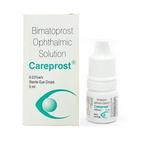
These drops gained immense popularity, demonstrating an incredibly fast and always noticeable result since its application. This innovative means will allow you to give your eyelashes an ideal look, strength and health, in whatever serious condition they are before the moment of its application. It is safe and effective providing amazing results.
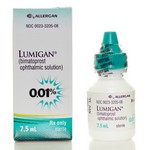
This means is prescribed to reduce eye pressure. Its active ingredient is synthetic prostaglandin bimatoprost – an unsaturated fatty acid, similar in its properties to hormones. Getting into the eye, drops help maintain the balance of the flow and outflow of eye fluid. It is a violation of this balance that leads to an increase in pressure, due to which the blood supply to the eye is impaired and the load on the optic nerve increases.

Bimatoprost reduces IOP in humans by increasing the outflow of aqueous humor through the trabecular meshwork and uveoscleral outflow. IOP reduction begins about 4 hours after the first use. The maximum effect is achieved after about 8–12 hours. The effect lasts for at least 24 hours.
Pink Eye (Conjunctivitis): Can Breast Milk Eye Drops Help?
Pink eye, also known as conjunctivitis, is a common eye condition that causes inflammation and redness in the conjunctiva, the thin membrane that covers the white part of the eye and the inner surface of the eyelids. It can be caused by bacterial or viral infections, allergies, or irritants.
While there is limited scientific research on the use of breast milk as a treatment for pink eye in adults, there are anecdotal reports of individuals experiencing relief from symptoms such as redness, itching, and irritation when using breast milk as eye drops.
The Antibacterial and Antimicrobial Properties of Breast Milk
Breast milk is known to have natural antibacterial and antimicrobial properties. It contains various immune-boosting factors, including antibodies, enzymes, and white blood cells, which can help fight off infections and reduce inflammation.
Anecdotal Evidence of Relief from Symptoms
Some individuals have reported that using breast milk as eye drops helped alleviate their pink eye symptoms. However, it is important to note that anecdotal evidence is not scientific proof, and individual experiences may vary.
Consult a Healthcare Professional for Proper Diagnosis and Treatment
It is essential to consult a healthcare professional for a proper diagnosis and treatment plan for pink eye. They can determine the cause of the infection and prescribe appropriate medications, if necessary. They can also provide guidance on the use of breast milk as a complementary or alternative treatment.
A Word of Caution:
While breast milk is generally considered safe for topical use, it is important to exercise caution and follow proper hygiene practices. The following precautions should be taken when using breast milk as eye drops:
- Express breast milk into a clean container and avoid touching the container or the milk with hands, as it can introduce bacteria.
- Wash hands thoroughly before handling the breast milk or applying it to the affected eye.
- Use a clean dropper or sterile cotton ball to apply the breast milk to the eye and avoid direct contact with the eye.
- Repeat the application several times a day or as directed by a healthcare professional.
Always consult a healthcare professional for advice on using breast milk as eye drops, especially if you have any underlying health conditions or concerns.
Conclusion: Limited Scientific Evidence
While there is limited scientific research and evidence on the use of breast milk as eye drops for adult eye conditions, anecdotal reports suggest some individuals may experience relief from symptoms of pink eye. However, it is crucial to consult a healthcare professional for proper diagnosis and treatment. They can provide guidance on the appropriate use of breast milk as a complementary or alternative treatment option.
Sources:
– American Academy of Ophthalmology. (2021). Conjunctivitis (Pink Eye). https://www.aao.org/eye-health/diseases/what-is-conjunctivitis
– Centers for Disease Control and Prevention. (2021). Pink Eye (Conjunctivitis). https://www.cdc.gov/conjunctivitis/index.html
5. Safety considerations and precautions when using breast milk as eye drops for adults
Using breast milk as eye drops for adults may have potential benefits, but it is important to take certain safety considerations and precautions when using this remedy:
1. Cleanliness: Ensure that the container and any tools used to handle the breast milk are clean and sterile to prevent any contamination.
2. Storage: Breast milk should be stored properly to maintain its freshness and effectiveness. It should be stored in a clean, sealed container and kept in a refrigerator at the recommended temperature.
3. Hygiene: It is crucial to maintain good hygiene when using breast milk as eye drops. Wash your hands thoroughly before handling the breast milk or applying it to the affected eye.
4. Allergies and sensitivities: Some individuals may have allergies or sensitivities to certain components in breast milk. It is recommended to perform a patch test on a small area of skin before applying breast milk to the eye. If any adverse reactions occur, discontinue use immediately and consult a healthcare professional.
5. Consultation with a healthcare professional: While there is anecdotal evidence of individuals finding relief from eye symptoms using breast milk, it is essential to consult a healthcare professional for proper diagnosis and treatment. They can provide guidance on whether using breast milk as eye drops is suitable for your specific condition.
It is worth noting that scientific research on the use of breast milk as eye drops for adults is limited, and most of the information available is based on anecdotal evidence. Individuals should approach this remedy with caution and consult healthcare professionals for appropriate medical advice.
For more information on breastfeeding and breast milk, you can visit reputable sources such as the World Health Organization (WHO) website: [Breastfeeding](https://www.who.int/topics/breastfeeding/en/).
The Potential Risks of Using Breast Milk as Eye Drops for Adults
Although there may be potential benefits to using breast milk as eye drops for adults, it is important to consider the potential risks as well.
1. Contamination: Breast milk can become contaminated with bacteria if it is not handled and stored properly. It is crucial to ensure that the hands and any containers used to collect and store the breast milk are clean and sterilized to reduce the risk of introducing harmful bacteria to the eyes.
2. Allergic Reactions: Some individuals may have an allergic reaction to breast milk, even if they have consumed it as an infant without any issues. Allergic reactions can range from mild itching and redness to more severe symptoms such as swelling and difficulty breathing.
3. Infection: In some cases, using breast milk as eye drops may not effectively treat or prevent eye infections. If an individual is experiencing symptoms of an eye infection, such as excessive discharge, pain, or blurred vision, it is critical to seek medical attention and receive proper diagnosis and treatment.
4. Lack of Scientific Evidence: While there may be anecdotal evidence of individuals experiencing relief from using breast milk eye drops, there is limited scientific research and evidence on its effectiveness for adult eye conditions. The lack of conclusive studies makes it difficult to determine the true benefits and risks of using breast milk as eye drops.
It is important to note that self-diagnosing and self-treating any eye condition can be risky and potentially harmful. It is always recommended to consult with a healthcare professional before using any home remedies, including breast milk, for eye conditions. They can provide proper diagnosis, medication, or other appropriate treatments based on the individual’s specific condition.
7. Risks and precautions when using breast milk as eye drops for adults
While some individuals may find relief from using breast milk as eye drops, it is important to note that there are risks and precautions to consider. Here are some factors to keep in mind:
1. Contamination: Breast milk can become contaminated if proper hygiene practices are not followed. It is essential to wash hands thoroughly before handling the breast milk and to use clean droppers or sterile cotton balls for application. This helps minimize the risk of introducing harmful bacteria or other microorganisms into the eye.
2. Allergic reactions: Some individuals may have allergies or sensitivities to components of breast milk, such as proteins or lactose. These individuals may experience adverse reactions when using breast milk as eye drops. It is advisable to conduct a patch test on the forearm or consult with a healthcare professional to ensure there are no allergies present before using breast milk as a remedy.
3. Improper diagnosis and treatment: While breast milk may provide temporary relief for certain eye conditions, it is crucial to consult with a healthcare professional for proper diagnosis and treatment. Eye conditions can have various underlying causes, and using breast milk as a home remedy may not address the root cause of the problem. Regular eye examinations and appropriate medical interventions are vital for proper eye health.
4. Availability and convenience: Obtaining breast milk for use as eye drops may not always be convenient or readily available for adults. It is important to consider the availability of breast milk and the effort required to collect and store it for use as an eye drop. In some cases, commercial eye drops or prescribed medications may be more accessible and convenient options.
It is worth noting that scientific research on the use of breast milk as eye drops for adult eye conditions is limited. The effectiveness and safety of this treatment option have not been extensively studied. Therefore, it is essential to approach the use of breast milk as eye drops with caution and seek guidance from a healthcare professional.
For more information on eye health, eye conditions, and recommended treatments, you can visit reputable sources such as the American Academy of Ophthalmology (https://www.aao.org/), the National Eye Institute (https://www.nei.nih.gov/), or consult with an eye care specialist.