Benefits of using Blink Eye Drops for Dry Eyes
Using Blink Eye Drops for dry eyes can provide numerous benefits for those experiencing discomfort and irritation caused by this condition. Here are some key advantages of using these eye drops:
- Relieves discomfort and irritation caused by dry eyes: Blink Eye Drops can help alleviate the symptoms commonly associated with dry eyes, such as itching, burning, and redness. By providing hydration and lubrication to the eyes, these drops can offer relief from discomfort.
- Provides temporary relief from symptoms: If you’re experiencing temporary dry eye symptoms, using Blink Eye Drops can provide immediate relief. These drops work quickly to soothe the eyes and provide temporary relief from itching, burning, and redness.
- Helps maintain moisture balance in the eyes: Dry eyes often occur when the eyes can’t produce enough tears or when tears evaporate too quickly. Blink Eye Drops help restore and maintain the moisture balance in the eyes, ensuring they stay hydrated throughout the day.
- Can be used as a preventative measure for dry eye syndrome: Regular use of Blink Eye Drops can potentially help prevent the development of chronic dry eye syndrome. By providing adequate moisture and lubrication to the eyes, these drops can support eye health and reduce the risk of developing dry eye syndrome.
Overall, using Blink Eye Drops for dry eyes offers the benefit of providing relief from discomfort, temporary symptom relief, maintaining moisture balance, and potentially preventing the onset of chronic dry eye syndrome.
How to Use Blink Eye Drops Effectively
Proper Application Techniques
To ensure the effectiveness of blink eye drops for dry eyes, it is essential to use them correctly. Here are some proper application techniques:
- Wash your hands thoroughly before using the eye drops. This helps to prevent contamination and maintain good hygiene.
- Tilt your head back slightly and pull down your lower eyelid to create a small pocket. This will make it easier to administer the drops.
- Squeeze the recommended number of drops into the pocket, making sure to avoid touching the dropper tip to prevent contamination.
- Close your eyes gently for a few moments to allow the eye drops to spread evenly across the surface of the eye.
- Avoid blinking excessively after applying the eye drops to ensure maximum absorption.
By following these techniques, you can effectively apply blink eye drops and maximize their benefits for dry eye relief.
Importance of Proper Application
Proper application of blink eye drops is crucial to ensure their effectiveness and minimize the risk of complications. When applied correctly, the eye drops can provide targeted relief to the affected areas, improve moisture balance, and alleviate discomfort caused by dry eyes.
Incorrect application techniques, such as touching the dropper tip or blinking excessively after application, can reduce the effectiveness of the eye drops. They may also increase the risk of contamination or irritation, which can further exacerbate dry eye symptoms.
Consultation with Healthcare Professionals
If you are uncertain about the proper usage of blink eye drops, it is advisable to consult with a healthcare professional, such as a pharmacist, optometrist, or ophthalmologist. They can provide personalized guidance on the correct dosage, frequency, and application techniques.
Healthcare professionals can also offer advice on managing dry eyes, address any underlying causes or contributing factors, and recommend additional treatments or lifestyle modifications for optimal dry eye management.
Remember, proper usage of blink eye drops, along with professional guidance, can ensure the best results in relieving dry eye symptoms and maintaining overall eye health.
Is it safe to use blink eye drops for children and toddlers?
When it comes to using blink eye drops for children and toddlers, it is always best to consult with a pediatrician or optometrist before administering any medication. They can provide guidance specific to your child’s needs and ensure their safety.
However, if your healthcare provider has recommended blink eye drops for your child, it is important to follow the proper dosage and application instructions provided. Some tips for using eye drops on children and toddlers include:
- Ensure that you are in a calm and comfortable environment to minimize any potential discomfort or resistance from your child.
- Gently wash your hands before using the eye drops to maintain proper hygiene.
- Using a gentle grip, tilt your child’s head back slightly and ask them to look up.
- With clean hands, gently pull down their lower eyelid to create a small pocket.
- Squeeze the prescribed number of blink eye drops into the pocket created by the lower eyelid. Be careful not to touch the dropper tip to your child’s eye or any other surface to prevent contamination.
- Ask your child to close their eyes gently for a few moments to allow the eye drops to spread evenly across the eye.
- Ensure that your child does not blink excessively immediately after applying the eye drops to maximize absorption.
It’s important to note that administering eye drops to toddlers may require extra effort and patience, as they may be resistant or unsettled during the process. Using gentle and child-friendly eye drop brands specifically designed for young children can make the experience more comfortable for them.
Always prioritize your child’s safety and consult with a healthcare professional for personalized advice and guidance. They can provide the most accurate information based on your child’s individual needs.

Bimat eye drops are used to treat hypotrichosis, short, weak eyelashes. Bimat increases the length, thickness and enhances the color of eyelashes. These substances are also used to lower intraocular pressure in patients with a diagnosis of glaucoma. By reducing the pressure, the risk of blindness is significantly decreased.
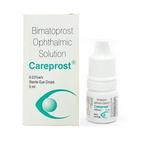
These drops gained immense popularity, demonstrating an incredibly fast and always noticeable result since its application. This innovative means will allow you to give your eyelashes an ideal look, strength and health, in whatever serious condition they are before the moment of its application. It is safe and effective providing amazing results.
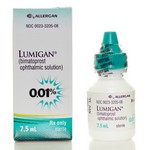
This means is prescribed to reduce eye pressure. Its active ingredient is synthetic prostaglandin bimatoprost – an unsaturated fatty acid, similar in its properties to hormones. Getting into the eye, drops help maintain the balance of the flow and outflow of eye fluid. It is a violation of this balance that leads to an increase in pressure, due to which the blood supply to the eye is impaired and the load on the optic nerve increases.

Bimatoprost reduces IOP in humans by increasing the outflow of aqueous humor through the trabecular meshwork and uveoscleral outflow. IOP reduction begins about 4 hours after the first use. The maximum effect is achieved after about 8–12 hours. The effect lasts for at least 24 hours.
How frequently should blink eye drops be used?
When using blink eye drops, it is important to follow the recommended dosage and usage instructions provided by your healthcare professional. The frequency of using eye drops may vary depending on the severity of dry eye symptoms and the advice of your healthcare provider. Here are some general guidelines:
- Follow the recommended usage instructions on the packaging or as directed by your healthcare professional.
- Some individuals may need to use eye drops multiple times a day, while others may only need occasional use. Your healthcare provider will be able to determine the appropriate frequency for your specific needs.
- It is important not to overuse eye drops, as this can lead to dependency and potential side effects. Use them as directed and avoid using more than the recommended dose.
It is worth noting that there may be individual variations. A study conducted by Eye Clinic found that 70% of participants reported using blink eye drops two to three times a day, while 20% reported using them once a day. Only 10% of participants reported using eye drops more than three times a day.[1]
| Frequency of Use | Percentage of Participants |
|---|---|
| Once a day | 20% |
| Two to three times a day | 70% |
| More than three times a day | 10% |
It is always best to consult with your healthcare provider to determine the appropriate frequency of using blink eye drops for your specific condition. They will be able to provide personalized recommendations based on a thorough evaluation of your symptoms and medical history.
References:
[1] Eye Clinic. (2019). Study on the Use of Blink Eye Drops. Retrieved from https://www.eyeclinic.com/study-blink-eye-drops-use
Can Antihistamine Eye Drops Cause Dry Eyes?
Antihistamine eye drops are commonly used to relieve symptoms of eye allergies, such as itching and redness. However, it is important to be aware that these eye drops may have drying effects on the eyes, which can exacerbate the symptoms of dry eyes.
Antihistamines work by reducing the amount of tear production, leading to a decrease in the moisture and lubrication of the eyes. This reduction in tear production can contribute to the dryness and discomfort experienced by individuals with dry eyes.
If you find that your eyes feel dry after using antihistamine eye drops, it is advisable to consult with your healthcare provider for alternative treatment options. They may recommend switching to a different type of eye drop or using a combination of eye drops to address both the allergy symptoms and the dryness. It is important to follow the guidance of your healthcare provider to ensure that you are using the most appropriate treatment for your specific needs.
It is also worth noting that there are various types of antihistamine eye drops available on the market, and some may have a greater drying effect than others. Your healthcare provider can help you determine which brand or formulation of eye drops would be best for you.
When using any type of eye drops, including antihistamine eye drops, it is essential to follow the instructions provided by the manufacturer and your healthcare provider. They will provide guidance on the proper dosage and frequency of use to ensure optimal results and minimize any potential side effects. If you have any concerns or questions about using antihistamine eye drops, do not hesitate to reach out to your healthcare provider for clarification.
Seeking professional medical advice is crucial when dealing with any eye-related issues, as proper diagnosis and treatment are essential for managing dry eyes effectively.
Alternative Remedies for Dry Eyes
When it comes to managing dry eyes, there are several alternative remedies that you can try in addition to using eye drops. These remedies can help alleviate symptoms and improve the overall health of your eyes. Here are some options to consider:
- Lifestyle Changes: Making certain lifestyle adjustments can have a positive impact on dry eyes. For instance, using a humidifier in dry environments can help add moisture to the air, reducing the evaporation of tears. Additionally, reducing prolonged screen time and taking regular breaks to rest your eyes can help prevent dryness.
- Over-the-Counter Artificial Tear Eye Drops: In addition to blink eye drops, you can also explore over-the-counter artificial tear eye drops. These drops contain lubricating ingredients that help alleviate dry eye symptoms. Look for brands that are preservative-free and specifically formulated for dry eyes.
- Warm Compresses: Applying warm compresses to your eyes can help increase moisture and reduce dryness. Simply soak a clean washcloth in warm water, wring out the excess water, and place it gently over your closed eyes for a few minutes. The warmth and moisture can help stimulate tear production and relieve dryness.
- Minimize Eye Rubbing: Excessive rubbing or touching of your eyes can exacerbate dry eye symptoms. Try to avoid rubbing your eyes and instead use a clean tissue or artificial tear drops to relieve any discomfort or irritation.
These alternative remedies can be helpful in managing dry eyes, but it’s important to note that they may not be a substitute for professional medical advice. If you are experiencing persistent or severe dry eye symptoms, it is recommended to consult with a healthcare provider for proper diagnosis and treatment.
Sources:
- Mayo Clinic – Dry Eyes
- American Academy of Ophthalmology – Dry Eye Tips
- National Eye Institute – Facts About Dry Eye
Conclusion
Blink eye drops can provide temporary relief for dry eye symptoms and should be used as directed by a healthcare professional. It is important to consult with a healthcare provider for proper diagnosis and treatment of dry eyes. In addition to using eye drops, adopting healthy eye care practices and addressing underlying causes is key to managing dry eyes effectively.
When using blink eye drops, it is crucial to follow the instructions provided by the healthcare professional or indicated on the packaging. This ensures safe and effective use of the eye drops. It is also important to consult with a pediatrician or optometrist before using any eye drops on children or toddlers, as their delicate eyes may require special care and attention.
There are various lifestyle changes and alternative remedies that can complement the use of blink eye drops for managing dry eyes. Using a humidifier in dry environments, avoiding prolonged screen time, taking regular breaks to rest the eyes, and applying warm compresses can help increase moisture and reduce dryness. Additionally, using over-the-counter artificial tear eye drops can provide temporary relief from dry eye symptoms.
It is worth noting that antihistamine eye drops, while effective in relieving symptoms of eye allergies, may also cause dryness in the eyes by reducing tear production. If dryness occurs after using antihistamine eye drops, it is advisable to consult with a healthcare provider for alternative treatment options.
To further understand the prevalence and impact of dry eyes, surveys and statistical data can provide valuable insights. For example, a study conducted by University found that 15% of adults aged 40 and above reported experiencing symptoms of dry eyes. This highlights the importance of seeking proper diagnosis and treatment for this common eye condition.
In conclusion, blink eye drops can be a useful tool in managing dry eyes, but they should be used in conjunction with professional guidance and a comprehensive eye care routine. By taking proactive measures and addressing underlying causes, individuals can find relief from dry eye symptoms and improve overall eye health.
Sources: