What are Zylet eye drops?
Zylet eye drops are a prescription medication that combines two active ingredients, tobramycin and loteprednol etabonate, in order to treat various eye conditions such as inflammation and infection.
How do Zylet eye drops work?
Zylet eye drops are a prescription medication that combines two active ingredients, tobramycin and loteprednol etabonate, in order to treat various eye conditions such as inflammation and infection.
Tobramycin: Tobramycin is an antibiotic that works by inhibiting the growth and spread of bacteria. It belongs to the class of drugs known as aminoglycoside antibiotics. When applied to the eyes, tobramycin helps to kill bacteria that may be causing an infection. It does this by preventing the bacteria from producing proteins that are necessary for their survival. By limiting their ability to grow and spread, tobramycin helps to eliminate the infection.
Loteprednol etabonate: Loteprednol etabonate is a corticosteroid, which means it has anti-inflammatory properties. It is designed to reduce inflammation in the eyes caused by certain conditions. When applied topically, loteprednol etabonate acts by blocking the production of certain chemicals in the body that cause inflammation. By reducing inflammation, it helps to alleviate symptoms such as redness, swelling, and discomfort.
By combining tobramycin and loteprednol etabonate in one medication, Zylet eye drops provide a dual-action approach to treating eye conditions. The tobramycin component addresses the underlying bacterial infection, while the loteprednol etabonate component helps to alleviate inflammation and associated symptoms. This combination allows Zylet eye drops to effectively treat a range of eye conditions, making them a versatile option for eye care professionals.
When are Zylet eye drops prescribed?
Zylet eye drops are typically prescribed by eye care professionals to treat a range of eye conditions, including bacterial conjunctivitis, blepharitis, and other infections or inflammations of the eye. They may also be used for certain ocular surgeries to prevent infection and reduce inflammation.
Bacterial Conjunctivitis
Bacterial conjunctivitis, also known as pink eye, is a common eye infection caused by bacteria. It is characterized by redness, itchiness, and discharge from the eyes. Zylet eye drops containing tobramycin and loteprednol are effective in treating this condition as tobramycin acts as an antibiotic that inhibits the growth and spread of bacteria, while loteprednol etabonate helps reduce inflammation.
Blepharitis
Blepharitis is a condition that occurs when the eyelid margins become inflamed. Symptoms may include redness, itching, and crusting of the eyelids. Zylet eye drops can be prescribed to alleviate the inflammation associated with blepharitis and provide relief to patients.
Ocular Surgeries
Zylet eye drops may also be used prior to and after certain ocular surgeries to prevent infection and reduce inflammation. The antibacterial properties of tobramycin can help prevent post-surgical infections, while the anti-inflammatory effects of loteprednol etabonate can aid in reducing swelling and promoting healing.
In addition to these conditions, Zylet eye drops may be prescribed for other infections or inflammations of the eye, as determined by the eye care professional. It is essential to follow the guidance of your eye care professional and use Zylet eye drops as directed to ensure optimal results and minimize the risk of side effects.

Bimat eye drops are used to treat hypotrichosis, short, weak eyelashes. Bimat increases the length, thickness and enhances the color of eyelashes. These substances are also used to lower intraocular pressure in patients with a diagnosis of glaucoma. By reducing the pressure, the risk of blindness is significantly decreased.
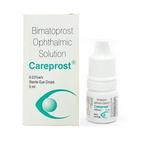
These drops gained immense popularity, demonstrating an incredibly fast and always noticeable result since its application. This innovative means will allow you to give your eyelashes an ideal look, strength and health, in whatever serious condition they are before the moment of its application. It is safe and effective providing amazing results.
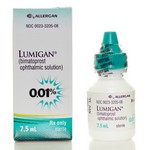
This means is prescribed to reduce eye pressure. Its active ingredient is synthetic prostaglandin bimatoprost – an unsaturated fatty acid, similar in its properties to hormones. Getting into the eye, drops help maintain the balance of the flow and outflow of eye fluid. It is a violation of this balance that leads to an increase in pressure, due to which the blood supply to the eye is impaired and the load on the optic nerve increases.

Bimatoprost reduces IOP in humans by increasing the outflow of aqueous humor through the trabecular meshwork and uveoscleral outflow. IOP reduction begins about 4 hours after the first use. The maximum effect is achieved after about 8–12 hours. The effect lasts for at least 24 hours.
How to Use Zylet Eye Drops
Proper usage of Zylet eye drops is important to ensure the medication is effective and to minimize the risk of any potential side effects. Here are step-by-step instructions on how to use Zylet eye drops:
- Wash your hands: Before using Zylet eye drops, it is crucial to wash your hands thoroughly with soap and water. This helps prevent contamination and the spread of any bacteria to the eyes.
- Tilt your head back: Tilt your head back slightly and look up towards the ceiling. This position allows for easier application of the eye drops.
- Create a small pocket: Gently pull down the lower eyelid to create a small pocket. This pocket will hold the drops and prevent them from immediately flowing out of the eye.
- Administer the drops: With the Zylet eye drop bottle in one hand, use your other hand to gently squeeze the prescribed number of drops into the pocket you created in the previous step. Be careful not to touch your eye or eyelid with the dropper, as this can introduce bacteria and cause infection.
- Blink: After administering the drops, blink a few times to help distribute the medication evenly across the surface of the eye.
It is important to use the prescribed dosage and follow the instructions provided by your healthcare provider. Do not exceed the recommended dosage without consulting a healthcare professional.
Note: If you are wearing contact lenses, it is advised to remove them before applying Zylet eye drops. Contact lenses may absorb the medication, affecting their fit and comfort. Wait at least 15 minutes after applying the drops before reinserting your contact lenses.
For more detailed instructions or if you have any questions about using Zylet eye drops, consult your eye care professional or refer to the medication’s package insert.
Potential Side Effects of Zylet Eye Drops
While Zylet eye drops are generally safe and effective when used as directed, like any medication, they may cause certain side effects. It is important to be aware of these potential side effects and to contact your healthcare provider if they persist or worsen.
1. Temporary Stinging or Burning Sensation
Upon application of Zylet eye drops, some individuals may experience a temporary stinging or burning sensation in the eyes. This sensation typically subsides quickly and is not a cause for concern.
2. Blurred Vision
Another common side effect of Zylet eye drops is blurred vision. This can occur immediately after application and may last for a short period of time. Avoid driving or operating machinery if your vision is significantly affected.
3. Increased Sensitivity to Light
Sensitivity to light, also known as photophobia, may occur after using Zylet eye drops. If you find yourself experiencing discomfort or pain when exposed to light, it is advisable to wear sunglasses or limit your exposure until the sensitivity subsides.
4. Other Possible Side Effects
While less common, Zylet eye drops may cause other side effects in some individuals. These may include:
- Eye irritation or redness
- Dry eyes
- Tearing or watery eyes
- Foreign body sensation in the eyes
- Eye itching
- Eye discharge
- Eye swelling
- Eye pain
- Changes in taste sensation
If any of these side effects persist or worsen, it is important to consult your healthcare provider. They can provide guidance on managing these symptoms or adjusting the dosage if necessary.
Note: This is not an exhaustive list of all possible side effects. If you experience any other unusual or severe symptoms, it is important to seek medical attention.
Source: Drugs.com
Precautions and considerations when using Zylet eye drops
When using Zylet eye drops, it is important to take certain precautions and considerations to ensure safe and effective use. Below are some important factors to keep in mind:
Inform your healthcare provider
Before using Zylet eye drops, it is essential to inform your healthcare provider about any existing medical conditions or allergies you may have. This includes any previous eye infections, glaucoma, or any other eye diseases. It is important to disclose this information so that your healthcare provider can determine if Zylet eye drops are suitable for you and to prescribe the appropriate dosage.
Follow the prescribed dosage and frequency
It is crucial to follow the prescribed dosage and frequency of Zylet eye drops as directed by your healthcare provider. Using more or less than the recommended amount can affect the effectiveness of the medication. If there are any uncertainties or questions regarding the dosage, it is always best to consult your healthcare provider for clarification.
Use caution with contact lenses
If you wear contact lenses, it is important to use caution when using Zylet eye drops. The drops may affect the fit and comfort of the lenses. It is advisable to remove your contact lenses before applying the drops and wait at least 15 minutes before reinserting them. This allows the medication to be absorbed properly and reduces the risk of any interactions between the drops and the lenses.
Monitor for side effects
While using Zylet eye drops, it is important to monitor for any potential side effects. Common side effects may include temporary stinging or burning sensation upon application, blurred vision, and increased sensitivity to light. However, if any severe side effects occur, such as persistent redness, eye pain, or changes in vision, it is crucial to contact your healthcare provider immediately.
Consult with an eye care professional
If you are seeking alternative options to Zylet eye drops for the treatment of dry eyes or other eye conditions, it is recommended to consult with an eye care professional. They can provide guidance on over-the-counter options such as preservative-free artificial tears or lubricating eye drops that may be suitable for your specific condition. In certain cases, they may recommend other prescription eye drops such as C-KAD or voriconazole.
It is important to note that the information provided here is for educational purposes only and should not replace the advice and guidance of a healthcare professional. Always consult with your healthcare provider for personalized medical advice and treatment options.
Sources:
1. Mayo Clinic. (2020). Tobramycin and Loteprednol Ophthalmic. Retrieved from https://www.mayoclinic.org/drugs-supplements/tobramycin-and-loteprednol-ophthalmic-route/proper-use/drg-20435274
2. Drugs.com. (2021). Zylet. Retrieved from https://www.drugs.com/zylet.html
Alternative Options to Zylet Eye Drops
For individuals seeking over-the-counter options for dry eyes, there are various products available. It is important to note that these alternatives may not be suitable for all eye conditions, so consulting with an eye care professional is recommended to determine the best course of treatment.
Preservative-Free Artificial Tears
Preservative-free artificial tears are a common option for individuals experiencing dry eyes. These eye drops help to lubricate the eyes and alleviate symptoms such as itching, burning, and redness. Some popular preservative-free artificial tears brands include:
Preservative-free artificial tears are often recommended for individuals with sensitive eyes or those who need to use eye drops frequently throughout the day.
Lubricating Eye Drops
Lubricating eye drops can also help alleviate dry eye symptoms by providing moisture and relieving discomfort. These drops may contain various ingredients, such as mineral oil, glycerin, or hyaluronic acid, to help lubricate the eyes. Some popular lubricating eye drops brands include:
Lubricating eye drops are particularly useful for individuals with chronic dry eye or those who require longer-lasting relief.
Prescription Eye Drops
In certain cases, a healthcare provider may recommend prescription eye drops other than Zylet to treat specific eye conditions. Some examples include: