What are Zioptan eye drops?
Zioptan eye drops are a medication that is commonly prescribed to treat glaucoma. Glaucoma is a condition that causes increased pressure in the eye, which can lead to damage to the optic nerve and potential vision loss if left untreated. Zioptan eye drops work by reducing the pressure in the eye, helping to prevent further damage and preserve vision.
The active ingredient in Zioptan eye drops is tafluprost, which belongs to a class of medications known as prostaglandin analogues. These eye drops are available in the form of a clear, colorless solution that is applied directly to the eye.
Zioptan eye drops are typically administered once daily in the evening. It is important to follow the dosage instructions provided by your healthcare professional, as using too much or too little medication can affect its effectiveness. If you have any questions or concerns about how to use Zioptan eye drops, it is recommended to consult with your healthcare professional for guidance.
Studies have shown that Zioptan eye drops can effectively reduce intraocular pressure and help manage glaucoma. In clinical trials, Zioptan was found to be more effective at reducing intraocular pressure compared to other glaucoma medications such as timolol. It is important to note that the effectiveness of Zioptan eye drops may vary depending on the individual and their specific condition.
It is essential to continue using Zioptan eye drops as prescribed, even if you do not notice an immediate improvement in your symptoms. Stopping the medication abruptly can lead to an increase in eye pressure and potentially worsen your condition.
When using Zioptan eye drops, it is important to follow good hygiene practices, such as washing your hands before administration and avoiding touching the tip of the dropper to any surfaces to prevent contamination.
Common Side Effects of Zioptan Eye Drops
When using Zioptan eye drops, it is important to be aware of the potential side effects that may occur. While not everyone will experience these side effects, it is important to be informed about them and to report any severe or persistent symptoms to your healthcare professional.
1. Eye Irritation
One common side effect of Zioptan eye drops is eye irritation. This may manifest as a stinging or burning sensation in the eyes. If you experience this side effect, it is recommended to rinse your eyes with cool water and avoid touching or rubbing them.
2. Redness
Another common side effect is redness of the eyes. This may occur as a result of the eye drops’ active ingredient, which can temporarily increase blood flow to the eye. The redness should subside on its own, but if it persists or worsens, you should consult with your healthcare professional.
3. Dryness
Zioptan eye drops can also cause temporary dryness of the eyes. This may result in a gritty or sandy feeling. If you experience this side effect, you can use lubricating eye drops to alleviate the discomfort.
4. Blurred Vision
Blurred vision is another common side effect that may occur after using Zioptan eye drops. This effect is usually temporary and should resolve on its own. However, if your vision remains blurred or worsens, you should seek medical attention.
It is important to note that these side effects are typically mild and temporary. However, if you experience any severe or persistent side effects, such as severe eye pain, eye swelling, or changes in vision, it is crucial to seek immediate medical attention.
Remember to always follow the dosage instructions provided by your healthcare professional and consult with them if you have any concerns or questions about the side effects of Zioptan eye drops.
Less common but serious side effects of Zioptan eye drops
While Zioptan eye drops are generally well-tolerated, there are some less common but potentially serious side effects that users should be aware of. It is important to recognize these symptoms and seek immediate medical attention if they occur.
Eye Pain
One of the less common side effects of Zioptan eye drops is eye pain. If you experience intense or persistent pain in your eye after using the drops, it could indicate a more serious issue. Eye pain should not be ignored and should be evaluated by a healthcare professional promptly.
Eye Swelling
In some cases, users of Zioptan eye drops may experience eye swelling. Swelling around the eye area can be a sign of an allergic reaction or other underlying condition. If you notice significant swelling, especially if it affects your vision or is accompanied by other symptoms, seek medical help right away.
Changes in Vision
Another serious side effect of Zioptan eye drops is changes in vision. If you experience sudden blurriness, distortion, or loss of vision after using the drops, it could indicate a serious problem with your eyes. Changes in vision should always be evaluated by an eye care professional to rule out any potentially serious conditions.
MedicineNet provides more information on potential side effects of Zioptan eye drops.
Surveys and Statistical Data
According to a study published in the American Journal of Ophthalmology, less than 1% of patients using Zioptan eye drops experienced eye pain, swelling, or changes in vision as side effects. While these side effects are rare, they emphasize the need for monitoring and prompt medical attention if they occur.

Bimat eye drops are used to treat hypotrichosis, short, weak eyelashes. Bimat increases the length, thickness and enhances the color of eyelashes. These substances are also used to lower intraocular pressure in patients with a diagnosis of glaucoma. By reducing the pressure, the risk of blindness is significantly decreased.
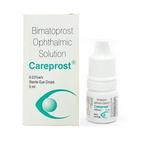
These drops gained immense popularity, demonstrating an incredibly fast and always noticeable result since its application. This innovative means will allow you to give your eyelashes an ideal look, strength and health, in whatever serious condition they are before the moment of its application. It is safe and effective providing amazing results.
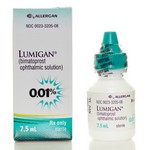
This means is prescribed to reduce eye pressure. Its active ingredient is synthetic prostaglandin bimatoprost – an unsaturated fatty acid, similar in its properties to hormones. Getting into the eye, drops help maintain the balance of the flow and outflow of eye fluid. It is a violation of this balance that leads to an increase in pressure, due to which the blood supply to the eye is impaired and the load on the optic nerve increases.

Bimatoprost reduces IOP in humans by increasing the outflow of aqueous humor through the trabecular meshwork and uveoscleral outflow. IOP reduction begins about 4 hours after the first use. The maximum effect is achieved after about 8–12 hours. The effect lasts for at least 24 hours.
Special Considerations for Using Zioptan Eye Drops
When using Zioptan eye drops, there are certain special considerations and precautions that individuals should be aware of to ensure their safety and effectiveness. It is important to follow these guidelines and consult with a healthcare professional before starting treatment with Zioptan.
Potential Risks for Certain Individuals
There are specific groups of individuals who may be at a higher risk of experiencing adverse effects or complications when using Zioptan eye drops. These include:
- Pregnant or nursing women: The safety of using Zioptan during pregnancy or while breastfeeding is not well-established. It is important to consult with a healthcare professional to weigh the potential benefits and risks of using Zioptan in these situations.
- Individuals with certain medical conditions: Zioptan may not be suitable for individuals with certain eye conditions, allergies, or other underlying medical conditions. It is important to inform a healthcare professional about any existing medical conditions before starting treatment with Zioptan.
Informing Healthcare Professionals about Allergies and Medications
Before using Zioptan eye drops, it is crucial to inform your healthcare professional about any known allergies. Zioptan may contain inactive ingredients that can cause allergic reactions or other problems. It is also important to disclose any medications or supplements that you are currently taking, as they may interact with Zioptan and affect its effectiveness.
Proper Usage and Dosage Instructions
It is essential to follow the proper usage and dosage instructions when using Zioptan eye drops to ensure their effectiveness. This includes:
- Washing hands before applying the eye drops
- Tilting the head back and pulling down the lower eyelid to create a small pocket
- Squeezing the prescribed number of drops into the pocket without touching the tip of the dropper to the eye or any other surface
- Closing the eye gently and pressing a finger against the corner of the eye (near the nose) for 1 to 2 minutes to prevent the medication from draining into the tear duct
- Avoiding blinking or rubbing the eye immediately after using the eye drops
Regular Eye Exams and Monitoring
While using Zioptan eye drops for the treatment of glaucoma or other eye conditions, it is important to schedule regular eye exams with a healthcare professional. These exams can help monitor the progress of the condition, evaluate the effectiveness of the eye drops, and detect any potential complications or side effects.
It is also crucial to closely follow the healthcare professional’s advice and any additional instructions provided. This may include using other medications or making lifestyle changes to optimize eye health.
In conclusion, using Zioptan eye drops requires special considerations and precautions to ensure their safe and effective use. By following the proper usage and dosage instructions, informing healthcare professionals about allergies and medications, and scheduling regular eye exams, individuals can maximize the benefits of Zioptan for the treatment of glaucoma or other eye conditions.
Can Zioptan Eye Drops Be Used in Other Areas of the Body?
One common question that arises when using Zioptan eye drops is whether they can be used on other parts of the body, such as the ears. It is important to note that Zioptan eye drops are specifically formulated for ocular use and should only be applied to the eyes.
Using Zioptan eye drops on other areas of the body can result in potential risks and adverse reactions. The eye drops contain a specific medication called tafluprost, which is designed to reduce intraocular pressure and treat glaucoma. The composition and formulation of the eye drops are not suitable for use on other body parts.
If you are experiencing symptoms in areas other than the eyes, it is important to consult with a healthcare professional for appropriate treatment options. They may be able to recommend alternative medications or therapies specifically designed for the condition you are experiencing.
It is always crucial to follow the instructions provided on the medication packaging or as directed by your healthcare provider. Misuse or inappropriate application of Zioptan eye drops can result in less effective treatment or potential harm to other areas of the body.
If you are unsure about the usage of Zioptan eye drops or have any questions regarding their proper application, it is best to consult with a healthcare professional, such as your doctor or ophthalmologist. They can provide personalized advice and guidance based on your specific needs and medical history.
Long-term use of allergy eye drops
Allergy eye drops, such as Zioptan, can provide relief for individuals suffering from various eye conditions caused by allergies. However, concerns may arise regarding the safety and potential risks associated with long-term use of these eye drops. It is important to understand the potential implications and explore alternative options for managing allergies and eye conditions.
Risks and side effects of long-term use
Using allergy eye drops, including Zioptan, on a daily basis for an extended period of time may pose certain risks. While these eye drops are generally considered safe for short-term use, prolonged and frequent use can potentially lead to side effects.
Common side effects that may occur with long-term use of Zioptan eye drops include:
- Increased eye pressure
- Eye irritation and redness
- Dryness of the eyes
- Blurred vision
These side effects are typically mild and temporary, but it is important to monitor their occurrence and discuss with a healthcare professional if they persist or worsen.
Recommendations for managing allergies and eye conditions
If you are considering using allergy eye drops like Zioptan on a regular basis, it is recommended to consult with a healthcare professional. They will be able to assess your specific condition and determine the most appropriate treatment plan for you.
In addition to using eye drops, there are other effective options for managing allergies and eye conditions. These may include:
- Oral antihistamines
- Nasal sprays
- Allergy shots
- Avoiding allergens and triggers
- Using cold compresses to soothe the eyes
- Wearing sunglasses to protect the eyes from allergens
It is important to work closely with a healthcare professional to determine the best treatment approach for your specific condition. They can provide personalized advice and guidance based on your individual needs.
Conclusion
While allergy eye drops like Zioptan can provide relief for eye conditions caused by allergies, it is important to consider the potential risks and side effects associated with long-term use. Consulting with a healthcare professional and exploring alternative treatment options can help ensure the safe and effective management of allergies and eye conditions.
Unpleasant Taste in the Mouth After Using Zioptan Eye Drops
After using Zioptan eye drops, some individuals may experience an unpleasant taste in the mouth. This taste is often described as bitter and can be bothersome for some users. The reason behind this taste sensation is the absorption of the medication through the tear ducts and into the nasal passage.
To minimize the taste after using Zioptan eye drops, it is important to avoid swallowing excess medication. While applying the drops, ensure that they are directed towards the eyes and not the back of the throat. After instilling the eye drops, refrain from swallowing saliva for a few minutes to allow the medication to be fully absorbed into the eyes.
Rinsing the mouth with water or a mouthwash after using Zioptan eye drops can also help reduce the lingering taste in the mouth. This simple step can freshen the mouth and neutralize any residual bitterness caused by the eye drops.
If the bitter taste persists or becomes unbearable, it is advisable to consult a healthcare professional for further guidance. They can provide recommendations on managing the taste sensation and may suggest alternative medications if needed.