Importance of preservative-free eye drops
Preservative-free eye drops are gaining popularity among individuals seeking relief for various eye conditions. These eye drops offer several advantages over regular eye drops that contain preservatives, making them a preferred choice for many users.
Advantages of using preservative-free eye drops
Preservative-free eye drops offer several benefits, including:
- Reduced risk of irritation: Preservatives used in regular eye drops can sometimes cause irritation, especially for individuals with sensitive eyes. Preservative-free eye drops eliminate this risk, providing a gentler and more comfortable experience.
- Decreased risk of allergic reactions: Some individuals may be allergic to the preservatives used in regular eye drops. By opting for preservative-free versions, they can avoid potential allergic reactions and enjoy effective relief for their eye conditions.
- Prevention of long-term damage: Prolonged use of eye drops containing preservatives may have side effects on eye health. Preservative-free eye drops eliminate this concern, ensuring that users can use the drops for extended periods without worrying about potential harm.
- Patient satisfaction: Many individuals using preservative-free eye drops report high levels of satisfaction and improved comfort compared to regular eye drops. The absence of preservatives can make a significant difference in the overall experience and effectiveness of the eye drops.
Common preservatives used in regular eye drops and their side effects
Regular eye drops often contain preservatives to prevent bacterial contamination and prolong shelf life. However, these preservatives can have side effects on some individuals. Some common preservatives found in regular eye drops include:
| Preservative | Potential Side Effects |
|---|---|
| Benzalkonium chloride (BAK) | Eye irritation, allergic reactions, dryness, redness, and potential long-term ocular damage |
| Chlorobutanol | Eye irritation, stinging, and potential allergic reactions |
| Sodium perborate | Eye irritation and potential allergic reactions |
These side effects highlight the importance of considering preservative-free eye drops for individuals with sensitive eyes or those who use eye drops frequently.
When it comes to choosing eye drops, individuals should consult with their eye care professionals to determine the most suitable product for their specific needs. Moreover, it is essential to read and understand the information provided on the packaging of eye drops to ensure safe and effective use.
Shelf life of preservative free eye drops
Preservative free eye drops have a limited shelf life, and it is important to understand how long they can be used and the factors that can affect their shelf life.
How long preservative free eye drops can be used
The shelf life of preservative free eye drops typically ranges from one to three months. However, it is important to check the packaging or the product insert for the specific expiration date provided by the manufacturer.
Factors affecting the shelf life of eye drops
Several factors can affect the shelf life of preservative free eye drops. One of the main factors is the presence of preservatives. Preservative free eye drops are specifically formulated without preservatives, which means they have a shorter shelf life compared to eye drops that contain preservatives.
The formulation of the eye drops, including the ingredients and the packaging, can also affect their shelf life. Exposure to air, light, and heat can degrade the effectiveness of the eye drops and shorten their shelf life. It is important to store the eye drops properly to minimize these factors.
Another factor that can affect the shelf life of eye drops is contamination. If the eye drops become contaminated with bacteria or other microorganisms, they can become ineffective or even harmful to the eyes. It is important to follow proper hygiene practices when using eye drops to prevent contamination.
Guidelines for proper storage of eye drops
To ensure the maximum shelf life and effectiveness of preservative free eye drops, it is important to store them properly. Here are some guidelines:
- Store the eye drops in a cool, dry place away from direct sunlight and heat sources.
- Keep the eye drops tightly sealed when not in use to prevent exposure to air.
- Avoid touching the tip of the eye drop container to minimize the risk of contamination.
- Do not share eye drops with others to prevent cross-contamination.
Following these guidelines can help prolong the shelf life of preservative free eye drops and ensure their effectiveness when used.
Expiration dates of preservative free eye drops
When using preservative free eye drops, it is important to pay attention to the expiration dates on the packaging. These expiration dates indicate the date until which the eye drops are guaranteed to be safe and effective for use. Using expired eye drops can potentially be harmful to your eyes and may lead to adverse effects.
The expiration dates on eye drop packaging are significant because they indicate the time period during which the eye drops are expected to be stable and maintain their efficacy. Beyond this date, the safety and effectiveness of the eye drops cannot be guaranteed.
Eye drops, like any other medication, can degrade over time due to various factors such as exposure to air, light, and temperature changes. As a result, the active ingredients in the eye drops may become less effective or even deteriorate, posing a risk to the health of your eyes.
Using expired eye drops can potentially lead to ineffective treatment of eye conditions and may not provide the desired relief or improvement. In some cases, expired eye drops may even cause irritation, allergic reactions, or other adverse effects.
It is important to note that the expiration dates on eye drop packaging are determined based on scientific testing and analysis by the manufacturer. These dates are meant to ensure the safety and efficacy of the product and should be taken seriously.
Various regulatory agencies, such as the Food and Drug Administration (FDA), require manufacturers to include expiration dates on their products. This is to ensure that consumers use medications within the recommended timeframe, maximizing their safety and effectiveness.
As a consumer, it is crucial to check the expiration dates on your preservative free eye drops and to discard them once they have expired. Using expired eye drops puts your eyes at risk and may not provide the desired therapeutic effect.
To ensure that your eye drops remain safe and effective, it is recommended to store them properly. This includes keeping them in a cool, dry place and avoiding exposure to direct sunlight or extreme temperatures. Additionally, make sure to close the eye drop bottle tightly after each use to prevent contamination and maintain the integrity of the solution.
It is also worth noting that different types of eye drops may have varying shelf lives and expiration dates. Some preservative free eye drops may have shorter expiration dates compared to those containing preservatives. Always refer to the packaging or consult your eye care professional for specific information about the shelf life and expiration date of your eye drops.
Overall, understanding the expiration dates and taking precautions to ensure the safe and effective use of preservative free eye drops are essential for maintaining eye health and getting the desired therapeutic outcome.

Bimat eye drops are used to treat hypotrichosis, short, weak eyelashes. Bimat increases the length, thickness and enhances the color of eyelashes. These substances are also used to lower intraocular pressure in patients with a diagnosis of glaucoma. By reducing the pressure, the risk of blindness is significantly decreased.
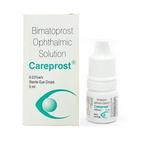
These drops gained immense popularity, demonstrating an incredibly fast and always noticeable result since its application. This innovative means will allow you to give your eyelashes an ideal look, strength and health, in whatever serious condition they are before the moment of its application. It is safe and effective providing amazing results.
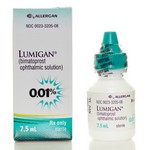
This means is prescribed to reduce eye pressure. Its active ingredient is synthetic prostaglandin bimatoprost – an unsaturated fatty acid, similar in its properties to hormones. Getting into the eye, drops help maintain the balance of the flow and outflow of eye fluid. It is a violation of this balance that leads to an increase in pressure, due to which the blood supply to the eye is impaired and the load on the optic nerve increases.

Bimatoprost reduces IOP in humans by increasing the outflow of aqueous humor through the trabecular meshwork and uveoscleral outflow. IOP reduction begins about 4 hours after the first use. The maximum effect is achieved after about 8–12 hours. The effect lasts for at least 24 hours.
Signs of expired preservative free eye drops
Knowing the signs of expired preservative free eye drops is essential for maintaining the health of your eyes. Here are some key indicators to look out for:
- Changes in appearance: Expired eye drops may have a different color or may develop particles or crystals. If you notice any discoloration or unusual substances in the eye drops, it is best to discard them.
- Changes in consistency: Expired eye drops may become thicker or thinner than their original consistency. Any change in the texture or viscosity of the eye drops could indicate that they have expired.
- Decreased effectiveness: Expired eye drops may not provide the desired relief or benefits for your eyes. If you find that your symptoms persist or worsen after using expired eye drops, it may be time to replace them.
- Eye irritation: Using expired eye drops can cause irritation, redness, or discomfort in the eyes. If you experience any unusual sensations after applying eye drops, it is advisable to discontinue use and consult your eye care professional.
It is important to note that the expiration dates on eye drop packaging indicate the date until which the manufacturer guarantees the product’s safety and effectiveness. Using expired eye drops can pose risks to your eye health and may lead to infections or other complications.
According to a study published in the Journal of Pharmacy & Pharmaceutical Sciences, using expired eye drops can lead to reduced antimicrobial activity and potential contamination. This highlights the importance of using eye drops within their designated shelf life.
To ensure the safety and efficacy of your eye drops, it is crucial to closely follow the manufacturer’s instructions and adhere to proper storage guidelines. Storing eye drops in a cool, dry place away from direct sunlight can help preserve their potency and extend their shelf life.
If you are unsure about the expiration status of your eye drops or have concerns about their effectiveness, it is always best to consult your eye care professional for guidance. They can provide recommendations on safe alternatives and suggest suitable preservative free eye drops for your specific needs.
Can preservative free eye drops lose effectiveness before expiration?
Preservative free eye drops are a popular choice for individuals seeking relief from dry eyes and other eye conditions. However, it’s important to understand that preservative free eye drops, like any other medication, can lose effectiveness over time. Here are some factors that can affect the effectiveness of preservative free eye drops:
- Storage conditions: The way you store your preservative free eye drops can impact their effectiveness. Exposing them to high temperatures, direct sunlight, or extreme humidity can degrade the active ingredients and reduce their effectiveness. It’s important to store your eye drops in a cool, dry place, away from heat and sunlight.
- Contamination: If the nozzle or tip of your eye drop bottle comes into contact with any foreign substances, such as bacteria or dirt, it can contaminate the solution. Contaminated eye drops may not be as effective in providing the desired relief. Be sure to keep the tip of the bottle clean and avoid touching it with your fingers or any other surfaces.
- Expiration date: While preservative free eye drops may not contain traditional preservatives, they still have an expiration date. This date indicates the time until the eye drops can be guaranteed to be effective. Using eye drops beyond their expiration date can lead to a decrease in their effectiveness.
To ensure that your preservative free eye drops remain effective until the expiration date, it’s important to follow proper usage instructions:
- Wash your hands: Before using eye drops, ensure that your hands are clean and free from any potential contaminants.
- Tilt your head back: Tilt your head back slightly and pull down your lower eyelid to create a small pocket.
- Squeeze the bottle: Gently squeeze the bottle to release one drop into the pocket created by your lower eyelid. Avoid touching the tip of the bottle to your eye or any other surface to prevent contamination.
- Blink: Close your eye gently and blink a few times to distribute the eye drops evenly across the surface of your eye.
- Close the bottle: Securely close the bottle after each use to prevent contamination and preserve the effectiveness of the remaining eye drops.
If you have any concerns about the effectiveness of your preservative free eye drops, it’s always best to consult with an eye care professional. They can provide guidance on proper usage and recommend safe alternatives if needed.
Safe alternatives for expired eye drops
When your preservative-free eye drops have expired, it is important to find safe alternatives to ensure the health and well-being of your eyes. Fortunately, there are several options available on the market that can provide relief and protection for your eyes.
Different types of preservative-free eye drops
There are various types of preservative-free eye drops that can be used as alternatives to expired eye drops. These options include:
- Lubricating eye drops: These provide relief from dryness and irritation, and help to keep the eyes moist and comfortable. They are suitable for everyday use and can be used as often as needed.
- Allergy eye drops: If your eyes are prone to allergies, allergy eye drops can help to alleviate symptoms such as itching, redness, and watering of the eyes. These drops are especially useful during allergy seasons or in allergy-prone environments.
- Antibiotic eye drops: In cases where you have an eye infection or are at risk of developing one, antibiotic eye drops can be used. These drops help to fight off bacteria and prevent further infection.
Recommendations from eye care professionals
When considering alternatives to expired eye drops, it is always best to consult with an eye care professional. They can provide personalized recommendations based on your specific eye condition or concern. Additionally, they can also address any questions or concerns you may have about using eye drops.
Eye care professionals may also recommend specific brands or formulations that are known to be effective and safe. These recommendations can help ensure that you are using the best alternative eye drops for your needs.
It is worth noting that while expired eye drops may not be as effective or safe to use, the alternative options mentioned above are specifically formulated to maintain their effectiveness and safety within their indicated shelf life. Therefore, it is important to follow the instructions and guidelines provided by the manufacturer and your eye care professional.
Overall, when your preservative-free eye drops have expired, there are safe alternatives available to ensure continued eye health and comfort. By exploring these options and seeking guidance from an eye care professional, you can find the right alternative that works best for you.
Conclusion
In conclusion, the use of preservative-free eye drops is highly important for maintaining the health and safety of your eyes. The advantages of using preservative-free eye drops have been highlighted throughout this article, including reduced risk of adverse chemical reactions and irritation.
Understanding the shelf life and expiration dates of eye drops is crucial for ensuring their effectiveness and safety. Factors such as proper storage, exposure to air, and contamination can affect the shelf life of eye drops. It is important to adhere to the expiration dates indicated on the packaging to minimize the risk of using expired eye drops.
Recognizing the signs of expired eye drops is equally important. Changes in appearance or consistency of the eye drops, such as cloudiness or clumping, can indicate that they have expired. Using expired eye drops can have negative effects on your eyes, including potential irritation or infection.
To ensure the maximum effectiveness of preservative-free eye drops, proper usage is essential. Following the instructions provided by your eye care professional and administering the drops correctly can help to achieve the desired results. If you have any concerns about the effectiveness of your eye drops, it is best to consult with your eye care professional.
If your preservative-free eye drops have expired and you are in need of a safe alternative, there are various options available on the market. Different types of preservative-free eye drops offer specific benefits, such as lubrication, redness relief, or dryness prevention. It is advisable to seek recommendations from your eye care professional to determine the most suitable alternative for your needs.
In conclusion, using preservative-free eye drops is crucial for maintaining optimal eye health. By understanding the shelf life and expiration dates, recognizing signs of expiration, and using them properly, you can ensure safe and effective eye drop use. Remember to always consult with your eye care professional for specific advice and recommendations.