How often should you use dry eye drops?
Dry eye is a common condition that occurs when your eyes do not produce enough tears or when the quality of your tears is poor. It can cause discomfort, irritation, and blurry vision. Using lubricating eye drops, also known as artificial tears, can help alleviate the symptoms of dry eye.
But how often should you use dry eye drops? The frequency of use depends on several factors, including the severity of your dry eye symptoms and the specific formulation of the eye drops. It is important to understand the recommended usage to ensure maximum effectiveness and relief.
Importance of understanding the frequency of use
Using dry eye drops too frequently or not frequently enough can impact their effectiveness. Overusing eye drops can wash away the natural oils that help retain moisture in your eyes, while underusing them may not provide enough lubrication to alleviate your symptoms. Therefore, it is crucial to follow the recommended frequency of use to achieve the best results.
Factors that may influence the recommended usage
The recommended frequency of using dry eye drops may vary depending on several factors, such as:
- The severity of your symptoms: If you have mild dry eye symptoms, using eye drops once or twice a day may be sufficient. However, if your symptoms are more severe, your eye care professional may recommend using the drops more frequently, such as four to six times a day.
- The specific formulation of the eye drops: Different brands and types of eye drops may have different recommendations for frequency of use. Some eye drops are designed for daytime use and provide temporary relief, while others are formulated for nighttime use and provide longer-lasting relief.
- Your individual needs and preferences: Your eye care professional may consider your individual needs and preferences when recommending the frequency of use. They may also take into account any other medications you are using and any underlying conditions that may be contributing to your dry eye symptoms.
It is important to consult with your eye care professional to determine the most appropriate frequency of use for your specific case. They will be able to evaluate your symptoms and provide personalized recommendations.
Guidelines for using eye drops after cataract surgery
Overview of the typical post-operative eye drop regimen after cataract surgery
Following cataract surgery, your ophthalmologist will prescribe a specific eye drop regimen to ensure optimal healing and prevent complications. The post-operative eye drop regimen typically includes several types of eye drops that have different purposes. These may include:
- Antibiotic eye drops: These eye drops help prevent infection and are typically used for several days after surgery.
- Steroid eye drops: Steroid eye drops are often prescribed to reduce inflammation and promote healing. These are usually started a few days after surgery and may be used for several weeks.
- Non-steroidal anti-inflammatory eye drops (NSAIDs): NSAIDs can help manage pain and reduce inflammation. These may be used along with steroid eye drops.
- Lubricating eye drops: Lubricating eye drops are used to relieve dryness and provide comfort. These can be used as needed throughout the recovery period.
Importance of following the prescribed schedule for optimal healing and prevention of complications
It is crucial to follow the prescribed schedule for using eye drops after cataract surgery to ensure proper healing and minimize the risk of complications. Your ophthalmologist will provide specific instructions on when and how often to use each type of eye drop.
Adhering to the prescribed schedule helps ensure that the eye drops are effective and provide the intended benefits. Missing doses or using the eye drops inconsistently may delay healing or increase the risk of complications, such as infection or inflammation.
It is important to note that the eye drops prescribed after cataract surgery are specifically chosen based on your individual needs and the surgeon’s expertise. Deviating from the prescribed regimen without consulting your ophthalmologist may compromise your recovery.
Following the post-operative eye drop regimen diligently and attending follow-up appointments with your ophthalmologist will allow them to monitor your progress and make any necessary adjustments to your treatment plan.
For additional information on eye drop usage and the recovery process after cataract surgery, you can refer to reliable sources such as the American Academy of Ophthalmology website.
Understanding the timeline for pink eye drop effectiveness
Pink eye, also known as conjunctivitis, is a common condition that causes inflammation and redness in the eyes. It can be caused by a variety of factors, including bacterial or viral infections, allergies, or irritants. Pink eye drops are often prescribed to help relieve symptoms and promote healing.
When using pink eye drops, it’s important to understand the timeline for their effectiveness. While everyone’s experience may vary, most people can expect to see improvement within a few days of starting treatment.
Factors that may affect the speed of recovery include the cause of pink eye, the severity of symptoms, and individual differences in how quickly the body responds to treatment.
In a study published in the Journal of Ophthalmic Epidemiology, researchers found that the average length of time for pink eye symptoms to resolve with treatment was about 7 to 10 days. However, this timeline can vary depending on the specific cause of pink eye and the individual’s overall health.
For viral conjunctivitis, which is the most common form of pink eye, the symptoms typically improve on their own within one to two weeks. However, using antiviral eye drops may help speed up the healing process and reduce the duration of symptoms.
For bacterial conjunctivitis, which is often treated with antibiotic eye drops, symptoms usually improve within a few days of starting treatment. It’s important to continue using the eye drops for the entire duration prescribed by your healthcare provider, even if symptoms improve, to ensure all bacteria are eliminated and prevent the infection from recurring.
For allergic conjunctivitis, which is caused by allergies, symptoms may improve with the use of antihistamine eye drops or other prescribed medications. The effectiveness of these treatments can vary depending on the individual’s sensitivity to allergens and the severity of symptoms.
If you have been using pink eye drops as directed for several days and have not seen any improvement in your symptoms, it’s important to consult with your healthcare provider. They can evaluate your condition and recommend any necessary adjustments to your treatment plan.
In addition to using eye drops, there are other measures you can take to help manage pink eye symptoms and promote healing. These may include applying warm compresses to the eyes, avoiding rubbing or touching the eyes, practicing good hygiene to prevent the spread of infection, and avoiding irritants or allergens that may worsen symptoms.
Overall, understanding the timeline for pink eye drop effectiveness can help manage expectations and ensure appropriate treatment. If you have any concerns or questions about your pink eye treatment, be sure to consult with your healthcare provider.

Bimat eye drops are used to treat hypotrichosis, short, weak eyelashes. Bimat increases the length, thickness and enhances the color of eyelashes. These substances are also used to lower intraocular pressure in patients with a diagnosis of glaucoma. By reducing the pressure, the risk of blindness is significantly decreased.
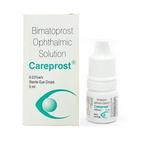
These drops gained immense popularity, demonstrating an incredibly fast and always noticeable result since its application. This innovative means will allow you to give your eyelashes an ideal look, strength and health, in whatever serious condition they are before the moment of its application. It is safe and effective providing amazing results.
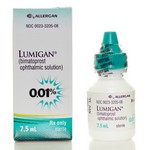
This means is prescribed to reduce eye pressure. Its active ingredient is synthetic prostaglandin bimatoprost – an unsaturated fatty acid, similar in its properties to hormones. Getting into the eye, drops help maintain the balance of the flow and outflow of eye fluid. It is a violation of this balance that leads to an increase in pressure, due to which the blood supply to the eye is impaired and the load on the optic nerve increases.

Bimatoprost reduces IOP in humans by increasing the outflow of aqueous humor through the trabecular meshwork and uveoscleral outflow. IOP reduction begins about 4 hours after the first use. The maximum effect is achieved after about 8–12 hours. The effect lasts for at least 24 hours.
Duration of Effectiveness for Redness Eye Drops
When using redness eye drops, it is important to understand how long their effectiveness typically lasts. Redness eye drops are commonly used to reduce the appearance of red eyes caused by irritation or eye allergies. While these eye drops can provide temporary relief, it is crucial to know when to reapply them for continued effect.
How Long Do Redness Eye Drops Typically Last?
The duration of effectiveness for redness eye drops can vary depending on several factors:
- The specific brand or type of redness eye drops you are using. Different eye drops may have different active ingredients and concentrations, which can impact their duration of effectiveness.
- The severity of the redness or irritation. If your eyes are highly inflamed, the effectiveness of the eye drops may wear off more quickly.
- Your individual response to the eye drops. Each person may react differently to eye drops, and some individuals may experience longer or shorter durations of effectiveness.
On average, redness eye drops typically provide relief for about 4 to 6 hours. However, this can vary from person to person. It is important to read the instructions on the specific product you are using, as some eye drops may have different recommended reapplication intervals.
Factors That May Impact the Duration of Effectiveness
Several factors can impact how long redness eye drops last:
- The severity of your redness or irritation. If your eyes are highly inflamed, the effectiveness of the eye drops may wear off more quickly.
- Your overall eye health. Certain underlying conditions, such as chronic dry eye, may affect the effectiveness and longevity of the eye drops.
- Your adherence to proper eye drop administration. It is important to follow the instructions provided with the eye drops to ensure optimal effectiveness and prevent any potential negative side effects.
Ensuring Effective and Safe Use of Redness Eye Drops
To ensure that you are using redness eye drops effectively and safely, consider the following:
- Follow the instructions provided with the eye drops regarding dosage and frequency of use.
- Do not exceed the recommended dosage, as this can lead to complications or adverse effects.
- Avoid using redness eye drops for an extended period of time without consulting with an eye care professional.
- If you are experiencing chronic redness or irritation, consult with an eye care professional to determine the underlying cause and appropriate treatment.
It is always important to consult with a healthcare professional if you have any concerns or questions regarding the use of redness eye drops or any other medication for eye-related issues.
The role of steroid eye drops after cataract surgery
After cataract surgery, your eye surgeon may prescribe steroid eye drops as part of your post-operative care. Steroid eye drops are a type of medication that contains corticosteroids, which help to reduce inflammation and prevent the development of complications. Their primary role is to promote healing and prevent infection in the eye following surgery.
It is crucial to follow the prescribed schedule and precautions when using steroid eye drops after cataract surgery. These drops are typically administered multiple times a day for several weeks, depending on your surgeon’s recommendations. Each drop should be carefully instilled into the eye according to the proper technique, as instructed by your surgeon or eye care provider.
Why are steroid eye drops prescribed after cataract surgery?
Steroid eye drops are prescribed after cataract surgery for several reasons:
- Reducing inflammation: Cataract surgery can cause inflammation in the eye, which may lead to pain, redness, and discomfort. Steroid eye drops help to minimize this inflammation, allowing for a quicker and more comfortable recovery.
- Preventing complications: Inflammation increases the risk of complications after cataract surgery, such as infection or the formation of scar tissue. By using steroid eye drops, the likelihood of these complications occurring is reduced.
- Promoting healing: Steroid eye drops aid in the healing process by suppressing the immune response, which can sometimes be more active than necessary after surgery. By controlling the immune response, steroid eye drops support the eye’s healing process.
Following the prescribed schedule and precautions
To ensure optimal results and minimize the risk of complications, it is essential to follow the prescribed schedule and precautions when using steroid eye drops after cataract surgery. Some important considerations include:
- Frequency: Steroid eye drops are typically used multiple times a day, as instructed by your surgeon. It is crucial to adhere to the prescribed frequency to maintain a consistent level of medication in the eye.
- Duration: The duration of steroid eye drop use varies depending on the individual and the specific surgical procedure performed. Your surgeon will provide specific instructions on how long to continue using the drops.
- Side effects: While steroid eye drops are generally safe, they can sometimes cause side effects, such as increased eye pressure or delayed wound healing. It is important to report any unusual symptoms to your surgeon or eye care provider.
- Gradual tapering: In some cases, the dosage of steroid eye drops may need to be gradually reduced over time before discontinuing them completely. Your surgeon will provide guidance on how to taper the dosage if necessary.
By carefully following the prescribed schedule and precautions when using steroid eye drops after cataract surgery, you can help ensure a successful outcome and minimize the risk of complications.
For more information on cataract surgery and post-operative care, you can visit the following reputable sources:
Tips for Using Eye Drops Effectively
Using eye drops properly is important to ensure maximum effectiveness and minimize the risk of complications. Here are some tips to help you use eye drops effectively:
1. Wash your hands:
Before using eye drops, it’s essential to wash your hands thoroughly with soap and water. This helps prevent the transfer of germs and bacteria from your hands to your eyes.
2. Tilt your head back:
To administer eye drops, tilt your head back slightly and pull your lower eyelid down using your index finger to create a small pocket. This will help prevent the drops from rolling off your eye.
3. Look up:
Gently look up towards the ceiling or sky while keeping your eye open. This allows the drops to easily enter your eye without touching the dropper tip or any other surface.
4. Squeeze the bottle:
Squeeze the bottle or apply pressure to the dropper to release a single drop into the pocket you created with your lower eyelid. Avoid touching your eye or eyelashes with the bottle tip.
5. Close your eye:
After instilling the eye drops, close your eye gently and press your finger against the inner corner of your eye near the nose. This helps to prevent the drops from draining into your tear duct and being absorbed systemically.
6. Wait and blink:
After applying the eye drops, keep your eyes closed for a few seconds to allow the drops to spread evenly across your eye. Then, blink a few times to help distribute the drops further.
7. Wipe away excess:
If there is any excess eye drop solution around your eye, you can gently wipe it away using a clean tissue or cotton swab. Be careful not to touch your eye again with the tissue or swab.
8. Storage and expiration:
Properly store your eye drops according to the manufacturer’s instructions. Pay attention to the expiration date and discard any eye drops that have expired to ensure their effectiveness.
It’s important to note that these tips are general guidelines and may vary depending on the specific type of eye drops you are using. Always follow the instructions provided by your healthcare professional or the manufacturer for your specific eye drops.
Remember to consult with your healthcare professional or eye care provider if you have any concerns or questions about using your eye drops effectively or if you experience any unusual symptoms or side effects.
Sources:
– American Academy of Ophthalmology. (n.d.). How to Apply Eye Drops. Retrieved from [https://www.aao.org/eye-health/treatments/how-to-apply-eye-drops](https://www.aao.org/eye-health/treatments/how-to-apply-eye-drops)
– National Eye Institute. (2019). Using Eye Drops. Retrieved from [https://www.nei.nih.gov/learn-about-eye-health/eye-conditions-and-diseases/using-eye-drops](https://www.nei.nih.gov/learn-about-eye-health/eye-conditions-and-diseases/using-eye-drops)
When to Consult with a Healthcare Professional
It is important to be aware of certain signs and symptoms that may indicate a need for medical evaluation when using eye drops. While many eye conditions can be treated with over-the-counter eye drops, there are instances where professional medical advice is necessary. Here are some situations when it is recommended to consult with a healthcare professional:
- Severe or persistent eye pain: If you experience intense or ongoing eye pain, it is advisable to seek medical attention. This could be a sign of a more serious eye condition, such as an infection or injury, that requires prompt treatment.
- Changes in vision: If your vision becomes blurry, distorted, or if you notice any sudden changes in your eyesight, it is important to consult with an eye care professional. These symptoms may indicate an underlying issue that needs to be addressed.
- Eye redness or swelling: If your eyes are excessively red or swollen, it may be a sign of an eye infection or inflammation. In such cases, it is recommended to seek medical advice for a proper diagnosis and appropriate treatment.
- Eye discharge or crusting: If you have persistent eye discharge, especially if it is thick or accompanied by crusting of the eyelids, it may be a sign of an infection or other eye condition that requires medical attention.
- Foreign object in the eye: If you get a foreign object, such as a particle of dust or a chemical substance, in your eye and you are unable to flush it out or if you have pain and discomfort, it is important to seek medical attention. Trying to remove the object on your own may cause further damage to your eye.
- Eye injury: In case of an eye injury, it is crucial to seek immediate medical attention. Even if the injury seems minor, it is best to have it evaluated to rule out any potential complications.
Regular eye exams are also highly recommended to maintain optimal eye health. Eye care professionals can detect any potential issues early on and provide appropriate treatment or management. They can also answer any questions or concerns you may have regarding the use of eye drops and provide personalized recommendations based on your specific needs.
Remember, it is always better to be cautious and seek professional advice when in doubt about your eye health. Your eye care provider is the best person to guide you on the appropriate course of action for any eye-related concerns.