Types of Eye Drops Used for Dilation
When visiting an eye care professional for an examination, you may have encountered the use of eye drops that cause your pupils to dilate. These eye drops play a crucial role in allowing your eye care professional to thoroughly examine the structures of your eye. Let’s explore the different types of eye drops used for dilation and how they work.
Cycloplegic Eye Drops
Cycloplegic eye drops are commonly used to dilate the pupils and relax the muscles that control the shape of the lens inside your eye. These drops contain medication, such as tropicamide or cyclopentolate, that temporarily paralyzes the muscles in your eye, preventing them from contracting.
Cycloplegic eye drops are particularly useful in cases where an eye care professional needs to accurately measure the refractive error of your eye. By temporarily immobilizing the muscles responsible for focusing, these drops provide a more accurate assessment of your eye’s true prescription.
Mydriatic Eye Drops
Mydriatic eye drops are another type of eye drops used for dilation. Unlike cycloplegic drops, mydriatic drops primarily cause pupil dilation without affecting the muscles responsible for focusing. These drops typically contain medications such as phenylephrine or tropicamide.
Mydriatic eye drops are commonly used in routine eye exams to enable a more comprehensive view of the inside of your eye. By dilating your pupils, your eye care professional can examine the retina, optic nerve, and other structures at the back of your eye more effectively.
| Type of Eye Drops | Main Ingredients | Uses |
|---|---|---|
| Cycloplegic Eye Drops | Tropicamide, Cyclopentolate | Accurate assessment of refractive error, measurement of eye prescription |
| Mydriatic Eye Drops | Phenylephrine, Tropicamide | Eye exams, examination of the retina and optic nerve |
It’s important to note that the specific eye drops used during an examination may vary depending on the individual case and the preferences of the eye care professional.
Now that we have discussed the different types of eye drops used for pupil dilation, let’s move on to the next section and explore the importance of using these drops during routine eye exams.
Importance of Dilating Eye Drops in Eye Exams
During routine eye exams, the use of dilating eye drops is crucial in order to effectively examine the structures of the eye. These eye drops work by causing the pupil to dilate, or widen, which allows the eye care professional to get a clear and detailed view of the different parts of the eye.
Dilated pupils provide a larger opening for the eye care professional to evaluate the health of the optic nerve, retina, blood vessels, and other delicate structures within the eye. This is especially important for detecting any signs of eye diseases such as glaucoma, diabetic retinopathy, or age-related macular degeneration.
By using dilating eye drops, eye care professionals are able to detect early signs of these conditions, which increases the chances of successful treatment and preservation of vision. Early detection can also prevent or minimize the progression of certain eye diseases, leading to better long-term outcomes for patients.
Furthermore, dilated pupils allow for a more accurate prescription for glasses or contact lenses. By fully examining the eye’s structures, eye care professionals can determine the exact level of refractive error and provide the most appropriate corrective lenses. This ensures optimal visual acuity and comfort for patients.
It is worth noting that the effects of dilating eye drops can last for several hours, meaning that individuals may experience temporary sensitivity to light and blurred vision after the eye exam. It is recommended to wear sunglasses and avoid driving until the effects wear off.
In conclusion, the use of dilating eye drops in eye exams is essential for comprehensive and thorough evaluations of the eye’s structures. It allows for early detection of eye diseases and accurate prescription of corrective lenses, leading to better visual outcomes and overall eye health.
Potential side effects and precautions
While dilating eye drops are generally safe to use, they can cause certain side effects and it is important to take precautions when using them. Some potential side effects of dilating eye drops include:
- Blurred vision: Dilating eye drops can temporarily blur your vision, making it difficult to see clearly. This effect can last for a few hours after administration.
- Sensitivity to light: Dilated pupils allow more light to enter the eye, which can make your eyes more sensitive to bright lights. It is advisable to wear sunglasses or avoid bright lights until the effects wear off.
- Eye irritation: Some people may experience mild irritation or discomfort in their eyes after using dilating eye drops. This usually subsides quickly, but if the irritation persists or worsens, it is important to consult with an eye care professional.
- Dryness of the eyes: Dilating eye drops can sometimes cause dryness in the eyes. If you experience excessive dryness, it is recommended to use artificial tears or lubricating eye drops to moisturize the eyes.
It is important to follow the instructions provided by your eye care professional when using dilating eye drops. Some general precautions to keep in mind include:
- Proper dosage: Use the prescribed dosage of dilating eye drops as instructed by your eye care professional. Using more or less than the recommended amount can impact the effectiveness and may cause additional side effects.
- Avoid touching the dropper tip: To prevent contamination, avoid touching the dropper tip of the eye drops with your fingers or any other surface. This can introduce bacteria into the solution and increase the risk of infection.
- Wait for the effects to wear off: The effects of dilating eye drops typically last for a few hours. It is important to wait until the effects wear off before engaging in activities that require clear vision, such as driving.
- Inform your eye care professional: If you are taking any medications or have any underlying medical conditions, it is important to inform your eye care professional before using dilating eye drops. Certain medications or conditions may interfere with the effectiveness of the eye drops or increase the risk of side effects.
It is always recommended to consult with an eye care professional if you have any concerns or questions about using dilating eye drops. They can provide personalized advice and ensure that the eye drops are suitable for your specific needs and condition.

Bimat eye drops are used to treat hypotrichosis, short, weak eyelashes. Bimat increases the length, thickness and enhances the color of eyelashes. These substances are also used to lower intraocular pressure in patients with a diagnosis of glaucoma. By reducing the pressure, the risk of blindness is significantly decreased.
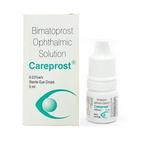
These drops gained immense popularity, demonstrating an incredibly fast and always noticeable result since its application. This innovative means will allow you to give your eyelashes an ideal look, strength and health, in whatever serious condition they are before the moment of its application. It is safe and effective providing amazing results.
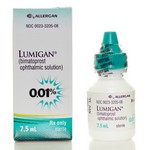
This means is prescribed to reduce eye pressure. Its active ingredient is synthetic prostaglandin bimatoprost – an unsaturated fatty acid, similar in its properties to hormones. Getting into the eye, drops help maintain the balance of the flow and outflow of eye fluid. It is a violation of this balance that leads to an increase in pressure, due to which the blood supply to the eye is impaired and the load on the optic nerve increases.

Bimatoprost reduces IOP in humans by increasing the outflow of aqueous humor through the trabecular meshwork and uveoscleral outflow. IOP reduction begins about 4 hours after the first use. The maximum effect is achieved after about 8–12 hours. The effect lasts for at least 24 hours.
The Risks and Consequences of Using Expired Eye Drops
Using expired eye drops can pose potential risks and consequences to your eye health. It’s important to understand the potential dangers and avoid using expired eye drops to ensure the safety and effectiveness of your eye care routine.
1. Loss of Effectiveness: Over time, the active ingredients in eye drops can degrade, rendering the medication less effective. Expired eye drops may not provide the intended effects, such as relieving dryness, redness, or itching. Using expired eye drops may result in inadequate relief or no relief at all.
2. Potential Eye Irritation: Expired eye drops can contain inactive ingredients that may break down and become irritants to the eyes. Using these drops can cause stinging, burning, or discomfort, potentially exacerbating any existing eye conditions or symptoms.
3. Risk of Contamination: Eye drops typically come in a bottle with a dropper tip that may come into contact with your eye during application. As eye drops age, the preservatives in the formula may lose their effectiveness, increasing the risk of bacterial or fungal contamination. Using contaminated eye drops can lead to eye infections or other complications.
4. Inaccurate Dosage: Using expired eye drops may result in inaccurate dosing. The chemical composition of the formulation may have changed over time, leading to deviations from the intended concentration. This can result in either overdosing or underdosing, potentially exacerbating eye conditions or causing undue strain on the eyes.
To ensure the safety and effectiveness of your eye drops:
– Check the expiration date before using any eye drops. Never use eye drops that have expired.
– Store eye drops in a cool, dry place as recommended on the packaging to maintain their potency.
– Avoid touching the dropper tip to any surface, including your eye, to minimize the risk of contamination.
– Follow the recommended dosage instructions provided by your eye care professional or as indicated on the packaging.
If you experience any unusual or concerning symptoms after using eye drops, such as increased redness, pain, or vision changes, seek immediate medical attention. Your eye care professional can provide proper guidance and treatment options based on your specific situation.
Remember, using expired eye drops may compromise your eye health and delay the relief or treatment you seek. It’s always best to use fresh, unexpired eye drops for optimal safety and effectiveness.
Sources:
– American Academy of Ophthalmology. “Is it Safe to Use Expired Eye Drops?” www.aao.org/eye-health/tips-prevention/safe-use-expired-eye-drops
– Mayo Clinic. “Eye Drops: Do They Expire?” www.mayoclinic.org/healthy-lifestyle/adult-health/expert-answers/eye-drops/faq-20058248
Gentamicin Eye Drops: How Long Does It Take for Them to Work?
Gentamicin eye drops are a type of antibiotic medication that is commonly used to treat various bacterial eye infections. They belong to a class of drugs called aminoglycosides, which work by inhibiting the growth of bacteria.
When it comes to the duration of treatment and how long it takes for gentamicin eye drops to work, it can vary depending on the specific eye infection being treated. Generally, improvement in symptoms can be seen within a few days of starting treatment, but it is important to complete the full course of medication as prescribed by your healthcare professional, even if the symptoms improve.
Here are some common eye infections that may be treated with gentamicin eye drops and their typical duration of treatment:
1. Conjunctivitis (pink eye): Gentamicin eye drops are often used to treat bacterial conjunctivitis, which is characterized by redness, itching, and discharge from the eye. Treatment with gentamicin eye drops usually lasts for 7 to 10 days.
2. Keratitis: Keratitis is an inflammation of the cornea, which can be caused by bacterial infection. Gentamicin eye drops may be prescribed to treat bacterial keratitis, and the duration of treatment can vary depending on the severity of the infection. Mild cases may require treatment for about a week, while more severe cases may require several weeks of treatment.
3. Blepharitis: Gentamicin eye drops can also be used to treat bacterial blepharitis, which is inflammation of the eyelids. Treatment with gentamicin eye drops usually lasts for 7 to 10 days.
It is important to note that the duration of treatment may vary based on individual factors and the specific instructions provided by your healthcare professional. Always follow the recommended dosage and duration of treatment as prescribed.
As with any medication, it is essential to use gentamicin eye drops as directed and complete the full course of treatment. This helps to ensure that the infection is effectively treated and reduces the risk of drug-resistant bacteria developing.
If you have any concerns or questions about the use of gentamicin eye drops, it is best to consult with your healthcare professional, who can provide personalized advice and guidance based on your specific situation.
Sources:
– Mayo Clinic. (2021). Gentamicin Ophthalmic (Into the Eye Route). Retrieved from https://www.mayoclinic.org/drugs-supplements/gentamicin-ophthalmic-route/proper-use/drg-20065068
– U.S. National Library of Medicine. (2021). Gentamicin Ophthalmic. Retrieved from https://medlineplus.gov/druginfo/meds/a601109.html
Frequency of Use for Systane Eye Drops
When it comes to using Systane eye drops for optimal relief, it is important to follow the recommended frequency of use. Systane eye drops are a popular over-the-counter lubricant solution that can provide temporary relief for dry, itchy, or irritated eyes.
For most individuals, it is recommended to use Systane eye drops as needed throughout the day. This means that you should apply the drops whenever you feel symptoms of dryness or discomfort in your eyes. However, it is important to note that excessive use of eye drops can sometimes exacerbate symptoms or lead to dependency, so it is crucial to use them only when necessary.
Systane eye drops come in different formulations, such as Systane Ultra and Systane Balance, each with specific instructions for use. It is important to read and follow the instructions provided with the specific product you are using.
It is also important to remember that while Systane eye drops can provide temporary relief, they may not address the underlying cause of your eye symptoms. If you are experiencing chronic or persistent eye issues, it is best to consult with an eye care professional to determine the cause and appropriate treatment.
Duration of Effectiveness and Precautions
The duration of effectiveness for Systane eye drops varies depending on the individual and the severity of their symptoms. Typically, the relief provided by Systane eye drops can last for several hours.
When using Systane eye drops, it is important to adhere to the recommended dosage provided on the packaging. Using more than the recommended amount may not provide additional relief and could potentially lead to adverse effects.
If you wear contact lenses, it is important to follow the recommended guidelines for using Systane eye drops with contacts. Some formulations of Systane eye drops are specifically designed for use with contact lenses, while others may require you to remove your contacts before application. Be sure to check the packaging for specific instructions.
Overall, Systane eye drops are a popular choice for individuals seeking relief from dry, itchy, or irritated eyes. By following the recommended frequency and dosage guidelines, and consulting with an eye care professional if needed, you can effectively manage your eye symptoms and maintain good eye health.
Why Does It Sting When Putting in Eye Drops?
When it comes to applying eye drops, many people experience a stinging or burning sensation. This discomfort can be attributed to a few different factors, such as the pH level of the eye drops, the preservatives used in the solution, and individual sensitivity.
Poor pH Balance:
The pH level of the eye drops can play a significant role in causing a stinging sensation. The natural pH of tears is around 7.4, and when eye drops have a significantly different pH, they can irritate the delicate tissues of the eye. Eye drops with a higher or lower pH than the natural tears may create an uncomfortable stinging sensation upon application.
Preservatives:
Many commercially available eye drops contain preservatives to prevent bacterial growth and maintain the sterility of the solution. Some people may be sensitive to these preservatives, which can cause stinging, redness, and irritation. Preservatives such as benzalkonium chloride are commonly used and can cause discomfort in some individuals.
Individual Sensitivity:
Each person’s eyes and tear film composition are unique, making some individuals more sensitive to certain eye drop solutions. Some people may simply have a heightened sensitivity to the ingredients used in eye drops, leading to a stinging sensation. It is essential to find an eye drop formulation that works well with your specific needs and sensitivity levels.
Tips to Minimize Discomfort:
If you experience excessive stinging when applying eye drops, there are a few steps you can take to minimize the discomfort:
- Make sure your hands are clean and dry before using eye drops.
- Tilt your head back and pull down your lower eyelid to create a small pocket for the eye drops.
- Try refrigerating the eye drops before use as the cool temperature may help numb the tissues and reduce stinging.
- Take a deep breath and remain calm to avoid unnecessary eye movement, which can contribute to discomfort.
- If stinging persists or worsens, consult with an eye care professional to discuss alternative eye drop options.
It’s important to note that while some stinging may be unavoidable with certain eye drops, it should not be excessively painful. If you experience severe pain, persistent stinging, or any concerning symptoms, seek immediate medical attention.