Similasan Eye Drops Side Effects: What You Should Know
Similasan Eye Drops are a popular over-the-counter product used for various eye conditions. They are known for their natural ingredients and claim to provide relief without the use of harsh chemicals.
Here are some important things to consider about Similasan Eye Drops:
Natural Ingredients
Similasan Eye Drops are made with natural active ingredients, such as Belladonna and Euphrasia, which are known for their soothing and healing properties. These ingredients are carefully selected to provide relief for specific eye conditions.
No Harsh Chemicals
Unlike some other eye drops on the market, Similasan Eye Drops do not contain harsh chemicals or preservatives. This makes them a gentle option for people with sensitive eyes or those who prefer natural remedies.
Possible Allergic Reactions
While Similasan Eye Drops are generally considered safe, some people may experience allergic reactions. This can include itching, redness, and swelling of the eyes or face. If you notice any of these symptoms after using the drops, it is recommended to discontinue use and consult a healthcare professional.
Rare but Severe Side Effects
In rare cases, some individuals may experience severe side effects after using Similasan Eye Drops. These can include difficulty breathing or changes in vision. If you experience any of these symptoms, it is important to seek immediate medical attention.
Consult with a Healthcare Professional
Before using Similasan Eye Drops or any other eye treatment, it is always advisable to consult with your primary care physician or eye specialist. They will be able to provide personalized advice based on your individual eye health, medical history, and current medications.
While Similasan Eye Drops can be a helpful option for relieving various eye conditions, it is important to use them responsibly and follow the instructions provided. If you have any concerns or questions about their use, it is best to seek professional medical advice.
Potential Side Effects of Similasan Eye Drops
When using Similasan Eye Drops, it is essential to be aware of potential side effects that may occur. While the product is generally considered safe for most users, some individuals may experience adverse reactions, especially if they are allergic to certain ingredients. Below are some common side effects associated with Similasan Eye Drops:
- Allergic Reactions: Some users may develop allergies to one or more ingredients in the eye drops, leading to symptoms such as itching, redness, and swelling of the eyes or face. If you experience these symptoms, discontinue use and consult a healthcare provider.
- Eye Irritation: In some cases, users may experience temporary eye irritation after using Similasan Eye Drops. This can manifest as a burning sensation or increased redness in the eyes. If irritation persists or worsens, seek medical advice.
- Blurry Vision: While uncommon, some individuals may notice changes in their vision after using Similasan Eye Drops. This could include blurred vision or difficulty focusing. If vision problems persist, consult an eye care professional.
It is important to note that these side effects are typically mild and resolve on their own once you stop using the eye drops. However, if you experience severe or persistent symptoms, it is crucial to seek medical attention promptly.
Similasan Eye Drops Side Effects: What You Should Know
Similasan Eye Drops are a popular over-the-counter product that is widely used for various eye conditions. These eye drops are known for their natural ingredients and their claim to provide relief without harsh chemicals. While Similasan Eye Drops are generally considered safe, it is important to be aware of potential side effects that may occur.
Potential Side Effects of Similasan Eye Drops
Although rare, some individuals may experience side effects after using Similasan Eye Drops. These side effects can vary in severity and may include:
- Allergic reactions: Some individuals may develop allergic reactions to the ingredients in Similasan Eye Drops. This can manifest as itching, redness, and swelling of the eyes or face. If you experience these symptoms, it is recommended to discontinue use immediately and consult a healthcare professional.
- Severe side effects: While extremely rare, severe side effects can occur with the use of Similasan Eye Drops. These may include difficulty breathing or changes in vision. If you experience any of these symptoms, it is crucial to seek immediate medical attention.
It should be noted that these side effects are rare, and most individuals can use Similasan Eye Drops without experiencing any adverse reactions.
Concerns About Drug-Resistant Bacteria
There have been concerns raised about the potential development of drug-resistant bacteria in the eye due to the use of certain eye drops, including Similasan Eye Drops. Research suggests that the prolonged use of antibiotic eye drops may contribute to the development of drug-resistant bacteria in the eye, making future treatments less effective.
A study published in the Journal of Ophthalmology found that prolonged use of antibiotic eye drops was associated with an increase in drug-resistant bacteria in individuals with chronic eye conditions. This has raised concerns about the long-term implications for eye health and the effectiveness of treatments.
It is important to note that Similasan Eye Drops do not contain antibiotics. However, if you have a chronic eye condition that requires long-term use of eye drops, it is advisable to consult with your healthcare professional to discuss the best treatment options and minimize the risk of developing drug-resistant bacteria.
Alternative Eye Drops for Various Eye Conditions
For individuals seeking alternative options to Similasan Eye Drops, there are a variety of over-the-counter and prescription eye drops available. Here are a few examples:
| Eye Condition | Alternative Eye Drops/Treatment |
|---|---|
| Dry Eyes | Preservative-free artificial tears |
| Allergic Conjunctivitis | Antihistamine eye drops |
| Glaucoma | Prescription eye drops to reduce intraocular pressure |
It is important to consult with your healthcare professional or eye specialist to determine the most suitable alternative for your specific eye condition.
Talking to Your Doctor or Eye Specialist
Before using Similasan Eye Drops or any other eye treatment, it is always recommended to consult with your primary care physician or eye specialist. They will be able to provide personalized advice based on your individual eye health, medical history, and current medications.
Additionally, they can address any concerns or questions you may have regarding the potential side effects or alternative treatment options.

Bimat eye drops are used to treat hypotrichosis, short, weak eyelashes. Bimat increases the length, thickness and enhances the color of eyelashes. These substances are also used to lower intraocular pressure in patients with a diagnosis of glaucoma. By reducing the pressure, the risk of blindness is significantly decreased.
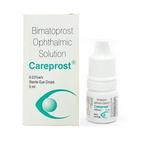
These drops gained immense popularity, demonstrating an incredibly fast and always noticeable result since its application. This innovative means will allow you to give your eyelashes an ideal look, strength and health, in whatever serious condition they are before the moment of its application. It is safe and effective providing amazing results.
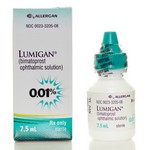
This means is prescribed to reduce eye pressure. Its active ingredient is synthetic prostaglandin bimatoprost – an unsaturated fatty acid, similar in its properties to hormones. Getting into the eye, drops help maintain the balance of the flow and outflow of eye fluid. It is a violation of this balance that leads to an increase in pressure, due to which the blood supply to the eye is impaired and the load on the optic nerve increases.

Bimatoprost reduces IOP in humans by increasing the outflow of aqueous humor through the trabecular meshwork and uveoscleral outflow. IOP reduction begins about 4 hours after the first use. The maximum effect is achieved after about 8–12 hours. The effect lasts for at least 24 hours.
Alternatives to Similasan Eye Drops
While Similasan Eye Drops can be a popular choice for various eye conditions, there are alternative options available that may also be effective. It’s important to consider the benefits and limitations of each alternative, including their efficacy, potential side effects, and cost.
Preservative-Free Artificial Tears
Preservative-free artificial tears are a common alternative to Similasan Eye Drops, particularly for those with dry eyes. These eye drops help lubricate the eyes and relieve symptoms of dryness, including itching and discomfort.
One option is Refresh Optive Advanced Preservative-Free Lubricant Eye Drops. These eye drops have been clinically proven to provide long-lasting relief for dry eye symptoms. They contain a combination of ingredients, including carboxymethylcellulose sodium and glycerin, which help maintain the health of the ocular surface.
Another alternative is Systane Ultra Preservative-Free Lubricant Eye Drops. These eye drops provide extended relief for dry eyes and are formulated with a combination of polyethylene glycol 400 and propylene glycol. They help reduce irritation and provide soothing comfort to the eyes.
It’s important to note that while preservative-free eye drops may be gentler on the eyes, they can be more expensive compared to eye drops with preservatives.
Antihistamine Eye Drops
For individuals experiencing symptoms of eye allergies, antihistamine eye drops can be a suitable alternative to Similasan Eye Drops. These eye drops work by blocking the release of histamine, which is responsible for triggering allergic reactions in the eyes.
An effective antihistamine eye drop is Alaway Antihistamine Eye Drops. These eye drops provide relief from itching, redness, and watery eyes caused by allergies. They contain the active ingredient ketotifen fumarate, which provides temporary relief for up to 12 hours.
It’s important to follow the instructions on the packaging and consult with a healthcare professional before using antihistamine eye drops, as they may not be suitable for everyone, particularly those with certain medical conditions or taking specific medications.
Blepharitis Treatment
For individuals with blepharitis, a common eyelid condition characterized by inflammation and itching, specific treatments may be necessary. These treatments often involve a combination of eyelid hygiene practices, warm compresses, and medicated eye drops.
One option for blepharitis treatment is Blephadex Eyelid Wipes. These wipes contain a gentle, preservative-free formula and are designed to clean and soothe the eyelids. They can be used regularly to remove debris and buildup on the eyelids, reducing inflammation and symptoms of blepharitis.
It’s important to consult with an eye specialist or healthcare professional for a proper diagnosis of blepharitis and personalized treatment recommendations.
Disclaimer: The information provided above is for informational purposes only. It is not intended to be a substitute for professional medical advice, diagnosis, or treatment. Always seek the advice of your physician or other qualified healthcare provider with any questions you may have regarding a medical condition.
Solatene Eye Drops: An Effective Steroid Alternative
Solatene Eye Drops is a prescription option that can be considered as an effective alternative to Similasan Eye Drops for certain eye conditions. While Similasan Eye Drops offer relief without harsh chemicals, Solatene Eye Drops provide anti-inflammatory effects without the potential side effects of steroids.
Steroids are commonly used in eye drops to reduce inflammation, but they can have side effects such as increased intraocular pressure, cataract formation, and delayed wound healing. Solatene Eye Drops, on the other hand, contain a non-steroidal anti-inflammatory agent called ketorolac tromethamine. This ingredient helps to reduce inflammation in the eyes while minimizing the risk of these side effects.
Solatene Eye Drops can be used to manage various eye conditions, including seasonal allergic conjunctivitis, postoperative inflammation, and pain following cataract surgery. It can also be used for the temporary relief of ocular itching due to seasonal allergies.
It is important to note that Solatene Eye Drops are only available by prescription and should be used under the guidance of a healthcare professional. Your doctor will determine the appropriate dose and frequency of use based on your specific condition.
When using Solatene Eye Drops, it is important to follow the instructions provided by your doctor or pharmacist. Usually, a few drops will be instilled into the affected eye(s) several times a day, as directed by your healthcare provider. It is important not to exceed the recommended dose or use the medication for longer than prescribed.
As with any medication, Solatene Eye Drops may have potential side effects. These can include eye discomfort, burning or stinging, blurred vision, and increased sensitivity to light. If you experience any persistent or severe side effects, it is important to contact your doctor for further evaluation.
Before starting any new eye treatment, it is always best to consult with your primary care physician or eye specialist. They will be able to provide personalized advice based on your individual eye health, medical history, and current medications. Additionally, they can discuss any potential interactions with other medications you may be taking.
Overall, Solatene Eye Drops can be considered as an effective alternative to Similasan Eye Drops for certain eye conditions. However, it is important to remember that every individual’s situation is unique, and what works for one person may not work for another. Consulting with a healthcare professional ensures that the most suitable treatment plan is selected based on your specific needs.
Mitomycin Chemotherapy Eye Drops: Side Effects and Uses
Mitomycin chemotherapy eye drops are a specialized medication used in certain eye surgeries to prevent scarring. These eye drops contain the drug mitomycin, which is a powerful anti-cancer agent. While mitomycin is primarily used in cancer treatment, its application in ophthalmology provides a unique benefit in preventing scarring and maintaining clear vision after eye surgeries.
Uses of Mitomycin Chemotherapy Eye Drops
Mitomycin chemotherapy eye drops are commonly used in procedures such as glaucoma surgery, refractive surgery (LASIK or PRK), and certain types of corneal surgery. These eye drops are typically applied during the surgical procedure to reduce the chance of excessive scarring and promote successful healing.
Potential Side Effects of Mitomycin Chemotherapy Eye Drops
While mitomycin chemotherapy eye drops can be highly effective in preventing scarring, they do carry potential side effects and risks that should be carefully monitored by healthcare professionals. Some of the side effects and risks associated with mitomycin chemotherapy eye drops include:
1. Corneal Toxicity: Prolonged use or excessive dosages of mitomycin chemotherapy eye drops can cause damage to the cornea, the clear front surface of the eye. Corneal toxicity may present as corneal ulceration, thinning, or haze, and can lead to vision problems if not managed appropriately.
2. Delayed Wound Healing: Mitomycin can slow down the natural healing process, which may result in delayed wound healing after eye surgery. This delayed healing can increase the risk of complications and infections. Regular follow-up visits with an eye specialist are necessary to monitor the healing process and ensure early detection of any issues.
It is important to note that while mitomycin chemotherapy eye drops have been extensively studied and used in ophthalmic surgeries, this medication should only be prescribed and monitored by a qualified healthcare professional.
Talking to Your Doctor or Eye Specialist
If you are considering or have been prescribed mitomycin chemotherapy eye drops for an eye surgery, it is crucial to consult with your primary care physician or eye specialist. They will be able to provide personalized advice based on your individual eye health, medical history, and current medications.
During your consultation, be sure to discuss any concerns or questions you may have regarding the use of mitomycin chemotherapy eye drops. Your healthcare provider will guide you through the benefits and potential risks associated with the medication, as well as provide instructions for usage and proper monitoring.
Remember, these specialized eye drops should only be used under the supervision of a healthcare professional to ensure safety and optimize the outcome of your eye surgery.
Talking to Your Doctor or Eye Specialist
When it comes to using Similasan Eye Drops or any other eye treatment, it is important to consult with your primary care physician or eye specialist. They are the best source of personalized advice based on your individual eye health, medical history, and current medications.
Your doctor or eye specialist will take into consideration your specific eye condition and recommend the most suitable treatment option for you. They will also guide you on how to properly use the eye drops and any potential side effects that you should be aware of.
During your consultation, it is important to provide your doctor or eye specialist with accurate and complete information about any pre-existing medical conditions you may have, such as allergies or chronic diseases. This will help them assess whether Similasan Eye Drops or an alternative treatment is appropriate for you.
If you have any concerns or questions about Similasan Eye Drops, don’t hesitate to ask your doctor or eye specialist. They can provide you with detailed information about the product, including its ingredients, efficacy, and potential side effects.
Remember that your doctor or eye specialist has access to authoritative sources of information and can provide you with evidence-based recommendations. They may also recommend additional tests or examinations to further evaluate your eye condition and determine the most appropriate treatment approach.
Some reputable sources of information on eye health and eye treatments include:
- American Academy of Ophthalmology: https://www.aao.org/
- American Optometric Association: https://www.aoa.org/
- National Eye Institute: https://www.nei.nih.gov/
- Mayo Clinic: https://www.mayoclinic.org/
By consulting with your doctor or eye specialist, you can make informed decisions about the best treatment options for your eye condition and ensure the health and well-being of your eyes.