Understanding Prescription Strength Eye Drops
Prescription strength eye drops are medications that are prescribed by eye care professionals to treat specific eye conditions. Unlike over-the-counter eye drops, prescription strength eye drops contain higher concentrations of active ingredients and are designed to provide targeted treatment for more severe or chronic eye conditions. It is important to understand the difference between prescription and over-the-counter eye drops and to consult with an eye care professional before using prescription strength eye drops.
Differentiating between Prescription and Over-the-Counter Eye Drops
Over-the-counter eye drops, also known as non-prescription eye drops, are available for purchase without a prescription. These eye drops are typically used for temporary relief of minor eye irritations, dryness, or redness caused by environmental factors such as dust, pollen, or screen time. They often contain lower concentrations of active ingredients and are not intended to treat underlying eye conditions or infections.
Prescription strength eye drops, on the other hand, are specifically formulated to treat various eye conditions such as glaucoma, conjunctivitis, uveitis, or dry eye syndrome. They may contain stronger medications or combinations of active ingredients that require a prescription from an eye care professional.
Importance of Prescription Strength for Specific Eye Conditions
Prescription strength eye drops are crucial for effectively managing specific eye conditions. These conditions may require stronger medications or specialized formulations that over-the-counter eye drops cannot provide. For example, glaucoma, a condition characterized by increased pressure in the eye, often requires prescription strength eye drops that can lower the intraocular pressure and prevent further damage to the optic nerve.
Similarly, severe cases of conjunctivitis or uveitis may require prescription strength eye drops containing steroids or antibiotics to reduce inflammation and fight off the infection. These eye drops are specially formulated to target the underlying cause of the condition and promote healing.
Importance of Consulting an Eye Care Professional before Using Prescription Strength Eye Drops
Before using prescription strength eye drops, it is crucial to consult with an eye care professional, such as an optometrist or ophthalmologist. These professionals can accurately diagnose your eye condition and determine the most suitable treatment option, which may include prescription strength eye drops.
An eye care professional can also provide guidance on the proper usage and application of prescription strength eye drops. They can instruct you on the correct dosage, frequency of use, and any additional precautions or recommendations specific to your eye condition.
It is important to follow the advice and instructions provided by your eye care professional to ensure the safe and effective use of prescription strength eye drops. They can also monitor your progress and make any necessary adjustments to your treatment plan.
By consulting an eye care professional, you can receive personalized advice and recommendations tailored to your specific eye condition, helping you to achieve optimal eye health and vision.
How to Use Besivance Eye Drops
Detailed instructions on administering besivance eye drops:
When using besivance eye drops, it is important to follow the instructions provided by your eye care professional. Here is a step-by-step guide on how to properly administer besivance eye drops:
- Wash your hands thoroughly with soap and water.
- Remove the cap from the besivance eye drop bottle.
- Tilt your head back and look up towards the ceiling.
- Gently pull down your lower eyelid with your index finger to create a small pocket.
- Hold the besivance eye drop bottle upside down and squeeze it to release one drop into the pocket formed by your lower eyelid. Be careful not to touch your eye or eyelid with the dropper tip to avoid contamination.
- Release your lower eyelid and close your eye for a few moments to allow the medication to spread evenly over the eye surface.
- If you need to use besivance eye drops in both eyes, repeat the process for the other eye.
- Replace the cap on the besivance eye drop bottle tightly.
- Wash your hands again to remove any residue.
Tips for proper application of the eye drops:
To ensure the effectiveness of besivance eye drops and minimize the risk of side effects, it is essential to follow these tips:
- Do not wear contact lenses while using besivance eye drops, unless otherwise instructed by your eye care professional. Contact lenses can interfere with the absorption and distribution of the medication.
- If you wear contact lenses, remove them before applying the eye drops and wait at least 15 minutes before reinserting them.
- Avoid touching the tip of the besivance eye drop bottle to any surface, as this can lead to contamination.
- Do not share your besivance eye drop bottle with others, as this can spread infection.
- Store the besivance eye drop bottle at room temperature, away from direct sunlight and moisture.
- If you miss a dose, apply it as soon as you remember. However, if it is almost time for your next dose, skip the missed dose and continue with your regular dosing schedule. Do not double the dose to make up for a missed one.
Recommended dosage and frequency of use for besivance eye drops:
The recommended dosage and frequency of use for besivance eye drops may vary depending on the specific eye condition being treated. It is crucial to consult with your eye care professional for personalized instructions. However, the usual dosage for besivance eye drops is one drop in the affected eye(s) three times a day. The treatment duration can range from a few days to several weeks, depending on the severity of the condition.
Potential side effects and precautions to consider while using besivance eye drops:
Like any medication, besivance eye drops can cause side effects in some individuals. It is essential to be aware of the potential side effects and take necessary precautions:
- Common side effects of besivance eye drops may include blurred vision, eye irritation, eye pain, itching, and redness.
- If you experience severe or persistent side effects, such as eye swelling, eye discharge, or changes in vision, stop using the eye drops and seek immediate medical attention.
- Inform your eye care professional about any allergies or medical conditions you have before using besivance eye drops.
- Tell your eye care professional about any other medications you are taking, including over-the-counter eye drops or prescription medications, to avoid potential drug interactions.
It is important to note that this information is for educational purposes only and should not replace professional medical advice. Always consult with your eye care professional for personalized guidance and recommendations.
Potential Side Effects of Alaway Eye Drops
Alaway eye drops are a popular choice for individuals who suffer from eye allergies. While they are generally considered safe and effective, there are some potential side effects that users should be aware of. By understanding these side effects, users can take proper precautions and seek medical attention if necessary.
Common Side Effects:
- Eye irritation
- Burning or stinging sensation
- Dry eyes
- Watery eyes
These common side effects are typically mild and may subside over time as your eyes adjust to the medication. However, if these side effects persist or worsen, it is important to consult with your eye care professional.
Severe Side Effects:
- Severe eye pain
- Blurred vision
- New or worsening eye redness
- Sensitivity to light
If you experience any of these severe side effects after using Alaway eye drops, it is important to seek immediate medical attention. These symptoms may indicate a more serious issue that requires prompt treatment.
It is important to note that allergic reactions to Alaway eye drops are possible but rare. If you experience symptoms such as rash, itching, swelling, or difficulty breathing after using the eye drops, stop using them immediately and seek medical help.
Precautions and Tips:
- Avoid touching the tip of the eye drop bottle to prevent contamination.
- Wait at least 5 minutes between using different eye medications if prescribed by a doctor.
- Do not wear contact lenses while using Alaway eye drops unless otherwise directed by your eye care professional.
By following these precautions and tips, you can minimize the risk of experiencing side effects from Alaway eye drops and ensure safe and effective treatment for your eye allergies.

Bimat eye drops are used to treat hypotrichosis, short, weak eyelashes. Bimat increases the length, thickness and enhances the color of eyelashes. These substances are also used to lower intraocular pressure in patients with a diagnosis of glaucoma. By reducing the pressure, the risk of blindness is significantly decreased.
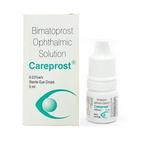
These drops gained immense popularity, demonstrating an incredibly fast and always noticeable result since its application. This innovative means will allow you to give your eyelashes an ideal look, strength and health, in whatever serious condition they are before the moment of its application. It is safe and effective providing amazing results.
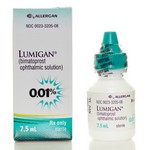
This means is prescribed to reduce eye pressure. Its active ingredient is synthetic prostaglandin bimatoprost – an unsaturated fatty acid, similar in its properties to hormones. Getting into the eye, drops help maintain the balance of the flow and outflow of eye fluid. It is a violation of this balance that leads to an increase in pressure, due to which the blood supply to the eye is impaired and the load on the optic nerve increases.

Bimatoprost reduces IOP in humans by increasing the outflow of aqueous humor through the trabecular meshwork and uveoscleral outflow. IOP reduction begins about 4 hours after the first use. The maximum effect is achieved after about 8–12 hours. The effect lasts for at least 24 hours.
Treating Eye Infections with Optrex Infected Eye Drops
Eye infections can be a common occurrence, causing discomfort and irritation. Optrex Infected Eye Drops are an effective solution for treating various types of eye infections. Understanding how to properly use these drops, the conditions they can treat, and the precautions to consider is essential for optimal results.
Overview of Optrex Infected Eye Drops
Optrex Infected Eye Drops are specifically formulated to combat bacterial infections that may affect the eyes. They contain an active ingredient called chloramphenicol, which is an antibiotic that helps to eliminate the bacteria causing the infection.
These eye drops are suitable for adults and children over the age of 2 years. They are available in a convenient and easy-to-use bottle, making the application process hassle-free.
Proper Usage and Application
When using Optrex Infected Eye Drops, it is vital to follow the instructions provided and consult with your eye care professional if necessary. Here is a step-by-step guide on how to use these eye drops:
- Wash your hands thoroughly with soap and water before handling the eye drops.
- Remove the cap from the bottle.
- Tilt your head back and pull down your lower eyelid slightly to create a small pocket. This will help prevent the drops from rolling off your eye.
- Hold the bottle upside down, allowing a single drop to fall into the pocket created by your lower eyelid. Avoid touching your eye or eyelid with the dropper tip to prevent contamination.
- Release your eyelid and gently close your eye. Gently press on the inner corner of your eye for about a minute. This helps to prevent the drops from draining into your tear duct and increases absorption into the affected area.
- If applying drops to both eyes, repeat the process on the other eye.
- Replace the cap on the bottle tightly after use.
Common Eye Infections that Can Be Treated
Optrex Infected Eye Drops can effectively treat a range of bacterial eye infections, including:
- Conjunctivitis (pink eye)
- Blepharitis (inflammation of the eyelids)
- Styes (infection of the eyelash follicle)
- Corneal ulcers (open sores on the cornea)
It is important to note that these eye drops are designed to treat bacterial infections and may not be effective for viral or fungal eye infections. If you suspect you have a different type of eye infection, it is recommended to consult with your eye care professional for an accurate diagnosis and appropriate treatment.
Precautions and Considerations
While Optrex Infected Eye Drops are generally safe to use, it is important to take certain precautions and consider the following:
- Only use these eye drops for the specific purpose of treating eye infections and follow the recommended dosage and frequency of use.
- Do not use these eye drops if you are allergic to chloramphenicol or any other ingredients in the product.
- Avoid wearing contact lenses while using Optrex Infected Eye Drops. If you must wear contact lenses, remove them before applying the drops and wait at least 15 minutes before reinserting them.
- Avoid sharing these eye drops with others, as each person’s infection may have different causes and require specific treatment.
- If you experience any worsening of symptoms or new side effects while using Optrex Infected Eye Drops, discontinue use and consult with your eye care professional.
These precautions and considerations are important to ensure the safe and effective use of Optrex Infected Eye Drops. By following these guidelines and seeking professional advice when needed, you can effectively manage and treat eye infections.
Understanding bromfenac eye drops and their brand names
Bromfenac eye drops are a type of nonsteroidal anti-inflammatory drug (NSAID) that is commonly used to treat inflammation and pain in the eyes. They work by reducing the production of certain substances in the body that cause inflammation. Bromfenac eye drops are typically prescribed by eye care professionals to treat a variety of conditions, including postoperative inflammation, dry eye syndrome, and allergic conjunctivitis.
When it comes to brand names, there are several options available for bromfenac eye drops. Some of the common brand names include:
- Prolensa
- Bromday
- Xibrom
These brand names may vary depending on the country or region, but they all contain the active ingredient bromfenac. It’s important to note that while these brand names may sound unfamiliar, they are reputable and widely used in the medical community.
Bromfenac eye drops are typically prescribed for short-term use and come in the form of a liquid solution. They are typically applied to the affected eye(s) once daily, unless otherwise instructed by an eye care professional.
Like any medication, bromfenac eye drops do come with some potential side effects and precautions. Common side effects may include mild eye irritation, blurred vision, or a feeling of something in the eye. These side effects are generally temporary and should resolve on their own.
In rare cases, bromfenac eye drops may cause more severe side effects such as eye pain, increased redness, or changes in vision. If any of these symptoms occur, it’s important to seek medical attention right away.
It’s also worth noting that certain individuals may be more susceptible to the side effects of bromfenac eye drops. This includes individuals with a history of eye problems, such as cataracts or glaucoma, as well as those with a known allergy to NSAIDs.
Before starting treatment with bromfenac eye drops, it’s important to inform your eye care professional about any underlying medical conditions or medications you may be taking. They can provide personalized advice and guidance to ensure the safe and effective use of bromfenac eye drops.
Overall, bromfenac eye drops are a commonly prescribed medication for the treatment of eye inflammation and pain. When used as directed and under the guidance of an eye care professional, they can provide relief and help improve eye health.
Frequently Asked Questions About Prescription Strength Eye Drops
1. What Are Prescription Strength Eye Drops?
Prescription strength eye drops are medications that are prescribed by a healthcare professional to treat specific eye conditions. Unlike over-the-counter eye drops, prescription strength eye drops contain higher concentrations of active ingredients and are generally more potent. These eye drops are typically used for more serious eye conditions that require stronger treatment.
2. When Should I Consider Using Prescription Strength Eye Drops?
Prescription strength eye drops are recommended for various eye conditions such as severe allergies, glaucoma, infections, inflammation, and dry eyes. If you have tried over-the-counter eye drops without experiencing relief or if you have been diagnosed with a specific eye condition that requires stronger treatment, your eye care professional may prescribe prescription strength eye drops.
3. How Do I Use Prescription Strength Eye Drops?
It is important to follow the instructions provided by your eye care professional and the specific instructions included with the eye drop medication. Generally, you should wash your hands before using the eye drops and tilt your head back while pulling your lower eyelid down to create a small pocket. Gently squeeze the prescribed amount of medication into the pocket and then close your eye for a few seconds to allow the medication to spread evenly. Avoid touching the tip of the applicator to prevent contamination.
4. What Are the Common Side Effects of Prescription Strength Eye Drops?
The side effects of prescription strength eye drops can vary depending on the specific medication and individual. Common side effects may include temporary stinging or burning sensation, temporary blurred vision, itching, redness, and watering of the eyes. These side effects are usually mild and go away on their own. However, if you experience severe or persistent side effects, it is important to consult your eye care professional.
5. Are There Any Precautions I Should Take When Using Prescription Strength Eye Drops?
Some precautions to consider when using prescription strength eye drops include:
– Do not use the eye drops if you are allergic to any of the ingredients.
– Inform your eye care professional about any other medications or supplements you are taking to avoid potential interactions.
– Do not share your prescription eye drops with others to prevent the spread of infections.
– Store the eye drops according to the instructions provided, generally in a cool and dry place.
– If you wear contact lenses, consult your eye care professional about whether you should remove them before using the eye drops.
6. Can I Use Prescription Strength Eye Drops with Other Over-the-Counter Eye Drops?
It is important to consult your eye care professional before using prescription strength eye drops in combination with other over-the-counter eye drops. They can provide guidance on whether it is safe to use them together and the appropriate timing for application. Mixing different eye drops without professional advice can potentially cause adverse reactions or reduce the effectiveness of the medications.
7. How Long Should I Use Prescription Strength Eye Drops?
The duration of use for prescription strength eye drops can vary depending on your specific condition and the prescribed treatment plan. It is important to follow the instructions and recommendations of your eye care professional. In some cases, eye drops may be used for a short period of time to treat acute conditions, while in other cases they may be prescribed for long-term management of chronic conditions.
8. What Should I Do If I Experience Severe Side Effects?
If you experience severe side effects from prescription strength eye drops, such as excessive redness, severe pain, vision changes, or swelling, it is important to seek immediate medical attention. These symptoms may indicate an allergic reaction or a more serious underlying condition that requires prompt evaluation and treatment.
9. Can Prescription Strength Eye Drops Cure My Eye Condition?
Prescription strength eye drops can help manage and relieve the symptoms of certain eye conditions, but they may not necessarily cure the underlying condition. It is important to consult with your eye care professional for a comprehensive diagnosis and treatment plan. They can provide guidance on the expected outcomes and discuss any additional treatments or interventions that may be necessary.
In conclusion, prescription strength eye drops can be an effective treatment option for various eye conditions. However, it is crucial to follow the guidance of your eye care professional and use them as prescribed. If you have any questions or concerns about prescription strength eye drops, it is best to consult with your healthcare provider for personalized advice and recommendations tailored to your specific needs.
Conclusion
In conclusion, the use of prescription strength eye drops should only be undertaken after consulting with an eye care professional. These eye drops are specifically formulated to treat various eye conditions and require a prescription due to their potency and potential side effects.
It is important to follow the guidance and recommendations of an eye care professional when using prescription strength eye drops. They can provide valuable advice on the proper usage, dosage, and frequency of use for each specific eye condition. Additionally, they can help monitor any potential side effects and make adjustments to the treatment plan if necessary.
While there are over-the-counter eye drops available, they may not be as effective or suitable for treating certain eye conditions. It is crucial to understand that prescription strength eye drops are designed to target specific issues and provide more targeted relief. Relying solely on over-the-counter options may delay proper treatment and potentially worsen the condition.
When using prescription strength eye drops, it is important to carefully adhere to the recommended dosage and frequency. Overusing or underusing these medications can affect their effectiveness and may lead to undesirable outcomes. It is advisable to set reminders or create a schedule to ensure consistent use of prescription strength eye drops.
It is also crucial to be aware of any potential side effects associated with prescription strength eye drops. While they may vary depending on the specific medication and individual factors, common side effects may include stinging, burning, or redness in the eyes. If any severe side effects, such as vision changes or persistent discomfort, occur, it is important to seek immediate medical attention.
To ensure the safe and effective use of prescription strength eye drops, it is essential to be informed and educated about these medications. Reliable sources of information include reputable medical websites and publications. Some helpful resources include American Academy of Ophthalmology, Mayo Clinic, and National Eye Institute. These sources offer comprehensive and up-to-date information on eye health, medications, and treatment options.
In summary, prescription strength eye drops can be a valuable tool in managing various eye conditions, but their use should be approached with caution and under professional guidance. By consulting with an eye care professional, following their advice, and staying informed, individuals can safely and effectively use prescription strength eye drops to improve their eye health.