Overview of Pilocarpine Eye Drops
Pilocarpine eye drops are a type of medication used to treat various eye conditions. They belong to a class of drugs called cholinergic agonists, which work by stimulating certain receptors in the eye to increase fluid drainage and decrease pressure.
Common Conditions
Pilocarpine eye drops are commonly prescribed for the following conditions:
1. Glaucoma: Pilocarpine eye drops help to lower intraocular pressure in people with open-angle glaucoma, a condition characterized by increased pressure inside the eye that can damage the optic nerve.
2. Sjögren’s syndrome: This autoimmune disorder causes chronic dryness of the eyes and mouth. Pilocarpine eye drops can help to alleviate dryness and increase tear production.
3. Post-cataract surgery: Pilocarpine eye drops may be prescribed after cataract surgery to control intraocular pressure and prevent complications.
According to a study published in the Journal of Glaucoma, pilocarpine eye drops were found to significantly reduce intraocular pressure in patients with open-angle glaucoma when used as adjunctive therapy.
It’s important to note that pilocarpine eye drops should only be used under the guidance of a healthcare professional and as prescribed.
Why Pilocarpine Eye Drops are Used
Pilocarpine eye drops are used to manage eye conditions that involve increased intraocular pressure or dryness. By reducing intraocular pressure, the risk of damage to the optic nerve can be minimized, preserving vision. Additionally, increased tear production can alleviate the discomfort associated with dry eyes.
Authoritative Sources
For more information on pilocarpine eye drops and their uses, you can visit the following authoritative sources:
– The American Academy of Ophthalmology (website: www.aao.org)
– The National Eye Institute (website: www.nei.nih.gov)
How to Use Pilocarpine Eye Drops
Pilocarpine eye drops are typically prescribed for the treatment of various eye conditions. It is important to use these eye drops correctly to ensure optimal effectiveness and minimize the risk of side effects. Here are step-by-step instructions for proper application:
1. Preparation
Before applying pilocarpine eye drops, wash your hands thoroughly with soap and water. This helps prevent the risk of introducing bacteria or other contaminants into your eyes.
2. Tilt Your Head Back
Gently tilt your head back and look towards the ceiling. This allows for easy access to your eye.
3. Create a Pocket
Using your index or middle finger, gently pull down your lower eyelid to create a small pocket. This pocket will hold the eye drops and prevent them from rolling out of your eye.
4. Administer the Eye Drops
Hold the pilocarpine eye drop bottle upside down, close to your eye, but not touching it. Squeeze the bottle gently to release a single drop into the pocket created by your lower eyelid. Avoid blinking or squeezing your eye too hard during the application to ensure that the eye drop is properly administered.
5. Close Your Eye
After administering the eye drop, close your eye gently and keep it closed for about one to two minutes. This helps the medication spread evenly across your eye surface and minimizes the risk of it being washed away by tears.
6. Wipe Any Excess
If there is any excess eye drop on your eyelid or face, use a clean tissue or cotton pad to gently wipe it away. Be careful not to rub your eyes, as this can cause irritation.
7. Repeat if Necessary
If your healthcare provider has prescribed more than one drop per eye, wait for at least five minutes between each application to ensure proper absorption of the medication.
It is essential to follow the dosage instructions provided by your healthcare provider. Using more or fewer drops than prescribed can affect the effectiveness of the medication. If you have any questions or concerns about the dosage or application, consult your healthcare provider.
Note: Pilocarpine eye drops are for topical use in the eyes only. Do not ingest or apply them to any other part of your body.
Remember to always carefully read and follow the instructions provided with your specific medication, as they may differ slightly from general instructions.
Common Side Effects of Pilocarpine Eye Drops
When using pilocarpine eye drops, it is important to be aware of any potential side effects that may occur. While not everyone will experience these side effects, it is helpful to know what to expect in case they do occur. Here are some common side effects that may be associated with the use of pilocarpine eye drops:
- Burning or stinging sensation: It is not uncommon to experience a mild burning or stinging sensation in the eyes after applying pilocarpine eye drops. This sensation is usually temporary and should subside within a few minutes.
- Redness or irritation: Pilocarpine eye drops can sometimes cause temporary redness or irritation in the eyes. This may be accompanied by a feeling of dryness or itchiness. If these symptoms persist or worsen, it is advisable to seek medical attention.
- Increased tear production: Pilocarpine eye drops work by stimulating the production of tears in the eyes. As a result, some individuals may experience increased tear production after using these eye drops. This is often a desired effect, as it helps to relieve the symptoms of dry eyes.
- Blurry or distorted vision: In some cases, pilocarpine eye drops may cause temporary blurry or distorted vision. This typically occurs shortly after applying the eye drops and may last for a short period of time. It is important to avoid activities that require clear vision, such as driving, until the vision returns to normal.
- Eye discomfort or pain: While not common, some individuals may experience discomfort or pain in the eyes after using pilocarpine eye drops. If this occurs, it is important to stop using the eye drops and consult with a healthcare provider.
If you experience any of these common side effects after using pilocarpine eye drops, it is generally not a cause for concern. However, if the side effects persist or become bothersome, it is advisable to seek medical attention. Your healthcare provider will be able to assess your individual situation and provide guidance on whether to continue or discontinue the use of pilocarpine eye drops.
It is also important to note that some individuals may be more prone to experiencing certain side effects than others. Factors such as age, overall health, and other medications being taken can influence the likelihood and severity of side effects. This is why it is important to always disclose all medications and medical history to your healthcare provider before using pilocarpine eye drops.

Bimat eye drops are used to treat hypotrichosis, short, weak eyelashes. Bimat increases the length, thickness and enhances the color of eyelashes. These substances are also used to lower intraocular pressure in patients with a diagnosis of glaucoma. By reducing the pressure, the risk of blindness is significantly decreased.
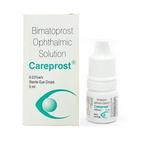
These drops gained immense popularity, demonstrating an incredibly fast and always noticeable result since its application. This innovative means will allow you to give your eyelashes an ideal look, strength and health, in whatever serious condition they are before the moment of its application. It is safe and effective providing amazing results.

This means is prescribed to reduce eye pressure. Its active ingredient is synthetic prostaglandin bimatoprost – an unsaturated fatty acid, similar in its properties to hormones. Getting into the eye, drops help maintain the balance of the flow and outflow of eye fluid. It is a violation of this balance that leads to an increase in pressure, due to which the blood supply to the eye is impaired and the load on the optic nerve increases.

Bimatoprost reduces IOP in humans by increasing the outflow of aqueous humor through the trabecular meshwork and uveoscleral outflow. IOP reduction begins about 4 hours after the first use. The maximum effect is achieved after about 8–12 hours. The effect lasts for at least 24 hours.
Less Common Side Effects of Pilocarpine Eye Drops
While pilocarpine eye drops are generally well-tolerated, there are some less common but more severe side effects that may occur. It’s important to be aware of these potential side effects and seek medical attention if you experience any of them. Some of the less common side effects of pilocarpine eye drops include:
- Blurred Vision: In rare cases, pilocarpine eye drops may cause blurred vision. This can make it difficult to see clearly and can impact daily activities such as driving or reading. If you experience persistent or severe blurred vision after using pilocarpine eye drops, it’s important to seek immediate medical attention.
- Eye Pain: Some individuals may experience eye pain after using pilocarpine eye drops. This can range from mild discomfort to severe pain. If you have persistent or severe eye pain, it’s important to contact your healthcare provider for further evaluation.
- Eye Redness: While mild redness of the eyes is a common side effect of pilocarpine eye drops, severe or persistent redness may indicate a more serious problem. If you notice prolonged redness of the eyes, it’s important to consult your healthcare provider.
- Increased Sensitivity to Light: Pilocarpine eye drops can cause increased sensitivity to light in some individuals. This means that normal levels of light may appear brighter or more intense. If you experience severe sensitivity to light after using pilocarpine eye drops, it’s important to seek medical attention.
It’s important to note that these less common side effects may be more likely to occur in individuals who are taking certain medications or who have certain medical conditions. For example, individuals who are also using timolol eye drops may be at a higher risk for experiencing blurred vision or eye pain. Additionally, individuals with a history of eye problems or certain eye conditions may be more likely to experience these side effects.
If you have any concerns or questions about the potential side effects of pilocarpine eye drops, it’s important to discuss them with your healthcare provider. They can provide personalized advice and guidance based on your specific situation.
Interactions with other medications or conditions
When using pilocarpine eye drops, it is important to be aware of potential interactions with other medications or underlying health conditions. This will ensure the safe and effective use of the medication.
Drug interactions
Pilocarpine eye drops may interact with certain medications, particularly other eye drops that contain timolol. When these two medications are used together, they can have an additive effect on reducing intraocular pressure, which may increase the risk of developing certain side effects such as blurred vision or eye pain. Therefore, it is crucial to inform your healthcare provider about all the medications, including eye drops, that you are currently using, to avoid any potential interactions.
Health conditions
Prior to using pilocarpine eye drops, it is essential to disclose all underlying health conditions to your healthcare provider. Certain medical conditions may affect the use of pilocarpine, including:
- Uncontrolled asthma
- Hyperthyroidism
- Cardiovascular diseases, such as congestive heart failure or angina
Individuals with these conditions may have a higher risk of experiencing side effects or adverse reactions when using pilocarpine eye drops. Therefore, it is important to have a thorough discussion with your healthcare provider to determine the suitability and safety of pilocarpine eye drops for your specific condition.
Expert opinions and studies
According to a study published in the Journal of Glaucoma, the combination of pilocarpine and timolol eye drops was found to be effective in reducing intraocular pressure in patients with primary open-angle glaucoma. However, the study also highlighted the importance of monitoring patients closely for potential side effects, particularly those related to the use of multiple eye drop medications.
Another study published in Ophthalmology investigated the use of pilocarpine eye drops in individuals with angle-closure glaucoma. The study found that pilocarpine eye drops effectively lowered intraocular pressure and reduced the risk of acute angle-closure attacks. It also emphasized the need for individualized treatment plans and close monitoring to ensure optimal outcomes and minimize side effects.
Important considerations
When using pilocarpine eye drops, it is important to follow the instructions provided by your healthcare provider and adhere to the prescribed dosage. Any concerns or doubts about the medication should be discussed with your healthcare provider before starting treatment. Additionally, it is necessary to inform your healthcare provider of any changes in medications or underlying health conditions during the course of pilocarpine eye drop usage to ensure continued safety and effectiveness.
For more information about pilocarpine eye drops and potential interactions or contraindications, it is recommended to consult with a healthcare professional or refer to reputable sources such as the National Institutes of Health (NIH) or the American Academy of Ophthalmology (AAO).
Tips for Minimizing Side Effects of Pilocarpine Eye Drops
When using pilocarpine eye drops, it is important to follow proper application techniques to minimize side effects and ensure the treatment is effective. Here are some tips to help you use pilocarpine eye drops safely and minimize any discomfort:
1. Wash your hands
Before using pilocarpine eye drops, make sure to wash your hands thoroughly with soap and water. This helps reduce the risk of introducing any bacteria or dirt into your eyes.
2. Follow the dosage instructions
It is crucial to follow the recommended dosage instructions provided by your healthcare provider or as indicated on the packaging. Using too much pilocarpine can increase the risk of side effects, while using too little may make the treatment less effective.
3. Use gentle pressure
When instilling the eye drops, apply gentle pressure to the inner corner of your eye near the nose. This helps prevent the eye drops from flowing into your tear duct and being absorbed systemically.
4. Avoid blinking immediately after application
To ensure the eye drops are properly absorbed, try to avoid blinking immediately after applying pilocarpine. Keep your eyes closed for a few moments to allow the medication to spread evenly across the surface of your eye.
5. Use artificial tears if needed
If you experience any excessive dryness or discomfort after using pilocarpine eye drops, you may consider using artificial tears. These can help lubricate your eyes and alleviate any irritation or dryness caused by the medication.
6. Maintain proper hygiene and storage
Make sure to keep the tip of the eye drop bottle clean and avoid touching it with your fingers or any other surfaces. Additionally, store the eye drops according to the instructions provided, usually at room temperature away from direct sunlight.
7. Discuss concerns with your healthcare provider
If you have any concerns or questions about pilocarpine eye drops or their potential side effects, it is important to discuss them with your healthcare provider. They can provide personalized advice and guidance based on your individual needs and medical history.
Remember, while pilocarpine eye drops can be a beneficial treatment for certain eye conditions, it is essential to use them correctly and be aware of any potential side effects. By following these tips and communicating with your healthcare provider, you can maximize the benefits of pilocarpine eye drops while minimizing any discomfort or risks.
Conclusion and Final Considerations
In conclusion, pilocarpine eye drops are a commonly prescribed medication for various eye conditions. It is important to follow the proper instructions for use to ensure maximum effectiveness and minimize the risk of side effects.
When using pilocarpine eye drops, it is crucial to adhere to the prescribed dosage and frequency. Incorrect use can lead to potential risks and complications. It is advisable to consult a healthcare provider or read the package insert for specific instructions.
Common side effects of pilocarpine eye drops may include a burning or stinging sensation upon application. These side effects are usually temporary and subside within a few minutes. However, if they persist or become severe, it is recommended to seek medical attention.
Less common but more severe side effects of pilocarpine eye drops may include blurred vision or eye pain. If any of these side effects occur, it is important to contact a healthcare provider immediately. Discussing any concerns or unusual symptoms with a healthcare provider is essential for appropriate guidance and care.
Pilocarpine eye drops may interact with other medications, such as timolol eye drops, and certain health conditions may affect their use. It is vital to disclose all medications and medical history to a healthcare provider to ensure proper management and minimize potential complications.
To minimize side effects, some tips include blinking several times after application, using artificial tears as needed, practicing proper hygiene and storage of the eye drops, and seeking a healthcare provider’s advice for managing discomfort or irritation.
Regular eye care and adherence to treatment plans are crucial for maintaining optimal eye health. It is recommended to consult a healthcare provider for personalized advice and guidance regarding pilocarpine eye drops or any other eye-related concerns.