Benefits of using eye drops for various eye conditions
Eye drops are widely used for managing a range of eye conditions, including dry eyes, redness, itchiness, and allergies. They offer several benefits in promoting eye health and providing relief from discomfort. Here are some key advantages of using eye drops:
- Lubrication: Eye drops help lubricate the eyes, reducing dryness and providing a soothing effect. They can help relieve the discomfort associated with dry eye syndrome, which is a common condition caused by insufficient tear production.
- Relief from discomfort: Eye drops can provide immediate relief from symptoms such as redness, itchiness, and irritation. They contain ingredients that help reduce inflammation and alleviate discomfort caused by various eye conditions.
- Inflammation reduction: Certain eye drops, such as those containing anti-inflammatory ingredients like corticosteroids, can help reduce inflammation in the eyes. This is particularly beneficial for individuals with conditions such as conjunctivitis or uveitis.
- Treatment of allergies: Eye drops formulated specifically for allergies can help alleviate symptoms of allergic conjunctivitis, such as itching, redness, and watery eyes. They work by blocking the histamine response and reducing inflammation in the eyes.
- Promoting healing: Eye drops can aid in the healing process of certain eye conditions, such as corneal abrasions or after eye surgeries. They provide a moist environment that supports the healing of tissues and reduces the risk of infection.
Overall, eye drops are a convenient and effective treatment option for many people, offering quick relief and promoting healing. They can improve overall eye health and enhance comfort, making them an essential part of managing various eye conditions.
Overview of FSA and its coverage for eye drops
A Flexible Spending Account (FSA) is a type of healthcare savings account that allows individuals to set aside pre-tax dollars for eligible medical expenses. When it comes to eye drops, FSA coverage can vary depending on the specific plan and the recommendations of the employers or plan administrators.
Eligibility of Eye Drops under FSA
- Eye drops are generally considered eligible expenses under FSA as they are used for the treatment of medically recognized eye conditions.
- Eye drops can be used for managing various eye conditions such as dry eyes, redness, itchiness, and allergies. They provide lubrication, relief from discomfort, reduce inflammation, and improve overall eye health.
- It’s important to understand that FSA coverage may depend on whether the eye drops are available over-the-counter or require a prescription.
Prescription Eye Drops and FSA Coverage
Prescription eye drops are more likely to be covered by FSA. These are eye drops that require a prescription from a healthcare provider. Prescription eye drops are often used for treating more severe or chronic eye conditions and may contain ingredients that are not available in over-the-counter options.
Over-the-Counter Eye Drops and FSA Coverage
Over-the-counter eye drops may also be eligible for FSA coverage, but it can vary depending on the FSA plan. In some cases, a written prescription from a healthcare provider may be required to consider over-the-counter eye drops as eligible expenses under FSA.
Specific Restrictions and Limitations
Some FSA plans may have specific restrictions or limitations on the types of eye drops covered. This can include only covering certain brands or formulations of eye drops. It is important to review the FSA plan documents or contact the plan administrator for specific information regarding coverage.
Documentation for FSA Reimbursement
In order to be reimbursed by FSA for eye drops, it is important to keep track of receipts and, if necessary, obtain prescriptions for eligible eye drops. This documentation may be required when filing for reimbursement.
Overall, understanding the guidelines and limitations of FSA plans is essential for determining eligibility and coverage for eye drop expenses. It is recommended to review the FSA plan documents, consult with healthcare providers, and contact the plan administrator for specific information.
Key factors affecting FSA coverage for eye drops
When it comes to FSA coverage for eye drops, there are several key factors to consider. These factors can determine whether or not your FSA will cover the cost of eye drops, and what conditions or requirements must be met in order to qualify for reimbursement. It is important to keep these factors in mind when determining your FSA coverage for eye drops.
1. Over-the-counter vs. prescription eye drops: One of the main factors that can impact FSA coverage for eye drops is whether the drops are available over-the-counter or require a prescription. Generally, prescription eye drops are more likely to be covered by FSA, while over-the-counter drops may require a written prescription from a healthcare provider to be considered eligible.
2. Specific restrictions or limitations: Some FSA plans may have specific restrictions or limitations on the types of eye drops that are covered. For example, certain plans may only cover specific brands or formulations of eye drops. It is important to review your FSA plan documents or contact your plan administrator to understand any specific guidelines or limitations that may apply to your coverage.
3. Plan guidelines and documentation requirements: FSA coverage for eye drops may also be subject to specific guidelines and documentation requirements. Some plans may require a diagnosis or written prescription from a healthcare provider in order to qualify for reimbursement. It is important to review your FSA plan documents to understand what documentation is required and how to properly submit claims for reimbursement.
4. Plan coverage limits: Another factor to consider is the coverage limits of your FSA plan. Some plans may have a maximum limit on the amount of money that can be reimbursed for eye drops in a given year. It is important to understand these limits and plan accordingly to ensure you are maximizing your FSA funds.
Overall, understanding these key factors can help you determine your FSA coverage for eye drops. It is important to review your FSA plan documents and consult with your plan administrator or healthcare provider for specific information and guidance.

Bimat eye drops are used to treat hypotrichosis, short, weak eyelashes. Bimat increases the length, thickness and enhances the color of eyelashes. These substances are also used to lower intraocular pressure in patients with a diagnosis of glaucoma. By reducing the pressure, the risk of blindness is significantly decreased.
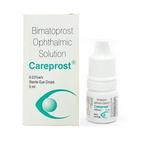
These drops gained immense popularity, demonstrating an incredibly fast and always noticeable result since its application. This innovative means will allow you to give your eyelashes an ideal look, strength and health, in whatever serious condition they are before the moment of its application. It is safe and effective providing amazing results.
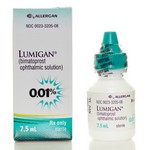
This means is prescribed to reduce eye pressure. Its active ingredient is synthetic prostaglandin bimatoprost – an unsaturated fatty acid, similar in its properties to hormones. Getting into the eye, drops help maintain the balance of the flow and outflow of eye fluid. It is a violation of this balance that leads to an increase in pressure, due to which the blood supply to the eye is impaired and the load on the optic nerve increases.

Bimatoprost reduces IOP in humans by increasing the outflow of aqueous humor through the trabecular meshwork and uveoscleral outflow. IOP reduction begins about 4 hours after the first use. The maximum effect is achieved after about 8–12 hours. The effect lasts for at least 24 hours.
How to Determine FSA Coverage for Eye Drops
When it comes to determining FSA coverage for eye drops, there are a few key steps to follow. By understanding your FSA plan and its guidelines, you can ensure that you make the most of your eligible expenses. Here’s how to determine FSA coverage for eye drops:
- Review your FSA plan documents: Start by thoroughly reviewing the documents provided by your FSA plan. These documents will outline the specific guidelines and limitations for coverage, including any restrictions on eligible eye drops. Pay attention to any information regarding prescription and over-the-counter eye drops.
- Contact your plan administrator: If you have any questions or need clarification, reach out to your plan administrator. They can provide you with detailed information about FSA coverage for eye drops and help you navigate any specific requirements or documentation that may be necessary for reimbursement.
- Understand coverage limits: Familiarize yourself with any coverage limits set by your FSA plan. Some plans may have annual maximums or specific dollar amounts allocated for eye drop expenses. Knowing these limits will help you plan your purchases and expenses accordingly.
- Keep track of receipts: It’s crucial to keep track of receipts for any eye drop purchases. This documentation will be required when filing for reimbursement. Make sure to include the date of purchase, the name of the eye drop product, and the cost. Keeping organized records will simplify the reimbursement process and ensure that you receive the maximum eligible amount.
- Obtain prescriptions if required: If your FSA plan requires prescriptions for over-the-counter eye drops to be considered eligible, make sure to obtain a written prescription from your healthcare provider. Some plans may have specific guidelines regarding the format or information that the prescription should include, so it’s important to follow these requirements.
By following these steps, you can determine the coverage for eye drops under your FSA plan and ensure that you comply with any guidelines and documentation requirements. Keeping organized and informed about your FSA coverage will help you make the most of your healthcare savings account.
Alternative Options for Managing Eye Conditions Without Traditional Eye Drops
While eye drops are a common and effective treatment option for various eye conditions, some individuals may be interested in exploring alternative methods for managing their eye health. These alternative options can be particularly helpful for individuals who prefer natural remedies or have sensitivities to certain medications. Here are some alternative options to consider:
1. Warm Compresses
Using warm compresses can help alleviate symptoms of certain eye conditions, such as dry eyes and styes. Applying a warm, damp washcloth to the eyes can help increase circulation, stimulate the production of natural tears, and relieve discomfort. This method can be especially beneficial for individuals who spend long hours in front of screens or in dry environments.
2. Good Eye Hygiene
Practicing good eye hygiene is essential for maintaining eye health. This includes regularly washing your hands before touching your eyes, avoiding rubbing or touching the eyes excessively, and properly cleaning contact lenses. Additionally, it is important to remove eye makeup before going to bed to prevent potential irritation or infections.
3. Environmental Triggers
Avoiding environmental triggers can help reduce symptoms of eye conditions such as allergies or sensitivity to certain substances. Individuals with allergies may benefit from minimizing exposure to common allergens like pollen, pet dander, or dust mites. Wearing protective eyewear, such as sunglasses, can also reduce exposure to irritants like wind, dust, and sunlight.
While these alternative options can provide relief for minor eye issues, it is essential to consult with a healthcare provider or ophthalmologist for more severe or chronic conditions. They can provide expert advice tailored to your specific needs and recommend appropriate treatment options.
Making Homemade Eye Drops for Cats: A Cost-Effective Option for Minor Eye Issues
If you have a cat with minor eye issues, you may be interested in exploring cost-effective alternatives to traditional eye drops. Making homemade eye drops for cats can be a simple and affordable solution, using ingredients you may already have at home. Here are some DIY options for making homemade eye drops for cats:
1. Saline Solution
One option for homemade eye drops is using a saline solution. Saline is a sterile saltwater solution that can help clean and soothe the eyes. You can easily make a saline solution by mixing 1/4 teaspoon of salt with 1 cup of boiled water. Allow the solution to cool completely before using it as eye drops for your cat.
2. Brewed Green Tea
Green tea has soothing properties and can help reduce inflammation. You can make homemade eye drops using brewed green tea. Brew the tea as you normally would, allowing it to cool completely. Use a clean dropper or syringe to administer a few drops of the cooled tea into your cat’s eyes.
When making homemade eye drops for cats, it is essential to follow proper hygiene practices. Make sure all equipment, such as droppers or syringes, is clean and sterilized before using. It is also crucial to consult with a veterinarian for guidance before using homemade eye drops, especially if your cat has persistent or severe eye issues.
While homemade eye drops can be a cost-effective option for managing minor eye issues in cats, it is important to seek professional veterinary care for more serious or persistent eye problems. A veterinarian can provide a proper diagnosis and recommend appropriate treatment options for your cat’s specific condition.
Conclusion
Eye drops are a convenient and effective treatment option for managing a variety of eye conditions. They can provide relief from discomfort, reduce inflammation, and improve overall eye health. When it comes to FSA coverage, eye drops are generally eligible expenses, but it is important to understand the specific guidelines and limitations of your FSA plan.
To determine FSA coverage for eye drops, review your plan documents or contact your plan administrator for specific information. Pay attention to coverage limits, guidelines, and any documentation requirements that may be set by the FSA plan.
It is also beneficial to keep track of receipts and obtain prescriptions for eligible eye drops. This documentation can be useful when filing for reimbursement from the FSA.
While eye drops are a common and effective option, it is worth considering alternative methods for managing eye conditions. Natural remedies and lifestyle changes, such as warm compresses, good eye hygiene, and avoiding triggers, can provide relief for minor eye issues.
However, it is important to note that alternative methods may not be suitable for more severe or chronic conditions that require medication. Consulting with healthcare providers and veterinarians is essential for appropriate use and to explore alternative options.