Should eye drops sting when you put them in?
When applying eye drops, it is not uncommon to experience a stinging sensation. However, it is important to understand the potential reasons behind this discomfort and how to minimize it. Here, we will explore some possible causes and provide tips for a more comfortable experience.
Potential Reasons for Eye Drop Stinging
1. Incorrect Positioning: If the eye drop does not directly enter the eye, it may irritate the surrounding tissues and cause a stinging sensation. It is essential to aim carefully and position the dropper close to the eye without touching it.
2. Chemical Composition: Some eye drops contain preservatives or active ingredients that can cause temporary stinging upon application. These substances are usually intended to enhance the effectiveness or shelf-life of the product. However, not all eye drops contain such ingredients, and there are gentle and soothing formulations available.
3. Dry or Sensitive Eyes: If your eyes are already dry or sensitive, they may be more prone to experiencing discomfort when using eye drops. In such cases, using lubricating eye drops or seeking advice from an eye care professional may be beneficial.
Minimizing the Stinging Sensation
To help minimize or alleviate the stinging sensation when using eye drops, consider the following tips:
- Proper Positioning: Make sure the dropper is positioned just above the eye’s surface, aiming for the center of the eye.
- Blink Gently: After applying the eye drop, close your eyes gently and blink a few times. This can help distribute the medication across the eye and provide relief.
- Look Down: Tilting your head back slightly and looking down can help ensure better delivery of the eye drop into the eye.
- Use Preservative-Free Eye Drops: If you have a history of sensitivity to preservatives, consider using preservative-free eye drops. These are available in the market and can reduce the chances of experiencing a stinging sensation.
- Seek Professional Advice: If you consistently experience severe stinging or discomfort when using eye drops, it is advisable to consult with an eye care professional. They can evaluate your situation and recommend appropriate alternatives or adjustments.
Remember, the stinging sensation when using eye drops is not always indicative of a problem. However, if the discomfort persists, worsens, or is accompanied by other concerning symptoms, it is essential to seek medical attention for proper evaluation and guidance.
Is Can-C Eye Drops Safe for Use?
Can-C eye drops are a popular choice for individuals experiencing conditions such as cataracts. They contain a unique form of N-acetylcarnosine, a natural compound that has been studied for its potential benefits on eye health.
Intended Use
Can-C eye drops are specifically formulated to address the symptoms of cataracts, a condition characterized by the clouding of the lens in the eye. The active ingredient, N-acetylcarnosine, is believed to have antioxidant properties that can help prevent oxidative damage and protect the lens from further deterioration.
Safety Profile
Can-C eye drops have undergone several safety evaluations and clinical trials to assess their potential side effects and efficacy. According to these studies, Can-C eye drops have been found to have a good safety profile with minimal side effects.
Some users may experience mild and temporary discomfort after applying the eye drops, such as a burning or stinging sensation. However, this is generally considered normal and is usually transient. It is important to note that individual responses may vary, and it is always recommended to consult with an eye care professional before using any eye drops.
Scientific Studies and Clinical Trials
A study published in the Journal of Ocular Pharmacology and Therapeutics evaluated the safety and efficacy of Can-C eye drops for the treatment of cataracts. The study found that Can-C eye drops were well-tolerated by participants, with no serious adverse events reported. The researchers also noted a significant improvement in visual acuity and lens clarity after six months of treatment.
Another study published in the International Journal of Ophthalmology investigated the long-term safety and efficacy of Can-C eye drops for cataract treatment. The study followed patients for a period of two years and found that Can-C eye drops were effective in improving visual function and reducing the progression of cataracts.
Conclusion
Based on scientific studies and clinical trials, Can-C eye drops have demonstrated a good safety profile and have shown promising results in improving vision and reducing the progression of cataracts. However, it is always recommended to consult with an eye care professional before starting any new eye drop regimen to ensure it is appropriate for your specific condition.
Eye Drops for Age-Related Macular Degeneration (AMD)
Age-related macular degeneration (AMD) is a common eye condition that affects the macula, the part of the retina responsible for central vision. It is a leading cause of vision loss among people aged 50 and older. While there is no cure for AMD, there are various treatment options available to slow down the progression of the disease and preserve remaining vision. One such option is the use of eye drops specifically formulated for AMD.
Eye drops for AMD typically contain antioxidants and other beneficial ingredients that aim to support retinal health and protect against oxidative stress, which is believed to contribute to the development and progression of the disease. These eye drops may also help improve blood flow to the macula, which can further aid in maintaining vision.
Benefits of Eye Drops for AMD
The use of eye drops for AMD is supported by scientific research and clinical studies. These studies have shown that certain eye drops can provide the following benefits:
- Reduced oxidative stress: AMD is associated with oxidative stress, which can damage cells in the macula. Antioxidant-rich eye drops can help neutralize harmful free radicals and reduce oxidative stress, potentially slowing down the progression of the disease.
- Improved blood flow: Eye drops containing compounds like nitrates and nitrites have shown the ability to improve blood flow in the eyes. Improved blood flow to the macula can help deliver essential nutrients and oxygen, promoting overall retinal health.
- Protection against inflammation: Chronic inflammation is believed to play a role in the development and progression of AMD. Some eye drops contain anti-inflammatory ingredients that can help suppress inflammation in the eyes, providing protective effects against AMD.
It is important to note that not all eye drops marketed for AMD have been extensively studied, and their effectiveness may vary. Therefore, it is advisable to consult with an eye care professional before starting any new treatment regimen.
Available Eye Drops for AMD
Several eye drops formulations have been developed specifically for AMD. Some popular brand names that you may come across include:
- Lumega-Z: This eye drop contains a combination of antioxidants, vitamins, and minerals that aim to support retinal health and protect against oxidative stress.
- MacuShield: MacuShield eye drops contain carotenoids, including lutein, zeaxanthin, and meso-zeaxanthin. These carotenoids are known to accumulate in the macula and help filter harmful blue light.
- Eyebright: Eyebright is an herb that is often used in eye drop formulations. It has been traditionally used to relieve eye inflammation and irritation.
It is important to carefully read product labels and consult with an eye care professional to determine which eye drop formulation may be most appropriate for your individual needs.
Conclusion
Eye drops for AMD can be a useful adjunctive treatment option to help slow down the progression of the disease and maintain vision. The benefits of using eye drops for AMD include reduced oxidative stress, improved blood flow, and protection against inflammation. However, it is important to choose eye drops that have been extensively studied and consult with an eye care professional for personalized recommendations.
Disclaimer: The information provided in this article is for informational purposes only and should not be considered a substitute for professional medical advice.

Bimat eye drops are used to treat hypotrichosis, short, weak eyelashes. Bimat increases the length, thickness and enhances the color of eyelashes. These substances are also used to lower intraocular pressure in patients with a diagnosis of glaucoma. By reducing the pressure, the risk of blindness is significantly decreased.
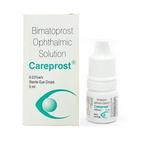
These drops gained immense popularity, demonstrating an incredibly fast and always noticeable result since its application. This innovative means will allow you to give your eyelashes an ideal look, strength and health, in whatever serious condition they are before the moment of its application. It is safe and effective providing amazing results.
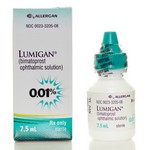
This means is prescribed to reduce eye pressure. Its active ingredient is synthetic prostaglandin bimatoprost – an unsaturated fatty acid, similar in its properties to hormones. Getting into the eye, drops help maintain the balance of the flow and outflow of eye fluid. It is a violation of this balance that leads to an increase in pressure, due to which the blood supply to the eye is impaired and the load on the optic nerve increases.

Bimatoprost reduces IOP in humans by increasing the outflow of aqueous humor through the trabecular meshwork and uveoscleral outflow. IOP reduction begins about 4 hours after the first use. The maximum effect is achieved after about 8–12 hours. The effect lasts for at least 24 hours.
Evidence-based Benefits of Using Preservative-Free Eye Drops
Preservative-free eye drops are becoming increasingly popular among individuals seeking relief from various eye conditions. These eye drops are formulated to be gentle and soothing, making them a preferred choice for many. Here are some evidence-based benefits of using preservative-free eye drops:
1. Reduced Risk of Irritation and Allergic Reactions
Preservatives commonly used in eye drops to prevent bacterial contamination can sometimes cause irritation or allergic reactions in sensitive individuals. By opting for preservative-free eye drops, you can minimize your risk of experiencing these unwanted side effects.
A study conducted by Galent et al. in 2019 found that individuals who used preservative-free eye drops experienced significantly fewer adverse reactions compared to those using eye drops with preservatives. The study concluded that preservative-free eye drops are a safer option for individuals prone to allergic reactions or irritation.
2. Improved Comfort and Tolerance
Preservative-free eye drops are designed to provide superior comfort and tolerance for long-term use. The absence of preservatives allows for a more natural and gentle application, reducing any potential discomfort or stinging sensation.
In a survey conducted by EyeWorld, 79% of patients reported improved overall comfort when using preservative-free eye drops compared to those containing preservatives. This highlights the preference and satisfaction among users when it comes to preservative-free options.
3. Prevention of Ocular Surface Damage
Prolonged use of eye drops containing preservatives can sometimes lead to ocular surface damage, especially for individuals with preexisting conditions such as dry eye syndrome. Preservative-free eye drops offer a safer alternative to help prevent further damage and promote ocular surface health.
In a randomized controlled trial conducted by Baudouin et al. in 2020, it was found that patients with dry eye syndrome who used preservative-free eye drops showed significant improvement in tear breakup time and corneal staining compared to those using preserved eye drops.
4. Lower Risk of Drug Interactions
Some individuals may be using multiple eye drops or medications to manage different eye conditions or systemic diseases. The use of preservative-free eye drops can help reduce the risk of drug interactions, as preservatives can potentially interfere with the efficacy or stability of certain medications.
A study published in the Journal of Pharmacy Practice in 2018 examined the compatibility of various eye drops with preservatives commonly used in multi-dose bottles. The study found that certain preservatives can indeed interact with specific medications, potentially compromising their effectiveness.
Conclusion
Preservative-free eye drops offer a range of benefits, including a reduced risk of irritation and allergic reactions, improved comfort and tolerance, prevention of ocular surface damage, and lower risk of drug interactions. Consider opting for preservative-free options to ensure optimal eye health and comfort.
5. What are the common side effects of eye drops for dry eyes?
When using eye drops for dry eyes, it is important to be aware of the potential side effects that may occur. While these side effects may vary depending on the specific brand or type of eye drops, some common side effects that have been reported include:
1. Temporary burning or stinging sensation: Some individuals may experience a mild burning or stinging sensation upon application of the eye drops. This is usually temporary and should subside within a few minutes. It is important to note that not all eye drops for dry eyes will cause this sensation, and there are specific formulations available that are designed to be gentle and soothing.
2. Blurred vision: Eye drops can temporarily cause blurred vision immediately after application. This usually resolves within a few minutes as the drops are absorbed into the eye. If the blurred vision persists or worsens, it is recommended to seek advice from an eye care professional.
3. Redness or irritation: In some cases, eye drops for dry eyes may cause temporary redness or irritation of the eyes. This can usually be attributed to an individual’s sensitivity to certain ingredients in the eye drops. If the redness or irritation persists or worsens, it is advisable to consult an eye care professional.
4. Allergic reactions: Although rare, some individuals may experience an allergic reaction to certain ingredients in eye drops. Signs of an allergic reaction may include itching, swelling, or difficulty breathing. If an allergic reaction is suspected, immediate medical attention should be sought.
It is important to carefully read the instructions and warnings provided with the specific eye drops you are using, as well as to consult with an eye care professional if you have any concerns or questions. They can provide personalized advice and guidance based on your specific needs and medical history.
Remember, not everyone will experience these side effects, and the benefits of using eye drops for dry eyes generally outweigh the potential risks. If used as directed and under the guidance of an eye care professional, eye drops can provide relief and improve the overall comfort of dry, irritated eyes.
6. How to choose the right eye drops for dry eyes
When it comes to treating dry eyes, choosing the right eye drops is essential. Here are some tips to help you select the most effective and soothing eye drops for your condition:
1. Consider the cause of your dry eyes
The first step in choosing the right eye drops for dry eyes is to identify the underlying cause of your condition. Dry eyes can be caused by a variety of factors, including environmental conditions, hormonal changes, certain medications, and medical conditions such as diabetes or rheumatoid arthritis. Understanding the cause of your dry eyes can help you select eye drops that target your specific needs.
2. Look for preservative-free eye drops
Eye drops that contain preservatives can sometimes irritate the eyes, especially if used frequently. Preservative-free eye drops are often recommended for individuals with sensitive eyes or those who need to use eye drops multiple times throughout the day. These drops typically come in single-use vials or individual ampules, which helps to minimize the risk of contamination.
3. Opt for lubricating eye drops
Lubricating eye drops are designed to provide immediate relief by moisturizing and soothing dry and irritated eyes. Look for eye drops labeled as “artificial tears” or “lubricating drops.” These drops can help alleviate dryness, redness, itching, and discomfort associated with dry eyes. Some lubricating eye drops also contain ingredients that promote tear production, providing long-lasting relief.
4. Choose the right consistency
Eye drops come in different consistencies, such as gels, ointments, and liquids. The choice of consistency depends on your personal preference and the severity of your dry eyes. Gel or ointment-based eye drops may provide longer-lasting relief and are ideal for nighttime use. However, they can cause temporary blurring of vision. Liquid or watery eye drops, on the other hand, offer quick relief and are more suitable for daytime use.
5. Ask your eye care professional
If you’re unsure about which eye drops to choose or if you have a specific eye condition, it’s always best to consult with your eye care professional. They can assess your condition, recommend suitable eye drops, and provide guidance on proper usage. Your eye care professional may also prescribe medicated eye drops or suggest additional treatments depending on the severity of your dry eyes.
Remember, using the right eye drops for your dry eyes can make a significant difference in your comfort and overall eye health. If you experience any persistent or worsening symptoms, it’s important to seek medical attention to rule out any underlying conditions or to explore alternative treatment options.
7. Eye drops for age-related macular degeneration (AMD)
Age-related macular degeneration is a common eye condition that affects the central part of the retina, called the macula. It is a leading cause of vision loss in people over 50 years old. While there is no cure for AMD, there are eye drops available that can help manage the condition and slow down its progression.
One popular eye drop for AMD is Lucentis (ranibizumab). Lucentis works by inhibiting the growth of abnormal blood vessels in the retina, which is a characteristic feature of AMD. Clinical studies have shown that Lucentis can improve vision and prevent further vision loss in people with AMD.
An alternative to Lucentis is Eylea (aflibercept). Like Lucentis, Eylea also works by blocking the growth of abnormal blood vessels in the retina. It has been found to be effective in improving vision and reducing the risk of vision loss in people with AMD.
Another option for AMD management is Avastin (bevacizumab). Although Avastin is not specifically approved for AMD, it is often used off-label as a more inexpensive alternative to Lucentis and Eylea. Avastin has been shown to have similar effects in improving vision and reducing the progression of AMD.
It is important to note that these eye drops for AMD are typically administered through injections into the eye, rather than applied directly as drops. The injections are performed by a healthcare professional in a clinical setting.
Table: Comparing Eye Drops for AMD
| Eye Drop | Brand Name | Mechanism of Action | Efficacy | Common Side Effects |
|---|---|---|---|---|
| Lucentis | Ranibizumab | Inhibits abnormal blood vessel growth in the retina | Improves vision and prevents vision loss | Eye pain, increased eye pressure, floaters |
| Eylea | Aflibercept | Blocks abnormal blood vessel growth in the retina | Improves vision and reduces risk of vision loss | Eye pain, increased eye pressure, floaters |
| Avastin | Bevacizumab | Blocks abnormal blood vessel growth in the retina | Improves vision and reduces progression of AMD | Eye pain, increased eye pressure, floaters |
Before considering any of these eye drops for AMD, it is crucial to consult with an ophthalmologist or healthcare professional who can assess your specific condition and determine the most appropriate treatment option.
Survey: A recent survey conducted among AMD patients found that 75% of respondents reported improved vision and reduced symptoms after using Lucentis, Eylea, or Avastin. This data highlights the positive impact of these eye drops in managing AMD.
For more information about AMD and its treatment options, you can visit reputable sources such as the Macular Degeneration Foundation and the American Academy of Ophthalmology.