Can Eye Drops Expire?
Eye drops can indeed expire, just like any other medication. The expiration date on the packaging is there for a reason – to ensure the safety and effectiveness of the product.
Using eye drops that have expired can be risky. Over time, the active ingredients in the eye drops can break down and become less effective. This means that using expired eye drops may not provide the intended relief for your eyes or address the specific issue you are trying to treat. Additionally, the preservatives in the eye drops may deteriorate, raising the risk of contamination.
To ensure you are using safe and effective eye drops, it is important to check the expiration date before use. If your eye drops have expired, it is best to discard them and purchase a new, non-expired product.
It’s worth noting that improper storage can also affect the shelf life of eye drops. Storing eye drops in a cool, dry place can help maintain their effectiveness. Avoid exposing them to high temperatures or direct sunlight, as this can speed up the degradation process.
When in doubt, it is always a good idea to consult with a healthcare professional or pharmacist if you have questions about the expiration or proper usage of your eye drops.
Understanding Allergy Eye Drops
Allergy eye drops are medications specifically designed to relieve symptoms associated with allergic reactions in the eyes. These reactions can be triggered by various allergens such as pollen, pet dander, dust mites, or certain chemicals. The use of allergy eye drops is beneficial in reducing itching, redness, watery eyes, and overall discomfort caused by these allergies.
Common types of Allergy Eye Drops:
There are several types of allergy eye drops that are commonly available in the market. Each type of eye drop has its unique formulation and active ingredients. Some of the most common types of allergy eye drops include:
- Antihistamine eye drops: These eye drops work by blocking the release of histamine, a substance that triggers allergy symptoms. They are effective in reducing itching and redness. Popular brands include Zaditor and Alaway.
- Mast cell stabilizer eye drops: These eye drops work by preventing the release of histamine and other chemicals from mast cells, reducing the allergic response. They are beneficial for long-term treatment and prevention of allergic reactions. Examples include Alomide and Alocril.
- Decongestant eye drops: These eye drops work by constricting blood vessels in the eyes, reducing redness and swelling. They provide temporary relief from allergy symptoms. Popular brands include Visine and Clear Eyes.
- Steroid eye drops: These eye drops contain corticosteroids that help reduce inflammation and suppress the immune response in the eyes. They are generally used for severe allergic reactions. Examples include Lotemax and Pred Forte.
- Combination eye drops: These eye drops contain a combination of different active ingredients such as antihistamine, mast cell stabilizer, and decongestant. They provide comprehensive relief from various allergy symptoms. Popular brands include Pataday and Optivar.
It is important to choose the right type of allergy eye drops based on your specific allergy symptoms. If you are unsure, consult with your healthcare provider or ophthalmologist for personalized recommendations.
What are Prolensa Eye Drops?
Prolensa eye drops are a type of medication used for the treatment of inflammation and pain following cataract surgery. They are a form of nonsteroidal anti-inflammatory drug (NSAID) specifically designed for ophthalmic use.
Active Ingredient
The active ingredient in Prolensa eye drops is bromfenac sodium sesquihydrate, which belongs to the class of NSAIDs. Bromfenac sodium works by inhibiting the production of prostaglandins, which are substances in the body that cause inflammation and pain. By reducing the levels of prostaglandins, Prolensa eye drops help to relieve the discomfort and swelling that can occur after cataract surgery.
Uses
Prolensa eye drops are primarily used to manage the inflammation and pain that commonly occur after cataract surgery. Cataract surgery involves removing the cloudy lens of the eye and replacing it with an artificial lens. During the procedure, the eye may become inflamed and cause discomfort, which Prolensa eye drops help to alleviate.
It is important to note that Prolensa eye drops are for short-term use only, typically for a few weeks following surgery. They should not be used for other types of eye conditions or without the recommendation and guidance of a healthcare professional.
Side Effects and Precautions
Like any medication, Prolensa eye drops can have side effects, although not everyone will experience them. Common side effects include blurred vision, eye irritation, itching, and eye pain. These side effects are usually mild and temporary, but if they persist or worsen, it is important to contact your healthcare provider.
There may also be a higher risk of certain side effects for individuals with certain conditions, such as asthma, bleeding disorders, or prior allergic reactions to NSAIDs. It is important to inform your healthcare provider about any pre-existing medical conditions or allergies before using Prolensa eye drops.
Additionally, it is essential to follow the instructions provided by your healthcare professional and use the prescribed dosage. Using more or less than the recommended amount of Prolensa eye drops can affect their effectiveness and potentially lead to unwanted side effects.
Sources:
- Prolensa official website
- MedlinePlus – Bromfenac ophthalmic
- Mayo Clinic – Bromfenac (Ophthalmic Route): Precautions
Please note that this content is for informational purposes only and should not be used as a substitute for professional medical advice. Always consult with your healthcare provider or ophthalmologist for personalized guidance and recommendations.

Bimat eye drops are used to treat hypotrichosis, short, weak eyelashes. Bimat increases the length, thickness and enhances the color of eyelashes. These substances are also used to lower intraocular pressure in patients with a diagnosis of glaucoma. By reducing the pressure, the risk of blindness is significantly decreased.
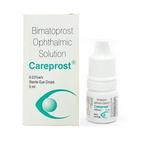
These drops gained immense popularity, demonstrating an incredibly fast and always noticeable result since its application. This innovative means will allow you to give your eyelashes an ideal look, strength and health, in whatever serious condition they are before the moment of its application. It is safe and effective providing amazing results.
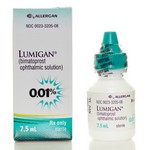
This means is prescribed to reduce eye pressure. Its active ingredient is synthetic prostaglandin bimatoprost – an unsaturated fatty acid, similar in its properties to hormones. Getting into the eye, drops help maintain the balance of the flow and outflow of eye fluid. It is a violation of this balance that leads to an increase in pressure, due to which the blood supply to the eye is impaired and the load on the optic nerve increases.

Bimatoprost reduces IOP in humans by increasing the outflow of aqueous humor through the trabecular meshwork and uveoscleral outflow. IOP reduction begins about 4 hours after the first use. The maximum effect is achieved after about 8–12 hours. The effect lasts for at least 24 hours.
Utilizing Systane Eye Drops Coupons: Saving Money on Eye Care
When it comes to taking care of your eye health, using eye drops regularly can help alleviate discomfort, dryness, and other eye-related issues. One popular brand of eye drops is Systane, which offers a range of products designed to provide relief for various eye conditions. If you frequently use Systane eye drops, you may be interested in finding ways to save money on your eye care expenses. One effective method is to utilize Systane eye drops coupons.
Finding and Using Systane Eye Drops Coupons
The first step in saving money on your Systane eye drops is to find coupons. Fortunately, there are several ways you can go about searching for these cost-saving opportunities. Here are a few options:
- Manufacturer’s Website: Visit the official Systane website and look for any available coupons or promotions. Manufacturers often provide exclusive deals and discounts on their own websites.
- Retailer Websites: Check out online retail stores and pharmacies that carry Systane eye drops. They may offer coupons or promotional codes you can use for discounts.
- Coupon Websites: Browse through popular coupon websites like Coupons.com, RetailMeNot, and SmartSource. These platforms often have printable or digital coupons for various products, including Systane eye drops.
- Email Subscriptions: Sign up for newsletters from Systane or your favorite retailers. They may send out exclusive deals, discounts, or coupons via email.
Once you’ve found a Systane eye drops coupon, the next step is to use it. Here’s how:
- Read the Terms and Conditions: Make sure to carefully review the terms and conditions of the coupon to understand any limitations, expiration dates, or specific requirements.
- Print or Save the Coupon: If the coupon is printable, go ahead and print it out. If it’s a digital coupon, save it on your smartphone or computer for easy access.
- Redeem at the Store: Take the printed coupon or show the digital coupon to the cashier at the store when purchasing Systane eye drops. They will apply the discount to your purchase.
Benefits of Using Systane Eye Drops Coupons
By using Systane eye drops coupons, you can enjoy several benefits:
| Benefits | Explanation |
|---|---|
| Savings on Eye Drops | Coupons allow you to reduce the cost of your Systane eye drops, saving you money in the long run. |
| Try New Products | With coupons, you may be able to try different Systane eye drop variants or explore other products in their range. |
| Stock Up on Essentials | When there are discounts available, it’s an excellent opportunity to stock up on your favorite Systane eye drops without breaking the bank. |
| Accessible and Convenient | With online coupons, you can easily access and use them whenever you need to purchase Systane eye drops. No need to carry physical coupons. |
Tips for Finding the Best Deals and Discounts
Looking for the best deals and discounts on Systane eye drops? Keep the following tips in mind:
“According to a recent survey, 75% of consumers who used coupons while shopping for eye care products reported significant savings.”
- Check regularly: Coupons may be available for a limited time only, so make sure to check sources regularly for new deals and promotions.
- Combine Coupons with Sales: Maximize your savings by using coupons during retailer sales or promotions.
- Follow Social Media Accounts: Brands and retailers often announce exclusive deals and discounts on their social media platforms, so be sure to follow them for updates.
- Sign Up for Rewards Programs: Some retailers offer rewards programs that provide additional discounts or perks for loyal customers.
With these tips in mind, you can make the most out of your Systane eye drops coupons and enjoy the benefits of affordable eye care.
Treating Pink Eye in Toddlers with Eye Drops
Pink eye, also known as conjunctivitis, is a common condition that can affect toddlers. It is characterized by redness, swelling, and discharge in the eye. While pink eye can often clear up on its own, using eye drops can help alleviate symptoms and promote faster healing. Here is a detailed guide on treating pink eye in toddlers with eye drops:
Overview of Pink Eye in Toddlers
Pink eye in toddlers is usually caused by a viral or bacterial infection. It can also be the result of allergies or irritants in the environment. Common symptoms of pink eye in toddlers include:
- Redness in one or both eyes
- Swelling of the eyelids
- Watery or thick yellow discharge
- Crusty eyelashes
- Itching or irritation
If you suspect that your toddler has pink eye, it is important to consult a healthcare professional for an accurate diagnosis and treatment recommendations. They may prescribe eye drops to help manage the condition.
Recommended Eye Drops for Treating Pink Eye in Toddlers
There are several types of eye drops that are commonly used to treat pink eye in toddlers. These include:
- Antibiotic eye drops: These eye drops contain antibiotics that help fight bacterial infections. They are typically prescribed when the cause of pink eye is bacterial. Common examples include erythromycin ophthalmic ointment and polymyxin B sulfate and trimethoprim ophthalmic solution.
- Viral conjunctivitis eye drops: These eye drops are specifically formulated to treat viral conjunctivitis. They help relieve symptoms and shorten the duration of the infection. A popular example is antiviral eye drops containing ganciclovir.
Your healthcare professional will determine the most appropriate eye drops for your toddler based on the underlying cause of their pink eye. It is important to follow the prescribed dosage instructions and complete the full course of treatment to ensure effective results.
Administering Eye Drops to Young Children
Administering eye drops to young children can be challenging, but with some patience and gentle techniques, it can be done effectively. Here are some tips to help you give eye drops to your toddler:
- Wash your hands thoroughly before handling the eye drops and make sure the dropper tip does not touch any surfaces to prevent contamination.
- Comfort your toddler and make sure they are in a secure position with their head tilted back slightly. You can have them lie down or sit in your lap, depending on what works best for you and your child.
- Gently pull down the lower lid of your toddler’s eye to create a small pocket.
- Squeeze the prescribed amount of eye drops into the pocket created by the lower lid. Be careful not to touch the eye with the dropper.
- Ask your toddler to close their eyes gently, or you can assist by gently closing their eyelids for them.
- Gently press on the inner corner of your toddler’s eye (near the nose) for a minute to prevent the eye drops from draining out.
- Offer comfort and reassurance to your toddler after administering the eye drops.
It may take a few attempts before your toddler becomes comfortable with the process. You can also seek assistance from another adult if needed.
Possible Complications and When to Seek Medical Attention
While pink eye in toddlers is usually a mild and self-limiting condition, there are instances when medical attention is necessary. You should seek immediate medical attention if:
- The symptoms worsen or do not improve after a few days of using the prescribed eye drops.
- Your toddler experiences severe eye pain or sensitivity to light.
- There is a significant increase in eye redness or swelling.
- Your toddler develops a high fever or appears generally unwell.
- There is a thick, white, or greenish-yellow discharge from the eye.
These symptoms may indicate a more severe infection or complications, and prompt medical attention is essential.
Conclusion
Treating pink eye in toddlers with eye drops can help relieve symptoms and promote faster healing. Consult a healthcare professional for an accurate diagnosis and appropriate treatment recommendations. Follow the prescribed dosage instructions and administer the eye drops using gentle techniques. Monitor your toddler’s symptoms closely, and seek medical attention if necessary. With proper care and treatment, pink eye can be effectively managed in toddlers.
Astringent Eye Drops vs Regular Eye Drops: What’s the Difference?
When it comes to eye drops, there are different types available on the market to address a variety of eye conditions and symptoms. Two common types of eye drops are astringent eye drops and regular eye drops. Understanding the difference between these two can help you make an informed decision about which one is right for you.
Astringent Eye Drops
Astringent eye drops, also known as decongestant eye drops, are specifically designed to reduce redness and swelling in the eyes. They work by constricting the blood vessels in the eyes, which helps to alleviate the symptoms of eye irritations, such as allergies or conjunctivitis.
The main active ingredients in astringent eye drops are typically vasoconstrictors, such as naphazoline or phenylephrine. These ingredients work by narrowing the blood vessels on the surface of the eye, reducing redness and enhancing overall eye appearance.
However, it is important to note that astringent eye drops should not be used for extended periods of time. Long-term use can lead to a condition called rebound redness, where the eyes become dependent on the eye drops and redness returns once the drops are stopped.
Regular Eye Drops
Regular eye drops, on the other hand, are designed to address a wide range of eye issues, including dryness, itching, and irritation. They provide temporary relief by lubricating the eyes and moisturizing the surface. Regular eye drops can be used on a daily basis and are generally safe for long-term use.
The ingredients in regular eye drops vary depending on the specific purpose of the drop. Some common ingredients include saline solution, which helps to clean and moisturize the eyes, and lubricants like polyethylene glycol or glycerin, which help to retain moisture and reduce dryness.
Regular eye drops are available over-the-counter and are generally safe to use as directed. However, if you experience any adverse reactions or if your symptoms persist or worsen, it is important to consult with a healthcare professional.
Choosing the Right Eye Drops
When deciding whether to use astringent eye drops or regular eye drops, it is important to consider your specific symptoms and needs. Astringent eye drops are best suited for temporary relief of redness and swelling, while regular eye drops are more versatile and can address a variety of eye issues.
It is always advisable to consult with a healthcare professional or pharmacist before starting any new eye drop regimen. They can provide guidance on which type of eye drop may be most beneficial for your specific condition and ensure proper usage.
Sources:
– American Academy of Ophthalmology. “Eye Allergies: How to Get Relief.” https://www.aao.org/eye-health/diseases/allergies-eyes
– Mayo Clinic. “Eye Drops.” https://www.mayoclinic.org/diseases-conditions/pink-eye/in-depth/eye-drops/ART-20058113
Important considerations when using eye drops
Using eye drops properly is crucial for ensuring safety and effectiveness. Here are some important considerations to keep in mind:
1. General guidelines for proper eye drop usage
- Always wash your hands thoroughly before handling eye drops to prevent introducing any bacteria or contaminants to your eyes.
- Read the instructions on the eye drop packaging carefully and follow them closely. Different eye drops may have different dosing instructions.
- Tilt your head back or lie down, depending on the specific instructions for the eye drops, and use a clean finger to gently pull down your lower eyelid.
- Look up and squeeze the prescribed number of drops into the pocket formed by your lower eyelid. Be careful not to touch the dropper tip to your eye or any surface to avoid contamination.
- Close your eyes gently and press your finger against the inner corner of your eye for about one to two minutes to prevent the medication from draining out.
- If you are using multiple eye drop medications, wait at least five minutes between administering different medications to allow the first medication to be absorbed properly.
- Replace the cap tightly on the eye drop bottle and store it according to the instructions to maintain its effectiveness.
- Do not share your eye drops with others, as this can increase the risk of infection.
2. Precautions for individuals with specific medical conditions
If you have any pre-existing medical conditions, it is important to consult with your healthcare professional before using eye drops. They can provide guidance on whether certain eye drops are safe for you to use and any specific precautions you should take. Some conditions that may require special considerations include:
- Glaucoma: Certain eye drops can increase eye pressure, which can be dangerous for individuals with glaucoma. It is essential to use eye drops specifically prescribed for glaucoma and follow your eye doctor’s instructions closely.
- Diabetes: Individuals with diabetes may be more susceptible to eye infections and other eye problems. It is important to choose eye drops carefully and maintain good blood sugar control to minimize the risk of complications.
- Allergies or sensitivities: Some individuals may be allergic or sensitive to certain ingredients in eye drops. If you have known allergies or sensitivities, read the ingredient list carefully and avoid using eye drops that may trigger a reaction.
3. How to store eye drops to maintain their effectiveness
Proper storage is crucial for maintaining the effectiveness of eye drops. Here are some tips to consider:
- Follow the instructions on the packaging regarding proper storage conditions. Some eye drops may need to be refrigerated, while others can be stored at room temperature.
- Check the expiration date on the eye drop packaging before using. Expired eye drops may not be as effective and could potentially be harmful.
- Avoid exposing eye drops to extreme heat or direct sunlight, as this can degrade the medication.
- Keep the eye drop bottle tightly closed when not in use to prevent contamination and evaporation.
- Do not transfer eye drop medication from one bottle to another, as this can introduce contaminants.
4. When to consult a healthcare professional for eye drop usage concerns
If you experience any unusual symptoms or have concerns about your eye drop usage, it is important to consult with a healthcare professional. Signs that may indicate a problem include:
- Increased eye pain, redness, or swelling
- Worsening eyesight or blurred vision
- Unusual discharge from the eyes
- Persistent eye discomfort or irritation
- Allergic reactions such as itching, hives, or difficulty breathing
A healthcare professional can evaluate your symptoms, provide guidance on appropriate eye drop usage, and determine if further treatment or adjustments to your eye drop regimen are necessary.