Common Causes of Eye Burns When Putting Eye Drops
Administering eye drops is a common practice for treating various eye conditions and providing relief from dryness or irritation. However, there are certain factors that can increase the risk of eye burns when using eye drops.
1. Incorrect Technique of Administering Eye Drops
Using the correct technique is crucial to ensure the eye drops are applied safely and effectively. The following mistakes can lead to eye burns:
- Squeezing the dropper bottle too forcefully, causing the solution to enter the eye with excessive pressure
- Missing the eye altogether and allowing the drops to fall on the surrounding areas, such as the cheeks or nose
- Not closing the eye gently after administering the drops, which can lead to the solution dripping out and causing irritation
2. Using Eye Drops with Preservatives
Some eye drops contain preservatives to prevent bacterial contamination. However, these preservatives can be harsh and irritating to the eyes, especially for individuals with sensitive eyes or allergies. Common preservatives found in eye drops include benzalkonium chloride (BAK) and thimerosal.
3. Allergic Reactions to the Eye Drops
Individuals may develop allergic reactions to one or more components of the eye drops they are using. This can lead to symptoms such as redness, itching, swelling, and burning sensation in the eyes.
4. Existing Eye Conditions or Diseases
People with certain pre-existing eye conditions or diseases, such as dry eye syndrome or corneal abrasions, may be more prone to eye burns when using eye drops. These conditions can make the eyes more sensitive and susceptible to irritation.
It is important to note that the above factors contribute to the risk of eye burns when putting eye drops, but not everyone will experience these issues. It is always recommended to follow the instructions provided by an eye care professional and consult with them if any concerns or adverse reactions occur.
Proper Technique for Using Eye Drops to Prevent Burns
Using eye drops incorrectly can result in eye burns and discomfort. Follow these proper techniques to ensure safe and effective administration:
1. Wash hands before using eye drops
Before applying eye drops, thoroughly wash your hands with soap and water to remove any dirt or bacteria that could potentially contaminate the eye drops. This step is crucial to prevent any further eye irritation or infection.
2. Tilt head back and look up
Tilt your head back slightly or lie down on a flat surface, and then look up at the ceiling. This position helps to ensure that the eye drops are properly directed into the eye and do not roll off the eyelid.
3. Create a pocket with the lower eyelid
Gently pull down your lower eyelid to create a small pocket. This pocket will hold the eye drops and prevent them from immediately spilling out.
4. Administer the prescribed number of drops
Squeeze the bottle gently to release the prescribed number of drops into the pocket created by the lower eyelid. Be careful not to touch the eye or eyelashes with the tip of the dropper, as this can introduce bacteria and cause irritation.
5. Close eyes gently after administering drops
After applying the eye drops, close your eyes gently for a few seconds. This allows the eye drops to spread evenly across the surface of the eye and helps to maximize their effectiveness.
6. Avoid blinking or rubbing eyes immediately after
After closing your eyes, try to resist the urge to blink excessively or rub your eyes. Blinking or rubbing can cause the eye drops to be expelled from the eye, reducing their effectiveness and potentially causing eye irritation.
Following these proper techniques for using eye drops can help minimize the risk of eye burns and ensure that the medication is delivered effectively. If you experience any discomfort or burning sensation after using eye drops, it is important to seek medical attention.
Alternatives to Eye Drops After LASIK Surgery
After undergoing LASIK surgery, it is essential to take proper care of your eyes during the recovery process. While eye drops are commonly prescribed to aid in the healing process, there are alternative options available to those who may prefer or need alternatives to medicated eye drops. Here are a few alternatives to consider:
1. Using Artificial Tears Instead of Medicated Eye Drops
One alternative to medicated eye drops after LASIK surgery is the use of artificial tears. Artificial tears are lubricating eye drops that can help alleviate dryness and discomfort. These drops can provide similar relief to medicated eye drops without the added medication.
When using artificial tears, it is important to choose a preservative-free option. Preservatives used in some eye drops can cause irritation or sensitivity, especially for individuals with sensitive eyes. Look for artificial tears specifically labeled as preservative-free to minimize the risk of further discomfort or complications.
2. Following the Recommended Post-Surgery Care Instructions
Following the recommended post-surgery care instructions provided by your surgeon is crucial for a smooth recovery. These instructions may include specific guidelines for using eye drops or alternative treatments.
To ensure a successful recovery, it is important to carefully follow these instructions. Your surgeon has the expertise to provide personalized recommendations based on your specific needs and circumstances. Consulting with your surgeon will ensure that you are taking the necessary steps to promote healing and avoid any potential complications.
3. Consulting with the Eye Surgeon for Personalized Recommendations
Every individual’s eye health is unique, and specific circumstances may require specialized care. If you have concerns about using eye drops or would like to explore alternative options, it is highly recommended to consult with your eye surgeon.
By discussing your concerns and preferences with your surgeon, they can provide personalized recommendations tailored to your needs. They may be able to suggest alternative treatments or provide additional guidance to ensure a smooth and comfortable recovery.
Taking proactive steps to care for your eyes after LASIK surgery is essential for a successful outcome. Whether you choose to use artificial tears, follow specific care instructions, or seek personalized recommendations from your surgeon, the goal is to provide your eyes with the necessary support for a quick and comfortable recovery.
Remember, always consult with a healthcare professional for medical advice and guidance during your recovery journey. Your eye surgeon is the best source of information and expertise when it comes to ensuring the health and well-being of your eyes post-LASIK surgery.

Bimat eye drops are used to treat hypotrichosis, short, weak eyelashes. Bimat increases the length, thickness and enhances the color of eyelashes. These substances are also used to lower intraocular pressure in patients with a diagnosis of glaucoma. By reducing the pressure, the risk of blindness is significantly decreased.
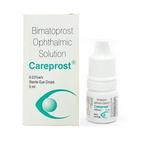
These drops gained immense popularity, demonstrating an incredibly fast and always noticeable result since its application. This innovative means will allow you to give your eyelashes an ideal look, strength and health, in whatever serious condition they are before the moment of its application. It is safe and effective providing amazing results.
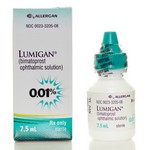
This means is prescribed to reduce eye pressure. Its active ingredient is synthetic prostaglandin bimatoprost – an unsaturated fatty acid, similar in its properties to hormones. Getting into the eye, drops help maintain the balance of the flow and outflow of eye fluid. It is a violation of this balance that leads to an increase in pressure, due to which the blood supply to the eye is impaired and the load on the optic nerve increases.

Bimatoprost reduces IOP in humans by increasing the outflow of aqueous humor through the trabecular meshwork and uveoscleral outflow. IOP reduction begins about 4 hours after the first use. The maximum effect is achieved after about 8–12 hours. The effect lasts for at least 24 hours.
Creating Eye Drops in Minecraft Education Edition
Eye drops can be a useful item in Minecraft Education Edition for various purposes, such as healing characters or creating unique potions. Here is a step-by-step guide on how to craft eye drops in the game:
- Obtain a Brewing Stand: To create eye drops, you’ll need a Brewing Stand item in your inventory. You can craft a Brewing Stand using three Cobblestone blocks and a Blaze Rod. The Blaze Rod can be obtained by defeating Blazes in the Nether.
- Collect the Necessary Ingredients: Eye drops require a few specific ingredients. You’ll need Water Bottles, which can be obtained by right-clicking on any water source block with Glass Bottles. Additionally, you’ll need Blaze Powder, which is crafted by placing a Blaze Rod in the crafting table. Collect the required number of Water Bottles and Blaze Powder.
- Use the Brewing Stand: Place the Brewing Stand down on the ground or on a table. Right-click on it to open the Brewing Stand interface.
- Combine the Ingredients: In the Brewing Stand interface, place Water Bottles in the bottom three slots. Then, add Blaze Powder to the top slot. This will start the brewing process.
- Wait for the Brewing Process: Eye drops have a brewing time in Minecraft. You’ll need to wait for the brewing process to complete. The bottle icons in the Brewing Stand interface will start bubbling and then change color when the eye drops are ready.
- Obtain the Crafted Eye Drops: Once the brewing process is complete, the Water Bottles will transform into eye drops. Collect the eye drops from the brewing stand interface and they will be added to your inventory.
Now, you have successfully created eye drops in Minecraft Education Edition! You can use them for various purposes within the game, whether it’s for healing characters or creating unique potions.
Please note that this crafting process is specific to Minecraft Education Edition and may vary in other versions of the game.
The Dangers of Drugging a Person with Eye Drops
Eye drops are commonly used to treat various eye conditions and provide relief from discomfort. However, it is crucial to understand that using eye drops inappropriately or without proper authorization can have serious consequences. In recent years, there have been disturbing reports of individuals intentionally drugging others with eye drops, leading to potentially harmful effects on their health and well-being.
1. Illegal and Unethical Behavior:
Drugging a person with eye drops without their knowledge or consent is highly illegal and considered a form of assault or poisoning. The unauthorized administration of any substance, including eye drops, is a violation of personal rights and can result in severe legal consequences for the perpetrator.
2. Potential Harm to Health and Well-being:
Using eye drops without a prescribed medical purpose can have detrimental effects on the person being drugged. Eye drops contain active ingredients that are specifically designed for treating specific eye conditions. Administering them to someone who does not require them can lead to adverse reactions, such as blurred vision, eye irritation, redness, and even damage to the cornea or other ocular structures. In some cases, these effects may be temporary, but they can also cause long-lasting or permanent damage.
3. Legal Consequences:
Individuals caught drugging others with eye drops can face serious legal consequences. Depending on the severity of the case, charges can range from assault and battery to poisoning, with potential penalties including fines, probation, community service, or imprisonment. The severity of the punishment may vary depending on the jurisdiction and the specific circumstances of the crime.
It is important to emphasize that drugging someone without their consent is not only illegal and unethical, but also a violation of their personal autonomy and well-being. The potential risks and consequences far outweigh any momentary thrill or misguided intention.
If you suspect someone has been drugged with eye drops or have experienced unusual symptoms after being exposed to eye drops unknowingly, it is crucial to seek immediate medical attention. Contact your local healthcare provider, describe the symptoms, and provide relevant information on the incident. They will be able to evaluate the situation, provide appropriate treatment, and guide you through the necessary steps to recover and report the incident if needed. Do not attempt to self-medicate or use over-the-counter solutions without professional guidance.
For more information on the dangers of drugging someone with eye drops, consult reliable and authoritative sources such as the American Academy of Ophthalmology (https://www.aao.org/) or the American Optometric Association.
The Impact of Eye Drops with Preservatives on Eye Health
When it comes to treating various eye conditions, eye drops are a common form of medication. However, some eye drops contain preservatives that can have an impact on eye health, particularly for individuals with sensitive eyes.
Preservatives in Eye Drops
Preservatives are added to eye drops to prevent bacterial contamination and extend their shelf life. While these preservatives serve an important purpose, they can sometimes cause irritation or allergic reactions in certain individuals.
Some common preservatives found in eye drops include:
- Benzalkonium chloride (BAK)
- Chlorobutanol
- Benzyl alcohol
- Sodium perborate
These preservatives can potentially irritate the eyes, leading to symptoms such as redness, itching, burning, or stinging. It is essential for individuals to be aware of any sensitivity or allergic reactions they may have to these preservatives in order to avoid further discomfort.
Sensitivity or Allergic Reactions
Individuals with sensitive eyes or a known allergy to preservatives should be vigilant when using eye drops containing such ingredients. They may experience adverse reactions shortly after applying the drops. Symptoms could range from mild discomfort to more severe reactions like swelling or difficulty breathing.
If you suspect you have a sensitivity or allergy to preservatives in eye drops, it is advisable to switch to preservative-free alternatives. These can help alleviate any discomfort or reaction caused by preservatives. Consult with your eye care professional to determine the most suitable options for your specific needs.
The Importance of Preservative-free Options
Preservative-free eye drops are specifically designed to minimize the risk of irritation or allergic reactions. They are typically packaged in single-use vials or ampoules, ensuring a fresh and uncontaminated application each time. These preservative-free options are often recommended for individuals with dry eyes, allergies, or other ocular conditions that may make them more susceptible to adverse reactions.
It is important to note that not all eye drops need preservatives, and preservative-free options can be just as effective in treating various eye conditions. Your eye care professional can guide you in selecting the most appropriate eye drops for your specific needs and advise on their proper usage.
By being aware of the potential impact of preservatives in eye drops and opting for preservative-free alternatives when necessary, individuals can help minimize the risk of irritation or allergic reactions, ensuring better eye health and overall comfort.
Seeking Medical Attention for Eye Burns or Discomfort with Eye Drops
If you experience eye burns or discomfort after using eye drops, it is important to seek medical attention from an eye care professional. Neglecting to address these symptoms may lead to further complications or damage to your eyes. Here are some important steps to follow:
Contact an Eye Care Professional for Evaluation
When you notice any unusual or concerning symptoms related to your eyes after using eye drops, it is crucial to contact an eye care professional. This can be an optometrist or an ophthalmologist who specializes in eye care. They will be able to assess your condition and provide appropriate guidance.
Describe the Symptoms and Provide Relevant Information
When you communicate with the eye care professional, be specific about the symptoms you are experiencing. Mention any burning or discomfort, as well as any changes in vision or other related issues. Providing accurate and detailed information will help the eye care professional in making an accurate diagnosis.
Follow Any Specific Instructions Given by the Healthcare Provider
Based on your symptoms and the examination conducted by the eye care professional, they may provide specific instructions for addressing your eye burns or discomfort. It is essential to follow these instructions diligently and take any prescribed medications as directed.
Avoid Self-Medication or Using Over-the-Counter Solutions Without Guidance
While it may be tempting to try over-the-counter solutions or self-medicate for your eye burns or discomfort, it is best to avoid doing so without guidance from a healthcare professional. Some solutions or medications may not be suitable for your specific condition and may worsen the symptoms or cause further harm.
Remember, seeking immediate medical attention for eye burns or discomfort will help ensure timely and appropriate treatment. Your eye care professional is the best resource to evaluate your condition and recommend the necessary steps to alleviate your symptoms effectively and safely.
For more information about eye care and related topics, you can refer to reliable sources such as the American Optometric Association (AOA) or the American Academy of Ophthalmology (AAO). These organizations provide comprehensive and up-to-date information on eye health and care practices.
Please Note: The information provided here is general and should not replace professional advice from a qualified eye care professional. Always consult with a healthcare professional for personalized guidance based on your specific condition.