Common Eye Drops: An Overview and Importance of Proper Usage
Eye drops are a common over-the-counter medication used for various purposes, including treating eye infections, relieving dryness and inflammation, and managing certain eye conditions. They are typically liquid solutions that are instilled directly into the eye, providing targeted relief and treatment.
Understanding the Purpose of Eye Drops
The main purpose of eye drops is to deliver medication or lubrication directly to the eyes. They can help alleviate symptoms such as redness, itching, burning, and dryness, and can also promote healing in the case of infections or injuries. Eye drops can be used to treat a range of eye conditions, including conjunctivitis, dry eye syndrome, allergies, and glaucoma.
It is essential to understand that eye drops are not a one-size-fits-all solution. Different eye drops are formulated to address specific eye issues, and using the wrong type of eye drops can potentially worsen the condition or lead to adverse effects.
The Importance of Using Eye Drops Correctly
Proper usage of eye drops is crucial to ensure their effectiveness and to minimize the risk of complications. Here are a few key points to keep in mind when using eye drops:
- Follow the instructions: Read and follow the instructions provided with the eye drops carefully. Pay attention to the recommended dosage and frequency of use.
- Wash your hands: Before applying eye drops, wash your hands thoroughly to prevent the risk of introducing unwanted bacteria into your eyes.
- Tilt your head back: Tilting your head back can help create a clear path for the eye drops to enter the eyes.
- Pull down your lower eyelid: Gently pull down your lower eyelid to create a small pocket. This will help ensure that the eye drops are delivered to the correct area of the eye.
- Avoid touching the eye: Avoid touching the dropper tip to any surface, including your eye, to prevent contamination.
- Wait between different eye drops: If you need to use multiple types of eye drops, wait a few minutes between each application to allow the previous drop to be absorbed properly.
- Store eye drops correctly: Follow the storage instructions provided with your eye drops to ensure their potency and safety.
By using eye drops correctly, you can maximize their benefits and reduce the chances of experiencing any adverse effects.
Antiviral Eye Drops Available Over the Counter
Antiviral eye drops are a type of medication that is formulated to treat viral infections of the eye. They are available over the counter and can be purchased without a prescription from various pharmacies and online retailers.
Popular Brands
There are several brands of antiviral eye drops available in the market. Some of the popular ones include:
- Visine-A: This brand combines antihistamines with a vasoconstrictor to relieve redness and itching in the eyes.
- Zirgan: Zirgan is an antiviral medication used to treat the herpes infection of the eye.
- Acular LS: This brand is primarily used to reduce eye pain and inflammation following cataract surgery.
- Bausch + Lomb: They offer a range of antiviral eye drops, including those for dry eyes and redness relief.
It is important to note that the availability of these brands may vary depending on your location. It is advisable to consult with a healthcare professional or pharmacist to determine the specific brands available in your area.
Proper Usage and Administration
When using antiviral eye drops, it is crucial to follow the recommended instructions for proper usage:
- Wash your hands thoroughly: Before using the eye drops, make sure to wash your hands with soap and water to prevent any additional contamination.
- Tilt your head back: Gently tilt your head back and look up towards the ceiling.
- Pull down your lower eyelid: Using your index finger, gently pull down your lower eyelid to create a pocket.
- Squeeze a drop into the pocket: Carefully squeeze the prescribed number of drops into the pocket created by pulling down your lower eyelid. Be cautious not to touch your eye or eyelashes with the dropper tip.
- Blink and close your eye: Close your eye gently and blink a few times to help distribute the eye drops evenly across the eye’s surface.
- Wipe away excess: If necessary, use a clean tissue to wipe away any excess eye drops from the outer corner of your eye.
- Replace the cap: Make sure to tightly secure the cap back onto the bottle to prevent contamination.
It is advised to strictly follow the dosage instructions provided by the manufacturer or healthcare professional. Additionally, if you experience any unusual side effects or worsening symptoms, it is important to seek immediate medical attention.
Antiviral eye drops can be an effective treatment option for viral eye infections. However, it is always recommended to consult with a healthcare professional or eye specialist before using any medications, especially if you have any pre-existing medical conditions or are taking other medications.
Eye Drops for Whitening Eyes
Many people use eye drops for various reasons, including to whiten their eyes and remove redness. Whitening eye drops are commonly used to make the eyes appear brighter and more refreshed. However, it is important to understand the types of eye drops available, their potential risks, and alternatives that can be considered.
Types of Whitening Eye Drops
There are several brands and types of whitening eye drops available on the market. Some popular brands include:
- Optrex Eye Brightening Drops
- Rohto Cool Redness Relief Eye Drops
- Naphcon-A Eye Drops
- Clear Eyes Redness Relief Eye Drops
These eye drops are designed to reduce redness and make eyes appear whiter. They usually contain ingredients such as vasoconstrictors, which help to constrict the blood vessels in the eyes and reduce redness.
Possible Risks and Side Effects
While whitening eye drops can be effective in reducing redness and making the eyes appear brighter, there are potential risks and side effects associated with their use. Some common side effects include:
- Stinging or burning sensation
- Dryness or irritation
- Blurred vision
- Allergic reactions
It is important to follow the instructions provided with the eye drops and consult with a healthcare professional if you experience any prolonged or severe side effects. Additionally, prolonged use of whitening eye drops can potentially lead to a rebound effect, where the eyes become even more red and irritated.
Alternatives to Whitening Eye Drops
If you are concerned about the potential risks and side effects of using whitening eye drops, there are alternative options to consider for achieving brighter and healthier-looking eyes:
- Artificial Tears: These are lubricating eye drops that can help to moisturize the eyes and provide relief from dryness and redness.
- Warm Compress: Applying a warm compress to the eyes can help to stimulate blood circulation and reduce redness.
- Proper Eye Care: Maintaining good eye hygiene, including proper hygiene practices and avoiding excessive eye strain, can help to promote eye health and reduce redness naturally.
It is always recommended to consult with an eye care professional before using any eye drops or trying alternative methods for whitening the eyes. They can provide personalized recommendations based on your individual needs and guide you towards the most appropriate solution.

Bimat eye drops are used to treat hypotrichosis, short, weak eyelashes. Bimat increases the length, thickness and enhances the color of eyelashes. These substances are also used to lower intraocular pressure in patients with a diagnosis of glaucoma. By reducing the pressure, the risk of blindness is significantly decreased.
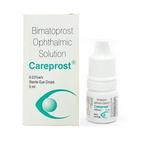
These drops gained immense popularity, demonstrating an incredibly fast and always noticeable result since its application. This innovative means will allow you to give your eyelashes an ideal look, strength and health, in whatever serious condition they are before the moment of its application. It is safe and effective providing amazing results.
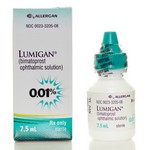
This means is prescribed to reduce eye pressure. Its active ingredient is synthetic prostaglandin bimatoprost – an unsaturated fatty acid, similar in its properties to hormones. Getting into the eye, drops help maintain the balance of the flow and outflow of eye fluid. It is a violation of this balance that leads to an increase in pressure, due to which the blood supply to the eye is impaired and the load on the optic nerve increases.

Bimatoprost reduces IOP in humans by increasing the outflow of aqueous humor through the trabecular meshwork and uveoscleral outflow. IOP reduction begins about 4 hours after the first use. The maximum effect is achieved after about 8–12 hours. The effect lasts for at least 24 hours.
Controversial Eye Drops Deaths Report in 2023
In 2023, a report was published highlighting a series of eye drop-related deaths that shook the medical community and raised concerns among consumers. The report analyzed the causes and factors contributing to these deaths, shedding light on the potential risks associated with the improper use of eye drops.
Background
The report examined multiple cases where individuals had experienced severe adverse reactions after using eye drops. These reactions ranged from allergic reactions to life-threatening complications, leading to hospitalizations and, in some cases, fatalities.
Causes and Factors Contributing to Deaths
The analysis revealed several causes and factors that contributed to the eye drop-related deaths. These included:
- Contamination: In some instances, the eye drops were found to be contaminated with harmful bacteria or other microorganisms. The contamination likely occurred due to improper storage or handling of the eye drop bottles.
- Incorrect Usage: Many of the deaths were attributed to the incorrect usage of eye drops. Patients either used the wrong type of eye drops for their condition or failed to follow the prescribed dosage and frequency. Incorrect usage can lead to adverse effects and potentially fatal complications.
- Wrong Diagnosis: In some cases, the eye conditions were misdiagnosed, leading to the use of inappropriate eye drops. Using the wrong eye drops can exacerbate the condition or cause adverse effects, putting the individual’s health at risk.
Safe Use of Eye Drops
The report emphasized the importance of using eye drops correctly and responsibly to avoid potential risks. It provided several guidelines for safe use:
- Always consult with a healthcare professional before using eye drops, especially if you have underlying medical conditions or take other medications.
- Follow the instructions provided by the healthcare professional or as indicated on the eye drop packaging.
- Ensure proper hygiene by washing your hands before and after using eye drops.
- Do not share eye drop bottles or use expired eye drops.
- Store eye drops according to the instructions provided, avoiding exposure to extreme temperatures or direct sunlight.
Seeking Professional Guidance
If you experience any adverse reactions or unusual symptoms after using eye drops, it is crucial to seek immediate medical attention. Your healthcare provider can assess your condition and provide appropriate guidance to address the issue.
Remember, using eye drops without professional supervision or inappropriately can have serious consequences. It is always better to err on the side of caution and seek advice from a qualified healthcare professional.
Eye Drops for Dogs
Just like humans, dogs can experience various eye conditions and discomfort that may require the use of eye drops. Whether it’s due to allergies, infections, or irritations, using the right eye drops for your furry friend can help provide relief and promote healing.
Types of Eye Drops Available for Dogs
There are several types of eye drops that are specifically formulated for dogs:
- Lubricating Eye Drops: These eye drops are designed to provide moisture and lubrication to the dog’s eyes, helping to relieve dryness and discomfort.
- Antibiotic Eye Drops: Antibiotic eye drops are used to treat bacterial infections in the eyes of dogs. They help eliminate bacteria and reduce inflammation.
- Anti-inflammatory Eye Drops: These eye drops are used to reduce inflammation and alleviate symptoms such as redness, swelling, and discomfort.
- Antihistamine Eye Drops: Antihistamine eye drops can be used to relieve allergic reactions in dogs, including itching, redness, and watery eyes.
Administering Eye Drops to Dogs
Administering eye drops to dogs may require some patience and a gentle touch. Here’s a step-by-step guide:
- Start by preparing the eye drops and ensuring they are at room temperature.
- Have someone assist you in gently holding your dog’s head to keep them steady.
- Tilt your dog’s head slightly back and use your fingers to gently pull down the lower eyelid to create a pocket.
- Hold the eye drops above the eye and squeeze the recommended number of drops into the pocket created by the lower eyelid.
- Release your dog’s head and allow them to blink. This helps distribute the eye drops evenly across the eye.
- Reward your dog with a treat or praise to make the experience positive.
It’s important to follow any specific instructions provided by your veterinarian or the product manufacturer when administering eye drops to your dog.
Precautions and Considerations
While eye drops can be beneficial for dogs, there are a few precautions and considerations to keep in mind:
- Always consult with your veterinarian before using any eye drops on your dog, especially if you’re unsure about the underlying cause of their eye condition.
- Make sure to use eye drops specifically formulated for dogs. Human eye drops may contain ingredients that can be harmful to dogs.
- Follow the recommended dosage and frequency of use provided by your veterinarian.
- Store eye drops properly, as directed by the product packaging, to maintain their efficacy.
If you notice any adverse reactions or worsening of symptoms after using the eye drops, contact your veterinarian for further guidance.
Remember, your dog’s eye health is important, and using appropriate eye drops can help promote their overall well-being. Be observant of their eye condition, administer the drops as instructed, and always seek professional guidance when needed.
Recommended Eye Drops for Various Eye Conditions
Eye drops can be an effective method for treating various eye conditions. Different eye conditions may require specific eye drop treatments, and it’s essential to choose the right product for optimal results. Here are some recommended eye drops for common eye conditions:
1. Dry Eyes:
– SYSTANE Ultra Lubricant Eye Drops: These lubricating eye drops provide long-lasting relief for dry eyes. They help to soothe and hydrate the eyes, reducing discomfort caused by dryness.
– Refresh Tears Lubricant Eye Drops: These eye drops provide immediate relief for dry eyes and help maintain moisture in the eyes.
2. Allergies:
– Zaditor Antihistamine Eye Drops: These eye drops contain antihistamine properties that help relieve itching and redness caused by allergies. They provide fast-acting relief and can be used for both indoor and outdoor allergies.
– Alaway Antihistamine Eye Drops: These eye drops also contain antihistamine properties and are specifically designed to relieve itchy eyes caused by allergies.
3. Redness Relief:
– Visine Redness Relief Original Eye Drops: These eye drops help to relieve redness caused by minor eye irritations such as smoke, dust, wind, or swimming. They provide quick relief and help to whiten and brighten the eyes.
4. Conjunctivitis (Pink Eye):
– Polysporin Eye & Ear Drops: These eye drops are designed to treat bacterial infections such as conjunctivitis. They contain an antibiotic that helps fight the infection and reduce symptoms.
– Similasan Pink Eye Relief Drops: These homeopathic eye drops provide temporary relief from pink eye symptoms such as redness, itching, and burning.
Note: It is essential to consult with a healthcare professional or eye care specialist for a proper diagnosis and to determine the most suitable eye drops for your specific condition.
In addition to using the recommended eye drops, it’s also crucial to follow proper usage instructions and maintain good eye hygiene. If symptoms persist or worsen, it’s advisable to seek medical advice for further evaluation and treatment.
Remember to always read the label and follow the recommended dosage and usage instructions provided by the manufacturer. If you have any concerns or questions about using eye drops, consult with a healthcare professional. Their guidance will ensure safe and effective use of eye drops for your specific eye condition.
Sources:
– National Eye Institute. (n.d.). Facts About Dry Eye. Retrieved from https://www.nei.nih.gov/learn-about-eye-health/eye-conditions-and-diseases/dry-eye
– American Optometric Association. (2016). Dry Eye. Retrieved from https://www.aoa.org/patients-and-public/eye-and-vision-problems/glossary-of-eye-and-vision-conditions/dry-eye
– Mayo Clinic. (2019). Pink Eye (Conjunctivitis). Retrieved from https://www.mayoclinic.org/diseases-conditions/pink-eye/symptoms-causes/syc-20376355
Conclusion and Final Thoughts
In conclusion, using eye drops correctly and responsibly is essential for maintaining healthy eyes and treating various eye conditions. Here are some final tips to keep in mind:
1. Consult with an eye care professional: If you’re experiencing persistent eye discomfort or have a specific eye condition, it’s important to seek professional guidance. An eye care professional can diagnose the underlying issue and recommend the most suitable eye drops for your specific needs.
2. Follow instructions carefully: Whether you’re using over-the-counter eye drops or prescription ones, always read and follow the instructions provided by the manufacturer and your healthcare provider. This includes dosage, frequency of use, and any precautions or warnings.
3. Proper administration technique: When using eye drops, it’s crucial to apply them correctly to ensure maximum effectiveness and minimize the risk of contamination. Make sure to wash your hands before and after administering the drops, tilt your head back, and pull the lower eyelid down to create a small pocket to receive the drops. Avoid touching the dropper tip to your eye or any other surface to prevent contamination.
4. Discard expired or contaminated eye drops: Eye drops have a limited shelf life, and using expired or contaminated products can lead to infections or other complications. Check the expiration date on the packaging and discard any eye drops that have changed color, consistency, or have been exposed to unsanitary conditions.
5. Avoid sharing eye drops: Eye drops are intended for individual use and should not be shared with others. Sharing eye drops can spread infections or introduce harmful bacteria to the eyes.
Remember, while over-the-counter eye drops can provide temporary relief, they do not substitute professional eye care. If you have persistent eye symptoms, it’s important to consult an eye care professional for a comprehensive examination and appropriate treatment.
Maintaining good eye health also involves other lifestyle factors, such as getting regular eye examinations, practicing good hygiene, protecting your eyes from UV rays, and maintaining a healthy diet. Incorporating these habits into your daily routine can contribute to overall eye health and wellness.
For more information on eye care, eye conditions, and recommended eye drops, we recommend visiting reputable sources such as the American Academy of Ophthalmology (https://www.aao.org/) or the National Eye Institute (https://nei.nih.gov/). Remember to consult your healthcare provider or eye care professional for personalized advice and recommendations.