

Understanding Corneal Ulcers
A corneal ulcer is a serious condition that can cause significant damage to the cornea, the clear, dome-shaped surface that covers the front of the eye. It occurs when the cornea is damaged or infected, leading to inflammation and the formation of an open sore.
Causes and Symptoms of Corneal Ulcers
Corneal ulcers can be caused by various factors, including:
- Infection: Bacterial, viral, or fungal infections can lead to corneal ulcers. These infections can be the result of contact lens wear, eye injury, or exposure to contaminated water or objects.
- Eye dryness: Insufficient tear production or inadequate lubrication of the eye can cause the cornea to become dry, leading to ulcers.
- Foreign objects: When foreign bodies, such as dust particles or metal flakes, get trapped on the cornea, they can cause irritation and potentially lead to ulcers.
- Eye trauma: Any injury to the eye, such as scratches or cuts, can increase the risk of developing corneal ulcers.
- Underlying health conditions: Certain medical conditions, like autoimmune disorders or diabetes, can also increase the likelihood of corneal ulcers.
The symptoms of corneal ulcers may include:
- Severe eye pain or discomfort
- Redness and inflammation of the eye
- Blurred or hazy vision
- Sensitivity to light
- Excessive tearing or discharge from the eye
- A feeling that something is in the eye
Importance of Timely Treatment and Management
Corneal ulcers require prompt medical attention and appropriate treatment to prevent further complications and potential vision loss. Delayed treatment can lead to the worsening of the ulcer and increase the risk of corneal scarring or perforation, which may necessitate more invasive interventions like corneal transplants.
Therefore, if you suspect you have a corneal ulcer or experience any symptoms, it is crucial to seek immediate medical care from an eye care professional or ophthalmologist. They can diagnose the condition through a comprehensive eye examination and provide appropriate treatment based on the underlying cause of the ulcer.
Treatments for corneal ulcers may include prescription eye drops, oral medications, or ointments, depending on the severity and nature of the ulcer. It is essential to follow the recommended treatment plan and attend follow-up appointments to ensure the proper healing of the cornea.
By understanding the causes, symptoms, and importance of timely treatment, individuals can take prompt action to address corneal ulcers and protect their eye health.
Prescription Eye Drops for Corneal Ulcers
Prescription eye drops are an essential part of the treatment plan for corneal ulcers. These eye drops are specifically formulated to combat the underlying causes of corneal ulcers and promote healing. Let’s explore the different types of prescription eye drops available for corneal ulcers and how they work.
1. Antibiotic eye drops
Antibiotic eye drops are commonly prescribed to treat corneal ulcers caused by bacterial infections. These eye drops contain antibiotics that target and eliminate the bacteria responsible for the infection. Commonly prescribed antibiotic eye drops include:
- Ciprofloxacin (Ciloxan): Ciloxan is a broad-spectrum antibiotic eye drop that effectively kills a wide range of bacteria.
- Ofloxacin (Ocuflox): Ocuflox is another popular antibiotic eye drop that has shown efficacy against common bacterial pathogens.
It’s important to follow the prescribed dosage and frequency of these antibiotic eye drops to ensure effective treatment. If there is no improvement or worsening of symptoms after a few days of using antibiotic eye drops, it’s crucial to consult a healthcare professional for further evaluation.
2. Antifungal eye drops
In some cases, corneal ulcers may be caused by fungal infections. Antifungal eye drops are specially formulated to combat these fungal pathogens and promote healing. One common antifungal eye drop prescribed for corneal ulcers is:
- Natamycin (Natacyn): Natacyn is a potent antifungal eye drop that effectively treats fungal corneal ulcers.
Antifungal eye drops may not be as commonly prescribed as antibiotic eye drops due to the relatively low prevalence of fungal corneal ulcers. However, if a fungal infection is suspected or confirmed, the healthcare professional will determine the appropriate course of treatment.
3. Steroid eye drops
Steroid eye drops are sometimes prescribed to manage inflammation associated with corneal ulcers. These eye drops help reduce swelling, redness, and discomfort. However, steroid eye drops are only prescribed in specific cases where the benefits outweigh the risks.
It’s important to note that steroid eye drops should only be used under the guidance of a healthcare professional, as long-term or improper use can lead to complications and delayed healing.
Some commonly used steroid eye drops for corneal ulcers include:
- Prednisolone (Pred Forte): Pred Forte is a corticosteroid eye drop that helps reduce inflammation associated with corneal ulcers.
- Dexamethasone (Maxidex): Maxidex is another steroid eye drop that may be prescribed for managing inflammation in corneal ulcers.
It’s worth mentioning that steroid eye drops should be used cautiously and as directed by a healthcare professional, as their misuse or overuse can lead to complications, such as worsening of infections or increased intraocular pressure.
4. Lubricating eye drops
Lubricating eye drops, also known as artificial tears, are frequently recommended for corneal ulcers to provide relief from dryness, discomfort, and irritation. These eye drops contain substances that mimic natural tears and help keep the eye moisturized.
- Refresh Tears: Refresh Tears is a popular brand of lubricating eye drops that offers long-lasting relief for dry eyes associated with corneal ulcers.
- Systane Ultra: Systane Ultra is another widely used lubricating eye drop that provides immediate and prolonged relief for dry eyes.
Lubricating eye drops can be used multiple times a day, as needed, to alleviate the symptoms of dryness and discomfort. However, it’s essential to consult a healthcare professional to ensure that these eye drops are suitable for the specific case of corneal ulcers.
5. Pain-relieving eye drops
Pain-relieving eye drops may be prescribed to manage the discomfort and pain associated with corneal ulcers. These eye drops usually contain anesthetic agents that temporarily numb the eye.
- Proparacaine Hydrochloride (Alcaine):
Over-the-counter eye drops for corneal ulcers
When it comes to treating corneal ulcers, it is important to seek timely medical attention. However, in addition to medical intervention, there are some over-the-counter eye drops that may provide relief and assist in the healing process. It is important to note that these over-the-counter options should be used under the guidance of a healthcare professional, and they are not a substitute for proper medical treatment.
Suitable over-the-counter options for corneal ulcer treatment
While prescription eye drops are often recommended for treating corneal ulcers, there are a few over-the-counter options that may be suitable in certain cases. These options include:
- Artificial tears: These eye drops help to lubricate and moisturize the eyes, providing temporary relief from dryness and discomfort. They do not contain medication that can specifically treat corneal ulcers, but can provide symptomatic relief.
- Antibiotic eye drops: Some over-the-counter antibiotic eye drops may help prevent secondary infections in corneal ulcers. These eye drops usually contain low levels of antibiotics and may be suitable for mild cases. However, it is important to consult a healthcare provider to determine the appropriateness and effectiveness of these eye drops for individual cases.
Limitations and effectiveness of over-the-counter eye drops
While over-the-counter eye drops may offer temporary relief, it is important to understand their limitations and effectiveness. These eye drops may not contain the specific medications needed to effectively treat corneal ulcers. While they may provide some symptomatic relief, they may not address the underlying cause of the ulcers or contribute to their healing process. Therefore, it is crucial to consult a healthcare professional for proper diagnosis and treatment.
Consulting a healthcare professional
When it comes to eye health, it is always advisable to consult a healthcare professional. Even if over-the-counter eye drops are used, it is essential to seek professional guidance and supervision. A healthcare professional can accurately diagnose the condition and recommend the most appropriate treatment plan, which may include prescription eye drops or other forms of medical intervention. They can assess the severity of the corneal ulcers and ensure proper management to prevent complications.
It is important to note that the information provided here is for informational purposes only and should not replace professional medical advice. If you are experiencing symptoms of corneal ulcers or any other eye condition, it is best to seek prompt medical attention.
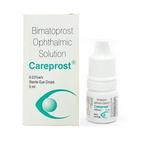
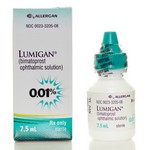
 Bimatoprost
Bimat eye drops are used to treat hypotrichosis, short, weak eyelashes. Bimat increases the length, thickness and enhances the color of eyelashes. These substances are also used to lower intraocular pressure in patients with a diagnosis of glaucoma. By reducing the pressure, the risk of blindness is significantly decreased.
$38.00 per bottle
BimatoprostThese drops gained immense popularity, demonstrating an incredibly fast and always noticeable result since its application. This innovative means will allow you to give your eyelashes an ideal look, strength and health, in whatever serious condition they are before the moment of its application. It is safe and effective providing amazing results.
$35.66 per bottle
BimatoprostThis means is prescribed to reduce eye pressure. Its active ingredient is synthetic prostaglandin bimatoprost – an unsaturated fatty acid, similar in its properties to hormones. Getting into the eye, drops help maintain the balance of the flow and outflow of eye fluid. It is a violation of this balance that leads to an increase in pressure, due to which the blood supply to the eye is impaired and the load on the optic nerve increases.
$65.17 per bottle
BimatoprostBimatoprost reduces IOP in humans by increasing the outflow of aqueous humor through the trabecular meshwork and uveoscleral outflow. IOP reduction begins about 4 hours after the first use. The maximum effect is achieved after about 8–12 hours. The effect lasts for at least 24 hours.
$29.00 per bottleUsing Contact Solution as an Alternative to Eye Drops for Corneal Ulcers
There is a common misconception that using contact solution can be an effective alternative to prescription or over-the-counter eye drops for treating corneal ulcers. However, this is not the case, and it is important to understand why contact solution is not suitable for treating this condition.
The Difference Between Contact Solution and Eye Drops
Contact solution is primarily designed for disinfecting and cleaning contact lenses. It is not formulated to treat specific eye conditions such as corneal ulcers. Contact solution typically contains saline, which helps to rinse away debris and bacteria from contact lenses.
On the other hand, eye drops specifically formulated for corneal ulcers contain medicinal ingredients that help to reduce inflammation, fight infection, and promote healing. These eye drops are prescribed by healthcare professionals based on the specific needs of the patient.
Why Contact Solution is Not Effective for Corneal Ulcers
While contact solution may provide temporary relief for some symptoms associated with corneal ulcers, it does not address the underlying cause or provide the necessary treatment for healing. Corneal ulcers require targeted medication to combat bacterial or viral infections, reduce inflammation, and promote healing.
Using contact solution instead of prescribed eye drops can lead to delayed treatment and potentially worsen the condition. It is essential to follow the advice and recommendations of healthcare professionals when it comes to treating corneal ulcers.
Consulting a Healthcare Professional
If you suspect you have a corneal ulcer or are experiencing symptoms such as eye pain, redness, blurry vision, or sensitivity to light, it is crucial to seek medical attention immediately. A healthcare professional, such as an ophthalmologist or optometrist, can properly diagnose the condition and prescribe the appropriate eye drops for treatment.
It is important not to self-diagnose or self-treat eye conditions, including corneal ulcers. Using contact solution or other over-the-counter products without proper medical guidance can potentially worsen the condition and lead to complications.
Please note that the content provided here is for informational purposes only and should not replace professional medical advice. Always consult a healthcare professional for diagnosis and treatment options for any eye condition.
Eye drops causing death: separating fact from fiction
Recently, there have been concerns raised about the potential risks of eye drops causing death. It is important to address these concerns and provide accurate information to differentiate between fact and fiction.
It is crucial to note that when used as directed by a healthcare professional, eye drops are generally safe and well-tolerated. However, like any medication, there can be potential risks and side effects. These risks are often outweighed by the benefits of properly treating and managing conditions such as corneal ulcers.
While there have been rare instances of severe adverse reactions to eye drops, it is essential to put these cases into perspective. According to the FDA, there have been isolated reports of serious side effects, but they occur in a small percentage of users and are often related to pre-existing conditions or incorrect usage.
It is vital to understand that the benefits of using eye drops, when prescribed appropriately, far outweigh the potential risks. Eye drops are commonly used to provide relief from symptoms, reduce inflammation, and promote healing in conditions such as corneal ulcers.
In order to make informed decisions about using eye drops, it is recommended to consult with a healthcare professional. They can assess individual risk factors, provide guidance on proper usage, and monitor for any potential side effects.
Risks and side effects of eye drops
When using eye drops, it is important to be aware of potential risks and side effects. These can vary depending on the specific medication and individual factors. Common side effects may include:
- Temporary stinging or burning sensation
- Blurred vision
- Increased sensitivity to light
- Redness or irritation of the eye
These side effects are typically mild and resolve on their own. However, if they persist or worsen, it is important to seek medical advice.
In rare cases, more severe side effects can occur. These may include allergic reactions, eye infections, or systemic effects if the medication is absorbed into the bloodstream. It is important to follow proper usage instructions and seek medical attention if any concerning symptoms arise.
Importance of proper usage
To ensure the safe and effective use of eye drops, it is important to follow the prescribed dosage and administration instructions. The following tips can help minimize risks:
- Wash hands thoroughly before and after administering eye drops
- Hold the bottle tip without touching it to the eye or any surfaces
- Tilt the head back and pull the lower eyelid down to create a pocket for the drops
- Administer the prescribed number of drops into the pocket without touching the eye
- Close the eyes gently for a few minutes after instilling the drops
- Store eye drops according to the instructions, including proper temperature and duration of use
By following these guidelines and seeking professional advice, the potential risks associated with eye drops can be minimized, and their benefits can be maximized.
Eye Redness Relief Drops and Corneal Ulcers: Understanding the Potential Dangers
When dealing with eye redness and discomfort, it might be tempting to reach for over-the-counter eye redness relief drops. However, it is important to understand that these drops are not suitable for treating corneal ulcers and may even pose potential dangers.
The Dangers of Eye Redness Relief Drops for Corneal Ulcers
Eye redness relief drops, also known as vasoconstrictors, work by constricting the blood vessels in the eyes, which temporarily reduces redness. While these drops may provide temporary relief for minor eye irritations, they are not designed to treat the underlying cause, such as corneal ulcers.
Corneal ulcers are serious infections or injuries on the surface of the eye, specifically the clear, dome-shaped tissue covering the front of the eye. Redness, pain, blurred vision, and increased sensitivity to light are common symptoms of corneal ulcers. Using eye redness relief drops for corneal ulcers can mask these symptoms, potentially delaying the proper diagnosis and treatment of the underlying condition.
The Importance of Seeking Medical Advice
If you are experiencing eye redness or any other symptoms associated with corneal ulcers, it is crucial to seek medical advice from a healthcare professional. Only a qualified eye care specialist can accurately diagnose and provide appropriate treatment for corneal ulcers.
Eye redness relief drops should never be used as a substitute for proper medical care. Consulting a healthcare professional will ensure that you receive the most suitable and effective treatment for your specific condition.
It is also important to note that self-diagnosis and self-medication can lead to complications and potentially cause more harm than good. By consulting a healthcare professional, you will have access to expert guidance and appropriate medications to manage and treat corneal ulcers safely and effectively.
Conclusion
While eye redness relief drops may provide temporary relief for minor eye irritations, they are not recommended for treating corneal ulcers. Using these drops for corneal ulcers can mask symptoms and delay the proper diagnosis and treatment of a serious underlying condition.
Seeking medical advice from a healthcare professional is crucial when experiencing symptoms associated with corneal ulcers. They will be able to accurately diagnose the condition and provide appropriate treatment options to ensure the best outcome for your eye health.
Treatment Options for Corneal Ulcers
Corneal ulcers are a serious condition that requires prompt and appropriate treatment to prevent complications. While prescription eye drops are a common treatment option, there are also other approaches that can be effective in managing corneal ulcers. It’s important to follow the guidance of a healthcare professional and maintain proper hygiene practices to ensure proper healing and prevent further damage.
Ointments
In addition to prescription eye drops, ointments may be recommended for the treatment of corneal ulcers. Ointments provide a thicker and more long-lasting layer of medication on the surface of the eye, which can help protect the cornea and promote healing. They are typically applied directly to the affected eye several times a day, following the instructions provided by the healthcare professional.
Oral Medications
In certain cases, oral medications may be prescribed alongside or instead of eye drops for the treatment of corneal ulcers. These medications are typically antibiotics or antiviral agents that help fight off the underlying infection causing the ulcer. They are taken by mouth as directed by the healthcare professional and can help prevent the spread of the infection and promote healing.
Hygiene Practices
Proper hygiene practices play a crucial role in the prevention and management of corneal ulcers. It’s essential to maintain good hand hygiene and avoid touching the eyes with dirty hands. Contact lens wearers should follow strict hygiene protocols recommended by their eye care professional, including proper cleaning and storage of lenses. Regularly cleaning and disinfecting contact lens cases is also important to avoid contamination that could lead to corneal ulcers.
Follow-Up with a Healthcare Professional
Regular follow-up appointments with a healthcare professional are essential for effective management of corneal ulcers. These appointments allow the healthcare professional to assess the progress of the healing process, adjust the treatment plan if necessary, and provide further guidance. It’s important to attend these appointments as scheduled and communicate any concerns or changes in symptoms to the healthcare professional.
Overall, the treatment options for corneal ulcers may include prescription eye drops, ointments, oral medications, and proper hygiene practices. Each approach has its own benefits and considerations, and it’s crucial to follow the guidance of a healthcare professional. By taking appropriate steps and seeking medical advice, individuals can effectively manage corneal ulcers and prevent complications.