Understanding Cataracts and the Need for Treatment
Cataracts are a common eye condition that affects many people as they age. It is characterized by a clouding of the lens in the eye, which leads to a decrease in vision and can eventually cause blindness if left untreated. Cataracts can develop slowly over time, causing symptoms such as blurry vision, difficulty seeing at night, sensitivity to light, and seeing halos around lights.
While cataracts are primarily a result of aging, they can also be caused by other factors such as diabetes, certain medications, eye injuries, and prolonged exposure to sunlight. When cataracts begin to interfere with daily activities and quality of life, it becomes necessary to seek treatment.
The most effective treatment for cataracts is surgery, where the cloudy lens is removed and replaced with an artificial lens. Cataract surgery has a high success rate, with most patients experiencing improved vision and a reduction in symptoms following the procedure.
It is important to note that cataracts cannot be treated or reversed with eye drops. However, the use of certain eye drops can help manage the symptoms associated with cataracts, such as dryness and discomfort.
Eye drops for cataract management are designed to lubricate the eyes, relieve dryness, and reduce inflammation. They can help alleviate the discomfort caused by cataracts and improve overall eye health. While these eye drops do not directly treat cataracts, they can provide temporary relief and improve the quality of life for individuals with the condition.
It is important to consult with an eye care professional before using any eye drops for cataracts. They can recommend the appropriate type of eye drops based on the severity of the cataracts and the individual’s specific needs.
In conclusion, cataracts are a common eye condition that can significantly impact an individual’s vision and quality of life. While cataract surgery is the most effective treatment for cataracts, certain eye drops can help manage the symptoms associated with the condition. However, it is crucial to consult with an eye care professional before using any eye drops for cataracts to ensure proper treatment and care.
Understanding the Role of Eye Drops in Managing Cataracts
Cataracts are a common eye condition that affects millions of people worldwide. It is characterized by the clouding of the lens in the eye, leading to blurry vision, difficulty seeing at night, and increased sensitivity to light. While cataract surgery is often the recommended treatment option, some people may choose to manage their cataracts with the help of eye drops.
The Benefits of Using Eye Drops for Cataracts
Eye drops can provide relief and help manage the symptoms associated with cataracts. They offer several benefits, including:
- Reducing inflammation: Some eye drops contain anti-inflammatory properties that help alleviate the inflammation associated with cataracts. This can help improve vision and reduce discomfort.
- Moisturizing the eyes: Cataracts can cause dry eyes, which can exacerbate symptoms such as redness and irritation. Eye drops can help moisturize the eyes and alleviate dryness.
- Improving vision: Certain eye drops, such as those containing hyaluronic acid, can help improve vision by temporarily enhancing the clarity of the lens.
Types of Eye Drops for Cataract Management
There are several different types of eye drops that can be used for cataract management. These include:
- Anti-inflammatory eye drops: These eye drops help reduce inflammation in the eye, which can improve vision and reduce discomfort.
- Lubricating eye drops: These eye drops help moisturize the eyes and alleviate dryness, which is a common symptom of cataracts.
- Vitamin C eye drops: Vitamin C is an antioxidant that may help slow down the progression of cataracts. Vitamin C eye drops can be used as a supplement to support eye health.
- Hyaluronic acid eye drops: Hyaluronic acid eye drops temporarily enhance the clarity of the lens, helping improve vision for individuals with cataracts.
Where to Buy Eye Drops for Cataracts
Eye drops for cataracts can be purchased at various locations, including:
- Pharmacies and drugstores
- Online retailers specializing in eye care products
- Specialty eye care clinics
- Optical centers
It is important to consult with an eye care professional before purchasing eye drops for cataracts to ensure that the specific product is suitable for your needs.
Different types of eye drops for cataract management
Eye drops are often used as a non-surgical approach to manage cataracts. They can provide temporary relief from symptoms such as blurry vision, glare, and reduced night vision. They may also help slow down the progression of cataracts and improve overall eye health.
There are different types of eye drops available for cataract management, each with its own unique formulation and purpose. Below are some of the most commonly used eye drops for cataracts:
- Anti-inflammatory eye drops: These eye drops help reduce inflammation and swelling in the eyes, which can be beneficial for cataract patients. They can help relieve discomfort and improve vision clarity.
- Antioxidant eye drops: Antioxidant eye drops contain vitamins C and E, as well as other antioxidants, which can help protect the eyes from damage caused by free radicals. They may help slow down the progression of cataracts and reduce oxidative stress in the eye.
- Preservative-free lubricating eye drops: Cataract patients often experience dry eyes, and lubricating eye drops can provide relief. Preservative-free eye drops are recommended as they are less likely to cause irritation or allergic reactions.
- Hydrogel eye drops: These eye drops contain a hydrogel substance that can help retain moisture in the eyes and provide long-lasting relief for dry eyes. They can also help improve the clarity of vision for cataract patients.
- Artificial tears: Artificial tears are a common type of eye drops used for various eye conditions, including cataracts. They can help lubricate the eyes and provide temporary relief from dryness and discomfort.
It is important to consult with an ophthalmologist or optometrist before starting any type of eye drops for cataract management. They can recommend the most suitable eye drops based on the individual’s specific needs, symptoms, and overall eye health.
When using eye drops for cataracts, it is important to follow the instructions provided by the manufacturer and the advice of the eye care professional. The frequency and duration of use may vary depending on the specific eye drop and the severity of the cataracts.
Also, keep in mind that while eye drops may provide temporary relief and slow down the progression of cataracts, they cannot cure the condition. Surgical intervention, such as cataract surgery, may be necessary to remove the cataract and restore clear vision.

Bimat eye drops are used to treat hypotrichosis, short, weak eyelashes. Bimat increases the length, thickness and enhances the color of eyelashes. These substances are also used to lower intraocular pressure in patients with a diagnosis of glaucoma. By reducing the pressure, the risk of blindness is significantly decreased.
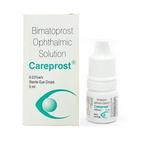
These drops gained immense popularity, demonstrating an incredibly fast and always noticeable result since its application. This innovative means will allow you to give your eyelashes an ideal look, strength and health, in whatever serious condition they are before the moment of its application. It is safe and effective providing amazing results.
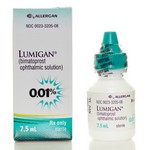
This means is prescribed to reduce eye pressure. Its active ingredient is synthetic prostaglandin bimatoprost – an unsaturated fatty acid, similar in its properties to hormones. Getting into the eye, drops help maintain the balance of the flow and outflow of eye fluid. It is a violation of this balance that leads to an increase in pressure, due to which the blood supply to the eye is impaired and the load on the optic nerve increases.

Bimatoprost reduces IOP in humans by increasing the outflow of aqueous humor through the trabecular meshwork and uveoscleral outflow. IOP reduction begins about 4 hours after the first use. The maximum effect is achieved after about 8–12 hours. The effect lasts for at least 24 hours.
Where to Buy Dry Eye Drops for Cataracts?
If you are looking for dry eye drops to manage the symptoms of cataracts, there are several options available for purchase. These eye drops can help alleviate dryness, discomfort, and irritation associated with cataracts.
1. Local Pharmacies and Drugstores
One of the most common places to buy dry eye drops is a local pharmacy or drugstore. These establishments usually carry a wide range of over-the-counter eye drops, including those specifically designed for dry eyes caused by cataracts. Look for reputable brands such as Refresh, Systane, or TheraTears, which are often recommended by eye care professionals.
2. Online Retailers
Another convenient option is purchasing dry eye drops for cataracts from online retailers. Websites like Amazon, Walmart, and CVS offer a variety of eye drops for cataract symptoms. When buying online, it’s important to read customer reviews and check the ratings of the product to ensure its efficacy and quality. Additionally, make sure to choose a reputable seller that is known for delivering genuine products.
3. Eye Care Professionals and Clinics
Eye care professionals, such as ophthalmologists or optometrists, may also offer dry eye drops for cataracts for purchase directly at their clinics. These professionals can provide guidance on which eye drops may be most suitable for your specific needs. They can also answer any questions you may have regarding the use and effectiveness of different brands and types of eye drops.
4. Specialty Eye Care Stores
Specialty eye care stores or optical shops may also carry dry eye drops specifically formulated for individuals with cataracts. These stores often have a wide selection of eye care products and can provide personalized recommendations based on your symptoms and eye health.
5. Cataract Surgery Centers
If you are scheduled for cataract surgery, the cataract surgery center may offer dry eye drops to manage your symptoms before and after the procedure. These drops are usually prescribed by the surgeon or eye care team and may be available for purchase at the center or through their recommended suppliers.
When purchasing dry eye drops for cataracts, it is important to choose a reputable source to ensure you are getting a genuine and effective product. It’s also recommended to consult with your eye care professional for advice on the most suitable eye drops for your specific condition and needs.
Remember to follow the instructions provided with the eye drops and, if you experience any persisting or worsening symptoms, seek medical attention from your eye care professional.
Exploring the Effectiveness of Simbrinza Eye Drops for Cataracts
Cataracts are a common eye condition that affects millions of people worldwide. It causes clouding of the lens in the eye, leading to blurry vision and difficulty seeing clearly. While surgery is the most effective treatment for cataracts, some eye drops may help manage the symptoms and slow down the progression of the condition.
One popular eye drop for cataract management is Simbrinza. Simbrinza is a combination medication that contains two active ingredients: brinzolamide and brimonidine tartrate. Brinzolamide belongs to a class of drugs called carbonic anhydrase inhibitors, which help to reduce the production of fluid in the eye. Brimonidine tartrate, on the other hand, is an alpha-2 adrenergic receptor agonist that lowers the pressure inside the eye.
Simbrinza eye drops are primarily prescribed for the treatment of glaucoma, but they can also be used for cataracts. These eye drops help to decrease intraocular pressure, which is often increased in cataract patients. By reducing this pressure, Simbrinza may provide temporary relief from symptoms and slow down the progression of cataracts.
According to a study published in the Journal of Ocular Pharmacology and Therapeutics, Simbrinza eye drops were found to significantly reduce intraocular pressure in patients with cataracts. The study involved 116 participants who were divided into two groups – one group received Simbrinza eye drops, and the other received a placebo. The results showed that the group receiving Simbrinza had a significant reduction in intraocular pressure compared to the placebo group.
It is important to note that while Simbrinza eye drops may provide temporary relief from the symptoms of cataracts, they cannot reverse or cure the condition. The only definitive treatment for cataracts is surgery, where the cloudy lens is replaced with an artificial one. However, using eye drops like Simbrinza can help manage the symptoms while waiting for surgery or in cases where surgery is not an immediate option.
If you are considering using Simbrinza eye drops for cataracts, it is essential to consult with your eye care professional. They can assess whether Simbrinza is suitable for your specific condition and provide you with the appropriate instructions for use. Your doctor will also monitor your progress and may adjust the dosage or recommend additional treatments if necessary.
It is worth mentioning that Simbrinza eye drops may not be suitable for everyone. Individuals with certain medical conditions or taking certain medications may have contraindications or interactions with Simbrinza. Always inform your doctor about your complete medical history and any medications you are currently taking.
In conclusion, Simbrinza eye drops have shown effectiveness in reducing intraocular pressure in cataract patients. While they cannot reverse cataracts or replace the need for surgery, they can provide temporary relief and slow down the progression of the condition. Consult with your eye care professional to determine if Simbrinza is the right option for you.
The popular use of Andrew Eye Drops for cataracts and its efficacy
Cataracts are a common eye condition that affects millions of people worldwide. It is characterized by the clouding of the eye’s natural lens, resulting in blurred vision and difficulty in seeing clearly. While surgery is often the most effective treatment for cataracts, some people prefer to explore non-surgical options like eye drops.
One popular option in the market for managing cataracts is Andrew Eye Drops. These eye drops contain a combination of natural ingredients that are believed to have potential benefits for cataract sufferers. According to the manufacturer, Andrew Eye Drops work by improving blood flow to the eyes, reducing inflammation, and promoting the regeneration of healthy eye tissues.
The efficacy of Andrew Eye Drops in treating cataracts has been a topic of interest among both medical professionals and individuals seeking alternative treatment options. While the manufacturer provides anecdotal evidence and testimonials supporting the effectiveness of the product, it is important to approach these claims with caution, as they may not be supported by scientific research or clinical trials.
When considering any eye drops for cataracts, it is crucial to consult with an eye care professional or ophthalmologist. They can provide expert guidance and evaluate the suitability of such products based on your individual circumstances. They can also discuss potential benefits and risks associated with using Andrew Eye Drops or any other alternative treatments.
It is worth mentioning that while there may be positive experiences reported with the use of Andrew Eye Drops, individual results may vary. Some users may experience improvements in their symptoms, while others may not experience any significant changes. Therefore, it is essential to set realistic expectations when using any non-surgical treatments for cataracts.
If you decide to try Andrew Eye Drops or any other alternative eye drops for cataracts, it is important to follow the instructions provided by the manufacturer. This includes the frequency of use, proper storage, and any precautions or warnings mentioned on the packaging. Additionally, if you experience any adverse reactions or worsening of your symptoms, it is recommended to discontinue use and consult with a healthcare professional.
As with any healthcare decision, it is crucial to gather as much information as possible and make an informed choice. Conducting thorough research, seeking professional advice, and considering scientific evidence can help ensure that you are making the best decision for your eye health.
Please note that the information provided in this article is for informational purposes only and should not be considered as medical advice. Always consult with a healthcare professional for personalized advice and guidance regarding your specific condition.
Natural alternatives: Using artificial tears eye drops for cataract relief
Cataracts are a common age-related eye condition that can lead to blurry vision and difficulty seeing clearly. While surgery is the most effective treatment option for cataracts, there are also some natural alternatives that can provide temporary relief and improve symptoms. One such alternative is the use of artificial tears eye drops.
What are artificial tears eye drops?
Artificial tears eye drops are non-medicated lubricating drops that can provide relief from the dryness and discomfort associated with cataracts. These eye drops work by supplementing the natural tears in the eyes, helping to keep the eyes moisturized and reducing the symptoms of dryness and irritation.
Artificial tears eye drops are available over the counter and can be purchased without a prescription, making them easily accessible for those seeking relief from cataract symptoms.
How do artificial tears eye drops help with cataract relief?
While artificial tears eye drops cannot reverse or slow down the progression of cataracts, they can help manage the symptoms associated with the condition. Cataracts often cause dryness in the eyes, leading to discomfort and irritation. Artificial tears eye drops can help alleviate these symptoms by keeping the eyes moisturized and providing temporary relief.
Additionally, artificial tears eye drops can also improve vision temporarily by reducing the cloudiness and blurry vision caused by cataracts. By adding moisture to the eyes, these drops can help improve the quality of vision and make daily activities easier and more comfortable.
Choosing the right artificial tears eye drops
When choosing artificial tears eye drops for cataract relief, it’s important to consider the specific needs of your eyes. There are different types of artificial tears eye drops available, each with its own formulation and level of viscosity.
Some factors to consider when choosing artificial tears eye drops include:
- Viscosity: Some eye drops are more watery, while others have a thicker consistency. Thicker drops may provide longer-lasting relief, but can also cause blurred vision temporarily.
- Preservatives: Some eye drops contain preservatives that help prevent contamination. However, these preservatives can irritate the eyes, especially with long-term use. Preservative-free drops are available for those with sensitive eyes.
- Ingredients: Different eye drops may contain different ingredients, such as sodium hyaluronate or hydroxypropyl methylcellulose. It’s important to read the labels and choose eye drops that suit your needs and preferences.
Consulting with an eye care professional can also help you determine the best artificial tears eye drops for your specific needs.
The effectiveness of artificial tears eye drops for cataract relief
While artificial tears eye drops can provide temporary relief and improve symptoms associated with cataracts, they do not treat or cure the underlying condition. The effectiveness of these drops can vary depending on the individual and the severity of the cataracts.
However, a study published in the journal “Cornea” in 2016 found that artificial tears eye drops can significantly improve visual acuity and reduce symptoms of dryness and discomfort in patients with mild to moderate cataracts.
Conclusion
If you’re looking for a natural alternative to manage the symptoms of cataracts, artificial tears eye drops can be a viable option. These drops can provide temporary relief from dryness, discomfort, and blurry vision associated with cataracts. It’s important to choose the right eye drops for your specific needs and consult with an eye care professional if you have any concerns or questions.
Remember, while artificial tears eye drops can improve symptoms, surgery is the only treatment option that can effectively treat cataracts and restore clear vision in the long term.