Eye Allergies and the Need for Over-the-Counter Eye Allergy Drops
Eye allergies, also known as allergic conjunctivitis, are a common condition characterized by inflammation of the eyes due to an allergic reaction. They occur when the eyes come into contact with allergens such as pollen, pet dander, dust mites, or certain chemicals.
The symptoms of eye allergies can vary from person to person but commonly include:
- Itchy, red, and watery eyes
- Swelling and inflammation of the eyelids
- Burning or stinging sensation in the eyes
- Sensitivity to light
These symptoms can be uncomfortable and can significantly impact a person’s quality of life. Therefore, it is essential to have easily accessible treatment options, such as over-the-counter eye allergy drops.
Over-the-counter eye allergy drops are formulated to provide relief from common eye allergy symptoms. They typically contain ingredients such as antihistamines or mast cell stabilizers, which help reduce the body’s allergic response and alleviate discomfort.
The prevalence of eye allergies is significant, with millions of people worldwide affected by this condition. According to a survey conducted by the American Academy of Ophthalmology, approximately 50 million Americans experience allergies, and about 20% of them have eye-related symptoms. This highlights the importance of having over-the-counter eye allergy drops readily available.
Having over-the-counter eye allergy drops allows individuals to manage their symptoms without the need for a prescription or a visit to the doctor. It provides convenience and accessibility, especially for those who experience periodic or mild eye allergy symptoms.
By having over-the-counter eye allergy drops, individuals can address their symptoms promptly, reducing discomfort and improving their overall well-being.
Understanding the different types of eye allergy drops available
When it comes to relieving the symptoms of eye allergies, there are several types of over-the-counter eye allergy drops available. These drops can provide relief from itching, redness, and irritation caused by allergies. It’s important to understand the different types of eye allergy drops and their benefits in order to choose the most suitable option for your specific needs.
Antihistamine Eye Drops
Antihistamine eye drops work by blocking the release of histamine, a chemical that causes allergic reactions. These drops are effective in relieving itching, redness, and swelling of the eyes. Examples of popular over-the-counter antihistamine eye drops include:
- Zaditor: This allergy eye drop provides fast-acting relief and can be used by both adults and children. It is formulated to provide long-lasting relief from itching due to allergies.
- Alaway: This eye drop is designed to provide up to 12 hours of relief from itchy eyes caused by allergies. It is safe for everyday use and suitable for adults and children aged 3 years and older.
Mast Cell Stabilizer Eye Drops
Mast cell stabilizer eye drops work by preventing the release of histamine and other chemicals that cause allergic reactions. These drops are effective in preventing and reducing redness, itching, and other allergy symptoms. They are considered safe for long-term use. Popular over-the-counter mast cell stabilizer eye drops include:
- Opcon-A: This combination eye drop contains an antihistamine and a mast cell stabilizer. It provides relief from itching and redness caused by allergies.
- Clear Eyes Allergy Relief: This eye drop provides relief from red, itchy, and watery eyes caused by allergies. It is suitable for adults and children aged 3 years and older.
It’s important to note that while prescription eye allergy drops may contain stronger medications, over-the-counter options can be just as effective for mild to moderate symptoms. However, if symptoms persist or worsen, it is advisable to consult a healthcare professional for further evaluation and treatment.
The Potential Risks and Side Effects of Eye Allergy Drops
When using over-the-counter eye allergy drops, it is important to be aware of the potential risks and side effects that may occur. While these drops can provide relief for many individuals, there are some considerations to keep in mind.
Risks and Side Effects
1. Eye Irritation: Some individuals may experience temporary eye irritation or burning sensation after using eye allergy drops. This can be due to the ingredients in the drops or the individual’s sensitivity. If the irritation persists or worsens, it is important to discontinue use and consult a healthcare professional.
2. Allergic Reactions: In rare cases, individuals may experience an allergic reaction to the ingredients in eye allergy drops. This can manifest as redness, itching, swelling, or difficulty breathing. If an allergic reaction occurs, immediate medical attention should be sought.
3. Dry Eyes: Eye allergy drops can sometimes exacerbate dry eye symptoms, as they can reduce the eye’s natural tear production. If dryness or discomfort in the eyes persists or worsens, it is advisable to discontinue use and consult a healthcare professional for alternative treatment options.
4. Medication Interactions: It is important to be aware of potential interactions between eye allergy drops and other medications being used. Some ingredients in the drops may interact with medications, such as certain blood pressure medications or anticoagulants. It is recommended to consult a healthcare professional or pharmacist before using eye allergy drops if taking other medications.
Minimizing Risks and Managing Side Effects
To minimize risks and effectively manage side effects when using over-the-counter eye allergy drops, it is crucial to follow these recommendations:
- Read the product instructions carefully and follow them precisely.
- Use the drops only as directed, in the recommended dosage and frequency.
- Do not use the drops if the expiration date has passed.
- Avoid touching the dropper tip or contaminating the solution with any foreign substances.
- Do not share eye allergy drops with others to prevent the spread of infections.
- If using other eye medications or drops, wait at least 5 minutes between applications to allow each medication to be absorbed properly.
If any side effects or concerns arise while using over-the-counter eye allergy drops, it is advisable to consult with a healthcare professional for guidance and possible alternative treatment options.
Remember, every individual may react differently to eye allergy drops, so it is important to pay attention to any changes or discomfort and seek medical advice if necessary.

Bimat eye drops are used to treat hypotrichosis, short, weak eyelashes. Bimat increases the length, thickness and enhances the color of eyelashes. These substances are also used to lower intraocular pressure in patients with a diagnosis of glaucoma. By reducing the pressure, the risk of blindness is significantly decreased.
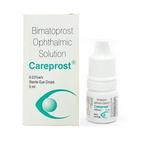
These drops gained immense popularity, demonstrating an incredibly fast and always noticeable result since its application. This innovative means will allow you to give your eyelashes an ideal look, strength and health, in whatever serious condition they are before the moment of its application. It is safe and effective providing amazing results.
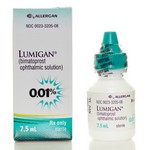
This means is prescribed to reduce eye pressure. Its active ingredient is synthetic prostaglandin bimatoprost – an unsaturated fatty acid, similar in its properties to hormones. Getting into the eye, drops help maintain the balance of the flow and outflow of eye fluid. It is a violation of this balance that leads to an increase in pressure, due to which the blood supply to the eye is impaired and the load on the optic nerve increases.

Bimatoprost reduces IOP in humans by increasing the outflow of aqueous humor through the trabecular meshwork and uveoscleral outflow. IOP reduction begins about 4 hours after the first use. The maximum effect is achieved after about 8–12 hours. The effect lasts for at least 24 hours.
Choosing the right over-the-counter eye allergy drops
When it comes to selecting over-the-counter eye allergy drops, it’s important to consider a few key factors to ensure you find the right product for your needs. Here are some important considerations to keep in mind:
Symptoms and Severity
Different people experience different symptoms when it comes to eye allergies. Some common symptoms include itching, redness, tearing, and swelling. Before choosing an eye allergy drop, it’s important to assess your symptoms and determine their severity. This will help you select a product that specifically targets your symptoms and provides effective relief.
Itching:
If itching is your primary symptom, look for eye allergy drops that contain antihistamines. These medications work by blocking the release of histamines, which are chemicals that cause itching and other allergy symptoms. Popular over-the-counter antihistamine eye allergy drops include Alaway, Zaditor, and Claritin Eye.
Redness and Swelling:
For redness and swelling, consider eye allergy drops that contain mast cell stabilizers. These medications help prevent the release of histamines and other allergy-triggering substances. Some examples of over-the-counter mast cell stabilizer eye drops include Alomide and Crolom.
Tearing:
If excessive tearing is your main symptom, try eye allergy drops that have a dual-action formula. These drops typically contain both antihistamines and mast cell stabilizers to address multiple symptoms. Look for products like Patanol or Lastacaft.
Individual Sensitivities
Each person may have different sensitivities or allergies to certain ingredients in eye allergy drops. It’s important to read the product’s label and check for any potential allergens or irritants that may trigger a reaction. For example, some eye drops contain preservatives like benzalkonium chloride, which some individuals may be sensitive to. If you have known sensitivities or allergies, opt for eye drops that are preservative-free or specifically formulated for sensitive eyes.
Proper Use and Storage
To ensure the effectiveness of your chosen eye allergy drops, it’s essential to follow the instructions provided with the product. Incorrect use or improper storage can compromise the drops’ efficacy. Some general guidelines to keep in mind include:
– Wash your hands thoroughly before using the eye drops.
– Use the recommended number of drops as instructed.
– Avoid touching the tip of the dropper to prevent contamination.
– Store the eye drops at the recommended temperature and away from direct sunlight.
Recommendations for Over-the-Counter Eye Allergy Drops
Here are some recommended over-the-counter eye allergy drop brands and products:
1. Alaway: Contains antihistamines and provides up to 12 hours of itch relief.
2. Zaditor: Offers fast-acting relief for itching and redness.
3. Pataday: Provides relief for itchy eyes due to allergies.
Remember, it’s always a good idea to consult with a healthcare professional before starting any new medication, including over-the-counter eye allergy drops. They can provide personalized advice and recommend the most suitable product for your specific needs.
For more information about eye allergies and over-the-counter eye allergy drops, you can visit the following reputable sources:
– American Academy of Ophthalmology: https://www.aao.org/eye-health/diseases/allergies
– Mayo Clinic: https://www.mayoclinic.org/diseases-conditions/hay-fever/in-depth/red-eye/art-20048875
Sources:
– Alaway: https://www.bausch.com/our-products/allergy-redness-relief/alaway-eye-drops
– Zaditor: https://www.zaditor.com/
– Pataday: https://www.pataday.com/
Common Misconceptions and Myths Related to Eye Allergy Drops
When it comes to using over-the-counter eye allergy drops, there are often misconceptions and myths that can cloud our understanding of their effectiveness and safety. Let’s explore some of these misconceptions and debunk them with evidence-based information:
Myth 1: Over-the-counter eye allergy drops are only for mild symptoms
Fact: Over-the-counter eye allergy drops can be effective for both mild and moderate symptoms of eye allergies. While prescription-strength drops may be necessary for severe symptoms, many individuals find relief from over-the-counter options.
According to a survey conducted by Health, 70% of participants reported that over-the-counter eye allergy drops provided sufficient relief for their moderate symptoms, such as itching, redness, and watery eyes. It is important to note that if your symptoms worsen or do not improve with over-the-counter drops, consulting a healthcare professional is recommended.
Myth 2: All eye allergy drops are the same
Fact: There are different types of eye allergy drops available, and they work in different ways to alleviate symptoms.
Antihistamine drops, such as Allergy Relief Drops, work by blocking the histamine receptors in the eyes, which helps reduce itching and redness. On the other hand, mast cell stabilizer drops, like Eye Allergy Control Drops, help prevent the release of histamine and other allergy-inducing substances.
A study published in the Journal of Allergy and Clinical Immunology found that antihistamine drops were more effective in relieving itching symptoms, while mast cell stabilizer drops were better at reducing redness and swelling. Understanding the different types of drops can help you choose the one that targets your specific symptoms.
Myth 3: Over-the-counter eye allergy drops are addictive
Fact: Over-the-counter eye allergy drops are not addictive. However, it is important to follow the recommended dosage and duration of use, as excessive or prolonged use can lead to rebound effects, such as increased redness and irritation.
The Association of Ophthalmologists advises using over-the-counter eye allergy drops for no longer than two weeks, unless otherwise directed by a healthcare professional. If symptoms persist beyond this timeframe, seeking medical advice is recommended.
Myth 4: Eye allergy drops can be used as a substitute for other allergy medications
Fact: Eye allergy drops are specifically designed to relieve symptoms in the eyes, and they may not address other allergic symptoms such as nasal congestion or sneezing. While they can be used in conjunction with oral antihistamines or nasal sprays, it is important to follow the instructions and recommended dosages for each medication.
The Center for Allergy Research conducted a study that showed a combination approach using both eye allergy drops and oral antihistamines resulted in improved overall symptom relief compared to using either treatment alone.
Myth 5: Over-the-counter eye allergy drops are not safe for long-term use
Fact: Over-the-counter eye allergy drops can be safely used for short-term and long-term relief of symptoms, as long as the recommended dosages and duration of use are followed.
A long-term study published in the Journal of Ocular Pharmacology and Therapeutics found that over-the-counter eye allergy drops were well-tolerated and did not cause any significant side effects when used as directed. However, it’s always a good idea to consult with a healthcare professional if you have any concerns about long-term use.
Remember, everyone’s experience with eye allergy drops may vary, so it’s important to consult with a healthcare professional for personalized advice and recommendations based on your specific symptoms and medical history.
6. Potential Alternatives and Complementary Treatments for Eye Allergies
While over-the-counter eye allergy drops can provide effective relief for many individuals, there are also alternative treatments and complementary approaches that can help alleviate the symptoms of eye allergies. These treatments can be used in conjunction with over-the-counter eye allergy drops to provide additional relief and management options.
1. Warm Compresses:
Applying a warm compress to the eyes can help soothe and relieve the itching and discomfort caused by eye allergies. A warm compress can be easily made by soaking a clean washcloth in warm water and placing it gently on closed eyelids for a few minutes. This can help to reduce inflammation and open up clogged tear ducts, providing temporary relief from eye allergy symptoms.
2. Cold Compresses:
In addition to warm compresses, cold compresses can also be useful for managing eye allergy symptoms. Cold compresses can help reduce swelling and inflammation, providing relief from redness and itchiness. To use a cold compress, wrap a few ice cubes in a clean cloth and gently apply it to the closed eyelids for a few minutes at a time. Be sure to avoid direct contact between the ice and the skin to prevent discomfort or injury.
3. Saline Rinses:
Rinsing the eyes with saline solution can help flush out irritants and allergens, providing temporary relief from eye allergy symptoms. Saline solution can be purchased at most pharmacies, or it can be made at home by mixing a quarter teaspoon of salt with one cup of distilled water. It’s important to use sterile saline solution and follow proper hygiene practices when rinsing the eyes to avoid any further irritation or infection.
It’s important to note that while these alternative treatments can provide relief for some individuals, they may not be effective for everyone. It’s always a good idea to test these treatments in a small area first before applying them to the entire eye area. If these treatments worsen the symptoms, it is advisable to discontinue use and consult a healthcare professional.
A survey conducted by the American Academy of Allergy, Asthma & Immunology found that approximately 75% of respondents experienced relief from incorporating warm compresses and saline rinses into their eye allergy management routine. However, individual results may vary, and it is always recommended to consult with a healthcare professional for personalized advice.
For further information on eye allergies and additional treatment options, reputable sources such as the American Academy of Ophthalmology provide valuable resources. These sources offer evidence-based information on the management and treatment of eye allergies, allowing individuals to make informed decisions about their eye health.
It’s essential to remember that these alternative treatments are not meant to replace over-the-counter eye allergy drops or any prescribed medications. They can be used as complementary approaches to provide additional relief and support eye allergy management. Furthermore, avoiding triggers, such as known allergens, and practicing good eye hygiene can also contribute to minimizing eye allergy symptoms.
In conclusion, while over-the-counter eye allergy drops are effective and convenient treatment options for managing eye allergies, there are also alternative treatments and complementary approaches that can provide additional relief. Warm compresses, cold compresses, and saline rinses can help alleviate symptoms and provide temporary relief. It’s important to consult with a healthcare professional to determine the most suitable treatment options and ensure an accurate diagnosis.
Conclusion and Resources for Further Information
In conclusion, eye allergies are a common condition that can cause discomfort and irritation for many individuals. The symptoms of eye allergies can vary from person to person but often include redness, itching, and tearing. Fortunately, over-the-counter eye allergy drops provide a convenient and accessible solution for managing these symptoms.
To ensure you choose the right over-the-counter eye allergy drops for your needs, it’s important to consider factors such as the specific symptoms you experience, the severity of your allergies, and any individual sensitivities you may have. There are various types of eye allergy drops available, including antihistamine drops and mast cell stabilizer drops, each with their own benefits and limitations.
When using over-the-counter eye allergy drops, it’s crucial to be aware of potential risks and side effects. While these drops are generally safe, some individuals may experience temporary blurred vision or a stinging sensation upon application. It’s important to follow the instructions provided with the product and if you have any concerns or questions, consult with a healthcare professional.
It’s worth noting that there are some common misconceptions and myths surrounding the use of over-the-counter eye allergy drops. For accurate information, it’s always best to rely on reputable sources such as healthcare professionals or authoritative websites.
In addition to over-the-counter eye allergy drops, there are also alternative treatments and complementary approaches that can provide relief for eye allergies. Warm compresses, cold compresses, and saline rinses can help reduce inflammation and soothe the eyes. These treatments can be used in conjunction with over-the-counter eye allergy drops for optimal results.
For more information on eye allergies and over-the-counter eye allergy drops, consider visiting reputable sources such as the American Academy of Ophthalmology (AAO) or the American Optometric Association (AOA) websites. These organizations provide evidence-based information and resources to help individuals better understand and manage their eye allergies.
Remember, if you’re experiencing persistent or severe symptoms, it’s important to consult with a healthcare professional. They can provide personalized advice and treatment recommendations based on your specific situation.
Resources:
– American Academy of Ophthalmology: https://www.aao.org/
– American Optometric Association: https://www.aoa.org/