Importance of using eye drops for dryness and allergies
Dry eyes and allergic conjunctivitis are common eye conditions that can cause discomfort and irritation. Itchy, red, and watery eyes are typical symptoms of both conditions. Thankfully, eye drops can provide relief and alleviate these bothersome symptoms.
Common symptoms of dry eyes and allergic conjunctivitis
- Dryness: Dry eyes often feel gritty or as if there is something in the eye.
- Redness: Both dry eyes and allergic conjunctivitis can cause redness in the eyes.
- Itchiness: Allergic conjunctivitis is characterized by intense itching of the eyes.
- Watery eyes: Excessive tearing can occur in response to irritation caused by dryness or allergies.
Benefits of using eye drops
Using eye drops can provide several benefits for those experiencing dry eyes or allergic conjunctivitis:
- Relief from discomfort: Eye drops can soothe irritation, itchiness, and redness, providing immediate relief.
- Moisturizing effect: Eye drops help moisturize the eyes, combating dryness and relieving the sensation of a foreign body in the eye.
- Antihistamine effect: Certain eye drops contain antihistamines that can reduce itching and redness associated with allergic conjunctivitis.
- Protection: Some eye drops create a protective barrier over the surface of the eye, shielding it from allergens and environmental irritants.
By addressing the symptoms and underlying causes of dry eyes and allergic conjunctivitis, eye drops can significantly improve the quality of life for those affected by these conditions.
Frequency of Eye Drop Usage for Dryness and Allergies
How often should eye drops be used?
When it comes to using eye drops for dryness and allergies, the frequency of usage can vary depending on several factors. It is important to follow the guidance of your healthcare professional or the instructions provided by the product manufacturer. However, here are some general guidelines to consider:
- For mild to moderate symptoms: It is typically recommended to use eye drops 2 to 4 times a day. This ensures consistent relief throughout the day and helps keep the eyes hydrated and comfortable.
- For severe symptoms: If you’re experiencing more severe symptoms of dryness or allergies, you may need to use eye drops more frequently, up to 6 times a day or as directed by your healthcare professional. This higher frequency can provide increased relief and help manage the symptoms effectively.
- Individual needs: Each person may have different needs when it comes to using eye drops. Some individuals may find relief with less frequent usage, while others may require more frequent application. It’s important to pay attention to your specific symptoms and adjust the frequency of usage accordingly.
Factors that may affect the frequency of eye drop usage
The frequency of eye drop usage can also be affected by various factors. These include:
- Severity of symptoms: If you’re experiencing severe symptoms, such as intense itching, redness, or discomfort, you may need to use eye drops more frequently to effectively manage the symptoms.
- Environmental conditions: Certain environments, such as dry or dusty environments, may exacerbate dryness and allergies. In such cases, you may need to use eye drops more frequently to counteract the effects of the environment on your eyes.
- Activity level: If you are engaged in activities that require prolonged focus or increased visual strain, such as working on a computer or reading for extended periods, you may need to use eye drops more frequently to alleviate dryness or discomfort.
- Medication interactions: Some medications you may be taking for other health conditions can affect the frequency of eye drop usage. It’s important to talk to your healthcare professional about any potential interactions or recommendations specific to your medications.
Remember, it’s always best to consult with your healthcare professional or pharmacist for personalized advice on the frequency of eye drop usage for your specific needs. They can provide guidance based on your symptoms, medical history, and any other relevant factors.
Choosing the Right Eye Drops for Allergic Conjunctivitis
Allergic conjunctivitis, also known as eye allergies, can cause uncomfortable symptoms such as redness, itching, and watery eyes. Using the right eye drops can help alleviate these symptoms and provide relief. Here are some factors to consider when choosing the best eye drops for allergic conjunctivitis:
1. Antihistamine Eye Drops
Antihistamine eye drops work by blocking histamine, a chemical released during an allergic reaction, from binding to its receptors in the eyes. This helps reduce itching, redness, and swelling. Some popular brands of antihistamine eye drops include:
It is important to note that antihistamine eye drops may cause temporary stinging or burning upon application. If discomfort persists, it is recommended to discontinue use and consult with a healthcare professional.
2. Mast Cell Stabilizers
Mast cell stabilizers work by preventing the release of histamine and other substances that cause allergic reactions. They are often recommended for people with mild to moderate allergic conjunctivitis. Some popular brands of mast cell stabilizer eye drops include:
Mast cell stabilizer eye drops are generally considered safe with minimal side effects. However, it is always recommended to read and follow the instructions provided by the manufacturer.
3. Combination Eye Drops
For individuals with both allergic conjunctivitis and dry eyes, combination eye drops that provide relief for both conditions may be beneficial. These combination eye drops often contain a combination of antihistamines and lubricants to relieve itching, redness, and dryness. Some popular brands of combination eye drops include:
Combination eye drops can provide effective relief for individuals experiencing both dry eyes and allergic conjunctivitis. However, it is important to carefully read the labels and consult with an eye care professional if you have any specific concerns.
When choosing eye drops for allergic conjunctivitis, it is important to consider individual needs and preferences. If symptoms persist or worsen despite using over-the-counter eye drops, it is recommended to consult with a healthcare professional for further evaluation and treatment options.

Bimat eye drops are used to treat hypotrichosis, short, weak eyelashes. Bimat increases the length, thickness and enhances the color of eyelashes. These substances are also used to lower intraocular pressure in patients with a diagnosis of glaucoma. By reducing the pressure, the risk of blindness is significantly decreased.
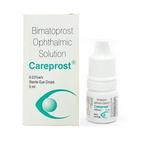
These drops gained immense popularity, demonstrating an incredibly fast and always noticeable result since its application. This innovative means will allow you to give your eyelashes an ideal look, strength and health, in whatever serious condition they are before the moment of its application. It is safe and effective providing amazing results.
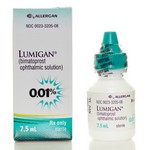
This means is prescribed to reduce eye pressure. Its active ingredient is synthetic prostaglandin bimatoprost – an unsaturated fatty acid, similar in its properties to hormones. Getting into the eye, drops help maintain the balance of the flow and outflow of eye fluid. It is a violation of this balance that leads to an increase in pressure, due to which the blood supply to the eye is impaired and the load on the optic nerve increases.

Bimatoprost reduces IOP in humans by increasing the outflow of aqueous humor through the trabecular meshwork and uveoscleral outflow. IOP reduction begins about 4 hours after the first use. The maximum effect is achieved after about 8–12 hours. The effect lasts for at least 24 hours.
Safety considerations of using eye drops
When it comes to using eye drops for dryness and allergies, many people have concerns about their safety. It’s important to address these concerns and provide accurate information to ensure individuals can make informed decisions about their eye care.
Firstly, it’s important to note that eye drops are considered safe when used as directed. However, like any medication, there can be potential side effects. The risk of experiencing side effects depends on the specific eye drop formulation and the individual’s susceptibility.
Some potential side effects of eye drops for dryness and allergies may include temporary stinging or burning sensation, temporary blurred vision, redness, or irritation. These side effects are usually mild and temporary, but if they persist or worsen, it is advisable to consult a healthcare professional.
Another concern that individuals may have is the potential for eye drops to interact with other medications they are taking. It is always important to inform your healthcare provider about all medications, including eye drops, that you are using to ensure there are no potential interactions.
To alleviate these concerns, it is recommended to choose eye drops from reputable brands that have a good safety profile. One such popular eye drop is Lumify eye drops, which have been clinically proven to be safe and effective in reducing redness in the eyes. However, it is important to carefully read the instructions and warnings on the packaging of any eye drop product to ensure proper usage and minimize risks.
Additionally, it is crucial to avoid sharing eye drop bottles with others to prevent the risk of contamination and potential spread of infections. Proper hygiene should always be maintained, including washing hands before using eye drops, and avoiding touching the tip of the dropper bottle to prevent contamination.
When in doubt or experiencing any concerning symptoms, it is always recommended to consult a healthcare professional or eye care specialist. They can provide personalized advice and guidance based on individual needs and circumstances.
In summary, while there may be potential side effects associated with using eye drops for dryness and allergies, when used correctly and according to the instructions, they are generally considered safe. It is important to choose reputable brands, read the instructions carefully, and consult a healthcare professional if any concerns arise. By following these guidelines, individuals can safely and effectively manage their dry eye and allergic conjunctivitis symptoms with eye drops.
Proper Usage Technique for Eye Drops
Using eye drops may seem simple, but it is important to follow the correct technique to ensure their effectiveness and maximize their benefits. Here are step-by-step instructions on how to correctly administer eye drops:
- Wash your hands: Before using eye drops, it is essential to wash your hands with soap and water. This helps maintain proper hygiene and prevents the introduction of any bacteria into your eyes.
- Tilt your head backwards: To properly administer eye drops, tilt your head slightly backwards and look up towards the ceiling. This position allows for easier access to your eye.
- Hold the dropper above your eye: While holding the eye drop bottle or vial, make sure the tip does not touch any surfaces to avoid contamination. Angle the dropper just above your eye without touching it.
- Pull down your lower eyelid: Gently pull down your lower eyelid using your index finger to create a small pocket. This provides a space for the eye drop to be administered.
- Squeeze the prescribed number of drops: Squeeze the recommended number of drops into the pocket created by pulling down your lower eyelid. It is important to follow the instructions provided by your healthcare professional or the packaging of the eye drop product.
- Close your eyes: Close your eyes gently but avoid blinking forcefully. This allows the eye drop to spread evenly over the surface of your eye.
- Apply gentle pressure: After closing your eyes, apply slight pressure with your finger to the inner corner of your eye. This prevents the eye drop from draining into your tear duct and ensures it stays on the surface of your eye.
- Wipe away excess: If any excess eye drop spills onto your face, gently wipe it away with a clean tissue.
- Wait before applying other eye drops or wearing contact lenses: Some eye drops require waiting for a certain period of time before applying other eye drops or wearing contact lenses. It is important to check the instructions provided by your healthcare professional or the packaging of the eye drop product for specific guidance.


By following these steps, you can ensure proper usage of eye drops and enhance their effectiveness in relieving dryness and allergies. If you have any questions or concerns about using eye drops correctly, consult with your healthcare professional or pharmacist.
6. Storage and Expiration of Eye Drops
Proper storage and handling of eye drops are essential to maintain their efficacy and ensure their safety for use. Here are some guidelines to follow:
- Store Eye Drops in a Cool, Dry Place
- Keep Eye Drops Sealed
- Do Not Share Eye Drops
- Check Expiration Dates
- Proper Hygiene Practices
- Do Not Contaminate the Eye Drop Bottle
- Follow Storage Instructions for Specific Eye Drops
Eye drops should be stored in a cool, dry place, away from direct sunlight and heat sources. Excessive heat can cause the active ingredients in eye drops to break down, reducing their effectiveness. Avoid storing them in the bathroom or near a window where they may be exposed to humidity or temperature fluctuations.
Make sure the cap or dropper tip of the eye drop bottle is tightly sealed when not in use. This helps prevent contamination and maintains the sterility of the solution.
Eye drops should be used by one person only. Sharing eye drops can lead to the spread of infections or other eye conditions.
Always check the expiration date on the eye drop packaging before use. Expired eye drops may not be effective or could potentially harm your eyes. If the eye drops have expired, it is important to discard them and purchase a new, unexpired product.
Before using eye drops, wash your hands thoroughly with soap and water. This helps prevent introducing bacteria or dirt into your eyes during administration.
Do not allow the tip of the eye drop bottle or the applicator to come into contact with your eye or any other surface. Touching the tip to your eye or any other surface can contaminate the solution and increase the risk of eye infections.
Some eye drops may require special storage instructions. Read the packaging or consult the product label for specific storage recommendations. For example, some eye drops may need refrigeration to maintain their stability.
It is important to follow these guidelines to ensure the effectiveness and safety of your eye drops. By properly storing and handling them, you can maximize their benefits and reduce the risk of potential complications.
Recommended Eye Drop Product: Systane Ultra Lubricant Eye Drops Vials – 60ct
Systane Ultra Lubricant Eye Drops Vials – 60ct is a highly recommended eye drop product for those experiencing dryness and allergies. It offers numerous features and benefits that make it a popular choice among users.
Features and Benefits:
- Long-lasting relief: Systane Ultra Lubricant Eye Drops provide long-lasting relief from dryness and eye irritation. The unique formula helps to moisturize and soothe the eyes effectively.
- Packaging: The product comes in a convenient vial packaging, containing 60 single-use vials. Each vial ensures a fresh and sanitary application, minimizing the risk of contamination.
- Preservative-free: Systane Ultra Lubricant Eye Drops are preservative-free, making them suitable for individuals with sensitive eyes. This feature reduces the likelihood of irritation or adverse reactions.
- Multi-purpose: These eye drops can be used to relieve symptoms associated with various eye conditions, including dryness, redness, and itchiness caused by allergies or environmental factors.
- Quick relief: The fast-acting formula of Systane Ultra Lubricant Eye Drops provides quick relief from discomfort and dryness. It helps to lubricate the eyes and restore their natural moisture balance.
- Safe for contact lens wearers: These eye drops are safe to use while wearing contact lenses. They can be applied directly onto the lenses to relieve dryness or discomfort caused by extended wear.
Customer Reviews and Ratings:
Systane Ultra Lubricant Eye Drops Vials – 60ct has received positive feedback from numerous users. Based on customer reviews and ratings from authoritative websites, the product has proven to be highly effective in providing relief from dryness and allergies.
“I have been using Systane Ultra Lubricant Eye Drops for several months, and they have greatly improved my dry eye symptoms. The vial packaging is convenient and ensures a fresh dose every time. The drops provide quick relief and make my eyes feel refreshed.” – Sarah P.
“I have tried multiple different eye drop brands, and Systane Ultra is by far the best for my allergies. It effectively relieves the itchiness and redness caused by seasonal allergies, and I appreciate that it is preservative-free. Highly recommend!” – Robert M.
These customer testimonials highlight the effectiveness and satisfaction of users with the Systane Ultra Lubricant Eye Drops Vials – 60ct.
To purchase Systane Ultra Lubricant Eye Drops Vials – 60ct or learn more about the product, you can visit the official website of the manufacturer or reliable online retailers.
Note: It’s always recommended to consult with a healthcare professional or eye specialist before starting any new eye drop product, especially if you have pre-existing eye conditions or are currently using other medications.