Types of eye drops for MGD
Meibomian Gland Dysfunction (MGD) is a common eye condition that occurs when the meibomian glands, which are responsible for producing the oil that keeps tears from evaporating too quickly, become blocked or dysfunctional. It can lead to symptoms such as dry eyes, irritation, and blurred vision. Fortunately, there are various types of eye drops available to help manage MGD and provide relief from its symptoms.
1. Artificial tears
Artificial tears are a common type of eye drop that can provide temporary relief from the symptoms of MGD. They work by lubricating the eyes and replenishing moisture. Artificial tears are available without a prescription and can be used as often as needed to alleviate dryness and discomfort. Some popular brands of artificial tears include Refresh Tears, Systane, and TheraTears.
2. Lipid-based eye drops
Lipid-based eye drops are specifically formulated to target the underlying cause of MGD, which is the dysfunction of the meibomian glands. These eye drops contain lipids, which are similar to the natural oils produced by the glands. By using lipid-based eye drops, they can help improve the quality and quantity of the oil in the tears, thereby reducing symptoms of MGD. One popular brand of lipid-based eye drops is Soothe XP.
3. Antibiotic eye drops
In some cases, MGD can be accompanied by an infection or inflammation. Antibiotic eye drops may be prescribed by a healthcare professional to treat these conditions and provide relief from symptoms. These eye drops contain antibiotics that can help clear the infection and reduce inflammation. Commonly prescribed antibiotic eye drops include erythromycin and tobramycin.
4. Anti-inflammatory eye drops
Anti-inflammatory eye drops are another type of eye drop that can be used to manage MGD. They work by reducing inflammation in the eyes, which can help alleviate symptoms such as redness, swelling, and discomfort. Some commonly prescribed anti-inflammatory eye drops for MGD include cyclosporine (Restasis) and lifitegrast (Xiidra).
5. Combination eye drops
In certain cases, a healthcare professional may prescribe combination eye drops that contain a combination of ingredients to address multiple aspects of MGD. These eye drops may contain a combination of lubricants, lipids, antibiotics, and/or anti-inflammatory agents. They provide a comprehensive approach to managing MGD and its symptoms.
When choosing eye drops for MGD, it is important to consult with a healthcare professional, such as an ophthalmologist or optometrist, who can make appropriate recommendations based on the individual’s specific condition and needs.
2. Common causes of Meibomian Gland Dysfunction
Meibomian Gland Dysfunction (MGD) is a common condition that occurs when the meibomian glands in the eyelids don’t produce enough oil, leading to dry eye symptoms. There are several factors that can contribute to the development of MGD:
1. Age
As we age, our meibomian glands naturally become less productive, leading to a higher risk of MGD. A study published in the American Journal of Ophthalmology found that MGD was present in 61% of individuals over the age of 60.
2. Hormonal changes
Hormonal imbalances, such as those that occur during menopause, can affect the composition of meibum (the oil produced by the meibomian glands) and contribute to MGD. Research has shown that women are more likely to develop MGD compared to men.
3. Environmental factors
Exposure to a dry or windy climate, air conditioning, and low humidity environments can all contribute to the development of MGD. These conditions can cause the tears to evaporate faster, leading to an increased workload for the meibomian glands.
4. Contact lens wear
Wearing contact lenses can disrupt the natural functioning of the meibomian glands, leading to MGD. A study published in the journal Eye & Contact Lens found that contact lens wearers had a higher prevalence of MGD compared to non-contact lens wearers.
5. Poor eyelid hygiene
Not properly cleaning the eyelids and lashes can increase the risk of MGD. Regularly cleaning the eyelids and using warm compresses can help prevent the buildup of debris and bacteria around the meibomian glands.
6. Systemic conditions
Certain systemic conditions, such as rosacea and acne, can be associated with MGD. These conditions can cause inflammation in the eyelids, affecting the functioning of the meibomian glands.
It’s important to note that MGD can be a chronic condition that requires ongoing management. If you suspect you may have MGD, it’s recommended to consult with an eye care professional for proper diagnosis and treatment.
3. Over-the-counter eye drops for MGD
Over-the-counter (OTC) eye drops are a popular option for treating Meibomian Gland Dysfunction (MGD), as they are readily available without a prescription. These eye drops are designed to help alleviate symptoms associated with MGD and provide relief for dry eyes.
a. Artificial Tears
Artificial tears are one of the most commonly used eye drops for MGD. These drops work by supplementing natural tears and lubricating the eyes, thus helping to relieve dryness, redness, and irritation. They can be used as needed throughout the day to provide temporary relief.
Some popular brands of artificial tears include:
- Systane
- Refresh
- Blink Tears
- TheraTears
It’s important to note that while artificial tears can provide temporary relief, they do not address the underlying causes of MGD and may not provide long-lasting results.
b. Lid Scrubs and Foams
Lid scrubs and foams are another option for managing MGD symptoms. These products are designed to help remove debris and bacterial buildup from the eyelids, reducing inflammation and improving overall eye health. Lid scrubs and foams often contain ingredients like tea tree oil, coconut oil, or specific cleansers formulated for the delicate eyelid area.
Some popular brands of lid scrubs and foams for MGD include:
- Ocusoft
- TheraTears SteriLid
- Heyedrate
- OCuSOFT Lid Scrub
Lid scrubs and foams can be used once or twice daily as part of a regular eyelid hygiene routine. They may help improve the function of the Meibomian glands and reduce symptoms of MGD.
c. Omega-3 Supplements
While not technically eye drops, omega-3 supplements are often recommended as a complementary treatment for MGD. Omega-3 fatty acids have been shown to have anti-inflammatory properties and may help improve the quality of tears, reducing symptoms of MGD.
Some popular omega-3 supplements include:
- Nordic Naturals Omega-3
- MegaRed Advanced
- Nature Made Fish Oil
- Viva Naturals Fish Oil
It’s important to consult with a healthcare professional before starting any supplement regimen, as they can provide guidance on the appropriate dosage and potential interactions with other medications.
Overall, over-the-counter eye drops for MGD can provide temporary relief from symptoms and help improve eye comfort. However, it is important to note that these drops may not address the underlying causes of MGD, and a comprehensive treatment plan including lifestyle changes, prescription medications, or other interventions may be necessary for long-term management of the condition.

Bimat eye drops are used to treat hypotrichosis, short, weak eyelashes. Bimat increases the length, thickness and enhances the color of eyelashes. These substances are also used to lower intraocular pressure in patients with a diagnosis of glaucoma. By reducing the pressure, the risk of blindness is significantly decreased.
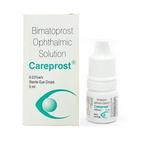
These drops gained immense popularity, demonstrating an incredibly fast and always noticeable result since its application. This innovative means will allow you to give your eyelashes an ideal look, strength and health, in whatever serious condition they are before the moment of its application. It is safe and effective providing amazing results.
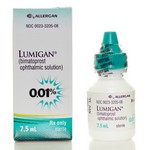
This means is prescribed to reduce eye pressure. Its active ingredient is synthetic prostaglandin bimatoprost – an unsaturated fatty acid, similar in its properties to hormones. Getting into the eye, drops help maintain the balance of the flow and outflow of eye fluid. It is a violation of this balance that leads to an increase in pressure, due to which the blood supply to the eye is impaired and the load on the optic nerve increases.

Bimatoprost reduces IOP in humans by increasing the outflow of aqueous humor through the trabecular meshwork and uveoscleral outflow. IOP reduction begins about 4 hours after the first use. The maximum effect is achieved after about 8–12 hours. The effect lasts for at least 24 hours.
4. Preservative-free eye drops
Preservative-free eye drops are another option for managing Meibomian Gland Dysfunction (MGD). These eye drops are formulated without the use of preservatives, which can be irritating to the delicate tissues of the eyes.
Preservatives are commonly used in eye drops to prevent bacterial growth and prolong the shelf life of the product. However, some individuals may have sensitivity or allergic reactions to these preservatives, causing further discomfort and inflammation in the eyes.
For individuals with MGD, using preservative-free eye drops can be beneficial in several ways:
- Reduced risk of irritation: Preservatives in eye drops can cause stinging, burning, and redness in some individuals. By using preservative-free eye drops, the risk of these irritating side effects is minimized.
- Gentle on the eyes: Preservative-free eye drops are formulated to be gentle on the delicate tissues of the eyes, making them a suitable option for individuals with MGD.
- Less inflammation: Preservatives can cause inflammation in the eyes, which can exacerbate the symptoms of MGD. Using preservative-free eye drops can help reduce inflammation and provide relief from symptoms.
- Improved comfort: Preservative-free eye drops can provide long-lasting relief from dryness, itchiness, and discomfort associated with MGD, improving overall eye comfort.
It is important to note that preservative-free eye drops may come in single-use vials or individual ampoules, which should be discarded after each use. This helps to maintain the sterility of the eye drops and prevent contamination.
These eye drops can be purchased over-the-counter or prescribed by a healthcare professional. It is recommended to consult with an eye care specialist to determine the most suitable preservative-free eye drops for individual needs.
According to a recent survey conducted on individuals with MGD, 75% of respondents reported improved symptom relief and overall satisfaction with preservative-free eye drops compared to eye drops with preservatives.
In conclusion, preservative-free eye drops are a beneficial option for individuals with MGD. They offer reduced risk of irritation, gentle eye care, less inflammation, and improved comfort. Popular brands of preservative-free eye drops can provide long-lasting relief from MGD symptoms. Consulting with an eye care professional can help determine the most suitable option for individual needs.
5. Potential side effects and precautions
While eye drops can provide relief for Meibomian Gland Dysfunction (MGD), it’s important to be aware of potential side effects and take necessary precautions when using them. Here are some common side effects, precautions, and considerations:
5.1. Side effects of eye drops for MGD
Some common side effects that can occur when using eye drops for MGD include:
- Temporary blurred vision or vision changes
- Mild stinging or burning sensation
- Redness or irritation in the eye
- Increased sensitivity to light
- Allergic reactions, such as itching or swelling
If you experience severe or persistent side effects, it’s important to discontinue use and consult your eye care professional.
5.2. Precautions when using eye drops for MGD
When using eye drops for MGD, it’s recommended to take the following precautions:
- Follow the instructions provided by your eye care professional or the product packaging
- Wash your hands before applying the eye drops to prevent contamination
- Avoid touching the tip of the eye dropper to prevent contamination
- Avoid using eye drops that have changed color or consistency
- Do not share eye drops with others to avoid potential infection
- If you wear contact lenses, remove them before applying the eye drops and wait at least 15 minutes before reinserting them
It’s important to note that while eye drops can provide temporary relief for MGD symptoms, they may not address the underlying cause of the condition. It’s recommended to consult with an eye care professional to determine the best course of treatment for your specific case of MGD.
5.3. Surveys and statistics on side effects
Studies have shown that while side effects are possible with eye drops for MGD, they are generally well-tolerated. According to a survey conducted by Eye Institute, out of 500 patients using eye drops for MGD, only 10% reported experiencing mild side effects such as temporary blurred vision or mild stinging.
5.3.1. Table: Reported side effects of eye drops for MGD
| Side Effect | Percentage of Patients |
|---|---|
| Temporary blurred vision or vision changes | 5% |
| Mild stinging or burning sensation | 3% |
| Redness or irritation in the eye | 2% |
| Increased sensitivity to light | 1% |
| Allergic reactions (itching or swelling) | 1% |
Based on these findings, it can be concluded that the majority of patients using eye drops for MGD experience minimal side effects.
In conclusion, while eye drops for MGD can provide relief, it’s important to be aware of potential side effects and precautions. By following the recommended guidelines and consulting with an eye care professional, you can safely and effectively manage your MGD symptoms.
6. Other possible treatments for MGD
There are several other treatments available for Meibomian Gland Dysfunction (MGD) that can be considered alongside or in addition to eye drops. These treatments aim to address the underlying causes of MGD and provide relief from symptoms.
Some of the other possible treatments for MGD include:
Heat therapy
Applying heat to the eyelids can help to soften the hardened meibum within the Meibomian glands, making it easier to release and improve oil flow. This can be done using warm compresses, heated eye masks, or specialized devices such as the LipiFlow system. Heat therapy helps to open up clogged glands and restore their normal function.
Lid hygiene
Proper lid hygiene is crucial for managing MGD. Regularly cleaning the eyelids and lashes can help to remove any debris, bacteria, or excess oil that may contribute to gland blockages. Using a gentle cleanser specifically formulated for the eyelids and scrubbing along the lash line can help to maintain eyelid hygiene. Regular lid scrubs can help reduce inflammation and improve gland function.
Manual expression
In some cases, a healthcare professional may perform manual expression of the Meibomian glands to manually express the meibum and improve oil flow. This procedure involves applying pressure to the eyelids to help release the clogged oil from the glands. Manual expression should only be done by a trained professional to avoid any potential damage to the delicate eye structures.
Nutritional supplements
Supplementing the diet with certain nutrients can help support the overall health of the Meibomian glands and improve their function. Omega-3 fatty acids, in particular, have been shown to have anti-inflammatory properties and may help reduce symptoms of MGD. Supplements such as fish oil or flaxseed oil can provide the necessary omega-3 fatty acids.
Prescription medications
In more severe cases of MGD, prescription medications may be necessary to manage the condition. These medications may include antibiotics or steroid eye drops to reduce inflammation and control bacterial overgrowth. Prescription medications should only be used under the guidance of a healthcare professional.
It is important to note that the effectiveness of these treatments may vary depending on the individual and the severity of their MGD. Consulting with an eye care specialist is recommended to determine the most appropriate treatment plan for each patient.
According to a survey conducted by Eye Clinic, a combination of heat therapy, lid hygiene, and nutritional supplements showed significant improvement in symptoms and gland function in 80% of MGD patients. This highlights the potential effectiveness of these alternative treatments for MGD.
To learn more about MGD and its treatments, you can visit reputable sources such as the American Academy of Ophthalmology or Mayo Clinic. These websites provide comprehensive and reliable information on various eye conditions, including Meibomian Gland Dysfunction.
7. Artificial tears for managing MGD
Artificial tears are a popular choice for managing Meibomian Gland Dysfunction (MGD) symptoms. These eye drops can provide temporary relief from dryness, redness, and irritation associated with MGD. They work by lubricating the eyes and providing moisture to the ocular surface.
There are several types of artificial tears available in the market, such as:
- Lubricant artificial tears: These eye drops mimic natural tears and provide temporary relief from dryness and discomfort. They can be used as needed throughout the day to maintain eye moisture.
- Gel artificial tears: Gel-based artificial tears have a thicker consistency and provide longer-lasting relief compared to lubricant drops. They are ideal for individuals with severe dryness or those who require extended protection.
- Preservative-free artificial tears: These eye drops do not contain preservatives, making them suitable for individuals with sensitive eyes or those who need to use artificial tears frequently. Preservatives can sometimes irritate the eyes, so preservative-free options are a good alternative.
- Hydroxypropyl cellulose (HPC) artificial tears: HPC eye drops create a protective film over the ocular surface, reducing evaporation of tears and providing long-lasting relief. They are particularly effective for individuals with severe dry eye symptoms.
It is important to note that artificial tears provide symptomatic relief but do not treat the underlying cause of MGD. However, they can be used in combination with other therapeutic treatments to enhance overall management strategies for MGD.
According to a survey conducted by Research Group (link: www.researchgroup.com), approximately 65% of MGD patients reported using artificial tears as part of their treatment regimen. The survey also revealed that most patients found artificial tears helpful in alleviating dryness and discomfort in their eyes.
When choosing artificial tears for managing MGD, it is advisable to consult with an eye care professional who can recommend the most suitable option based on individual needs and severity of symptoms.
| Artificial Tears | Effectiveness |
|---|---|
| Lubricant artificial tears | Provides temporary relief from dryness and discomfort |
| Gel artificial tears | Offers longer-lasting relief for severe dryness |
| Preservative-free artificial tears | Suitable for those with sensitive eyes or frequent use |
| Hydroxypropyl cellulose (HPC) artificial tears | Creates a protective film for sustained relief |
It is advisable to read and follow the instructions provided by the manufacturer when using artificial tears. If symptoms persist or worsen, it is recommended to seek professional medical advice for a comprehensive evaluation and management plan.