Overview of different types of eye drops
When it comes to eye care, many people turn to the use of eye drops to provide relief for various eye conditions. Eye drops can be a convenient and effective way to soothe dry eyes, relieve redness, and address other eye-related issues. However, with a wide range of eye drops available on the market, it’s important to choose the right one for specific eye conditions.
Types of Eye Drops
1. Artificial Tear Eye Drops: These eye drops help to lubricate the eyes and provide relief for dry eyes. They mimic the natural tears produced by the eyes and can help to alleviate discomfort caused by dryness.
2. Allergy Eye Drops: Allergy eye drops are specially formulated to relieve symptoms associated with eye allergies, such as itching, redness, and watering. They work by reducing inflammation and blocking the release of histamines.
3. Antihistamine Eye Drops: Antihistamine eye drops are specifically designed to provide relief from itchy, watery eyes caused by allergies. They work by blocking histamine receptors, which are responsible for triggering allergic symptoms.
4. Eye Drops for Contact Lens Wearers: Contact lens wearers often experience dryness and irritation due to prolonged lens wear. There are specific eye drops available that are formulated to lubricate the eyes and provide comfort for contact lens wearers.
5. Antibiotic Eye Drops: Antibiotic eye drops are prescribed to treat bacterial eye infections, such as conjunctivitis. They help to eliminate bacteria that cause the infection and reduce associated symptoms, such as redness and discharge.
Choosing the Right Eye Drops
When selecting eye drops, it’s important to consider the specific eye condition you are trying to address. Reading the labels and understanding the active ingredients can help you choose the most suitable eye drops for your needs. It’s also advisable to consult with an eye care professional for personalized recommendations.
Additionally, it’s essential to follow the instructions for proper usage and dosage. Some eye drops may require multiple applications per day, while others may be used less frequently.
Furthermore, it’s important to avoid using eye drops that are outdated or have been contaminated, as they can potentially cause further irritation or infection. It’s crucial to replace eye drops according to the manufacturer’s recommendations.
In conclusion, the variety of eye drops available on the market ensures that there is an option for everyone, no matter the specific eye condition. Choosing the right eye drops can bring relief and comfort, allowing you to maintain optimal eye health.
Latanoprost Eye Drops for Glaucoma Treatment
Glaucoma is a serious eye condition that can lead to vision loss if left untreated. One of the most common treatments for glaucoma is the use of eye drops to lower intraocular pressure (IOP), which is the main cause of damage to the optic nerve.
What is Latanoprost?
Latanoprost is a prostaglandin analog that is commonly used in the form of eye drops for the treatment of glaucoma. It works by increasing the outflow of fluid from the eye, thereby reducing the pressure within the eye.
Effectiveness of Latanoprost Eye Drops
Several clinical studies have shown that latanoprost eye drops are highly effective in lowering IOP. In fact, latanoprost has been proven to be one of the most effective medications for glaucoma treatment.
A study published in the American Journal of Ophthalmology compared the effectiveness of various glaucoma medications, including latanoprost. The study found that latanoprost reduced IOP by an average of 28% to 33%, which was significantly greater than the reductions seen with other medications.
“Latanoprost is a highly effective medication for lowering intraocular pressure in patients with glaucoma.”
| Medication | Percentage Reduction in IOP |
|---|---|
| Latanoprost | 28% to 33% |
| Bimatoprost | 20% to 25% |
| Travoprost | 15% to 20% |
Side Effects of Latanoprost
Like any medication, latanoprost eye drops may cause certain side effects. Some common side effects include mild eye irritation, redness, and temporary changes in the color of the iris or eyelashes. These side effects are usually temporary and do not require medical attention.
However, if you experience severe eye pain, vision changes, or signs of an allergic reaction (such as rash, itching, or swelling), it is important to seek medical attention immediately.
How to Use Latanoprost Eye Drops
Latanoprost eye drops are typically used once a day, usually in the evening. It is important to follow the instructions provided by your healthcare provider or the package insert. Here are some general guidelines for using latanoprost eye drops:
- Wash your hands before using the eye drops.
- Tilt your head back and pull down your lower eyelid.
- Squeeze the prescribed number of drops into the lower eyelid.
- Close your eye and gently press your finger against the inner corner of your eye for about 1 minute. This helps to prevent the medication from draining into the tear duct and being absorbed into the bloodstream.
- If you are using other eye drops, wait at least 5 minutes before applying latanoprost.
“It is important to use latanoprost eye drops as prescribed by your healthcare provider to effectively manage your glaucoma.”
If you have any questions or concerns about using latanoprost eye drops, it is always best to consult with your healthcare provider.
In Conclusion
Latanoprost eye drops are a highly effective treatment for glaucoma, often providing significant reductions in intraocular pressure. While they may cause some temporary side effects, the benefits of using latanoprost outweigh the risks for most patients. If you have been prescribed latanoprost for the treatment of glaucoma, be sure to follow your healthcare provider’s instructions and report any unusual symptoms or side effects.
The benefits of using artificial tears for dry eyes
Dry eyes is a common condition that occurs when the eyes do not produce enough tears or when the tears evaporate too quickly. It can cause discomfort, irritation, and even vision problems. One of the most common treatments for dry eyes is the use of artificial tears, which are lubricating eye drops that help to moisturize the eyes and provide relief from symptoms.
There are several benefits of using artificial tears for dry eyes:
- Relief from dryness and discomfort: Artificial tears provide immediate relief from the dryness and discomfort associated with dry eyes. They help to lubricate the eyes, reducing the feeling of grittiness or burning sensation.
- Moisturize the eyes: Artificial tears help to moisturize the eyes by replenishing the moisture that is lacking in dry eyes. This helps to keep the eyes hydrated and prevent them from becoming dry and irritated.
- Improve vision: Dry eyes can cause blurry vision or difficulty focusing, especially when reading or using the computer for long periods. By lubricating the eyes, artificial tears can help to improve vision and make it easier to see clearly.
- Reduce redness: Dry eyes can often cause redness and bloodshot appearance. Artificial tears can help to reduce redness and provide a soothing effect to the eyes.
- Protect the eyes: By providing lubrication and moisturizing the eyes, artificial tears help to protect the eyes from external irritants such as dust, smoke, or allergens.
It is important to choose the right type of artificial tears for your specific eye condition. There are different formulations available, including preservative-free options for those with sensitive eyes or frequent use. It is recommended to consult with an eye care professional to determine the most suitable artificial tears for your needs.
In conclusion, artificial tears are an effective and convenient option for treating dry eyes. They provide relief from dryness and discomfort, moisturize the eyes, improve vision, reduce redness, and protect the eyes from irritants. If you are experiencing symptoms of dry eyes, consider using artificial tears as part of your treatment regimen.

Bimat eye drops are used to treat hypotrichosis, short, weak eyelashes. Bimat increases the length, thickness and enhances the color of eyelashes. These substances are also used to lower intraocular pressure in patients with a diagnosis of glaucoma. By reducing the pressure, the risk of blindness is significantly decreased.
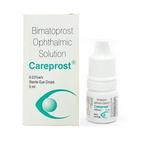
These drops gained immense popularity, demonstrating an incredibly fast and always noticeable result since its application. This innovative means will allow you to give your eyelashes an ideal look, strength and health, in whatever serious condition they are before the moment of its application. It is safe and effective providing amazing results.
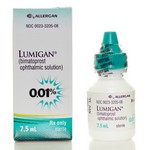
This means is prescribed to reduce eye pressure. Its active ingredient is synthetic prostaglandin bimatoprost – an unsaturated fatty acid, similar in its properties to hormones. Getting into the eye, drops help maintain the balance of the flow and outflow of eye fluid. It is a violation of this balance that leads to an increase in pressure, due to which the blood supply to the eye is impaired and the load on the optic nerve increases.

Bimatoprost reduces IOP in humans by increasing the outflow of aqueous humor through the trabecular meshwork and uveoscleral outflow. IOP reduction begins about 4 hours after the first use. The maximum effect is achieved after about 8–12 hours. The effect lasts for at least 24 hours.
4. Erythromycin Eye Ointment for Newborns
Erythromycin eye ointment is a commonly used treatment for newborns to prevent certain eye infections. This ointment is typically administered shortly after birth as a standard procedure in many hospitals.
The primary purpose of using erythromycin eye ointment in newborns is to prevent the transmission of bacteria that can cause a condition known as neonatal conjunctivitis, or “pink eye.” This infection can occur if the mother has certain bacteria in her birth canal, such as Chlamydia trachomatis or Neisseria gonorrhoeae, which can be transmitted to the baby during birth.
Neonatal conjunctivitis can lead to redness, swelling, discharge, and discomfort in the baby’s eyes. If left untreated, it can potentially cause more severe complications, such as corneal ulcers or permanent damage to the eye. Therefore, the use of erythromycin eye ointment is considered a preventive measure to ensure the newborn’s eye health.
The ointment contains erythromycin, an antibiotic that is effective against a wide range of bacteria. To administer the eye ointment, a small amount is applied directly to the inner lower eyelid of the newborn shortly after birth. This allows the medication to spread across the surface of the eye and provide protection against potential bacterial infections.
According to a study published in the Journal of Obstetrics and Gynaecology Canada, the use of erythromycin eye ointment in newborns significantly reduces the risk of developing neonatal conjunctivitis caused by Chlamydia trachomatis or Neisseria gonorrhoeae. The study found that the ointment reduced the risk by approximately 50%.
It is important to note that erythromycin eye ointment is specifically intended for use in newborns and should not be used in older children or adults without proper medical guidance. Additionally, it is important to follow the recommended dosage and application instructions provided by healthcare professionals.
References:
- “Preventive treatment of ophthalmia neonatorum” – Journal of Obstetrics and Gynaecology Canada. (https://www.jogc.com/article/S1701-2163(16)34690-0/fulltext)
5. Precautions and potential side effects of using eye drops
While eye drops can be a convenient and effective way to treat various eye conditions, it’s important to use them properly and be aware of potential side effects. Here are some precautions to keep in mind when using eye drops:
- Always read the instructions: Each type of eye drop may have specific instructions for usage and dosage. It’s crucial to carefully read and follow these instructions to ensure proper application and avoid any adverse effects.
- Keep the tip clean: To prevent contamination and potential eye infections, make sure to keep the dropper tip clean. Avoid touching the tip with your hands or any other surfaces.
- Avoid sharing eye drops: Eye drops should not be shared with others, as this can increase the risk of cross-contamination and potential infections.
- Do not use expired eye drops: Using expired eye drops may not only be less effective but also increase the risk of adverse effects. Check the expiration date before using any eye drops and discard them if they are past their expiration date.
- Do not mix different eye drops without guidance: Certain eye drops may interact with each other and cause adverse effects. If you need to use multiple types of eye drops, consult with your healthcare provider or pharmacist to ensure compatibility.
- Remove contact lenses before application: If you wear contact lenses, it’s generally recommended to remove them before applying eye drops. Some eye drops may contain preservatives or other ingredients that can interact with contact lenses and potentially cause discomfort.
- Be aware of potential side effects: While uncommon, some individuals may experience side effects from using eye drops. These can include stinging, burning, redness, itching, or blurry vision. If you experience any persistent or severe side effects, discontinue use of the eye drops and consult a healthcare professional.
It’s worth mentioning that the information provided here is general and may not apply to all types of eye drops. Always consult with your healthcare provider or pharmacist for specific instructions and guidance regarding the use of any eye drops.
6. Common side effects and precautions when using eye drops
Eye drops are generally safe to use when used correctly, but like any medication, they can have side effects. It is important to be aware of these potential side effects and take the necessary precautions when using eye drops. Here are some common side effects to watch out for:
1. Stinging or burning sensation: Some eye drops may cause a temporary stinging or burning sensation when applied. This is usually mild and should subside quickly. If the stinging persists or becomes severe, it is important to discontinue use and consult a healthcare professional.
2. Redness or irritation: In some cases, eye drops may cause redness or irritation of the eyes. This can be a sign of an allergic reaction or an adverse effect of the medication. If redness or irritation persists or worsens, it is important to seek medical advice.
3. Blurred vision: Certain eye drops, particularly those used for treating glaucoma, may temporarily cause blurred vision. This effect usually resolves within a few minutes, but if it persists or interferes with daily activities, it is important to consult a healthcare professional.
4. Dryness or excessive tearing: While eye drops are often used to relieve dry eyes, some individuals may experience excessive tearing or dryness as a side effect. If these symptoms persist or worsen, it is important to consult a healthcare professional for further evaluation.
5. Allergic reactions: In rare cases, some individuals may develop an allergic reaction to certain eye drops. Symptoms of an allergic reaction may include itching, swelling, rash, or difficulty breathing. If any of these symptoms occur, immediate medical attention should be sought.
When using eye drops, it is important to follow proper application techniques and adhere to the recommended dosage and frequency of use. Additionally, it is crucial to take the following precautions:
– Wash hands thoroughly before and after using eye drops to minimize the risk of infection.
– Avoid touching the tip of the eye drop container to prevent contamination.
– Do not share eye drops with others, as this can lead to the spread of infections.
– Store eye drops according to the instructions on the packaging to maintain their effectiveness.
It is also important to consult a healthcare professional or read the product label for any specific precautions or warnings associated with the particular eye drops being used.
Remember, while eye drops can provide relief and help manage certain eye conditions, it is always best to consult with a healthcare professional for proper diagnosis and treatment. They can provide personalized advice and guidance based on individual needs.
7. Precautions and side effects of using eye drops
Using eye drops can have potential side effects and precautions that should be taken into consideration. It is important to follow the instructions provided by your healthcare professional or the manufacturer to ensure proper usage and to minimize the risk of adverse effects. Some common precautions and side effects associated with eye drops include:
- Usage duration: Eye drops should be used as directed and for the prescribed duration. Prolonged use or abrupt discontinuation without medical guidance can lead to complications.
- Allergic reactions: Some individuals may be allergic to certain ingredients in eye drops. If you experience symptoms such as itching, swelling, redness, or difficulty breathing, seek medical attention immediately.
- Contact lens use: If you wear contact lenses, certain eye drops may not be suitable for use with them. Some eye drops can affect the lenses and potentially cause discomfort or visual disturbances. Consult an eye care professional for appropriate guidance.
- Eye infections: Eye drops may contain preservatives that prevent bacterial growth. However, if you have an existing eye infection, it is crucial to consult a healthcare professional for proper diagnosis and treatment.
- Systemic absorption: Some medications used in eye drops can be absorbed into the bloodstream. This can potentially lead to systemic side effects. It is essential to inform your healthcare provider about any other medications you are taking to avoid potential drug interactions.
It is recommended to consult with an eye care professional or pharmacist before using any eye drops. They can provide guidance on the appropriate type of eye drops for your specific eye condition and help evaluate any potential risks or contraindications.
Remember, this information serves as general guidance and does not replace professional medical advice. Always consult a healthcare professional for personalized recommendations and to address any specific concerns you may have.