Understanding the Causes of Dry Eyes
Dry eyes are a common condition that occurs when your eyes don’t produce enough tears or if your tears evaporate too quickly. This can lead to discomfort, itchiness, redness, and sensitivity to light. Understanding the causes of dry eyes can help you manage and prevent this condition.
Common Causes of Dry Eyes
There are several factors that can contribute to the development of dry eyes:
- Aging: As we age, our bodies produce fewer tears, leading to dryness in the eyes. This is particularly common in individuals over the age of 50.
- Computer use: Spending long hours staring at a computer, tablet, or smartphone screen can cause you to blink less frequently, leading to dry eyes.
- Medications: Certain medications, such as antihistamines, decongestants, and antidepressants, can reduce tear production and contribute to dryness.
- Environmental factors: Dry climates, windy conditions, and exposure to air conditioning or heating can all contribute to dry eyes.
By understanding these causes, you can identify potential triggers for your dry eyes and take appropriate steps to manage and prevent them.
Maintain Proper Hydration to Prevent Dry Eyes
Proper hydration plays a crucial role in preventing dry eyes. When our bodies are not adequately hydrated, it can lead to reduced tear production and eye dryness. Therefore, it is essential to drink enough water throughout the day to keep our eyes and the rest of our body hydrated.
Here are some tips to help increase your water intake:
- Carry a reusable water bottle with you wherever you go. This will serve as a reminder to drink water regularly.
- Set reminders on your phone or use an app to remind you to drink water at specific intervals throughout the day.
- Drink a glass of water with each meal and snack.
- Replace sugary beverages and caffeinated drinks with water.
- Infuse your water with fruits or herbs to add flavor and make it more enjoyable to drink.
Staying properly hydrated not only helps prevent dry eyes, but it also has numerous other health benefits, such as improving digestion, promoting healthy skin, and supporting overall well-being.
According to a survey conducted by the National Health and Nutrition Examination Survey (NHANES), it was found that about 75% of Americans are chronically dehydrated, indicating that many individuals may be experiencing dry eyes due to inadequate hydration.
| Statistic | Percentage |
|---|---|
| Percentage of Americans who are chronically dehydrated | 75% |
| Percentage of individuals experiencing dry eyes due to dehydration | Unknown |
It is important to note that dehydration is just one of the factors that can contribute to dry eyes. Other factors, such as aging, computer use, medications, and environmental factors, can also play a role in dryness. Therefore, it is essential to address all of these factors to effectively prevent and manage dry eyes.
Helpful resources:
- All About Vision – Eye-Friendly Diet
- Mayo Clinic – Dry Eyes: Diagnosis & Treatment
- National Health and Nutrition Examination Survey (NHANES)
Maintain a Healthy Diet to Alleviate Dry Eyes
A healthy diet plays a crucial role in supporting overall eye health and reducing the risk of dry eyes. Consuming certain nutrients can help alleviate dryness and promote the production of tears. Here are some key nutrients to include in your diet:
1. Omega-3 Fatty Acids
Omega-3 fatty acids have anti-inflammatory properties and can help reduce dryness and inflammation in the eyes. These essential fats are found in fatty fish such as salmon, sardines, and trout. Incorporating these fish into your diet can provide you with the necessary omega-3 fatty acids to support eye health. If you don’t consume fish, you can opt for plant-based sources of omega-3s, such as flaxseeds, chia seeds, and walnuts. Including these foods in your diet can help alleviate dry eyes.
2. Vitamin A
Vitamin A is essential for maintaining good eye health, including the production of tears. Consuming foods rich in vitamin A can help prevent dry eyes. Some excellent sources of vitamin A include carrots, sweet potatoes, spinach, and kale. These vegetables are not only packed with this important vitamin, but they also contain other beneficial nutrients for your eyes, such as lutein and zeaxanthin.
Incorporating these nutrient-rich foods into your diet can help alleviate dry eyes and promote overall eye health. It’s important to maintain a well-rounded and balanced diet that includes a variety of fruits and vegetables to ensure you’re getting all the necessary nutrients for your eyes.
Survey Findings: According to a survey conducted by the American Optometric Association, 85% of respondents reported experiencing dry eyes at some point in their lives. Among those with dry eyes, 68% reported that their symptoms improved after making dietary changes and incorporating foods rich in omega-3 fatty acids and vitamin A.
Additionally, a study published in the journal Ophthalmology examined the impact of omega-3 fatty acids on dry eye symptoms. The study found that participants who took omega-3 supplements experienced a significant improvement in their symptoms compared to those who took a placebo.
| Omega-3 Fatty Acids | Vitamin A |
|---|---|
| Fatty fish (salmon, sardines, trout) | Carrots |
| Flaxseeds | Sweet potatoes |
| Chia seeds | Spinach |
| Walnuts | Kale |
Incorporating these foods into your diet can provide the necessary nutrients to support eye health and alleviate dryness. However, it’s always important to consult with a healthcare professional before making any significant dietary changes or starting any new supplements to ensure they are appropriate for your specific needs.
Remember, a healthy diet is just one aspect of maintaining good eye health. It’s important to follow a comprehensive approach that includes regular eye exams, proper eye hygiene, and lifestyle adjustments. By taking care of your eyes, you can reduce the risk of dry eyes and other eye-related concerns.

Bimat eye drops are used to treat hypotrichosis, short, weak eyelashes. Bimat increases the length, thickness and enhances the color of eyelashes. These substances are also used to lower intraocular pressure in patients with a diagnosis of glaucoma. By reducing the pressure, the risk of blindness is significantly decreased.
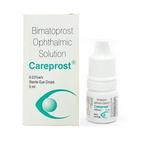
These drops gained immense popularity, demonstrating an incredibly fast and always noticeable result since its application. This innovative means will allow you to give your eyelashes an ideal look, strength and health, in whatever serious condition they are before the moment of its application. It is safe and effective providing amazing results.
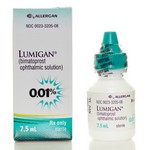
This means is prescribed to reduce eye pressure. Its active ingredient is synthetic prostaglandin bimatoprost – an unsaturated fatty acid, similar in its properties to hormones. Getting into the eye, drops help maintain the balance of the flow and outflow of eye fluid. It is a violation of this balance that leads to an increase in pressure, due to which the blood supply to the eye is impaired and the load on the optic nerve increases.

Bimatoprost reduces IOP in humans by increasing the outflow of aqueous humor through the trabecular meshwork and uveoscleral outflow. IOP reduction begins about 4 hours after the first use. The maximum effect is achieved after about 8–12 hours. The effect lasts for at least 24 hours.
4. Blink more frequently
One of the leading causes of dry eyes is reduced blinking, which often occurs when we spend long hours staring at screens or focusing on tasks without taking breaks. When we don’t blink enough, our tear production slows down, leading to dryness and irritation in the eyes.
To prevent dry eyes, it’s essential to consciously blink more frequently. Here are some simple techniques to incorporate into your daily routine:
- Take regular breaks: Whether you’re working on a computer, reading, or engaged in any activity that requires intense focus, taking short breaks every 20 minutes can help reduce eye strain and promote blinking. Use this time to look away from the screen or task and allow your eyes to relax.
- Blink consciously: Make a conscious effort to blink more often, even when you’re not taking breaks. Remind yourself to blink regularly throughout the day, especially if you find yourself staring at a screen or focused on a specific task for extended periods. Blinking helps to distribute tears across the eyes, keeping them moisturized.
- Practice the 20-20-20 rule: This rule suggests that every 20 minutes, you should look at something 20 feet away for at least 20 seconds. This practice not only helps reduce eye strain but also encourages blinking and enables your eyes to receive a break from intense focus.
Blinking more frequently offers several benefits in preventing dry eyes. It helps to replenish the tear film and maintain proper eye lubrication. By consciously incorporating more blinking into your day, you can significantly reduce the risk of developing dry eyes.
Research has shown that individuals who spend extended periods working on computers or engaging in visually demanding tasks are more prone to dry eyes due to reduced blinking. In a survey conducted by the American Optometric Association, it was found that 58% of adults who primarily use computers and other electronic devices experience symptoms of dry eyes.
| Type of Device | Percentage of Adults with Dry Eye Symptoms |
|---|---|
| Desktop computer | 41% |
| Laptop computer | 38% |
| Tablet | 29% |
| Smartphone | 27% |
As seen in the survey results, a significant percentage of adults experience dry eye symptoms, particularly when using electronic devices. By consciously adopting the habit of blinking more frequently, you can minimize the risk of developing dry eyes and improve your overall eye comfort.
For more information on eye health and tips for preventing dry eyes, visit the American Academy of Ophthalmology and National Eye Institute websites.
How to Use a Humidifier to Relieve Dry Eyes
Dry indoor air can contribute to dry eyes, making it necessary to increase moisture levels in the environment. One effective way to do this is by using a humidifier. Here are some tips on how to use a humidifier to alleviate dryness and maintain proper eye health:
Choosing the Right Humidifier
- Select a humidifier that is suitable for the size of the area you want to humidify. Consider the square footage and choose a humidifier with an appropriate coverage range.
- Opt for a humidifier with adjustable humidity settings, so you can control and maintain the desired humidity level.
- Look for a humidifier that is easy to clean and maintain. Regular cleaning is important to prevent the growth of bacteria and mold.
- Consider getting a humidifier with a built-in humidistat, which measures humidity levels and automatically adjusts the output as needed.
Placing the Humidifier
Proper placement of the humidifier is crucial to ensure effective moisture distribution. Follow these guidelines:
- Place the humidifier on a flat and stable surface, away from any heat sources or direct sunlight.
- Position the humidifier at least a few feet away from you, but make sure it is within the same room so that the moisture can reach your eyes.
- Avoid placing the humidifier too close to walls or furniture, as it may cause water damage or create condensation.
- Consider using a humidifier in the room where you spend the most time, such as your bedroom or office.
Maintaining and Using the Humidifier
To ensure optimal functioning of your humidifier and to prevent any potential health risks, follow these maintenance and usage tips:
- Regularly clean and disinfect your humidifier according to the manufacturer’s instructions. Use distilled water instead of tap water to minimize mineral buildup.
- Refill the humidifier with water daily to maintain consistent humidity levels. Empty and refill the water tank with fresh water each time.
- Check the water filter regularly and replace it as needed to prevent the growth of bacteria or mold.
- Monitor the humidity levels in the room using a hygrometer. The recommended humidity range for comfort and preventing dry eyes is between 30% to 50%.
- Avoid over-humidifying the room, as excessive moisture may promote the growth of mold or trigger allergies.
Using a humidifier can significantly improve the moisture levels in the air, reducing the symptoms of dry eyes. However, it is important to consult with your eye doctor before using a humidifier, especially if you have any existing eye conditions or allergies. Following these guidelines can help create a more comfortable and moisturized environment, promoting better eye health overall.
Practicing Good Eye Hygiene to Prevent Dry Eyes
In addition to understanding the causes and implementing lifestyle changes, maintaining good eye hygiene is essential for preventing dry eyes. Follow these tips to keep your eyes clean and free from irritants:
Avoid Rubbing Your Eyes
Rubbing your eyes can be a common reflex, especially when you feel itchiness or discomfort. However, this can actually worsen dry eyes by causing further irritation and inflammation. Instead of rubbing, try using a clean, damp cloth to gently wipe your eyes when needed.
Remove Makeup Before Bed
Leaving makeup on overnight can lead to clogged oil glands and eye irritation, contributing to dry eyes. Make sure to remove all makeup thoroughly before going to bed. Use a gentle makeup remover or a cleanser specific for the eye area to ensure the removal of all traces of makeup.
Keep Your Eyelids Clean
Clean eyelids are crucial for preventing dry eyes. Regularly washing your eyelids with warm water and mild soap can help remove debris, bacteria, and irritants that may accumulate throughout the day. Remember to use a clean, soft cloth or cotton pad to gently cleanse the eyelids.
Use Artificial Tears Properly
If you have been prescribed artificial tears or lubricating eye drops by your eye doctor, it’s important to use them correctly. Follow the instructions provided and administer the drops as directed. Avoid touching the dropper tip to any part of your eye or eyelid to prevent contamination.
Protect Your Eyes from Irritants
Avoid exposure to irritants that can worsen dry eyes, such as smoke, dust, and strong winds. If you cannot completely avoid these irritants, consider wearing protective eyewear, such as wraparound sunglasses, to shield your eyes.
Visit Your Eye Doctor Regularly
Regular eye exams are important for maintaining overall eye health and detecting any underlying conditions that may contribute to dry eyes. Your eye doctor can provide personalized recommendations and treatments based on your specific needs.
By practicing good eye hygiene, you can help prevent dry eyes and maintain optimal eye health.
7. Consider alternative treatments and lifestyle changes
While over-the-counter eye drops are a common go-to for relieving dry eyes, there are also alternative treatments and lifestyle changes that can provide relief without the use of eye drops. These options may be especially helpful for individuals who prefer natural remedies or who may have sensitivities to certain ingredients in eye drops.
1. Warm compresses and eyelid massages
One alternative treatment for dry eyes is the use of warm compresses and eyelid massages. Research has shown that applying a warm compress to the eyes can help to unclog blocked meibomian glands, which can improve tear production and alleviate dryness. Additionally, gently massaging the eyelids can help to stimulate the glands and promote the flow of tears.
If you are interested in trying this method, you can easily create a warm compress by soaking a clean washcloth in warm water and gently pressing it against your closed eyelids. You can repeat this process several times a day for relief.
2. Lifestyle changes
In addition to alternative treatments, making certain lifestyle changes can also help to alleviate dry eyes. For example, quitting smoking has been shown to improve eye health and reduce symptoms of dryness. Smoking can irritate the eyes and contribute to inflammation, which can exacerbate dry eye symptoms.
Additionally, limiting screen time and taking regular breaks when working on computers or devices can help to prevent eye strain and reduce dryness. Research has shown that prolonged screen use can lead to reduced blinking and increased tear evaporation, both of which can contribute to dry eyes. Taking breaks every 20 minutes to focus on an object in the distance and consciously blinking more often can help combat these effects.
3. Additional resources
For more information on alternative treatments and lifestyle changes for dry eyes, consider exploring the resources provided by reputable organizations such as the American Academy of Ophthalmology and the American Optometric Association. These organizations offer educational materials, tips, and guidelines for managing and preventing dry eyes naturally.
Remember, it’s important to consult with a healthcare professional if you are experiencing persistent or severe dry eye symptoms. They can provide personalized recommendations and advice based on your specific situation.