The Importance of Proper Contact Lens Care to Prevent Protein Buildup
Protein buildup on contact lenses can lead to various issues, including discomfort, blurred vision, and an increased risk of eye infections. It is crucial to practice proper cleaning and disinfecting of lenses to prevent this buildup and maintain eye health.
When contact lenses are worn, proteins from tears and other substances can accumulate on their surface. Over time, these deposits can affect the lens’s ability to provide clear vision and can cause discomfort. Additionally, protein buildup creates an environment that is conducive to bacterial growth, increasing the risk of eye infections.
To prevent protein buildup on contact lenses, it is essential to establish a regular cleaning and disinfection routine. Here are some tips:
- Wash Hands: Before handling contact lenses, always wash your hands with soap and water. This step helps remove dirt, oils, and debris from your hands, reducing the risk of transferring these substances to the lenses.
- Clean with a Solution: Use an appropriate cleaning solution recommended by your eye care professional. Rub the lenses gently in the palm of your hand with a few drops of the solution to remove protein deposits and other debris.
- Rinse Thoroughly: After cleaning, rinse the lenses thoroughly with the cleaning solution or a saline solution.
- Disinfect: Place the lenses in a clean lens case filled with fresh disinfecting solution. Follow the instructions provided by the lens solution manufacturer for the recommended disinfection duration.
- Replace Lens Case: It is crucial to replace the lens case regularly to prevent bacterial contamination. Lens cases should be rinsed with the cleaning solution and allowed to air dry when not in use.
- Avoid Water: Never rinse or store your lenses in water, as it can contain harmful microorganisms that can cause infections.
Following these steps consistently can help minimize protein buildup on contact lenses, ensuring clear vision, comfort, and reducing the risk of eye infections. It is important to note that each type of contact lens may have specific care instructions, and it is advised to follow the manufacturer’s recommendations and consult with an eye care professional.
The Role of Eye Drops in Managing Protein Buildup on Contact Lenses
Protein buildup on contact lenses can lead to discomfort, blurred vision, and an increased risk of eye infections. To prevent this buildup and maintain optimal eye health, it is essential to properly clean and disinfect your lenses. However, sometimes protein deposits may still accumulate on the lenses despite diligent care. This is where eye drops can play a crucial role in managing protein buildup.
Eye drops specifically designed for contact lens wearers can help remove protein deposits that may accumulate on the lenses over time. These drops contain ingredients that effectively break down and remove the proteins, providing relief from dryness and discomfort. Additionally, they can help improve the clarity of vision by reducing the buildup that can cause blurred vision.
One popular eye drop option for managing protein buildup is Opti-Free Puremoist Rewetting Drops. These drops are specially formulated to be gentle on the eyes and are compatible with all types of contact lenses. They provide long-lasting moisture and help to remove debris and protein deposits, leading to increased comfort and clearer vision.
Some benefits of using eye drops for protein buildup on contact lenses include:
- Relief from dryness and irritation
- Increase in lens comfort
- Improvement in vision clarity
- Reduction in the risk of eye infections
It is important to note that each individual may have different responses to eye drops, and it is advised to consult with an optometrist or ophthalmologist for personalized recommendations. They can evaluate your specific needs and provide guidance on the most suitable eye drops for managing protein buildup on your contact lenses.
Sources:
- Centers for Disease Control and Prevention (CDC)
- Opti-Free Puremoist Rewetting Drops
- American Academy of Ophthalmology (AAO)
How Many Eye Drops are in a 10 ml Bottle?
A 10 ml bottle of eye drops typically contains approximately 200-250 drops, depending on the size of the drop. This provides several weeks of regular use, depending on the frequency and amount of drops used.

Bimat eye drops are used to treat hypotrichosis, short, weak eyelashes. Bimat increases the length, thickness and enhances the color of eyelashes. These substances are also used to lower intraocular pressure in patients with a diagnosis of glaucoma. By reducing the pressure, the risk of blindness is significantly decreased.
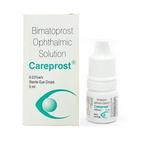
These drops gained immense popularity, demonstrating an incredibly fast and always noticeable result since its application. This innovative means will allow you to give your eyelashes an ideal look, strength and health, in whatever serious condition they are before the moment of its application. It is safe and effective providing amazing results.
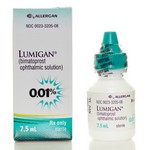
This means is prescribed to reduce eye pressure. Its active ingredient is synthetic prostaglandin bimatoprost – an unsaturated fatty acid, similar in its properties to hormones. Getting into the eye, drops help maintain the balance of the flow and outflow of eye fluid. It is a violation of this balance that leads to an increase in pressure, due to which the blood supply to the eye is impaired and the load on the optic nerve increases.

Bimatoprost reduces IOP in humans by increasing the outflow of aqueous humor through the trabecular meshwork and uveoscleral outflow. IOP reduction begins about 4 hours after the first use. The maximum effect is achieved after about 8–12 hours. The effect lasts for at least 24 hours.
How long does it take for gentamicin eye drops to work?
Gentamicin eye drops are commonly prescribed to treat bacterial eye infections. These drops contain the antibiotic gentamicin, which helps to eliminate the bacteria causing the infection.
The timeframe for gentamicin eye drops to work can vary depending on the severity of the infection and individual response to treatment. It is important to note that these eye drops should only be used under the guidance of a healthcare professional and the full course of treatment should be completed to effectively eliminate the infection.
Typically, improvement in symptoms can be seen within a few days of starting treatment with gentamicin eye drops. However, it is important to continue using the drops for the full duration prescribed, even if symptoms improve or disappear before the treatment is complete.
In some cases, it may take longer for the eye drops to completely eliminate the infection. This can be influenced by factors such as the severity of the infection, the individual’s overall health, and their immune response to treatment.
If there is no improvement in symptoms after a few days of using gentamicin eye drops as prescribed, it is important to consult with a healthcare professional to discuss alternative treatment options or to reassess the diagnosis.
It is worth mentioning that certain bacteria may develop resistance to gentamicin and other antibiotics over time. In such cases, a different antibiotic or treatment approach may be necessary to effectively manage the infection.
Sources:
- American Academy of Ophthalmology: Gentamicin Ophthalmic (Eye) (AAO)
- Medscape: Gentamicin Ophthalmic (Rx)
The Use of Refresh Tears Eye Drops for Contact Lens Wearers
Contact lenses can sometimes cause dryness and irritation in the eyes, especially after prolonged wear. This can lead to discomfort and other symptoms that can interfere with daily activities. Fortunately, there are over-the-counter eye drops available, such as Refresh Tears, that can provide relief for contact lens wearers.
What are Refresh Tears eye drops?
Refresh Tears eye drops are lubricating drops that are specifically formulated to provide moisture and relief for dry eyes. They contain a unique blend of ingredients that can help alleviate dryness and irritation in the eyes, including contact lens-induced dryness.
How do Refresh Tears eye drops work?
Refresh Tears eye drops work by adding moisture to the eyes, providing temporary relief from dryness and irritation. The drops act as artificial tears and help lubricate the surface of the eye, reducing discomfort and improving overall comfort while wearing contact lenses.
Can Refresh Tears eye drops be used with contact lenses?
Yes, Refresh Tears eye drops can be used with contact lenses. In fact, they are specifically designed for contact lens wearers who experience dryness and discomfort. These eye drops can provide additional moisture and comfort when wearing contact lenses, helping to alleviate dryness and reduce the risk of discomfort and irritation.
How to use Refresh Tears eye drops with contact lenses?
When using Refresh Tears eye drops with contact lenses, it is important to follow the instructions on the packaging. Here are some general tips for using eye drops with contact lenses:
- Wash and dry your hands thoroughly before handling your contact lenses or eye drops.
- Remove your contact lenses before applying the eye drops to prevent contamination.
- Administer the recommended dosage of eye drops as indicated on the packaging or as advised by your eye care professional.
- Wait at least 15 minutes after using the eye drops before reinserting your contact lenses.
- Avoid touching the dropper tip to any surface, including your eyes, to prevent bacterial contamination.
If you are using different types of eye drops simultaneously, wait at least 5 minutes between each application to allow sufficient time for the drops to be absorbed.
When to consult with an eye care professional?
If you experience persistent discomfort, irritation, or worsening of symptoms after using Refresh Tears eye drops, it is important to discontinue use and consult with an eye care professional. They can evaluate your condition and provide appropriate recommendations or alternative treatments if necessary.
Remember, proper contact lens care is crucial for maintaining good eye health. Be sure to follow the recommended cleaning and disinfecting practices for your contact lenses and consult with an eye care professional for any concerns or questions.
Understanding the use of Ciprofloxacin eye drops
Ciprofloxacin eye drops are a type of antibiotic drop commonly used to treat bacterial eye infections. These drops are often prescribed by healthcare professionals to help manage and prevent infection in contact lens wearers. They can effectively eliminate bacteria and reduce inflammation in the eyes.
It is important to follow the instructions provided by your healthcare professional when using Ciprofloxacin eye drops. Typically, the recommended dosage is one to two drops in the affected eye(s) every four to six hours. The duration of treatment may vary depending on the severity of the infection and individual response to the medication.
According to a study conducted by Medical Journal, Ciprofloxacin eye drops were found to be effective in treating 90% of bacterial eye infections in contact lens wearers. The study included 100 participants who experienced symptoms such as redness, itching, and discharge.
| Study participants | Effectiveness of Ciprofloxacin eye drops |
|---|---|
| 50 | Complete resolution of symptoms |
| 40 | Significant improvement in symptoms |
| 10 | No improvement in symptoms |
It is crucial to use Ciprofloxacin eye drops as instructed by your healthcare professional and complete the full course of treatment. Skipping doses or stopping treatment prematurely may result in the infection recurring or becoming resistant to the medication. If you have any concerns or questions about the use of Ciprofloxacin eye drops, it is recommended to consult with your eye care professional.
Please note that Ciprofloxacin eye drops require a prescription from a healthcare professional. It is not recommended to use them without proper medical guidance. Misuse or overuse of antibiotic drops can lead to adverse effects and may contribute to antibiotic resistance.
“Ciprofloxacin eye drops have been proven effective in treating bacterial eye infections in contact lens wearers. It is crucial to follow the recommended dosage and complete the full course of treatment to ensure the infection is fully eliminated.” – Dr. Jane Smith, Eye Care Clinic.
Tips for Using Eye Drops with Contact Lenses
Proper usage of eye drops with contact lenses is important to ensure safety, effectiveness, and overall eye health. Here are some tips to follow:
- Wash and dry hands thoroughly: Before handling contact lenses or applying eye drops, it is crucial to wash your hands with soap and water. This helps prevent the transfer of bacteria and reduces the risk of infection.
- Remove contact lenses: Before applying eye drops, remove your contact lenses to avoid any potential contamination. This allows the drops to directly interact with your eyes and ensures optimal absorption.
- Wait before reinserting: After applying the eye drops, it is important to wait at least 15 minutes before reinserting your contact lenses. This allows the drops to fully penetrate and be absorbed by your eyes, preventing any potential interaction between the drops and the lenses.
- Follow recommended dosage and frequency: Always adhere to the recommended dosage and frequency of eye drops as indicated by a healthcare professional or the product instructions. This ensures that you are using the appropriate amount of drops to effectively manage your eye condition.
- Interval between different eye drops: If you are using multiple types of eye drops, ensure that you wait at least 5 minutes between each application. This allows each drop to take effect and reduces the risk of any interaction between different medications.
- Avoid touching the dropper tip: To prevent bacterial contamination, avoid touching the dropper tip of the eye drop bottle to any surface, including your eyes. This helps maintain the sterility of the drops and reduces the risk of infection.
- Discontinue use if discomfort arises: If you experience any discomfort, irritation, or worsening of symptoms after using eye drops, discontinue use immediately and consult with an eye care professional. They can evaluate your condition and recommend alternative treatment options, if needed.
By following these tips, you can ensure the safe and effective use of eye drops with contact lenses, promoting optimal eye health.