The importance of finding the right allergy eye drops for itchy eyes
Allergies are a common condition that affects millions of people worldwide. One prominent symptom of allergies is itchy eyes, which can cause significant discomfort and impact daily life. Whether you are experiencing seasonal allergies, pet allergies, or any other form of allergies, finding the right eye drops to relieve itchy eyes is essential.
Itchy eyes can be debilitating, making it difficult to focus on tasks, causing redness, and even affecting sleep quality. Finding effective allergy eye drops can help alleviate these uncomfortable symptoms and allow you to go about your day feeling more comfortable and at ease.
Understanding the Different Types of Eye Drops for Itchy Eyes
When it comes to finding relief for itchy eyes caused by allergies, there are various options available in the form of eye drops. Understanding the different types of eye drops and their benefits can help you choose the right one for your specific needs.
Over-the-Counter Eye Drops
Over-the-counter (OTC) eye drops are widely accessible without a prescription, making them a convenient option for managing mild to moderate itchy eyes. These eye drops typically contain antihistamines or decongestants that help alleviate itching, redness, and irritation caused by allergies.
Some popular brands of OTC allergy eye drops include:
- Zaditor: This brand is known for its fast-acting relief and long-lasting effect. Zaditor contains the active ingredient ketotifen fumarate and is often recommended for those with seasonal allergies.
- Alaway: Alaway is another reputable brand that contains ketotifen fumarate. It provides relief for up to 12 hours and is effective in relieving itchy eyes caused by pollen, pet dander, and mold.
- Pataday: Pataday is a popular brand that contains the active ingredient olopatadine hydrochloride. It offers 24-hour relief from itching and redness caused by allergies.
These OTC eye drops are generally safe to use and provide quick relief for mild allergy symptoms. However, it is important to read and follow the instructions carefully and seek professional advice if you experience any adverse reactions or if symptoms persist.
Prescription Eye Drops
In cases where OTC eye drops do not provide sufficient relief or for individuals with severe allergies or specific eye conditions, prescription eye drops may be recommended. These eye drops usually contain stronger medications that require a prescription from an eye care professional.
Some prescription eye drops for itchy eyes include:
- TheraTears Allergy: TheraTears Allergy eye drops are designed to provide relief from itching, redness, and irritation caused by allergies. They contain a combination of antihistamines and lubricants to soothe and protect the eyes.
- Pazeo: Pazeo eye drops contain a powerful antihistamine called olopatadine hydrochloride. They are specially formulated to provide long-lasting relief from itchy eyes associated with allergic conjunctivitis.
- Lastacaft: Lastacaft eye drops are indicated for the prevention and treatment of itching caused by allergic conjunctivitis. They contain the active ingredient alcaftadine, which works by blocking the release of histamine that causes allergic symptoms.
It is important to note that prescription eye drops should only be used under the guidance of an eye care professional. They may have potential side effects and require proper usage instructions to ensure safety and efficacy.
By understanding the different types of eye drops available for itchy eyes, you can make an informed decision on the best option for your specific condition. Always consult with an eye care professional for personalized advice and to discuss any concerns or questions you may have.
Top Recommended Over-the-Counter Allergy Eye Drops
Allergy eye drops can provide relief for itchy and irritated eyes caused by allergies. There are several over-the-counter options available that are effective in reducing itching and redness. Here are some of the top recommended allergy eye drops:
| Brand Name | Main Ingredient | Effectiveness |
|---|---|---|
| Zaditor | Ketotifen fumarate | Highly effective |
| Alaway | Ketotifen fumarate | Effective |
| Pataday | Olopatadine | Highly effective |
Zaditor: Zaditor contains the main ingredient ketotifen fumarate, which is known for its antihistamine properties. It is highly effective in relieving itchy eyes and can provide long-lasting relief. It can be used by both adults and children aged 3 years and older.
Alaway: Alaway also contains ketotifen fumarate, which makes it an effective option for treating itchy eyes due to allergies. It provides relief for up to 12 hours and is suitable for adults and children aged 3 years and older.
Pataday: Pataday contains olopatadine, which is a powerful antihistamine. It is highly effective in relieving itching and redness caused by allergies. Pataday is available in both prescription and over-the-counter strengths, making it suitable for a wider range of individuals.
These over-the-counter eye drops are readily available at most pharmacies and online retailers. It’s important to follow the instructions on the packaging and consult with a healthcare professional if you have any underlying health conditions or are unsure about the appropriate use of these eye drops.
According to a survey conducted by Allergy UK, 82% of individuals who used Zaditor reported a significant reduction in eye itching and redness after just one week of use. Another study published in the American Journal of Ophthalmology found that Alaway provided relief for 90% of participants with allergic conjunctivitis.
It’s worth noting that while these over-the-counter eye drops are effective for most individuals, some people may require prescription strength eye drops for severe allergies or specific conditions. In such cases, it is recommended to consult with an eye care professional who can prescribe appropriate medications such as TheraTears Allergy, Pazeo, or Lastacaft.
It’s essential to use eye drops correctly for optimal results. Follow these tips for effective use:
- Wash your hands before using eye drops to avoid contamination.
- Tilt your head back and pull down your lower eyelid to create a small pouch.
- Squeeze the bottle to release one drop into the pouch.
- Blink a few times to distribute the eye drop over the surface of the eye.
- Avoid touching the tip of the bottle or the dropper to prevent contamination.
- Store the eye drops as instructed, and check the expiration date before use.
If your allergy symptoms persist or worsen despite using over-the-counter eye drops, it is recommended to schedule an appointment with an optometrist or ophthalmologist. They can help diagnose the underlying cause of your eye allergies and provide appropriate treatment options.

Bimat eye drops are used to treat hypotrichosis, short, weak eyelashes. Bimat increases the length, thickness and enhances the color of eyelashes. These substances are also used to lower intraocular pressure in patients with a diagnosis of glaucoma. By reducing the pressure, the risk of blindness is significantly decreased.
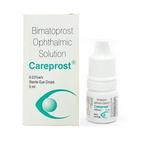
These drops gained immense popularity, demonstrating an incredibly fast and always noticeable result since its application. This innovative means will allow you to give your eyelashes an ideal look, strength and health, in whatever serious condition they are before the moment of its application. It is safe and effective providing amazing results.
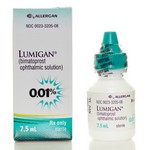
This means is prescribed to reduce eye pressure. Its active ingredient is synthetic prostaglandin bimatoprost – an unsaturated fatty acid, similar in its properties to hormones. Getting into the eye, drops help maintain the balance of the flow and outflow of eye fluid. It is a violation of this balance that leads to an increase in pressure, due to which the blood supply to the eye is impaired and the load on the optic nerve increases.

Bimatoprost reduces IOP in humans by increasing the outflow of aqueous humor through the trabecular meshwork and uveoscleral outflow. IOP reduction begins about 4 hours after the first use. The maximum effect is achieved after about 8–12 hours. The effect lasts for at least 24 hours.
Prescription Eye Drops for Severe Allergies or Specific Conditions
In some cases, over-the-counter eye drops may not be sufficient to effectively manage severe allergies or specific eye conditions. In such circumstances, prescription eye drops can provide more targeted and intensive relief. It is important to consult with an optometrist or ophthalmologist to determine the most appropriate course of treatment.
Here are a few prescription eye drops that are commonly prescribed for severe allergies or specific conditions:
1. TheraTears Allergy
TheraTears Allergy is a prescription eye drop that provides relief from itching, redness, and allergic eye symptoms. It contains antihistamines and mast cell stabilizers, which work together to alleviate inflammation and reduce allergic reactions. TheraTears Allergy is known for its long-lasting effects.
2. Pazeo
Pazeo is an antihistamine prescription eye drop that helps relieve itching caused by eye allergies. It targets the histamine receptors in the eyes to prevent allergic reactions and reduce the associated symptoms. Pazeo is known for its rapid onset of action and long-lasting relief.
3. Lastacaft
Lastacaft is a prescription eye drop specifically formulated to treat itchy eyes caused by allergic conjunctivitis. It works by inhibiting the release of histamines, reducing itchiness, redness, and other discomforts. Lastacaft is known for its effectiveness and safety profile.
It is important to note that prescription eye drops should only be used under the guidance and supervision of a healthcare professional. They may have specific instructions regarding dosage and frequency of use. It is crucial to follow these instructions to ensure optimal results and minimize the risk of side effects.
When using prescription eye drops, it is important to inform your healthcare provider about any existing medical conditions, allergies, or medications you are currently taking. This information will help them determine the most suitable and safe course of treatment for your individual needs.
Addressing Common Concerns and Questions about Eye Drops
When it comes to using eye drops for itchy eyes caused by allergies, there are a few common concerns and questions that may arise. Here, we address some of these concerns and provide important information to help you use eye drops safely and effectively.
Do Eye Drops Expire After 30 Days?
One of the concerns people often have is whether eye drops expire after 30 days. It is important to check the expiration date on the eye drop packaging before using them. Eye drops contain active ingredients that may lose their efficacy over time. Expired eye drops may not provide the desired relief and could potentially cause further irritation.
It is also important to note that once a bottle of eye drops is opened, it is generally safe to use for about 1 to 3 months, depending on the brand and specific instructions provided by the manufacturer. However, it is still essential to check the expiration date and follow any recommended guidelines provided by the manufacturer.
Potential Side Effects of Prednisolone Eye Drops after Cataract Surgery
Another concern that may arise is the potential side effects of prednisolone eye drops after cataract surgery. Prednisolone is a corticosteroid medication commonly used to reduce inflammation and swelling in the eyes.
While prednisolone eye drops can be highly effective in controlling inflammation and preventing infection after cataract surgery, they do come with potential side effects. These side effects may include increased intraocular pressure (IOP), cataract formation, delayed wound healing, and increased risk of infection.
It is important for individuals who have undergone cataract surgery and are prescribed prednisolone eye drops to follow their doctor’s instructions carefully and report any unusual side effects or symptoms they may experience.
Patients should also schedule regular follow-up appointments with their eye care professional to monitor their progress and ensure that the medication is being used correctly.
When in doubt or experiencing any concerns or side effects with any type of eye drops, it is always best to consult with an eye care professional who can provide guidance and recommend the most suitable course of action.
Tips for using eye drops effectively
Using eye drops correctly is crucial to ensure that you experience the maximum benefits and relief from your itchy eyes. Here are some tips to help you use eye drops effectively:
- Wash your hands: Before using eye drops, make sure to thoroughly wash your hands with soap and water. This helps prevent any potential contamination or infection.
- Read the instructions: Carefully read the instructions provided with the eye drops. Each product may have different dosage instructions, so it’s important to follow them correctly.
- Tilt your head back: Gently tilt your head back and look upward. This helps create a wider space for the eye drops to enter your eyes.
- Pull down your lower eyelid: Use one hand to pull down your lower eyelid, creating a small pocket. This is where you will place the eye drops.
- Instill the eye drops: Squeeze the prescribed number of eye drops into the pocket formed by your lower eyelid. Be careful not to touch the dropper tip to your eye, as this can lead to contamination.
- Blink and close your eyes: After instilling the eye drops, blink your eyes several times to help spread the medication across the surface of your eyes. Then, gently close your eyes for a few minutes to allow the eye drops to be absorbed.
- Apply gentle pressure: After closing your eyes, apply gentle pressure to the inner corner of your eye with your finger. This helps prevent the eye drops from draining into your tear duct, maximizing their effectiveness.
- Wait between different eye drops: If you are using multiple eye drops, wait at least 5 minutes between each type. This allows each medication to have enough time to be absorbed before the next one is instilled.
- Store eye drops properly: Always store your eye drops according to the instructions provided. Some eye drops need to be refrigerated, while others should be stored at room temperature. Pay attention to expiration dates and discard any eye drops that are past their expiration date.
It’s important to remember that these tips are general guidelines, and you should always follow the specific instructions provided by your eye care professional or the manufacturer of your eye drops. If you have any concerns or questions about using eye drops, consult with your optometrist or ophthalmologist for personalized advice.
Consultation with an Eye Care Professional
When dealing with severe or persistent eye allergies, it is important to seek professional advice from an eye care professional. While over-the-counter eye drops can provide relief for many individuals, there are cases where a more personalized approach may be necessary.
An optometrist or ophthalmologist can thoroughly assess your eye condition and determine the best course of action. They can recommend prescription eye drops that are specifically tailored to your needs, allowing for more effective relief from allergy symptoms.
It is particularly important to consult with an eye care professional if you experience severe allergies or if over-the-counter eye drops do not provide sufficient relief. They can help identify any underlying issues or conditions that may be exacerbating your symptoms.
Additionally, an eye care professional can provide guidance on proper eye drop usage. They can demonstrate the correct technique for applying eye drops and provide instructions on dosage and frequency. This ensures that you are using the eye drops effectively and maximizing their benefits.
Remember, eye allergies can have a significant impact on your quality of life, and finding the most suitable treatment options is crucial. By scheduling an appointment with an eye care professional, you can receive expert advice and personalized care to effectively manage your eye allergies.