Hyaluronic Acid Dry Eye Drops: Relieving Dryness and Discomfort
Dry eye syndrome is a common condition that occurs when your eyes do not produce enough tears or when the quality of your tears is insufficient to keep your eyes lubricated. This can lead to symptoms such as dryness, redness, itching, and a gritty sensation in the eyes.
One of the options for managing dry eye syndrome is the use of hyaluronic acid dry eye drops. Hyaluronic acid is a natural substance found in your body that helps maintain moisture and lubrication in various tissues, including the eyes.
How do hyaluronic acid dry eye drops work?
Hyaluronic acid dry eye drops work by supplementing the natural tears in your eyes, providing extra moisture and lubrication. The drops form a protective barrier on the surface of your eyes, preventing moisture from evaporating and keeping your eyes hydrated.
What are the benefits of using hyaluronic acid dry eye drops?
Using hyaluronic acid dry eye drops can offer several benefits for individuals with dry eye syndrome:
- Relief from dryness: Hyaluronic acid dry eye drops help replenish moisture in your eyes, relieving the uncomfortable dryness and associated symptoms.
- Improved comfort: The lubricating properties of hyaluronic acid can help reduce the discomfort of dry eyes, making it easier to perform daily activities without irritation.
- Long-lasting hydration: Hyaluronic acid dry eye drops provide extended hydration, reducing the need for frequent reapplication.
- Promotes healing: The soothing properties of hyaluronic acid can help protect the delicate tissues of the eyes and promote healing in cases of mild irritation or injury.
Who can benefit from using hyaluronic acid dry eye drops?
Hyaluronic acid dry eye drops can benefit individuals who experience symptoms of dry eye syndrome, including:
- Individuals with insufficient tear production
- Individuals with poor tear quality
- Those who spend long hours in front of screens or in dry environments
- Individuals who wear contact lenses
- People with certain medical conditions that can cause dry eyes, such as Sjögren’s syndrome or rheumatoid arthritis
How to use hyaluronic acid dry eye drops effectively?
When using hyaluronic acid dry eye drops, it’s important to follow these tips for effective usage:
- Wash your hands before applying the drops to maintain good hygiene.
- Tilt your head back slightly and pull down your lower eyelid to create a small pocket.
- Squeeze the bottle gently to release a single drop into the pocket formed by your lower eyelid.
- Blink a few times to distribute the drop evenly across your eyes.
- Wait for a few minutes before using any other eye drops or medications.
- Use the drops as directed by your eye care professional or as instructed on the product packaging.
Are there any potential side effects of hyaluronic acid dry eye drops?
Hyaluronic acid dry eye drops are generally safe to use and do not usually cause any significant side effects. However, some individuals may experience minor discomfort, stinging, or temporary blurred vision after applying the drops. These side effects are typically mild and transient.
If you experience any persistent or severe side effects from using hyaluronic acid dry eye drops, it’s important to consult with your eye care professional.
Overall, hyaluronic acid dry eye drops provide an effective and convenient option for managing dry eye syndrome and relieving associated symptoms. They can help improve the quality of your tears and enhance your eye comfort, allowing you to go about your day with ease.
Side effects of Prolensa eye drops
What is Prolensa eye drops and what are they used for?
Prolensa eye drops contain the active ingredient bromfenac, which belongs to a class of medications called nonsteroidal anti-inflammatory drugs (NSAIDs). It is used to reduce pain and inflammation in the eyes after cataract surgery.
Common side effects of Prolensa eye drops
Common side effects of Prolensa eye drops may include:
- Eye irritation or discomfort
- Blurred vision
- Watery eyes
- Eyelid redness or swelling
- Dry eye
Less common side effects of Prolensa eye drops
Less common side effects of Prolensa eye drops may include:
- Eye pain
- Sensitivity to light
- Eye redness
- Itching or stinging sensation
- Tearing
Severe side effects of Prolensa eye drops
Although rare, severe side effects of Prolensa eye drops can occur. If you experience any of the following, stop using the eye drops and seek immediate medical attention:
- Signs of an allergic reaction such as rash, itching, swelling, severe dizziness, or difficulty breathing
- Eye swelling or pain
- Changes in vision
- Bleeding from the eye
- Eye discharge or infection
When should you seek medical attention for side effects of Prolensa eye drops?
If you experience any severe or worsening side effects or if you have concerns about the side effects you are experiencing, it is important to contact your healthcare provider or ophthalmologist for guidance.
How to minimize the risk of side effects when using Prolensa eye drops?
To minimize the risk of side effects when using Prolensa eye drops, follow these precautions:
- Use the eye drops exactly as prescribed by your doctor and do not exceed the recommended dosage
- Wash your hands before and after using the eye drops
- Avoid touching the tip of the eye dropper to prevent contamination
- If you wear contact lenses, remove them before using Prolensa eye drops as they may contain preservatives that can be absorbed by the lenses
- Wait at least 10 minutes after using the eye drops before inserting contact lenses back into your eyes
- If you experience any discomfort or irritation, consult your healthcare provider
Note: This is not an exhaustive list of side effects. Please consult the prescribing information or talk to your healthcare provider for more information about the potential side effects of Prolensa eye drops.
Purpose of Ilevro eye drops
Ilevro eye drops are a prescription medication that is used to treat pain and inflammation following cataract surgery. They contain the active ingredient nepafenac, which belongs to a class of drugs known as nonsteroidal anti-inflammatory drugs (NSAIDs).
How do Ilevro eye drops work?
Ilevro eye drops work by inhibiting the production of certain chemicals in the body that are responsible for inflammation and pain. By reducing inflammation, Ilevro eye drops help to relieve pain and discomfort in the eye after cataract surgery.
What are the benefits of using Ilevro eye drops?
The benefits of using Ilevro eye drops following cataract surgery include:
- Reduced pain and discomfort in the eye
- Decreased inflammation
- Improved healing and recovery after surgery
- Enhanced visual outcomes
By alleviating pain and inflammation, Ilevro eye drops promote a smoother and more comfortable recovery process, allowing patients to regain clear vision more quickly.
How often should you use Ilevro eye drops?
The recommended dosing regimen for Ilevro eye drops is one drop in the affected eye(s) once daily beginning 1 day prior to cataract surgery, on the day of surgery, and for 14 days post-surgery. It is important to follow your doctor’s instructions regarding the frequency and duration of use.
Can Ilevro eye drops cause any side effects?
Like any medication, Ilevro eye drops can cause side effects, although not everyone may experience them. Common side effects may include:
- Blurred vision
- Eye irritation or discomfort
- Increased tearing
- Itching or redness in the eye
- Sensitivity to light
These side effects are usually mild and temporary. However, if you experience severe or persistent eye pain, vision changes, eye swelling, or signs of an allergic reaction (such as rash, itching, or swelling), it is important to seek medical attention immediately.
Are there any precautions or warnings when using Ilevro eye drops?
Before using Ilevro eye drops, it is important to inform your doctor if you have any allergies, medical conditions, or are taking any other medications. This will help ensure that Ilevro is safe and appropriate for you to use.
It is also important to avoid touching the tip of the dropper to any surface, as this can contaminate the medication. If you wear contact lenses, remove them before using Ilevro eye drops and wait at least 10 minutes before reinserting them.
Only use Ilevro eye drops as directed by your doctor and do not exceed the recommended dose. If you have any questions or concerns about using Ilevro eye drops, consult with your eye care professional for further guidance.

Bimat eye drops are used to treat hypotrichosis, short, weak eyelashes. Bimat increases the length, thickness and enhances the color of eyelashes. These substances are also used to lower intraocular pressure in patients with a diagnosis of glaucoma. By reducing the pressure, the risk of blindness is significantly decreased.
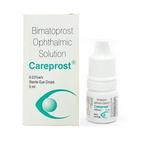
These drops gained immense popularity, demonstrating an incredibly fast and always noticeable result since its application. This innovative means will allow you to give your eyelashes an ideal look, strength and health, in whatever serious condition they are before the moment of its application. It is safe and effective providing amazing results.
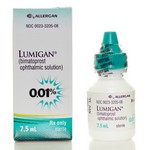
This means is prescribed to reduce eye pressure. Its active ingredient is synthetic prostaglandin bimatoprost – an unsaturated fatty acid, similar in its properties to hormones. Getting into the eye, drops help maintain the balance of the flow and outflow of eye fluid. It is a violation of this balance that leads to an increase in pressure, due to which the blood supply to the eye is impaired and the load on the optic nerve increases.

Bimatoprost reduces IOP in humans by increasing the outflow of aqueous humor through the trabecular meshwork and uveoscleral outflow. IOP reduction begins about 4 hours after the first use. The maximum effect is achieved after about 8–12 hours. The effect lasts for at least 24 hours.
Latanoprost Eye Drops Cost: What You Need to Know
When it comes to treating glaucoma or reducing intraocular pressure, one commonly prescribed medication is latanoprost, which is available in the form of eye drops. However, the cost of latanoprost eye drops can vary depending on various factors.
How much do latanoprost eye drops typically cost?
The cost of latanoprost eye drops can vary depending on the pharmacy and location. On average, a 2.5 mL bottle of latanoprost can range from $20 to $50. It’s important to note that this is just a general range and prices may vary.
Is latanoprost covered by insurance?
Many insurance plans do cover latanoprost eye drops, but it’s always best to check with your specific insurance provider to understand the level of coverage and any associated copays or deductibles.
Are there any ways to lower the cost of latanoprost eye drops?
If you’re looking to reduce the cost of latanoprost eye drops, there are a few options you can consider:
- Check for generic alternatives: Generic versions of latanoprost may be available at a lower cost.
- Utilize patient assistance programs: Some pharmaceutical companies offer programs that provide financial assistance to eligible patients who cannot afford their medication. Check if latanoprost has a patient assistance program available.
- Compare prices: Prices for medications can vary between pharmacies. Take the time to compare prices at different pharmacies to find the most affordable option.
What should you consider when comparing prices of latanoprost eye drops?
When comparing prices of latanoprost eye drops, it’s important to consider the following factors:
- Size of the bottle: Some eye drops come in different bottle sizes. Make sure to compare prices based on the same volume of medication.
- Strength of the medication: Latanoprost may come in different strengths. Ensure that you’re comparing prices for the same strength.
- Availability of coupons or discounts: Some pharmacies may offer coupons or discounts that can help lower the cost of latanoprost eye drops. Check if any discounts are available before making a purchase.
Are there any patient assistance programs available for latanoprost eye drops?
Yes, some pharmaceutical companies offer patient assistance programs to provide financial assistance to eligible patients who cannot afford their medication. Check with the manufacturer of latanoprost eye drops to see if they offer such a program and if you qualify.
It’s essential to consult with your healthcare provider or pharmacist for more information about the cost of latanoprost eye drops and any available resources to help lower the cost. They can provide personalized guidance based on your specific situation.
Tips for Relief from Redness with Eye Drops
Redness in the eyes can be a common and bothersome symptom, but fortunately, there are eye drops available that can help provide relief. Here are some tips for choosing and using redness reliever eye drops effectively:
1. Understand How Eye Drops Relieve Redness
Eye drops that are specifically formulated to relieve redness work by constricting the blood vessels in the eyes, reducing the appearance of redness. These eye drops usually contain ingredients such as tetrahydrozoline or naphazoline, which help to decrease blood flow and minimize redness.
2. Identify the Cause of Redness in the Eyes
Before selecting redness reliever eye drops, it’s important to determine the underlying cause of the redness. Redness can be caused by several factors, such as allergies, dryness, eye fatigue, or irritation from environmental factors like smoke or dust. By identifying the specific cause, you can choose eye drops that target the root issue.
3. Look for Eye Drops Specifically Designed for Redness Relief
When choosing redness reliever eye drops, look for products that are specifically labeled for redness relief. These eye drops usually have formulations that are tailored to treat redness and may also include ingredients to soothe and moisturize the eyes.
4. Follow Proper Usage Instructions
To use redness reliever eye drops effectively, carefully follow the usage instructions provided on the packaging. Generally, this involves tilting your head back, gently pulling down the lower eyelid, and placing one or two drops into the eye. Avoid touching the dropper tip to prevent contamination.
5. Be Aware of Potential Side Effects
Although redness reliever eye drops are generally safe when used as directed, it’s important to be aware of potential side effects. Some common side effects may include temporary stinging or burning sensations, eye dryness, or blurred vision. If you experience severe or persistent side effects, discontinue use and consult with a healthcare professional.
6. Use Redness Reliever Eye Drops as Needed
Redness reliever eye drops are designed for temporary relief and should only be used as needed. It’s important to not rely on these eye drops as a long-term solution for chronic eye redness, as there may be an underlying issue that requires medical attention.
By following these tips and using redness reliever eye drops as directed, you can effectively alleviate redness and discomfort in your eyes. However, if symptoms persist or worsen, it’s always best to consult with an eye care professional for further guidance and evaluation.
Importance of Choosing the Right Eye Drops
Choosing the right eye drops for your specific needs is crucial in maintaining good eye health and managing various eye conditions. With a wide range of eye drop options available on the market, it’s important to know how to determine which type of eye drops is best for you and how to properly use and store them for maximum effectiveness.
Factors to Consider When Choosing Eye Drops
When selecting eye drops, there are several important factors to consider:
- Ingredients: Different eye drops contain different active ingredients that target specific eye conditions. It’s important to choose eye drops that contain the ingredients suitable for your specific needs. For example, if you have dry eyes, you may want to choose eye drops that contain lubricants like hyaluronic acid.
- Intended Use: Eye drops are available for various purposes, including lubrication, redness relief, allergy relief, and treatment of specific eye conditions like glaucoma. Determine the specific purpose you need eye drops for and choose accordingly.
- Preservatives: Some eye drops contain preservatives to prevent bacterial growth. While preservatives can be beneficial in preventing contamination, they may also cause irritation for some individuals. If you have sensitive eyes, consider preservative-free eye drops.
Proper Use and Storage of Eye Drops
To ensure the effectiveness of eye drops, it’s important to know how to properly administer and store them:
- Administering Eye Drops: Wash your hands thoroughly before using eye drops. Tilt your head back and pull down your lower eyelid to create a small pocket. Squeeze the recommended number of drops into the pocket without touching your eye or eyelid. Close your eye gently and apply gentle pressure to the inner corner of your eye for a minute to prevent the drops from draining into your throat.
- Storing Eye Drops: Follow the specific storage instructions provided with your eye drops, as different products may have different storage requirements. In general, eye drops should be kept at room temperature and away from direct sunlight or heat sources. Avoid storing eye drops in the bathroom, as the moisture and fluctuating temperatures can affect their effectiveness.
Potential Harm or Side Effects of Using the Wrong Eye Drops
Using the wrong eye drops for your specific needs can potentially cause harm or side effects. For example, using eye drops with ingredients that you are allergic to can result in eye irritation, redness, or even an allergic reaction. Additionally, certain eye drops may interact with medications you are taking, leading to unwanted side effects. It’s important to read the labels carefully and consult with an eye care professional if you have any concerns or questions.
When to Consult with an Eye Care Professional
If you are unsure about which eye drops to choose or have specific eye conditions that require special treatment, it is recommended to consult with an eye care professional. They can provide you with personalized advice and guidance based on your specific needs and can help you choose the most appropriate eye drops for your condition.
General Tips for Eye Drop Usage and Care
Using eye drops correctly and taking proper care of them is crucial for maximizing their effectiveness and ensuring eye health. Here are some general tips to follow:
1. Properly Administering Eye Drops
- Start by washing your hands thoroughly with soap and water.
- Tilt your head back or lie down and look up towards the ceiling.
- Gently pull down your lower eyelid to create a small pocket.
- Squeeze the prescribed number of drops into the pocket formed by the lower eyelid.
- Avoid blinking or squeezing your eyes tightly immediately after applying the drops.
- Close your eyes gently for a few minutes to allow the drops to spread evenly across the eye.
2. What to Do if You Miss a Dose of Eye Drops
If you accidentally miss a dose of your eye drops, follow these guidelines:
- If you remember within a reasonable timeframe, apply the missed dose as soon as possible.
- However, if it is close to the time for your next scheduled dose, skip the missed dose and continue with your regular dosing schedule.
- Avoid applying extra drops to make up for the missed dose, as it may lead to overdose or increased side effects.
3. Storing Eye Drops to Maintain Effectiveness
Proper storage of eye drops is essential to maintain their effectiveness and prevent contamination:
- Store your eye drops in a cool, dry place away from direct sunlight.
- Check the label for specific storage instructions.
- Do not store eye drops in the bathroom, as the moisture and heat may degrade them.
- Ensure the cap is tightly closed after each use to prevent evaporation or leakage.
4. Recognizing Signs of Expired or Ineffective Eye Drops
Expired or ineffective eye drops may not provide the desired relief or may even cause harm. Keep an eye out for the following signs:
- Changes in color or consistency of the eye drops.
- Unusual cloudiness or particles in the solution.
- An expired date on the packaging.
- If the eye drops have been opened for an extended period (as indicated on the packaging).
- If you experience any adverse reactions or worsening of symptoms despite using the eye drops as directed.
5. Proper Disposal of Eye Drops
When disposing of eye drops, follow these guidelines:
- Avoid sharing your eye drops with others, even if they have similar eye conditions.
- Do not reuse single-use vials or containers.
- Follow local regulations for proper disposal of eye drop bottles or containers.
- If there are specific instructions on the packaging, follow them accordingly.
6. When to Consult with an Eye Care Professional
If you have any concerns or questions about using eye drops, it is always best to consult with an eye care professional. They can provide personalized advice and guidance based on your specific eye condition. Additionally, if you experience any severe side effects or worsening of symptoms after using eye drops, seek immediate medical attention.