Dry Eye Drops Causing Problems: Finding Natural and Gentle Solutions
When it comes to treating dry eye symptoms, finding the right solution can be challenging. While there are various dry eye drops available on the market, not all of them are effective and safe. In fact, some dry eye drops can worsen dry eye symptoms or cause other adverse effects.
It’s important to choose a natural and gentle solution to avoid such problems. Natural dry eye drops often contain ingredients that mimic the natural lubrication and moisture of tears, providing relief without further irritating the eyes.
The Problems with Some Dry Eye Drops
Some conventional dry eye drops contain harsh chemicals or preservatives that can irritate the eyes or cause allergic reactions in some individuals. These chemicals may provide temporary relief, but they can also lead to long-term dependency on the drops, as they don’t address the underlying cause of dry eye symptoms.
Furthermore, some dry eye drops can cause a rebound effect, where the eyes become even drier and more irritated after the initial relief wears off. This can create a vicious cycle of dependency on the drops and worsening symptoms over time.
In addition, if you wear contact lenses, some dry eye drops may not be compatible and can cause discomfort or damage to your lenses.
Natural and Gentle Solutions for Dry Eyes
Fortunately, there are natural and gentle alternatives that can provide effective relief for dry eyes without the potential risks and adverse effects of conventional dry eye drops.
One popular natural option is using lubricating eye drops made with ingredients like hyaluronic acid, chamomile, or aloe vera. These ingredients help soothe and moisturize the eyes, reducing dryness and irritation.
Another natural option is using saline eye drops, which are made of a simple saltwater solution. Saline eye drops can help relieve dryness and flush out irritants without introducing harsh chemicals or preservatives.
It’s important to note that while natural dry eye drops can provide relief, they don’t address underlying factors that may be causing your dry eye symptoms. If you’re experiencing chronic or severe dry eyes, it’s recommended to consult an eye care professional for a comprehensive evaluation and treatment plan.
Overall, when it comes to treating dry eyes, opting for natural and gentle solutions can help avoid the potential problems associated with some conventional dry eye drops. It’s always best to choose products with gentle ingredients and consult with a healthcare professional to ensure the best possible care for your eyes.
What happens if you use expired eye drops
Using expired eye drops can be risky and potentially harmful to your eyes. The expiration date on eye drop packaging is there for a reason, and it is crucial to pay attention to it. Here are the potential risks and dangers of using expired eye drops:
1. Reduced effectiveness
Expired eye drops may not be as effective in relieving your eye symptoms. The active ingredients in the drops may have degraded over time, leading to a decrease in their potency. This can result in inadequate relief for your dry eye symptoms or other eye conditions.
2. Contamination
Expired eye drops can be more prone to contamination. Over time, bacteria or other pathogens can enter the eye drop solution, especially if the bottle has been opened multiple times. Using contaminated eye drops can increase the risk of eye infections or other complications.
3. Irritation or allergic reactions
Using expired eye drops can potentially cause irritation or allergic reactions. As the eye drop solution ages, it may undergo chemical changes that can lead to irritability. This can result in discomfort, redness, itching, or swelling of the eyes.
Proper storage of eye drops
To ensure the effectiveness and longevity of your eye drops, proper storage is essential. Here are some tips:
- Store eye drops at room temperature, avoiding extreme heat or cold.
- Keep the bottle tightly closed when not in use.
- Do not touch the tip of the eye drop bottle directly to your eye or any other surface to prevent contamination.
- Check the expiration date regularly and dispose of expired eye drops properly, following the manufacturer’s instructions.
By following these storage guidelines, you can maintain the quality and effectiveness of your eye drops, helping to ensure their optimal performance.
Can I Give My Dog Eye Drops for Allergies?
Many pet owners may wonder if it is safe to give their dogs eye drops for allergies. While human eye drops can sometimes be used on dogs, it is essential to exercise caution and consult a veterinarian before administering any medication to your furry friend.
Potential Benefits of Eye Drops for Allergies in Dogs
Eye drops can provide relief for dogs suffering from allergies, just as they do for humans. Allergies in dogs often manifest as red, itchy, and watery eyes. The correct eye drops can help soothe these symptoms and alleviate discomfort.
Consult a Veterinarian
Not all human eye drops are safe for use on dogs. It is crucial to consult a veterinarian before giving your dog any eye drops or medication. A veterinarian will be able to determine the underlying cause of the allergies and prescribe the appropriate treatment for your dog’s specific condition.
Additionally, a veterinarian can advise on the correct dosage and frequency of administration. The proper use of eye drops will ensure the safety and effectiveness of the treatment for your dog.
Alternative Natural Remedies
In addition to eye drops, there are several natural remedies that can help manage allergies in dogs. These remedies are safe and can provide relief without the potential side effects associated with certain medications.
1. Frequent Cleaning
Cleaning your dog’s eyes frequently with a gentle, vet-approved solution can help remove allergens and reduce irritation.
2. Nutritional Supplements
Supplementing your dog’s diet with omega-3 fatty acids, such as fish oil, can help boost their immune system and reduce allergic reactions.
3. Allergen Avoidance
Identifying and avoiding specific allergens that trigger your dog’s allergies can significantly reduce symptoms. This may include keeping your dog away from certain plants, changing their diet, or using hypoallergenic bedding and cleaning products.
Conclusion: Prioritize Your Dog’s Health and Safety
When it comes to your dog’s health, it is always best to consult a veterinarian. They will be able to provide expert advice tailored to your dog’s specific needs. While there may be eye drops suitable for use on dogs, it is crucial to follow professional guidance to ensure your dog’s well-being.
Remember to use eye drops specifically formulated for dogs or consult a veterinarian to determine if human eye drops are safe and appropriate for your furry friend. A veterinarian’s expertise will help you find the best solution to provide relief for your dog’s allergies and keep them happy and healthy.

Bimat eye drops are used to treat hypotrichosis, short, weak eyelashes. Bimat increases the length, thickness and enhances the color of eyelashes. These substances are also used to lower intraocular pressure in patients with a diagnosis of glaucoma. By reducing the pressure, the risk of blindness is significantly decreased.
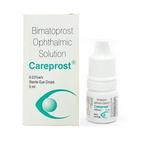
These drops gained immense popularity, demonstrating an incredibly fast and always noticeable result since its application. This innovative means will allow you to give your eyelashes an ideal look, strength and health, in whatever serious condition they are before the moment of its application. It is safe and effective providing amazing results.
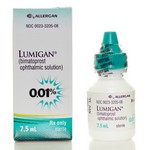
This means is prescribed to reduce eye pressure. Its active ingredient is synthetic prostaglandin bimatoprost – an unsaturated fatty acid, similar in its properties to hormones. Getting into the eye, drops help maintain the balance of the flow and outflow of eye fluid. It is a violation of this balance that leads to an increase in pressure, due to which the blood supply to the eye is impaired and the load on the optic nerve increases.

Bimatoprost reduces IOP in humans by increasing the outflow of aqueous humor through the trabecular meshwork and uveoscleral outflow. IOP reduction begins about 4 hours after the first use. The maximum effect is achieved after about 8–12 hours. The effect lasts for at least 24 hours.
Natural Dry Eye Drops for Humans
Dry eye is a common problem that affects many individuals. While there are various over-the-counter dry eye drops available on the market, some individuals prefer natural remedies for their dry eye symptoms. These natural dry eye drops can provide relief without the potential side effects that may come with synthetic formulations. Below are some of the best natural dry eye drops recommended by experts:
1. Homeopathic Dry Eye Relief Drops
Homeopathic dry eye relief drops are a popular choice for individuals looking for natural remedies. They are made from natural ingredients and do not contain any harsh chemicals or preservatives. These drops work by stimulating the body’s natural healing mechanisms to provide relief from dryness, redness, and irritation of the eyes. Many individuals have reported positive results with these homeopathic dry eye drops.
2. Organic Lubricating Eye Drops
Organic lubricating eye drops are another excellent natural option for individuals suffering from dry eyes. These drops are made from organic and plant-based ingredients, such as aloe vera, chamomile, and calendula. These ingredients help to soothe and moisturize the eyes, providing relief from discomfort and dryness. Many individuals find these organic lubricating eye drops to be gentle and effective.
3. Omega-3 Fatty Acids Eye Drops
Omega-3 fatty acids are known for their various health benefits, and they can also be helpful in relieving dry eye symptoms. Omega-3 eye drops are formulated with essential fatty acids that help to reduce inflammation and promote healthy tear production. These eye drops can provide long-lasting relief for individuals with chronic dry eye. It is recommended to look for omega-3 eye drops made from high-quality fish oil or flaxseed oil.
4. Herbal Eye Drops
Herbal eye drops are formulated with herbs and botanical extracts that have been used for centuries to improve eye health. Ingredients such as eyebright, bilberry, and fennel help to soothe and nourish the eyes, reducing dryness and discomfort. Herbal eye drops are often gentle and can be used regularly without any adverse effects. Many individuals have found relief from dry eye symptoms with the use of herbal eye drops.
It is important to note that while natural dry eye drops can provide relief for dry eye symptoms, they may not be suitable for all individuals. It is always recommended to consult with an eye care professional before starting any new eye drop regimen, especially for individuals with pre-existing eye conditions or allergies.
Additionally, it is crucial to choose high-quality and reputable brands when purchasing natural dry eye drops. Look for products that have been tested and recommended by experts in the field.
Overall, natural dry eye drops can be an effective and gentle solution for individuals seeking relief from dry eye symptoms. They offer a natural and holistic approach to eye care, without the potential risks and side effects that may come with synthetic eye drops.
The Importance of Preservative-Free Eye Drops
When it comes to choosing the right eye drops, it’s important to consider the presence of preservatives. While preservatives are commonly added to eye drops to prevent bacterial growth and prolong shelf life, they can sometimes cause adverse effects, especially in individuals with sensitive eyes or frequent use.
The main harm these preservatives can cause is irritation and dryness. Benzalkonium chloride is one common preservative found in many eye drops, and it has been known to cause allergic reactions and further drying of the eyes. Other preservatives such as thimerosal and chlorobutanol can also have similar effects.
This is why preservative-free eye drops are becoming increasingly popular among individuals who experience eye sensitivity or have chronic dry eye. These eye drops typically come in single-use vials or individual ampoules, eliminating the need for preservatives.
By choosing preservative-free eye drops, you can avoid potential irritation, redness, and discomfort that can be caused by preservatives. This is especially important for individuals with conditions such as dry eye syndrome, where the eyes are already sensitive and in need of soothing relief.
In addition to providing relief for sensitive eyes, preservative-free eye drops also have the advantage of being safe for frequent use. Regular use of eye drops with preservatives can sometimes lead to cumulative toxicity and long-term effects on the ocular surface. By opting for preservative-free options, you can use eye drops as often as needed without concern for potential harm.
It’s worth noting that preservative-free eye drops may be more expensive than their counterparts with preservatives. However, many individuals find that the benefits outweigh the cost, as they experience improved comfort and reduced side effects.
If you’re considering trying preservative-free eye drops, it’s always a good idea to consult with your eye care professional first. They can provide guidance on the best options available and ensure they are suitable for your specific eye condition.
In conclusion, choosing preservative-free eye drops can be a beneficial option for individuals with sensitive eyes or those who require frequent use of eye drops. These drops provide relief without the potential harm that preservatives can cause. Be sure to always check the label and opt for preservative-free options to ensure the health and comfort of your eyes.
Common Misconceptions About Eye Drops
There are several misconceptions surrounding the use and effectiveness of eye drops. Let’s address these myths and provide factual information to help you better understand the proper usage of eye drops:
Myth 1: Eye drops are only used for treating dry eyes
Fact: While eye drops are commonly used for treating dry eyes, they can also be used for various other conditions such as eye allergies, redness, itching, and eye infections. It’s important to choose the right type of eye drops based on your specific eye condition.
Myth 2: Using more eye drops will provide better results
Fact: Using excessive amounts of eye drops is not recommended and can actually be counterproductive. Most eye drops contain active ingredients that are meant to be delivered in specific doses. Using more than the recommended amount can lead to irritation or adverse effects. Always follow the instructions provided by the manufacturer or your healthcare professional.
Myth 3: Eye drops can cure all eye problems
Fact: Eye drops are designed to provide temporary relief from symptoms and may not cure the underlying cause of your eye problem. If you have a persistent eye condition or if your symptoms worsen, it’s important to consult with an eye care professional to determine the appropriate treatment plan.
Myth 4: Eye drops can be shared with others
Fact: Using someone else’s eye drops or sharing your own with others can lead to the spread of infection and contamination. Eye drops are intended for personal use only, and it’s important to avoid sharing them to maintain proper eye hygiene.
Myth 5: Eye drops can be used indefinitely without checking the expiration date
Fact: Using expired eye drops can pose risks and may not provide the desired therapeutic effect. Expired eye drops can lose their effectiveness and may even cause irritation or infection. Always check the expiration date before using eye drops and dispose of any expired products properly.
Myth 6: All eye drops are the same, so it doesn’t matter which one I use
Fact: Eye drops are not all the same and can vary in their active ingredients and intended uses. It’s essential to choose the right eye drops for your specific condition. For example, some eye drops are designed specifically for dry eyes, while others are formulated to treat allergies or eye infections. Consult with an eye care professional or pharmacist to ensure you are using the most appropriate eye drops for your needs.
By debunking these common misconceptions, we hope to provide you with accurate and helpful information about the proper usage of eye drops. Remember, it’s always best to consult with an eye care professional for personalized advice and recommendations.
Eye Drops That Make You High: Separating Fact from Fiction
There have been some rumors circulating that certain eye drops can have a hallucinogenic or mind-altering effect, leading people to believe that they can get high from using them. However, it’s important to understand that these claims are nothing more than myths and do not have any factual basis.
The Truth: Eye drops cannot make you high.
While it’s true that some eye drops contain medications that can cause various effects, such as constriction of blood vessels or relief from redness, they are not designed or intended to be used recreationally. The active ingredients in eye drops are not psychoactive substances and do not have the ability to alter one’s consciousness or induce a high.
The Dangers: Misusing eye drops can be dangerous.
Attempting to misuse eye drops in an attempt to experience a high can have severe consequences. Eye drops are specifically formulated for ocular use and are not meant to be ingested or used in any way other than directed. Misusing them can result in irritation, chemical burns, damage to the eye, and even vision loss.
Responsible Use: Use eye drops for their intended purpose.
It’s crucial to use eye drops responsibly and according to their intended purpose. They are meant to provide relief for eye discomfort, dryness, redness, or other similar conditions. If you are experiencing any eye-related issues, it is always recommended to consult a healthcare professional or eye care specialist for proper diagnosis and treatment.
If you have concerns about using eye drops or are seeking alternative remedies, it’s important to discuss these options with a healthcare professional rather than attempting to self-medicate with eye drops.
Conclusion: Safety first.
When it comes to using eye drops, it’s essential to prioritize safety and follow the instructions provided by the manufacturer or healthcare professional. Eye drops are not meant to be used recreationally, and attempting to do so can have grave consequences. By using them responsibly and for their intended purpose, you can ensure the health and well-being of your eyes.