Overview of the safety of eye drops
Eye drops are a common form of medication used to treat various eye conditions and symptoms such as dryness, itching, redness, and infections. They are designed to deliver medication directly to the eye, providing quick relief and treatment. However, it is important to use eye drops safely and be aware of any potential risks and side effects.
Types of eye drops
There are several different types of eye drops available, each with their own specific purpose:
- Artificial tears: These lubricating eye drops help relieve dryness and provide temporary relief from symptoms like itching and redness.
- Antibiotic eye drops: These eye drops contain antibiotics that help treat bacterial eye infections.
- Antihistamine eye drops: These eye drops are used to relieve symptoms of allergic conjunctivitis, such as itching, redness, and watering.
- Steroid eye drops: These eye drops contain corticosteroids and are used to reduce inflammation in the eyes.
- Glaucoma eye drops: These eye drops are prescribed to patients with glaucoma to help reduce intraocular pressure and prevent further damage to the optic nerve.
Risks and side effects
While eye drops are generally safe to use, there are some potential risks and side effects that users should be aware of:
- Allergic reactions: Some individuals may be allergic to certain ingredients in eye drops, resulting in symptoms like itching, redness, and swelling.
- Eye irritation: Eye drops may sometimes cause temporary stinging or burning sensations in the eyes.
- Increased intraocular pressure: Some steroid-based eye drops may increase intraocular pressure, which can be harmful for individuals with certain eye conditions like glaucoma.
- Eye infections: If eye drops are contaminated or not used properly, they may introduce bacteria or fungi into the eyes, leading to infections.
- Systemic side effects: Some medications used in eye drops can be absorbed into the bloodstream and may cause systemic side effects such as changes in blood pressure or heart rate.
Proper usage and instructions
To ensure the safe and effective use of eye drops, it is important to follow the instructions provided by the manufacturer or healthcare professional. Some general tips for using eye drops include:
- Washing hands before and after applying eye drops.
- Tilting the head back and pulling down the lower eyelid to create a small pocket for the drops.
- Squeezing the prescribed number of drops into the lower eyelid pocket without touching the dropper tip to the eye or any other surface.
- Keeping the eyes closed for a few minutes after applying the eye drops to allow them to spread evenly.
- Avoiding touching the eyes or rubbing them after applying the drops.
If you are unsure about the proper usage of eye drops, it is best to consult with a healthcare professional for guidance.
The Different Types of Eye Drops
Eye drops are a common form of medication used to treat various eye conditions. They can be purchased over the counter or prescribed by a healthcare professional. There are different types of eye drops available, each designed to target specific eye issues:
1. Artificial Tears
Artificial tears are lubricating eye drops that help relieve dryness and irritation caused by factors such as dry air, wind, and prolonged screen time. They mimic the composition of natural tears and provide temporary relief.
2. Antibiotic Eye Drops
Antibiotic eye drops are prescribed to treat bacterial infections such as conjunctivitis (pink eye). They contain antibiotics that can help eliminate the bacteria causing the infection.
3. Antihistamine Eye Drops
Antihistamine eye drops are used to relieve itching and redness caused by allergies. They work by blocking histamines, which are chemicals responsible for allergic reactions.
4. Decongestant Eye Drops
Decongestant eye drops help reduce eye redness and relieve eye congestion caused by allergies or colds. They work by constricting the blood vessels in the eyes, reducing redness and swelling temporarily.
5. Steroid Eye Drops
Steroid eye drops are prescribed to treat inflammation and reduce swelling in the eyes caused by conditions such as uveitis and allergic reactions. They are potent medications that require careful usage and monitoring due to potential side effects.
6. Glaucoma Eye Drops
Glaucoma eye drops are prescribed to lower intraocular pressure, which is a risk factor for glaucoma. These eye drops help improve the drainage of fluid from the eye, reducing pressure and preventing vision loss.
It’s important to note that the specific eye drops prescribed or recommended by a healthcare professional will depend on the individual’s eye condition and medical history. It is crucial to follow the instructions provided and consult a healthcare professional if there are any concerns or changes in symptoms.
Potential Risks and Side Effects of Eye Drops
While eye drops are generally safe and effective when used properly, it’s important to be aware of potential risks and side effects. Here are some of the possible issues to consider:
Allergic Reactions
Some people may be allergic to certain ingredients in eye drops, such as preservatives or active ingredients. Allergic reactions can cause symptoms like redness, itching, swelling, and burning of the eyes. If you experience any adverse reactions after using eye drops, discontinue use and consult with a healthcare professional.
Eye Irritation
Eye drops can sometimes cause temporary irritation or discomfort. This can include stinging, burning, or a gritty sensation in the eyes. These side effects typically resolve on their own, but if they persist or worsen, it’s important to seek medical advice.
Dryness or Redness
In some cases, eye drops may actually worsen dryness or redness of the eyes. If you notice any worsening of symptoms after using eye drops, it’s important to consult with a healthcare professional to determine the underlying cause and appropriate treatment.
Changes in Vision
While rare, some individuals may experience changes in vision after using certain types of eye drops. This can include blurry vision, double vision, or other visual disturbances. If you notice any changes in your vision after using eye drops, it’s important to seek medical attention to rule out any serious underlying conditions.
Other Side Effects
Depending on the specific type of eye drops being used, there may be additional potential side effects to consider. For example, some medications used in eye drops can cause a temporary increase in eye pressure, which can be problematic for individuals with certain eye conditions. It’s important to read the product’s packaging and consult with a healthcare professional to fully understand the potential risks and side effects of a specific eye drop medication.
Overall, it’s crucial to follow the instructions provided with eye drops and to use them only as directed. If you have any concerns or questions about using eye drops, it’s best to consult with a healthcare professional for personalized advice.
For more information on the safety and potential side effects of eye drops, you can visit reputable sources such as:

Bimat eye drops are used to treat hypotrichosis, short, weak eyelashes. Bimat increases the length, thickness and enhances the color of eyelashes. These substances are also used to lower intraocular pressure in patients with a diagnosis of glaucoma. By reducing the pressure, the risk of blindness is significantly decreased.
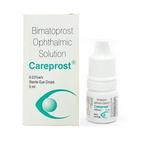
These drops gained immense popularity, demonstrating an incredibly fast and always noticeable result since its application. This innovative means will allow you to give your eyelashes an ideal look, strength and health, in whatever serious condition they are before the moment of its application. It is safe and effective providing amazing results.
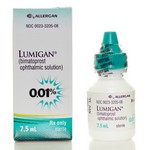
This means is prescribed to reduce eye pressure. Its active ingredient is synthetic prostaglandin bimatoprost – an unsaturated fatty acid, similar in its properties to hormones. Getting into the eye, drops help maintain the balance of the flow and outflow of eye fluid. It is a violation of this balance that leads to an increase in pressure, due to which the blood supply to the eye is impaired and the load on the optic nerve increases.

Bimatoprost reduces IOP in humans by increasing the outflow of aqueous humor through the trabecular meshwork and uveoscleral outflow. IOP reduction begins about 4 hours after the first use. The maximum effect is achieved after about 8–12 hours. The effect lasts for at least 24 hours.
The Role of Proper Usage and Following Instructions
Proper usage and following instructions are crucial when using eye drops to ensure their effectiveness and minimize the risk of potential side effects. Here are some important points to consider:
1. Wash Hands
Before applying eye drops, it is important to wash your hands thoroughly with soap and water. This helps to prevent introducing any additional dirt or bacteria into the eye.
2. Use the Correct Amount
Follow the instructions provided by your healthcare professional or the manufacturer on the correct dosage and frequency of eye drop use. Using too much or too little can affect the effectiveness of the treatment.
3. Proper Positioning
While applying eye drops, tilt your head back slightly and hold the bottle about one inch away from your eye. Gently pull down your lower eyelid to create a pouch, and then squeeze the bottle to release the drops into the pouch.
4. Avoid Touching the Eye
Avoid touching the tip of the eye drop bottle or the dropper to your eye or any other surface. This can introduce bacteria that may cause an infection.
5. Close Your Eyes
After applying the eye drops, keep your eyes closed for a minute or two. This allows the drops to properly spread and increases their absorption.
6. Wait Between Different Eye Drops
If you are using multiple types of eye drops, wait at least five minutes between each application. This prevents one type of drop from flushing out the previous one, allowing each medication to work effectively.
7. Store Properly
Eye drops should be stored according to the instructions provided by the manufacturer. Some eye drops need to be refrigerated, while others should be kept at room temperature. Improper storage can affect their efficacy.
Following these guidelines can help you use eye drops safely and effectively. If you have any concerns or questions about using eye drops, it is best to consult with your healthcare professional.
Can Eye Drops Cure Cataracts?
Cataracts are a common eye condition that affects millions of people worldwide. It occurs when the lens of the eye becomes cloudy, leading to blurry vision and difficulty seeing clearly. While cataracts cannot be cured with eye drops, there are some eye drops on the market that may help manage the symptoms associated with cataracts.
One such eye drop is called N-acetylcarnosine (NAC). NAC eye drops have been studied for their potential to improve vision in individuals with cataracts. According to a study published in the Journal of Cataract and Refractive Surgery, NAC eye drops may help improve visual acuity and reduce glare sensitivity in individuals with cataracts. The study reported that participants who used NAC eye drops experienced a significant improvement in their vision compared to those who used a placebo.
It’s important to note that while NAC eye drops may help improve vision in individuals with cataracts, they do not cure the underlying condition. The only way to remove cataracts is through surgery. During cataract surgery, the cloudy lens is removed and replaced with an artificial lens to restore clear vision.
It’s always best to consult with a healthcare professional before using any eye drops, especially if you have cataracts or any other eye condition. They can provide guidance on the best treatment options for your specific situation.
In addition to NAC eye drops, there are other types of eye drops that may offer relief from the symptoms of cataracts. These include:
- Artificial tears: These eye drops help lubricate the eyes and relieve dryness, which is a common symptom of cataracts.
- Anti-inflammatory eye drops: These eye drops can help reduce inflammation and swelling in the eye, which may be beneficial for individuals with cataracts.
- Prescription eye drops: In some cases, prescription eye drops may be recommended to help manage the symptoms of cataracts. These eye drops may contain medications that help reduce inflammation or control intraocular pressure.
It’s important to use eye drops as directed and follow the instructions provided by your healthcare professional. Using eye drops improperly or too frequently can lead to further irritation or complications.
While eye drops may help manage the symptoms of cataracts, they cannot cure the condition. It’s also important to note that the efficacy of eye drops may vary from person to person. Some individuals may experience significant improvement in their vision, while others may not notice any difference.
If you are considering using eye drops for cataracts, it’s a good idea to discuss this option with your healthcare professional. They can provide guidance based on your individual needs and help you determine if eye drops are an appropriate treatment option.
Can Eye Drops Cure Cataracts?
Cataracts are a common eye condition that occurs when the natural lens in the eye becomes cloudy, leading to blurry vision. Many people wonder if eye drops can be used to cure cataracts or prevent them from worsening. Unfortunately, there is currently no eye drop or medication available that can cure cataracts.
Cataracts only have one effective treatment option, which is surgery. Cataract surgery involves removing the cloudy lens and replacing it with an artificial lens to restore clear vision. It is a safe and commonly performed procedure, with a high success rate.
While eye drops cannot cure cataracts, there are some eye drop formulations that may help relieve the symptoms associated with cataracts or other eye conditions. These eye drops are typically lubricating or moisturizing drops that can help alleviate dryness, irritation, or discomfort in the eyes.
It is important to note that these symptomatic relief eye drops do not treat the underlying cause of cataracts. They are meant to provide temporary relief and improve overall eye comfort.
If you are experiencing symptoms of cataracts, it is crucial to schedule an appointment with an ophthalmologist for a comprehensive eye evaluation. The ophthalmologist will be able to determine the severity of the cataracts and recommend the most appropriate treatment options.
Cataracts are typically age-related and develop slowly over time. Therefore, it is essential to monitor your vision regularly and seek professional medical advice when needed.
Key Points:
- Eye drops cannot cure or prevent cataracts.
- Cataracts are treated through surgery, not eye drops.
- Some eye drops may provide symptomatic relief for cataract-related symptoms.
- A comprehensive eye evaluation by an ophthalmologist is necessary for proper diagnosis and treatment of cataracts.
- Regular monitoring of vision and seeking professional medical advice is important for the management of cataracts.
Refresh Eye Drops Coupon 2016 and Other Cost-Saving Options
Eye drops can be an essential part of maintaining eye health and treating various eye conditions. However, the cost of eye drops can add up over time, especially if you need to use them regularly. Fortunately, there are several cost-saving options and ways to get discounts on eye drops, including Refresh eye drops coupons.
Refresh is a popular brand that offers a range of eye drops for different purposes, such as lubricating dry eyes, relieving eye allergies, and treating redness. They also frequently release coupons and special offers to help customers save money.
One way to find Refresh eye drops coupons is by visiting the official Refresh website. They often have printable coupons available that you can redeem at your local pharmacy or grocery store. Additionally, signing up for their newsletter or following them on social media platforms may provide access to exclusive promotions and discounts.
Another way to save money on Refresh eye drops is by checking online coupon websites. Sites like Coupons.com, RetailMeNot, and SmartSource often have printable coupons for various brands, including Refresh. Simply search for Refresh eye drops coupons on these websites and print them out for use at your preferred retailer.
Aside from coupons, there are other cost-saving options and strategies you can consider when purchasing eye drops:
1. **Compare prices**: Different retailers may have varying prices for the same eye drops. Take the time to compare prices at different pharmacies or online stores to ensure you’re getting the best deal.
2. **Buy in bulk**: Many eye drop brands offer larger bottle sizes or multipacks that can provide savings in the long run. Check if Refresh offers any bulk options to save on the cost per drop.
3. **Use generic alternatives**: Generic eye drops can be more affordable than brand-name options and often contain the same active ingredients. Ask your doctor or pharmacist if a generic version of your preferred eye drops is available.
4. **Utilize patient assistance programs**: Some pharmaceutical companies offer patient assistance programs for individuals who have difficulty affording their medications, including eye drops. These programs may provide discounts or even free eye drops to eligible individuals. Check the official Refresh website or contact their customer service for more information.
While cost-saving options are important, it’s crucial to prioritize your eye health when selecting eye drops. Make sure to choose a product that is appropriate for your specific condition and follow the instructions for proper usage and dosage.
By being proactive in finding Refresh eye drops coupons and exploring other cost-saving options, you can effectively manage the cost of your eye drops without compromising your eye health.