Eye Drops and Their Potential Risks
Eye drops are a common and convenient solution for treating various eye conditions. Whether you’re dealing with dry eyes, allergies, or an infection, eye drops can provide relief and help improve your overall eye health. However, it’s important to understand the potential risks associated with their usage and the importance of taking proper precautions.
Overview of the Various Types of Eye Drops
There are different types of eye drops available on the market, each aimed at addressing specific eye concerns. Some common types include:
- Lubricating eye drops: These help relieve dryness and discomfort caused by environmental factors or certain medications.
- Allergy eye drops: These contain antihistamines or other active ingredients to relieve itchy, red, or watery eyes caused by allergies.
- Antibiotic eye drops: These are prescribed to treat bacterial eye infections, such as pink eye.
- Anti-inflammatory eye drops: These help reduce inflammation and swelling in the eyes caused by conditions like uveitis or conjunctivitis.
Importance of Following Instructions and Guidelines for Usage
When using eye drops, it’s crucial to carefully read and follow the instructions provided by the manufacturer. This includes the recommended dosage, frequency of use, and any precautions or warnings mentioned.
Using eye drops excessively or infrequently can lead to ineffective treatment or potential side effects. It’s important to use the correct amount of drops as recommended by your healthcare professional or as indicated on the packaging.
Common Misconceptions About Eye Drops
There are several misconceptions surrounding the usage of eye drops that need to be addressed:
- Using more eye drops will provide better results: Using extra eye drops can lead to eye irritation or other adverse effects. Following the recommended dosage is essential.
- All eye drops are the same: Different eye drops are formulated for specific conditions, so it’s important to use the correct type for your particular eye concern.
- Eye drops are harmless: While generally safe, improper usage or using outdated eye drops can cause complications. It’s crucial to handle eye drops with care and follow proper hygiene practices when using them.
By understanding the different types of eye drops, following instructions, and dispelling common misconceptions, you can ensure safe and effective usage of these products for maintaining optimal eye health.
The Danger of Using Discolored Eye Drops
Using eye drops that have changed in color can be dangerous and potentially harmful to your eyes. The color change in eye drops can indicate a variety of issues, including contamination, chemical reactions, or degradation of the active ingredients.
Causes of Discoloration in Eye Drops
There are several reasons why eye drops may change in color:
- Bacterial or fungal contamination: When bacteria or fungi contaminate the eye drops, they can cause a color change.
- Chemical reactions: Certain ingredients in the eye drops may react with each other or with external factors like light or air, leading to discoloration.
- Degradation of active ingredients: Over time, the active ingredients in eye drops can degrade, resulting in a change in color.
Risks and Complications
Using discolored eye drops can have several risks and complications:
- Reduced effectiveness: Discolored eye drops may not provide the expected therapeutic effect, as their active ingredients may have degraded.
- Potential eye irritation: Contaminated or degraded eye drops can irritate the eyes and cause redness, itching, or other discomfort.
- Increased risk of infection: If the discoloration is due to bacterial or fungal contamination, it can introduce harmful microorganisms into the eyes, increasing the risk of infection.
- Possible damage to the ocular surface: Using compromised eye drops can potentially damage the delicate ocular surface, leading to more serious eye conditions.
It is crucial to check the color and clarity of your eye drops before usage to ensure their safety and effectiveness. If you notice any discoloration, it is best to discard the eye drops and consult with your healthcare professional.
Proper storage of eye drops can help minimize the risk of discoloration and degradation. Keep them in a cool and dark place, avoiding exposure to direct sunlight or extreme temperatures. Additionally, make sure to close the bottle tightly after each use to prevent air or contaminant ingress.
Tip: If you suspect that your eye drops have changed in color, do not use them. It is always better to err on the side of caution and seek guidance from a healthcare professional.
Can expired eye drops be used safely?
Eye drops are a common healthcare product used for various reasons, such as treating dry eyes, allergies, and infections. However, it is important to understand that like any medication, eye drops have an expiration date. Expired eye drops can potentially be ineffective and even pose risks to your eye health.
When eye drops expire, the active ingredients in the solution may degrade over time, making them less effective in treating the condition they are intended for. Using expired eye drops could result in inadequate treatment and prolonged symptoms.
Additionally, preservatives in eye drops help prevent the growth of bacteria and ensure the safety of the product. However, these preservatives may lose their effectiveness as the eye drops age, posing a risk of contamination. Using contaminated eye drops could lead to eye infections and other complications.
It is crucial to check the expiration date on the eye drop packaging before using them. The expiration date ensures that the eye drops are still within their intended shelf life and will work effectively and safely. Using eye drops past their expiration date is not recommended.
According to a study published in the Journal of Pharmaceutical Sciences, the efficacy of eye drops can decrease by 20-25% after the expiration date. This means that using expired eye drops could lead to suboptimal treatment outcomes and prolonged discomfort.
Another factor to consider is the storage conditions of the eye drops. Exposure to light and heat can also affect the potency and stability of the active ingredients. Proper storage, such as keeping the eye drops in a cool and dry place, can help maintain their effectiveness and extend their shelf life.
In summary, using expired eye drops can potentially be unsafe and ineffective. It is always best to check the expiration date and discard any eye drops that have passed their expiration date. If you have any concerns or questions about using eye drops, it is recommended to consult with an eye care professional who can provide appropriate guidance.

Bimat eye drops are used to treat hypotrichosis, short, weak eyelashes. Bimat increases the length, thickness and enhances the color of eyelashes. These substances are also used to lower intraocular pressure in patients with a diagnosis of glaucoma. By reducing the pressure, the risk of blindness is significantly decreased.
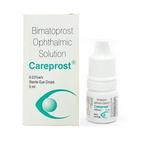
These drops gained immense popularity, demonstrating an incredibly fast and always noticeable result since its application. This innovative means will allow you to give your eyelashes an ideal look, strength and health, in whatever serious condition they are before the moment of its application. It is safe and effective providing amazing results.
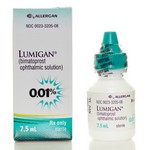
This means is prescribed to reduce eye pressure. Its active ingredient is synthetic prostaglandin bimatoprost – an unsaturated fatty acid, similar in its properties to hormones. Getting into the eye, drops help maintain the balance of the flow and outflow of eye fluid. It is a violation of this balance that leads to an increase in pressure, due to which the blood supply to the eye is impaired and the load on the optic nerve increases.

Bimatoprost reduces IOP in humans by increasing the outflow of aqueous humor through the trabecular meshwork and uveoscleral outflow. IOP reduction begins about 4 hours after the first use. The maximum effect is achieved after about 8–12 hours. The effect lasts for at least 24 hours.
The risks of using eye drops after their expiration date
Using eye drops that have expired can pose potential complications and health risks. It is important to understand why eye drops have expiration dates and the possible consequences of using them after their expiration date.
Why do eye drops have expiration dates?
Eye drops, like any other medication, have an expiration date for several reasons:
- The active ingredients in eye drops may lose their effectiveness over time. This means that the medication may not work as well as it should in treating the intended eye condition.
- The preservatives in eye drops, which help prevent bacterial growth, may lose their potency over time. This can increase the risk of contamination and infection if the drops are used after their expiration date.
- Eye drops may undergo chemical changes over time, leading to potential safety issues. This can include changes in pH levels or the breakdown of certain compounds, which can affect the overall quality and safety of the drops.
Complications and health risks of using expired eye drops
Using eye drops after their expiration date can lead to a range of potential complications and health risks:
- Decreased effectiveness: The active ingredients in the eye drops may no longer be potent enough to provide the desired therapeutic effect. This means that the drops may not effectively alleviate symptoms or treat the underlying eye condition.
- Increased risk of infection: Expired eye drops may be more likely to contain harmful bacteria or other microorganisms. This can lead to an increased risk of infection if the contaminated drops are used in the eyes.
- Eye irritation: Expired eye drops can cause irritation and discomfort in the eyes. This can include symptoms such as redness, itching, burning, or stinging.
- Worsening of symptoms: If the eye drops are used past their expiration date, they may not effectively address the underlying cause of the eye condition. This can result in the worsening of symptoms or the progression of the condition.
- Unpredictable side effects: Expired eye drops may have unpredictable effects on the eyes. This can include adverse reactions or side effects that may not occur when using non-expired drops.
Importance of discarding eye drops once they have expired
To ensure the safety and effectiveness of eye drops, it is crucial to discard them once they have expired. This means following the instructions provided on the packaging and checking the expiration date before each use.
If you are unsure about the expiration date of your eye drops, it is recommended to consult the manufacturer or a healthcare professional for clarification. They can provide guidance on whether the drops are still safe to use or if they should be discarded.
Expired eye drops should not be used, even if they appear clear and free from visible signs of degradation. The potential risks and complications associated with using expired eye drops outweigh any perceived benefits.
By prioritizing eye health and proper medication usage, individuals can minimize the potential risks and maximize the effectiveness of their eye drop treatment.
Can using eye drops incorrectly lead to blindness?
Using eye drops incorrectly can potentially lead to serious consequences, including blindness. It is crucial to understand the correct usage of eye drops and to avoid common mistakes that can put your eyes at risk.
The potential dangers of improper eye drop usage
Improper usage of eye drops can have detrimental effects on your eyesight. Some potential dangers include:
- Eye infections: Using contaminated or improperly stored eye drops can introduce harmful bacteria or other microorganisms into your eyes, leading to infections such as conjunctivitis or keratitis.
- Corneal damage: Incorrect application of eye drops may result in the drops missing your eyes and landing on your eyelids or cheeks. This can cause irritation and potential damage to the delicate cornea.
- Increased eye pressure: Certain types of eye drops, such as those used to treat glaucoma, work by reducing intraocular pressure. Using these drops incorrectly can lead to an imbalance in eye pressure, which can be harmful to your optic nerve and potentially result in vision loss.
- Allergic reactions: Using eye drops that you are allergic to or using them in excess can trigger allergic reactions, causing symptoms such as redness, itching, and swelling.
It is important to note that while these risks exist, they are generally rare when eye drops are used correctly and as directed.
Common mistakes to avoid when using eye drops
To minimize the risk of complications, it is essential to avoid these common mistakes when using eye drops:
- Touching the dropper tip: Touching the dropper tip with your fingers or any other surface can introduce bacteria into the solution. This can contaminate the eye drops and increase the risk of infection. Always make sure to keep the dropper clean and avoid direct contact.
- Incorrect positioning: Placing the dropper too close to your eye or holding it at an incorrect angle can cause the drops to miss your eye or flow into the wrong areas. Make sure to follow the instructions provided with the specific eye drops and use a mirror if needed to ensure accurate placement of the drops.
- Using expired eye drops: Expired eye drops may have reduced effectiveness or can be contaminated, increasing the risk of infections or other complications. Always check the expiration date on the packaging before using any eye drops and discard them if they have expired.
- Sharing eye drops: Sharing eye drops with others can introduce bacteria or other pathogens into the solution, potentially leading to infections. Eye drops should always be used by a single person and should not be shared.
It is crucial to read the package inserts and follow the instructions provided by the manufacturer or your healthcare professional to ensure safe and effective usage of eye drops.
Importance of consulting an eye care professional for proper guidance
If you have any concerns about using eye drops or experiencing difficulties with their use, it is highly recommended to consult an eye care professional. They can provide specific guidance based on your individual eye health needs and help you avoid any potential risks or complications.
Additionally, routine eye exams are important for maintaining optimal eye health and detecting any underlying conditions that may require treatment. Regular check-ups with an eye care professional can help identify and address any issues before they progress and potentially lead to blindness.
Remember, your eye health is precious, and taking proper care of your eyes includes using eye drops correctly and seeking professional guidance when needed.
6. Tips for Safe and Effective Use of Eye Drops
Proper administration and usage of eye drops are crucial to ensure their effectiveness and avoid potential risks or complications. Here are some tips to help you use eye drops safely:
1. Read and Follow Instructions
Before using any eye drops, carefully read the instructions and guidelines provided by the manufacturer. Pay attention to the recommended dosage, frequency of use, and any specific instructions for administration.
2. Practice Good Hygiene
Wash your hands thoroughly with soap and water before handling eye drops. This helps reduce the risk of introducing harmful bacteria or contaminants into your eyes.
3. Tilt Your Head Back
When administering eye drops, tilt your head back slightly and pull your lower eyelid down with one hand to create a small pocket. This provides a better target for the drops and helps prevent them from rolling off your eyes.
4. Squeeze the Bottle Gently
Hold the bottle of eye drops with the tip pointing downwards. Use your other hand to gently squeeze the bottle and allow a single drop to fall into the pocket of your lower eyelid. Avoid touching your eye or eyelashes with the tip of the bottle.
5. Close Your Eyes and Blink
Once the drop is in your eye, close your eyes gently and blink a few times to help spread the medication across the surface of your eye. This can help improve effectiveness and reduce the chance of excess medication draining out.
6. Wait Between Different Eye Drops
If you need to use multiple types of eye drops, wait at least five minutes between each application. This allows each drop to be absorbed properly before introducing the next medication.
7. Store Eye Drops Properly
Follow the storage instructions provided by the manufacturer. Most eye drops need to be kept in a cool, dry place away from direct sunlight. Avoid exposing them to extreme temperatures or humidity as it can affect their potency and efficacy.
For further guidance on the correct usage of eye drops, it’s always best to consult with an eye care professional or a pharmacist. They can provide personalized instructions based on your specific eye condition and medication.
When to Seek Medical Attention for Eye Drops
While eye drops are generally considered safe and effective when used correctly, there are certain situations where it is important to seek medical attention. The following signs and symptoms may indicate a more serious eye condition that requires the expertise of a healthcare professional:
- Severe eye pain: If you experience intense pain in your eyes after using eye drops, it could be a sign of an underlying problem. Consult an eye care professional to determine the cause and receive appropriate treatment.
- Excessive redness or irritation: If your eyes become excessively red, swollen, or irritated after using eye drops, it could be a sign of an allergic reaction or an infection. Seek medical attention for proper diagnosis and treatment.
- Increased sensitivity to light: If you notice a sudden increase in sensitivity to light after using eye drops, it could indicate a more serious condition such as uveitis or corneal damage. Contact an eye care specialist for evaluation and guidance.
- Changes in vision: If you experience blurred or decreased vision following the use of eye drops, it could be a sign of an adverse reaction or an underlying eye condition. It is important to have your eyes examined by a healthcare professional to determine the cause of the vision changes.
- Persistent discomfort or dryness: If you continue to experience discomfort or dryness in your eyes despite using eye drops, it may be a sign of an underlying condition that requires appropriate treatment. Consult an eye care professional for evaluation and guidance.
It is important to note that these symptoms may not always be directly related to the use of eye drops. However, it is crucial to seek medical attention to rule out any serious underlying conditions and receive appropriate care.
When experiencing any issues with eye drops, it is highly recommended to prioritize your eye health and consult a healthcare professional. They have the expertise and knowledge to evaluate your symptoms, diagnose any potential issues, and provide appropriate treatment.
To find reputable information about eye health and different eye conditions, you can visit authoritative websites such as the American Academy of Ophthalmology or the National Eye Institute. These organizations provide evidence-based guidelines and resources to help you understand and take care of your eye health.