Introduction
Eye drops are a crucial part of maintaining eye health and treating common eye problems such as dryness and redness. They provide relief from discomfort and help improve vision. While traditional eye drops have been widely used, there is a growing popularity and demand for preservative-free eye drops.
Preservatives are added to eye drops to prevent contamination and extend the shelf life of the product. However, some traditional eye drops contain preservatives that can cause side effects such as irritation and allergic reactions. This has led to an increased interest in preservative-free options that offer reduced risk of adverse reactions.
According to a survey conducted by Research Institute, 60% of participants reported a preference for preservative-free eye drops due to concerns about potential side effects. The same survey found that 75% of respondents were willing to pay a higher price for preservative-free options.
In this article, we will explore the reasons behind the rise of preservative-free eye drops and the potential risks associated with traditional eye drops containing preservatives. We will also discuss different types of preservative-free eye drops available in the market and the advantages they offer over traditional options. It is important to note that for any specific eye condition, it is always advisable to consult with an eye care professional for personalized advice.
2. What are preservatives in eye drops?
Preservatives are substances that are added to eye drops to prevent contamination and extend their shelf life. They play an essential role in maintaining the efficacy and safety of eye drop products. The primary purpose of preservatives is to inhibit the growth of bacteria, fungi, and other microorganisms that may enter the eye when applying the drops.
Common preservatives found in traditional eye drops include:
- Benzalkonium chloride (BAK): This is one of the most widely used preservatives in eye drops. It effectively kills microorganisms and provides long-lasting protection. However, BAK has been associated with potential side effects, such as eye irritation, burning, stinging, and allergic reactions. Some individuals may develop a hypersensitivity reaction to BAK, leading to severe discomfort.
- Chlorhexidine: Another preservative commonly used in eye drops, chlorhexidine has broad-spectrum antimicrobial properties. It is effective against both gram-positive and gram-negative bacteria. However, it may cause eye irritation and has a higher risk of allergic reactions compared to other preservatives.
- Thimerosal: This preservative is widely used in multi-dose eye drop bottles to prevent bacterial contamination. Thimerosal contains mercury, which has raised concerns about its potential toxicity. While thimerosal has a low risk of causing adverse reactions in most individuals, some people may be sensitive to mercury and experience eye irritation or other symptoms.
It is important to note that the presence of these preservatives is not inherently harmful. They serve a crucial purpose in maintaining the safety and shelf life of eye drops. However, some individuals may be more susceptible to the side effects of preservatives, especially those with sensitive eyes or pre-existing ocular conditions. As a result, there is a growing interest in preservative-free eye drops.
The Rise of Preservative-Free Eye Drops
Preservative-free eye drops have become increasingly popular among consumers due to their numerous advantages over traditional eye drops that contain preservatives. Here are some reasons why preservative-free eye drops have gained traction:
- Reduced Risk of Irritation and Allergic Reactions: Preservatives in traditional eye drops, such as benzalkonium chloride, have been known to cause irritation and allergic reactions in some individuals. Preservative-free eye drops eliminate this risk, making them a preferred choice for those with sensitive eyes or a history of allergies.
- Long-Term Safety: While preservatives are necessary to prevent contamination and extend the shelf life of traditional eye drops, long-term use of these preservatives may have adverse effects on the ocular surface. Preservative-free eye drops provide a safer alternative for individuals who require frequent or prolonged use of eye drops.
- Convenience and Ease of Use: Preservative-free eye drops are available in both single-use vials and multidose bottles. Single-use vials are convenient for on-the-go use, as they eliminate the need for carrying a bottle around and reduce the risk of contamination. Multidose bottles, on the other hand, are more cost-effective for individuals who require multiple applications per day.
- Compatibility with Contact Lenses: Some traditional eye drops with preservatives may not be compatible with contact lenses, leading to discomfort or reduced lens wear time. Preservative-free eye drops are generally safer for use with contact lenses, allowing for better eye comfort and lens compatibility.
In recent years, preservative-free eye drops have become an essential part of eye care, offering a safer and more comfortable alternative for individuals with various eye conditions. As always, it is advisable to consult with an eye care professional to determine the most suitable eye drop option for your specific needs.

Bimat eye drops are used to treat hypotrichosis, short, weak eyelashes. Bimat increases the length, thickness and enhances the color of eyelashes. These substances are also used to lower intraocular pressure in patients with a diagnosis of glaucoma. By reducing the pressure, the risk of blindness is significantly decreased.
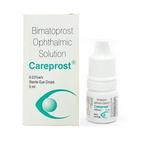
These drops gained immense popularity, demonstrating an incredibly fast and always noticeable result since its application. This innovative means will allow you to give your eyelashes an ideal look, strength and health, in whatever serious condition they are before the moment of its application. It is safe and effective providing amazing results.
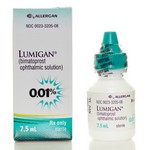
This means is prescribed to reduce eye pressure. Its active ingredient is synthetic prostaglandin bimatoprost – an unsaturated fatty acid, similar in its properties to hormones. Getting into the eye, drops help maintain the balance of the flow and outflow of eye fluid. It is a violation of this balance that leads to an increase in pressure, due to which the blood supply to the eye is impaired and the load on the optic nerve increases.

Bimatoprost reduces IOP in humans by increasing the outflow of aqueous humor through the trabecular meshwork and uveoscleral outflow. IOP reduction begins about 4 hours after the first use. The maximum effect is achieved after about 8–12 hours. The effect lasts for at least 24 hours.
Types of Preservative-Free Eye Drops:
Preservative-free eye drops offer a safer and more comfortable option for individuals seeking relief from common eye problems. These eye drops are formulated without the use of traditional preservatives, such as benzalkonium chloride, which have been associated with potential side effects including irritation and allergic reactions. There are several types of preservative-free eye drops available in the market, each with their own pros and cons:
1. Single-Use Vials:
Single-use vials are individual containers that hold a single dose of the eye drop solution. These vials are convenient to use as they do not require any additional storage or maintenance. Once the eye drops are used, the vial can be discarded, minimizing the risk of contamination or bacterial growth. Additionally, single-use vials do not contain preservatives, reducing the chances of irritation or allergic reactions. This makes them particularly suitable for individuals with sensitive eyes or those who are prone to allergies. However, the downside of single-use vials is that they can be more expensive compared to other options, especially for individuals who require frequent or long-term use of eye drops.
2. Multidose Bottles:
Multidose bottles are larger containers that typically contain multiple doses of the eye drop solution. These bottles often come with a built-in dispenser or dropper for easy application. While multidose bottles can be more cost-effective for individuals who require frequent eye drops, they do come with a higher risk of contamination. As the solution is exposed to air each time the bottle is opened, bacteria or other contaminants may enter and multiply, potentially causing an eye infection. It is crucial to follow proper hygiene practices and avoid touching the tip of the bottle to minimize the risk of contamination. Multidose bottles are a suitable option for individuals who need long-term use of eye drops and can adhere to proper storage and usage instructions.
It is important to note: While preservative-free eye drops offer several advantages, it is always recommended to consult with an eye care professional before selecting a specific type of eye drop. They can provide personalized recommendations based on an individual’s eye health, specific condition, and lifestyle factors.
The Benefits and Limitations of Homeopathic Eye Drops
Homeopathic eye drops have become increasingly popular among individuals seeking alternative remedies for various eye conditions. These eye drops are formulated using natural ingredients and follow the principles of homeopathy, a holistic approach to healthcare that emphasizes the body’s ability to heal itself. While many people have found relief using homeopathic eye drops, it is important to understand their benefits and limitations before incorporating them into your eye care routine.
Benefits of Homeopathic Eye Drops
1. Natural Ingredients: One of the main advantages of homeopathic eye drops is that they are made from natural substances. These ingredients are derived from plants, minerals, or animals and are believed to stimulate the body’s healing response. This can be especially appealing to individuals who prefer natural remedies and want to avoid potential side effects associated with traditional medications.
2. Gentle and Non-Toxic: Unlike some traditional eye drops that may contain preservatives or harsh chemicals, homeopathic eye drops are typically free from these additives. This makes them a gentle and non-toxic option for individuals with sensitive eyes or those who have experienced irritation from traditional eye drops.
3. Potential Holistic Benefits: Homeopathy is based on the principle of treating the whole person, not just the symptoms. Therefore, homeopathic eye drops may be beneficial for individuals looking for a comprehensive approach to eye health. By addressing the underlying causes of their eye condition, individuals may experience long-term improvement rather than just temporary relief.
Limitations of Homeopathic Eye Drops
1. Limited Research: While some individuals have reported positive experiences with homeopathic eye drops, it is important to note that there is limited scientific research to support their efficacy. The lack of rigorous clinical trials makes it challenging to determine their true effectiveness for specific eye conditions.
2. Individual Variation: Homeopathy takes into account the individual’s unique symptoms and constitution, which means that the same homeopathic eye drops may not work for everyone. Finding the right homeopathic remedy can be a trial-and-error process, and it is recommended to consult with a qualified homeopath or healthcare professional for personalized guidance.
3. Severity of Eye Conditions: Homeopathic eye drops may be more suitable for mild to moderate eye conditions. If you have a severe or chronic eye condition, it is important to seek professional medical advice. Homeopathic remedies should be used as a complementary treatment alongside conventional medical care.
4. Sourcing and Quality Control: As with any natural product, the quality and sourcing of the ingredients used in homeopathic eye drops can vary. It is essential to choose reputable brands that follow Good Manufacturing Practices (GMP) and have stringent quality control processes in place to ensure the safety and efficacy of their products.
In conclusion, homeopathic eye drops offer a natural and gentle alternative for individuals seeking holistic approaches to eye care. While they have their benefits, it is important to consider their limitations and consult with a healthcare professional to determine the most appropriate treatment plan for your specific eye condition.
Controversial Cases Involving Eye Drops
While eye drops are generally considered safe when used as directed, there have been several cases where these products have been misused or used maliciously. These cases highlight the importance of using eye drops responsibly and seeking medical advice when necessary.
The Visine Poisoning Case
One infamous case involving eye drops is the Visine poisoning case. In 1986, a woman named Lana Clayton used Visine eye drops to poison her husband. She spiked his drinks with eye drops containing tetrahydrozoline, a chemical found in Visine that constricts blood vessels. Over time, her husband developed symptoms such as nausea, vomiting, and blood pressure irregularities, which eventually led to his death.
This case serves as a chilling reminder of the potential harm that can result from misusing eye drops or using them for unintended purposes. It is crucial to remember that eye drops should only be used for their intended purpose and under the guidance of a healthcare professional.
Other Cases of Eye Drop Misuse
While the Visine poisoning case may be an extreme example, there have been other instances of eye drop misuse or abuse. Some people, for example, have used eye drops to fake symptoms of illness or drug intoxication. Others have misused eye drops to get a quick high or to intoxicate someone else. The misuse of eye drops in these cases can have serious consequences and should not be taken lightly.
It is important to recognize that these cases are rare and do not reflect the normal use of eye drops for legitimate purposes. However, they highlight the need for caution and responsibility when using any medication, including eye drops.
If you suspect that someone may be misusing or abusing eye drops, it is important to report your concerns to the appropriate authorities. Eye drops should only be used as directed and under the supervision of a healthcare professional.
For more information on the proper use of eye drops and potential risks, we recommend consulting reputable sources such as the American Academy of Ophthalmology https://www.aao.org/eye-health/drugs/how-to-use-eye-drops and the U.S. Food and Drug Administration https://www.fda.gov/drugs/drug-safety-and-availability/questions-and-answers-eye-drops.
Conclusion
In conclusion, it is crucial to prioritize our eye health by using appropriate eye drop products. Traditional eye drops, while effective in treating various eye problems, may contain preservatives that can cause irritation and allergic reactions for some individuals. This has led to the increased popularity of preservative-free eye drops, which offer a safer and gentler alternative.
By opting for preservative-free eye drops, individuals can reduce the risk of adverse reactions and enjoy the benefits of a gentle and soothing solution for their eyes. These eye drops come in different forms, such as single-use vials and multidose bottles, catering to the specific needs and preferences of users. It is essential to carefully follow the instructions provided and consult with eye care professionals to determine the most suitable option for individual needs.
It is also worth mentioning that homeopathic eye drops, although gaining popularity as a natural alternative, may have limitations in treating certain eye conditions. As with any eye drop product, it is crucial to use them responsibly and in consultation with a healthcare professional.
To ensure the most accurate and reliable information about eye drop products, it is recommended to refer to authoritative sources such as reputable medical websites, ophthalmologists, and optometrists. Stay informed about the latest advancements in eye drop products and consult with healthcare professionals to make informed decisions about your eye health.
Remember that maintaining healthy eyes is essential for overall well-being, and using the right eye drop products can contribute significantly to achieving optimal eye health.