The Purpose and Benefits of Using Eye Drops
Eye drops are a commonly used form of medication that is applied directly onto the eye. They are primarily used to treat various eye conditions such as dry eyes, allergies, and pink eye.
There are several benefits of using eye drops:
- Relief from itching, redness, and irritation: Eye drops can help alleviate symptoms such as itching, redness, and irritation caused by certain eye conditions or allergies. They provide immediate relief and can help improve overall comfort.
- Lubrication: Eye drops that are specifically formulated as lubricants can help add moisture to the eyes, providing relief for dry eyes. They can help prevent your eyes from feeling dry, gritty, or sandy.
- Reduction of inflammation: Some eye drops contain anti-inflammatory properties that can help reduce inflammation in the eyes. This can be particularly useful for conditions such as conjunctivitis (pink eye) or allergic reactions.
- Protection and prevention: Certain eye drops are designed to provide protection for the eyes against potential infections or conditions. They can help prevent further damage or discomfort.
It is important to note that eye drops should be used according to the specific instructions provided by healthcare professionals or as mentioned on the product packaging. Incorrect usage or overuse of eye drops can lead to potential complications or side effects.
Common Types of Eye Drops Available in the Market
Lubricating Eye Drops
Lubricating eye drops, also known as artificial tears, are one of the most commonly used types of eye drops. These drops are used to provide relief from dry eyes, a condition that occurs when the eyes do not produce enough tears or when the tears evanorate too quickly. Lubricating eye drops help to moisturize and soothe the eyes, reducing symptoms such as itching, burning, and redness.
Some popular brands of lubricating eye drops include Refresh Tears, Systane Ultra, and Bausch + Lomb Soothe. These drops usually contain a combination of ingredients such as saline solution, hyaluronic acid, or carboxymethylcellulose (CMC) that help to mimic natural tears and provide long-lasting relief.
Antihistamine Eye Drops
Antihistamine eye drops are specifically formulated to relieve symptoms of eye allergies caused by seasonal or environmental allergens. These drops work by blocking the effects of histamine, a chemical that causes allergic reactions. Antihistamine eye drops help to alleviate symptoms such as itching, redness, and watery eyes.
Popular brands of antihistamine eye drops include Alaway, Zaditor, and Naphcon-A. They typically contain antihistamines such as ketotifen fumarate or pheniramine maleate, which provide quick relief from allergy symptoms.
Antibiotic Eye Drops
Antibiotic eye drops are prescribed to treat bacterial eye infections such as conjunctivitis (pink eye) or blepharitis. These drops contain antibiotics that help to kill bacteria, reducing the infection and relieving symptoms such as redness, swelling, and discharge.
Popular antibiotic eye drops include Tobrex, Vigamox, and Ciloxan. They usually contain antibiotics such as tobramycin, moxifloxacin, or ciprofloxacin that effectively treat bacterial infections.
Steroid Eye Drops
Steroid eye drops, also known as corticosteroid eye drops, are prescribed to reduce inflammation and relieve symptoms of various eye conditions such as uveitis or allergic conjunctivitis. These drops contain corticosteroids, which help to suppress the immune response and reduce swelling, redness, and itching.
Popular brands of steroid eye drops include Pred Forte, Lotemax, and Alrex. They typically contain corticosteroids such as prednisolone acetate or loteprednol etabonate that provide anti-inflammatory effects.
Decongestant Eye Drops
Decongestant eye drops are used to relieve eye redness caused by minor eye irritation or allergies. These drops work by constricting the blood vessels in the eye, which reduces redness and makes the eyes appear whiter.
Popular brands of decongestant eye drops include Visine, Clear Eyes, and Opcon-A. They usually contain active ingredients such as tetrahydrozoline or naphazoline that help to alleviate redness temporarily.
When using any type of eye drops, it is essential to read and follow the instructions provided by the manufacturer. If you are unsure which type of eye drops is suitable for your condition, it is best to consult with an eye care professional.
Proper Usage and Dosage of Eye Drops
Proper usage and dosage of eye drops are crucial to ensure their effectiveness and minimize the risk of complications. Here are some step-by-step instructions on how to use eye drops correctly:
- Start by washing your hands thoroughly with soap and water to prevent any potential contamination.
- If you are wearing contact lenses, remove them before using the eye drops unless otherwise instructed by your eye care professional.
- Gently tilt your head back and look up towards the ceiling.
- Using one hand, pull down the lower eyelid to create a small pocket.
- Hold the bottle of eye drops upside down with the other hand, making sure the dropper tip does not touch any surfaces.
- Squeeze the bottle gently to release one drop into the pocket formed by the lower eyelid. Be careful not to blink or squeeze too hard, as this can cause the drop to miss the eye.
- Release the lower eyelid and close your eye gently. Press lightly on the inner corner of your eye with a finger to help prevent the eye drops from draining into your tear duct.
- Keep your eye closed and gently roll your eyeball around to help distribute the eye drops evenly.
- If you need to use multiple eye drops, wait at least five minutes between each drop to allow the previous drop to be absorbed.
- Wipe away any excess eye drops that may have spilled onto your face using a clean tissue.
- Replace the cap on the eye drop bottle and store it in a cool, dry place as directed by the manufacturer.
It is important to follow the specific instructions provided by your eye care professional or the manufacturer of the eye drops. They may recommend a different technique or dosage based on your individual needs and eye condition.
The frequency of use and dosage of eye drops will also vary depending on the specific eye condition you are treating. For example, lubricating eye drops may be used as needed throughout the day for relief from dry eyes, while antibiotic eye drops may be prescribed to be used every few hours for a specific period to treat an eye infection.
Always consult with your eye care professional or read the package insert for the recommended dosage and frequency of use. Do not exceed the recommended dosage or use the eye drops for longer than instructed, as this can lead to complications.
If you have any questions or concerns about the proper usage or dosage of eye drops, it is best to consult with your eye care professional for personalized advice and guidance.

Bimat eye drops are used to treat hypotrichosis, short, weak eyelashes. Bimat increases the length, thickness and enhances the color of eyelashes. These substances are also used to lower intraocular pressure in patients with a diagnosis of glaucoma. By reducing the pressure, the risk of blindness is significantly decreased.
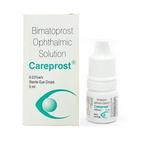
These drops gained immense popularity, demonstrating an incredibly fast and always noticeable result since its application. This innovative means will allow you to give your eyelashes an ideal look, strength and health, in whatever serious condition they are before the moment of its application. It is safe and effective providing amazing results.
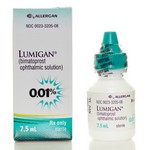
This means is prescribed to reduce eye pressure. Its active ingredient is synthetic prostaglandin bimatoprost – an unsaturated fatty acid, similar in its properties to hormones. Getting into the eye, drops help maintain the balance of the flow and outflow of eye fluid. It is a violation of this balance that leads to an increase in pressure, due to which the blood supply to the eye is impaired and the load on the optic nerve increases.

Bimatoprost reduces IOP in humans by increasing the outflow of aqueous humor through the trabecular meshwork and uveoscleral outflow. IOP reduction begins about 4 hours after the first use. The maximum effect is achieved after about 8–12 hours. The effect lasts for at least 24 hours.
Potential Side Effects of Eye Drops
When using eye drops to treat various eye conditions, it is important to be aware of the potential side effects that may occur. While not everyone will experience side effects, it is important to understand the possible risks involved in order to use the eye drops safely and effectively.
1. Stinging or Burning Sensation: Some individuals may experience a stinging or burning sensation in the eyes after administering the eye drops. This sensation is usually temporary and should subside within a few minutes. If the discomfort persists or becomes severe, it is advisable to consult a healthcare professional.
2. Blurred Vision: Temporary blurred vision may occur immediately after using certain eye drops. This is usually a normal reaction and should clear up on its own as the eye drops are absorbed and start to take effect.
3. Allergic Reactions: Some individuals may be allergic to certain ingredients in eye drops, leading to an allergic reaction. Symptoms of an allergic reaction may include redness, itching, swelling, or rash around the eyes. If you experience any of these symptoms, it is important to discontinue use and seek medical attention.
To minimize the risk of side effects when using eye drops, it is important to follow proper usage guidelines:
– Wash your hands before administering the eye drops to maintain proper hygiene.
– Tilt your head back and pull down your lower eyelid to create a small pocket.
– Place the prescribed number of drops into the pocket created by the lower eyelid, making sure the dropper does not touch your eye or eyelid.
– Close your eyes gently and press lightly on the inner corner of your eye near the nose for a minute to prevent the drops from draining into the tear duct.
If you are using multiple types of eye drops, it is important to leave a gap of at least five minutes between each application to allow proper absorption and avoid potential interactions between the drops.
It is also advisable to consult your healthcare provider or read the product packaging for specific instructions regarding the dosage and frequency of use. Different eye conditions may require different treatment durations and frequencies.
In case of any severe side effects or if the eye condition worsens despite using the eye drops, it is important to seek immediate medical attention. Your healthcare provider will be able to assess the situation and provide appropriate guidance.
Remember, it is always best to consult a healthcare professional for personalized advice and guidance regarding the use of eye drops and any potential risks or side effects.
The Purpose and Benefits of Using Ear Drops
Ear drops are a common form of medication used to treat various ear-related conditions. They are typically in liquid form and are administered directly into the ear canal. Ear drops can offer several benefits, including:
Pain Relief
One of the primary purposes of using ear drops is to provide relief from ear pain. Ear infections, swimmer’s ear, and other ear conditions can often cause discomfort and pain. Ear drops containing analgesic ingredients, such as benzocaine or lidocaine, can help numb the area and alleviate pain.
Reduction of Inflammation
Inflammation in the ear can result from various factors, including infections and allergies. Ear drops formulated with anti-inflammatory agents, such as hydrocortisone or dexamethasone, can help reduce swelling and inflammation in the ear canal, providing relief from symptoms such as itching and discomfort.
Removal of Excess Earwax
Excessive earwax buildup can cause hearing difficulties and discomfort. Ear drops specifically designed for earwax removal, known as cerumenolytic ear drops, contain ingredients that help soften and loosen the earwax, making it easier to remove. This can help improve hearing and reduce the risk of earwax impaction.
Antibacterial and Antifungal Actions
Certain ear conditions, such as external otitis or fungal ear infections, may require the use of ear drops containing antibacterial or antifungal agents. These drops work to eliminate the infection-causing bacteria or fungi in the ear, promoting healing and preventing further complications.
It’s important to note that the specific benefits of ear drops may vary depending on the ingredients and formulation. It’s essential to consult with a healthcare professional or follow the instructions provided with the ear drops to ensure safe and effective use.
Common types of ear drops available in the market
When it comes to treating ear-related conditions such as infections, wax buildup, or inflammation, there are various types of ear drops available in the market. These ear drops are formulated with specific ingredients to target the underlying issue and provide relief. Here are some common types of ear drops:
- Antibiotic drops: These ear drops are specifically formulated to treat bacterial ear infections. They contain antibiotics such as neomycin, polymyxin B, or ciprofloxacin, which help kill the bacteria causing the infection. Antibiotic ear drops are commonly prescribed by doctors to treat conditions like acute otitis media or chronic otitis externa.
- Anti-inflammatory drops: These ear drops are used to reduce inflammation in the ears and provide relief from pain or discomfort. They usually contain corticosteroids such as hydrocortisone or dexamethasone, which help reduce swelling and inflammation. Anti-inflammatory ear drops are often recommended for conditions like otitis media with effusion or swimmer’s ear.
- Earwax removal drops: Excessive earwax buildup can cause hearing problems or discomfort. Earwax removal drops, also known as ceruminolytic drops, are designed to soften and loosen the earwax, making it easier to remove. These drops often contain hydrogen peroxide, saline solution, or carbamide peroxide. It’s important to follow the instructions carefully when using earwax removal drops to avoid damaging the ear canal.
- Anesthetic drops: Anesthetic ear drops are used to provide temporary pain relief in cases of earaches or ear pain. They contain anesthetics such as benzocaine or lidocaine, which numb the ear and reduce pain sensations. Anesthetic drops should only be used as directed and not for an extended period of time without consulting a healthcare professional.
- Ear drops for tinnitus: Tinnitus is a condition characterized by a ringing or buzzing sound in the ears. There are ear drops available that aim to provide relief from tinnitus symptoms. These drops often contain ingredients such as ginkgo biloba extract, which is believed to improve blood flow and reduce the intensity of tinnitus sounds. However, the effectiveness of these drops may vary from person to person.
It’s important to note that the specific type of ear drops recommended will depend on the individual’s condition and the guidance of a healthcare professional. Always follow the instructions provided with the ear drops and consult a healthcare professional if you have any concerns or questions about their use.
Differences between Eye Drops and Ear Drops
Eye drops and ear drops are both used to treat specific conditions in the corresponding organs, but they are not interchangeable and should not be used interchangeably. There are several key differences between these two types of drops:
Composition and Formulation
Eye drops and ear drops have different compositions and formulations, making them suitable for their respective organs. Eye drops are designed to be used in the eyes and are specifically formulated to provide relief for eye-related conditions such as dry eyes, allergies, and pink eye. They typically contain lubricants, antihistamines, or antibiotics depending on the specific condition they are intended to treat.
On the other hand, ear drops are specifically designed for the ears and are formulated to treat ear-related conditions such as ear infections, wax buildup, or inflammation. Ear drops usually contain antibiotics, anti-inflammatories, or agents that help soften and remove earwax. They are carefully developed to be safe and effective for use in the delicate ear canal.
Methods of Administration
Eye drops and ear drops are administered using different techniques. Eye drops are most commonly administered by tilting the head back, pulling down the lower eyelid, and placing the drop directly onto the surface of the eye. This allows the drop to spread over the eye and provide relief for the specific condition being treated.
Ear drops, on the other hand, are administered by tilting the head to the side and gently pulling the outer ear to straighten the ear canal. The drop is then instilled into the ear canal, and the individual is instructed to remain in the same position for a short period to allow the medication to penetrate and alleviate the condition.
Targeted Treatment Area
Eye drops are specifically formulated to treat conditions affecting the eyes, such as dryness, allergies, or infections. They are intended to provide relief to the eyes themselves and the surrounding structures. The drops are meant to directly interact with the eye surface to alleviate symptoms such as itching, redness, or irritation.
On the other hand, ear drops are designed to treat conditions affecting the ears, such as infections, inflammation, or excessive earwax buildup. They are formulated to target the ear canal and the structures within the ear. The drops aim to reduce pain, inflammation, or remove excess earwax, providing relief and promoting proper ear health.
Caution and Safety
Eye drops and ear drops should not be used interchangeably due to the different formulations and targeted treatment areas. Using eye drops in the ears or ear drops in the eyes can lead to ineffective treatment or potentially harmful effects. It is essential to carefully follow the instructions provided with each specific type of drop and only use them as directed.
If you are unsure about the appropriate use of eye drops or ear drops, it is always advisable to consult with a healthcare professional or a pharmacist. They can provide specific guidance based on your condition and help ensure the safe and effective use of the appropriate medication.