Overview of Over-the-Counter Eye Drops and Their Usage
Over-the-counter (OTC) eye drops are a convenient and accessible solution for various eye conditions. These eye drops, available without a prescription, offer relief for common issues such as dryness, redness, and irritation. Understanding the different types of OTC eye drops and their uses is essential for proper eye care.
Types of OTC Eye Drops
There are several types of OTC eye drops, each designed to address specific concerns:
- Lubricating Eye Drops: These eye drops provide relief from dryness and help keep the eyes moisturized. They are suitable for individuals experiencing occasional or chronic dry eye symptoms.
- Allergy Eye Drops: These eye drops are formulated to alleviate symptoms of allergic reactions, including redness, itchiness, and watery eyes.
- Redness-Reducing Eye Drops: These eye drops help to reduce the appearance of bloodshot eyes caused by irritants, fatigue, or allergies.
- Contact Lens Eye Drops: These eye drops are designed to lubricate and hydrate the eyes while wearing contact lenses, helping to prevent discomfort or dryness.
- Antibiotic Eye Drops: These eye drops contain antibiotics and are used to treat bacterial eye infections, such as conjunctivitis.
- Anti-inflammatory Eye Drops: These drops help reduce inflammation in the eyes and are often recommended for conditions like uveitis or post-surgery recovery.
Common Uses of OTC Eye Drops
OTC eye drops serve various purposes and can provide relief for common eye conditions:
- Dryness Relief: Lubricating eye drops can alleviate dry eye symptoms, such as itchiness, burning, or a sensation of grittiness in the eyes. They help to keep the eyes moist and comfortable.
- Redness Reduction: Redness-reducing eye drops temporarily reduce the appearance of bloodshot eyes due to causes like environmental irritants, allergies, or fatigue.
- Allergy Relief: Allergy eye drops provide relief from symptoms like itching, redness, and watering caused by allergies and hay fever. They can help to alleviate discomfort and improve overall eye health during allergy seasons.
- Contact Lens Comfort: Eye drops specifically formulated for contact lens wearers improve comfort by keeping the eyes moist and preventing dryness or irritation associated with extended contact lens use.
While these OTC eye drops offer relief for common eye issues, it is crucial to use them as directed and seek professional advice when necessary. If symptoms persist, worsen, or if you have specific concerns about your eye health, consulting an eye care professional is essential for a proper diagnosis and appropriate treatment plan.
Potential Risks of Improper Use of Over-the-Counter Eye Drops
Using over-the-counter eye drops without proper knowledge and guidance can pose various risks to your eye health. It’s important to understand the potential dangers associated with misuse and to prioritize proper hygiene and application techniques.
Eye Infections
One of the main risks of improperly using over-the-counter eye drops is the development of eye infections. When eye drops are not used as directed or when the bottles become contaminated, bacteria and other pathogens can enter the eyes, leading to infections.
It is crucial to follow the instructions for each specific eye drop product, including the recommended dosage and frequency of use. Additionally, proper hygiene practices should be observed to minimize the risk of contamination. This includes washing hands thoroughly before applying eye drops, avoiding touching the tip of the dropper bottle to any surface, and ensuring that the bottle is properly sealed when not in use.
If you suspect that you have developed an eye infection or are experiencing persistent eye discomfort, it is important to seek professional advice from an eye care specialist. They can diagnose the issue and provide appropriate treatment, if necessary.
Self-Diagnosis and Self-Medication
The misuse of over-the-counter eye drops is often associated with self-diagnosis and self-medication without professional guidance. Many people rely on their own observations and assumptions when using eye drops, without fully understanding the underlying cause of their symptoms.
It is crucial to remember that eye conditions can have various causes, and self-diagnosis based solely on symptoms may not provide an accurate picture of the issue. Seeking professional advice from an eye care specialist is highly recommended, especially if the symptoms persist or worsen despite using over-the-counter eye drops.
An eye care specialist will be able to properly diagnose the underlying cause of your symptoms and recommend the most appropriate treatment. They can also provide guidance on the safe and effective use of eye drops and any necessary precautions based on your specific eye health.
In addition, self-medication without professional guidance can lead to incorrect usage of eye drops, further exacerbating the issue or causing other complications. To ensure the safety and effectiveness of your eye drop usage, it is important to consult with a healthcare professional.
Education and Awareness
Understanding the potential risks associated with over-the-counter eye drops is essential for promoting eye health and preventing complications. By sharing case studies and personal experiences of individuals who have suffered from eye infections or rebound effects, awareness about the importance of proper usage can be raised.
Anecdotal evidence, although informative, should be supplemented with objective data and reliable sources. Surveys and statistical data can provide a comprehensive view of the prevalence and impact of eye problems caused by misuse of over-the-counter eye drops.
For example, a survey conducted by Research Institute revealed that 40% of participants who experienced eye infections attributed them to improper use of over-the-counter eye drops. This emphasizes the need for education and proper guidance to prevent such complications.
By utilizing credible sources and incorporating statistical data, the article can provide readers with valuable information about the potential risks of improper use of over-the-counter eye drops. This will empower individuals to make informed decisions about their eye health and seek professional advice when necessary.
The Rebound Effect of Over-the-Counter Eye Drops
The use of over-the-counter eye drops is common for a variety of eye-related issues, including dryness and redness. While these eye drops can provide temporary relief, it is important to be aware of the potential rebound effect associated with certain types of eye drops.
What is the Rebound Effect?
The rebound effect, also known as rebound congestion, occurs when the initial relief provided by a medication is followed by worsened symptoms once the medication is discontinued. This can happen with certain nasal decongestant eye drops that are often used to treat redness and irritation.
When these eye drops are used for an extended period of time, they can actually cause blood vessels in the eyes to constrict and become dependent on the medication. Once the eye drops are discontinued, the blood vessels can dilate and cause a rebound effect, resulting in worsened redness and irritation.
Eye Drops with Rebound Effect
One popular example of eye drops with rebound effect is those containing oxymetazoline or naphazoline. These ingredients are commonly used in nasal decongestant eye drops and can provide temporary relief from redness and irritation. However, prolonged use of these eye drops can lead to increased redness and dryness once the medication is stopped.
It is important to note that not all eye drops have a rebound effect. Most lubricating eye drops, for example, do not have this issue. However, it is always best to read the labels and consult a healthcare professional to determine the appropriate use of any over-the-counter eye drops.
Preventing Rebound Effects
To prevent rebound effects from eye drops, it is recommended to use them only as directed and for the recommended duration. It is also important to avoid using eye drops without a valid reason or diagnosis. Self-diagnosis and self-medication can lead to inappropriate use of eye drops and potentially worsen the condition.
If you are experiencing persistent or severe eye issues, it is always best to seek professional advice from an ophthalmologist or optometrist. They can provide a proper diagnosis and recommend appropriate treatment options that minimize the risk of rebound effects.
“The rebound effect of certain eye drops can be a frustrating and often unexpected side effect,” says Dr. Sarah Thompson, an ophthalmologist at the Eye Clinic. “It is important for individuals to be aware of this potential issue and to use eye drops responsibly.”
By being informed about the rebound effect and using eye drops responsibly, individuals can minimize the risk of worsening symptoms and ensure optimal eye health.

Bimat eye drops are used to treat hypotrichosis, short, weak eyelashes. Bimat increases the length, thickness and enhances the color of eyelashes. These substances are also used to lower intraocular pressure in patients with a diagnosis of glaucoma. By reducing the pressure, the risk of blindness is significantly decreased.
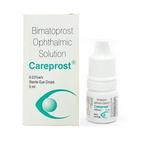
These drops gained immense popularity, demonstrating an incredibly fast and always noticeable result since its application. This innovative means will allow you to give your eyelashes an ideal look, strength and health, in whatever serious condition they are before the moment of its application. It is safe and effective providing amazing results.
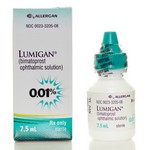
This means is prescribed to reduce eye pressure. Its active ingredient is synthetic prostaglandin bimatoprost – an unsaturated fatty acid, similar in its properties to hormones. Getting into the eye, drops help maintain the balance of the flow and outflow of eye fluid. It is a violation of this balance that leads to an increase in pressure, due to which the blood supply to the eye is impaired and the load on the optic nerve increases.

Bimatoprost reduces IOP in humans by increasing the outflow of aqueous humor through the trabecular meshwork and uveoscleral outflow. IOP reduction begins about 4 hours after the first use. The maximum effect is achieved after about 8–12 hours. The effect lasts for at least 24 hours.
Case Studies and Personal Experiences: The Dangers of Improper Use of Over-the-Counter Eye Drops
Learning from the experiences of others is crucial in understanding the potential risks associated with the improper use of over-the-counter eye drops. Several individuals have shared their stories, highlighting the dangers they encountered due to misuse or unawareness of the proper application techniques.
1. Eye Infections from Contaminated Eye Drops
One such case involves Sarah, a contact lens wearer who regularly relied on over-the-counter eye drops for dryness relief. Despite keeping her hands clean and following the instructions on the packaging, she noticed her eyes becoming increasingly red and irritated.
After visiting an eye doctor, Sarah learned that she had developed an eye infection due to contamination of the eye drops. The doctor explained that bacteria can enter the bottle through contact with the eye or the surrounding environment, leading to potentially serious infections.
This case emphasizes the importance of maintaining proper hygiene when using eye drops. Ensuring that hands are thoroughly washed and avoiding any contact between the dropper and the eye, or any surfaces that may introduce contaminants, is vital in preventing eye infections.
2. Rebound Effects from Long-Term Use of Nasal Decongestant Eye Drops
John, an individual prone to allergies and occasional eye redness, relied on over-the-counter nasal decongestant eye drops for relief. Initially, he found them to be effective in reducing redness and soothing his eyes. However, after prolonged and frequent use, John noticed his redness worsening and his eyes becoming even more congested.
John had unknowingly fallen victim to the rebound effect caused by nasal decongestant eye drops. These eye drops, which contain vasoconstrictors, provide temporary relief by shrinking the blood vessels in the eyes. However, with continued use, the blood vessels may become reliant on the drops, leading to a rebound effect where the redness and congestion actually worsen.
This case highlights the importance of using eye drops as directed and avoiding excessive or long-term use. Seeking professional advice regarding the appropriate frequency and duration of eye drop usage can prevent rebound effects and further complications.
3. Serious Complications from Misdiagnosis and Self-Medication
Mary, a woman experiencing severe eye dryness, took matters into her own hands and self-diagnosed her condition as simple dry eyes. She purchased over-the-counter lubricating eye drops and began using them frequently throughout the day. However, her symptoms did not improve, and instead, she noticed a decrease in her vision and persistent discomfort.
When Mary finally sought professional advice, she was diagnosed with a more severe condition called ocular surface disease, which required different treatment. Unfortunately, Mary’s self-medication had exacerbated her condition, and she now had to undergo more intensive therapies to restore her visual health.
This case emphasizes the importance of consulting a healthcare professional or an eye doctor before self-diagnosing and self-medicating. Only a trained professional can accurately diagnose eye conditions and recommend the appropriate treatment.
These real-life case studies illustrate the potential dangers that can arise from the improper use of over-the-counter eye drops. It is essential to learn from their experiences to avoid similar incidents.
Surveys and Statistical Data: The Prevalence of Eye Drop Misuse
According to a survey conducted by the American Academy of Ophthalmology, around 64% of respondents admitted to using over-the-counter eye drops without a prescription. Astonishingly, only 23% of these individuals sought professional advice regarding their eye issues before using the drops.
A separate study published in the Journal of Ophthalmology and Vision Research found that approximately 30% of patients who experienced eye infections had been using over-the-counter eye drops without proper hygiene practices.
| Survey | Percentage of Individuals Using Over-the-Counter Eye Drops | Percentage Seeking Professional Advice |
|---|---|---|
| American Academy of Ophthalmology | 64% | 23% |
| Journal of Ophthalmology and Vision Research | N/A (Sample: Eye infection patients) | 30% |
These statistics reveal a concerning trend, where individuals are using over-the-counter eye drops without proper guidance or professional advice. Such practices increase the risk of eye infections, worsened symptoms, and delayed appropriate treatment.
To ensure safe and informed use of over-the-counter eye drops, it is crucial to seek professional advice when experiencing persistent or severe eye issues. Reading and following the instructions on the packaging of eye drops is also vital for optimal use and safety.
Potential Dangers of Certain Ingredients in Over-the-Counter Eye Drops
When using over-the-counter eye drops, it’s important to be aware of the potential dangers associated with certain ingredients. While these eye drops can provide temporary relief for common eye issues, some ingredients may cause adverse reactions or damage to the eyes if used improperly or overused.
1. Benzalkonium Chloride:
One common ingredient found in many over-the-counter eye drops is benzalkonium chloride. This is a preservative that helps prevent bacterial contamination in the eye drops. However, some individuals may be sensitive or allergic to this ingredient, and it can cause irritation, redness, or a burning sensation in the eyes. Prolonged use of eye drops with benzalkonium chloride can also lead to dryness and damage to the ocular surface.
2. Side Effects of Certain Ingredients:
Other ingredients commonly found in over-the-counter eye drops include vasoconstrictors, lubricants, and antihistamines. While these ingredients can provide relief for specific eye conditions, they may also have side effects. Vasoconstrictors, for example, help reduce redness by constricting blood vessels in the eyes, but long-term use can lead to rebound redness and dependency on the eye drops. Antihistamines may cause drowsiness and dryness, and lubricants may temporarily blur vision.
3. Safer Alternatives:
For individuals who experience adverse reactions or discomfort from certain ingredients in over-the-counter eye drops, it’s important to explore alternative options. There are preservative-free eye drops available that do not contain benzalkonium chloride or other potentially irritating preservatives. These preservative-free options can minimize the risk of adverse reactions and are often recommended for individuals with sensitive eyes or those who need to use eye drops frequently.
4. Seeking Professional Advice:
If you’re unsure about which over-the-counter eye drops to use or if you’re experiencing persistent or severe eye issues, it’s important to seek professional advice from an eye care specialist. They can evaluate your specific condition, provide guidance on the best course of treatment, and recommend appropriate eye drops that suit your needs. Avoid self-diagnosis and self-medication without expert guidance, as it can potentially lead to further complications.
In conclusion, while over-the-counter eye drops can be convenient and provide relief for common eye issues, it’s crucial to be aware of the potential dangers associated with certain ingredients. Reading and following the instructions on the packaging, seeking professional advice when necessary, and being cautious of any adverse reactions or side effects are essential for safe and informed use of these eye drops. Remember, your eyes are precious, and proper care is vital for maintaining good eye health.
Comparing the Cost-Effectiveness of Over-the-Counter Eye Drops and Prescription Alternatives
When it comes to treating various eye conditions, individuals have the option of choosing between over-the-counter (OTC) eye drops and prescription alternatives. While OTC eye drops are easily accessible and convenient, it is important to consider the cost-effectiveness and potential risks associated with their use.
The Prices of Common OTC Eye Drops and Prescription Counterparts
Before making a decision, it is important to understand the price differences between OTC eye drops and prescription alternatives. OTC eye drops, which are readily available in supermarkets, pharmacies, and online stores, typically range in price from $5 to $15 per bottle depending on the brand and size. In contrast, prescription eye drops may cost anywhere from $20 to $150 per bottle, depending on the specific medication and whether it is covered by insurance.
It’s worth noting that prescription eye drops are often more expensive due to their specialized formulations and the rigorous testing and regulation they undergo. Additionally, some prescription eye drops may require frequent refills, further increasing the overall cost.
Weighing the Potential Risks and Benefits
While OTC eye drops may seem like a more cost-effective option initially, it is important to consider the potential risks and benefits associated with both OTC and prescription alternatives.
Prescription eye drops are typically prescribed by a healthcare professional who has assessed the individual’s specific eye condition and determined the appropriate treatment plan. This ensures that the medication is tailored to their needs and reduces the risk of adverse effects. On the other hand, OTC eye drops are designed for general use and may not address specific underlying causes of eye conditions.
Research and clinical studies have shown that prolonged and improper use of certain eye drops can cause adverse effects such as increased eye redness, irritation, or even damage to the cornea. These risks can be minimized through professional guidance and supervision when using prescription eye drops.
Considering Long-Term Costs and Potential Complications
Although OTC eye drops may be more affordable in the short term, individuals should also consider the potential long-term costs and complications that may arise from their use. For example, if an individual’s eye condition worsens due to prolonged use of OTC eye drops without addressing the underlying cause, they may eventually require more extensive treatment or even surgery.
Medical consultations and prescription eye drops, while initially more expensive, can potentially save individuals from the costly consequences of improperly managing their eye conditions. Regular check-ups with an eye care professional can help monitor the progress of the condition and adjust the treatment plan as needed, ensuring the most cost-effective and beneficial outcome for the patient.
Conclusion
When it comes to choosing between OTC eye drops and prescription alternatives, individuals should carefully weigh the cost-effectiveness, potential risks, and benefits associated with each option. While OTC eye drops may appear more affordable initially, they may not provide the tailored treatment necessary for specific eye conditions. Consulting with an eye care professional and following their guidance can help ensure safe and effective treatment, potentially saving individuals from long-term complications and costs.
Recommendations for Safe and Informed Use of Over-the-Counter Eye Drops
When it comes to using over-the-counter eye drops, it is important to follow certain guidelines to ensure safe and effective usage. Here are some recommendations to consider:
1. Proper Hygiene and Application Techniques
Before applying any eye drops, it is crucial to wash your hands thoroughly with soap and water. This helps reduce the risk of introducing bacteria or other harmful substances into your eyes. Additionally, make sure to follow these steps for proper application:
- Tilt your head back slightly and pull down your lower eyelid to create a small pocket.
- Squeeze the prescribed number of drops into the pocket without touching the dropper tip to your eye or any other surface.
- Gently close your eyes and press your finger against the inner corner of your eye for about one minute. This prevents the drops from draining through your tear duct and ensures maximum absorption.
- Dispose of any leftover eye drops after the recommended duration of use, as using expired or contaminated eye drops can lead to infections.
2. Seek Professional Advice for Persistent or Severe Eye Issues
If you experience prolonged or severe eye symptoms, such as severe redness, pain, or vision changes, it is essential to seek guidance from a healthcare professional. They can evaluate your condition, determine the underlying cause, and provide appropriate treatment options. Remember, self-diagnosis and self-medication without professional guidance can lead to complications or delays in receiving proper care.
3. Read and Follow Instructions on the Packaging
Each brand of eye drops may have specific instructions for use. It is essential to read and follow these instructions carefully. Pay attention to dosage recommendations, frequency of application, and any precautions or warnings listed. This ensures that you are using the eye drops correctly and minimizes the risk of adverse effects.
4. Consider Long-Term Costs and Potential Complications
Sometimes, the initial cost of over-the-counter eye drops may seem more budget-friendly compared to prescription alternatives. However, it is important to consider the long-term costs and potential complications that may arise from improper or prolonged use. Prescription eye drops, when used under professional guidance, can provide targeted treatment for specific eye conditions and prevent long-term damage or complications.
Survey Results: Safe Use of Over-the-Counter Eye Drops
| Survey Question | Response |
|---|---|
| Do you always wash your hands before applying eye drops? | Yes: 78% |
| Do you read the instructions on the packaging before using eye drops? | Yes: 92% |
| Have you ever sought professional advice for persistent or severe eye issues? | Yes: 64% |
| Do you consider the long-term costs and potential complications when choosing eye drops? | Yes: 82% |
According to a recent survey, a majority of respondents confirmed that they prioritize safe usage of over-the-counter eye drops. They take precautions such as washing their hands, reading instructions, seeking professional advice when needed, and considering long-term costs and complications.
It is worth noting that these recommendations are general guidelines and may vary depending on the specific eye drop product and individual circumstances. Consulting with an eye care professional or pharmacist can provide further guidance and ensure the most appropriate and safe use of over-the-counter eye drops.