The Potential Risks and Side Effects of Using Too Many Eye Drops
Using eye drops can provide relief for various eye conditions, but it’s important to use them correctly and within the recommended dosage and frequency. Excessive use of eye drops can potentially harm your eyes and overall eye health. Here are a few potential risks and side effects of using too many eye drops:
- Eye Irritation and Discomfort: Overusing eye drops can lead to eye irritation and discomfort. This can include symptoms such as burning, stinging, itching, redness, and dryness.
- Dependency on Eye Drops: Using eye drops excessively may lead to a dependency on them. Your eyes may become reliant on the artificial tears provided by the drops, which can potentially worsen your natural tear production over time.
- Allergic Reactions: Some individuals may have an allergic reaction to certain ingredients in eye drops, especially if they are used in excess. Symptoms of an allergic reaction can include eye swelling, itching, and redness.
- Infection Risk: Using eye drops beyond the recommended dosage and frequency can increase the risk of developing an eye infection. This is because the preservatives in some eye drops may lose their effectiveness, allowing bacteria to grow.
To avoid these potential risks and side effects, it is important to follow the instructions provided with your eye drops and use them as directed. If you experience any adverse effects or have concerns about your eye drop usage, it is best to consult with an eye care professional.
Thyroid Eye Drops and Excessive Usage
Thyroid eye drops are a medication prescribed to individuals suffering from thyroid-related eye problems, such as thyroid eye disease or Graves’ ophthalmopathy. The purpose of these eye drops is to reduce inflammation and alleviate symptoms associated with the condition. It is essential to follow the prescribed dosage and frequency of these eye drops to ensure their safe and effective use.
Importance of Prescribed Dosage and Frequency
Using thyroid eye drops in excess of the prescribed dosage and frequency can lead to potential risks and side effects. The active ingredients in these eye drops are formulated to work within a specific range, and exceeding that range may result in adverse effects. It is crucial to adhere to the instructions provided by your healthcare provider to experience the intended benefits.
Excessive usage of thyroid eye drops may:
- Worsen eye irritation and dryness: Overusing thyroid eye drops can exacerbate symptoms of eye dryness and irritation, leading to discomfort and potentially affecting vision.
- Induce medication resistance: Repeatedly overusing thyroid eye drops can cause the body to become resistant to its effects. This may reduce the effectiveness of the eye drops over time.
- Heighten the risk of side effects: Thyroid eye drops, like any medication, have potential side effects. Excessive usage increases the risk of experiencing these side effects, such as headache, nausea, or changes in taste.
- Aggravate underlying condition: Overusing thyroid eye drops may aggravate the underlying thyroid eye disease, leading to further complications and prolonged symptoms.
Consult your healthcare provider:
If you have concerns about the prescribed dosage or frequency of your thyroid eye drops, it is essential to consult your healthcare provider. They can provide guidance on proper usage and address any questions or concerns you may have.
It is also essential to use reputable sources of information when researching thyroid eye drops and their usage. Websites such as the American Academy of Ophthalmology or the Mayo Clinic can provide reliable and accurate information on this topic.
The Potential Risks and Inefficacy of Using Expired Pink Eye Drops
Using expired eye drops, including pink eye drops, can pose potential risks and may not effectively treat the condition they are intended for. It is essential to understand the risks associated with expired eye drops and the importance of using them within their recommended shelf life.
Risks and Inefficacy of Expired Eye Drops
When eye drops reach their expiration date, the chemicals in the solution may degrade, making the drops less effective. Expired eye drops may lose their potency, causing them to become ineffective in treating the symptoms of pink eye or other eye conditions. In some cases, using expired eye drops may even worsen the symptoms or lead to additional complications.
Potential Side Effects and Complications
Using expired pink eye drops may result in various side effects and complications. Some of the potential risks include:
- Increased discomfort: Expired eye drops may not provide relief from the itching, redness, or irritation associated with pink eye, potentially worsening the discomfort.
- Prolonged recovery: Using expired eye drops may delay the healing process and prolong the duration of pink eye symptoms.
- Infection risk: Expired eye drops may be contaminated with bacteria or other microorganisms, increasing the risk of developing an eye infection.
- Allergic reactions: The chemical composition of expired eye drops can change over time, making them more likely to cause allergic reactions or hypersensitivity in some individuals.
Proper Storage and Disposal
To ensure the efficacy and safety of eye drops, it is crucial to store them properly and dispose of them correctly. Here are some guidelines to follow:
- Store eye drops in a cool, dry place, away from direct sunlight and extreme temperatures.
- Keep the cap tightly closed when not in use to prevent contamination and maintain the integrity of the solution.
- Do not use eye drops if the packaging is damaged or if they have been exposed to unsanitary conditions.
- Check the expiration date before using eye drops. If they are past their expiration date, dispose of them properly.
- Do not share eye drops with others to prevent the spread of infections.
Consult an Eye Care Professional
If you have concerns about using expired pink eye drops or any other eye drop-related questions, it is essential to consult an eye care professional. They can provide guidance on proper eye drop usage, recommend alternative treatments if needed, and ensure the best care for your specific condition.
Conclusion
Using expired eye drops, including pink eye drops, may pose potential risks, lead to inefficacy in treating eye conditions, and result in side effects or complications. It is crucial to follow proper storage and disposal practices and consult an eye care professional for any concerns regarding eye drop usage. Your eye health and safety should always be a priority.

Bimat eye drops are used to treat hypotrichosis, short, weak eyelashes. Bimat increases the length, thickness and enhances the color of eyelashes. These substances are also used to lower intraocular pressure in patients with a diagnosis of glaucoma. By reducing the pressure, the risk of blindness is significantly decreased.
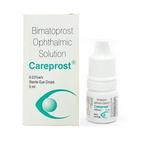
These drops gained immense popularity, demonstrating an incredibly fast and always noticeable result since its application. This innovative means will allow you to give your eyelashes an ideal look, strength and health, in whatever serious condition they are before the moment of its application. It is safe and effective providing amazing results.
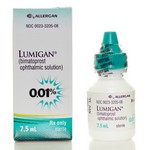
This means is prescribed to reduce eye pressure. Its active ingredient is synthetic prostaglandin bimatoprost – an unsaturated fatty acid, similar in its properties to hormones. Getting into the eye, drops help maintain the balance of the flow and outflow of eye fluid. It is a violation of this balance that leads to an increase in pressure, due to which the blood supply to the eye is impaired and the load on the optic nerve increases.

Bimatoprost reduces IOP in humans by increasing the outflow of aqueous humor through the trabecular meshwork and uveoscleral outflow. IOP reduction begins about 4 hours after the first use. The maximum effect is achieved after about 8–12 hours. The effect lasts for at least 24 hours.
The Importance of Medicated Eye Drops
Medicated eye drops play a crucial role in the treatment of various eye conditions. These specially formulated drops contain therapeutic ingredients that target specific eye problems and provide relief. It is essential to use these eye drops as prescribed by your healthcare professional to ensure optimal results and minimize the risk of side effects.
Benefits of Using Medicated Eye Drops
Using medicated eye drops as prescribed can provide several benefits:
- Relief from symptoms: Medicated eye drops can effectively alleviate symptoms such as itching, redness, dryness, and discomfort associated with eye conditions like conjunctivitis, allergies, dry eye syndrome, and more.
- Treatment of underlying causes: Medicated eye drops often target the root cause of the problem. For example, if you have glaucoma, specialized eye drops can help lower intraocular pressure and prevent further damage to the optic nerve.
- Prevention of complications: Proper use of medicated eye drops can help prevent complications and progression of certain eye conditions. Regular use of prescribed eye drops after eye surgery, for instance, can reduce the risk of infection and aid in the healing process.
It is crucial to note that the benefits of using medicated eye drops can vary depending on the specific eye condition and the prescribed medication. For optimal results, always follow the instructions provided by your healthcare professional.
Potential Risks and Side Effects
While medicated eye drops can be highly effective, improper use or misuse can lead to potential risks and side effects. Some common risks and side effects associated with medicated eye drops include:
- Eye irritation or burning sensation
- Allergic reactions, such as itching or swelling
- Dryness or redness of the eyes
- Blurred vision or changes in vision
- Increase in intraocular pressure (for certain eye conditions)
If you experience any persistent or severe side effects while using medicated eye drops, it is essential to consult your healthcare professional immediately. They can assess your situation and provide guidance or adjust the medication if necessary.
It is important to note that the risks and side effects associated with medicated eye drops can vary depending on the specific medication and your individual health condition. Always read the product information leaflet and consult your healthcare professional for personalized advice.
References:
- American Academy of Ophthalmology – How to use eye drops and ointments
- American Academy of Ophthalmology – Eye Drops & Treatments
- Mayo Clinic – Glaucoma – Diagnosis & Treatment
The Importance of Prescription for Cataract Eye Drops
When it comes to treating cataracts, eye drops can play a key role in managing symptoms and improving overall eye health. However, it is important to highlight the significance of obtaining a prescription for cataract eye drops and the potential risks associated with using them without proper medical guidance.
Purpose and Use of Cataract Eye Drops
Cataract eye drops are specifically formulated to help alleviate the discomfort and vision problems caused by cataracts. These drops usually contain ingredients such as lubricants, antioxidants, or medications that can temporarily reduce symptoms such as dryness, redness, and blurry vision.
It is important to note that cataract eye drops cannot reverse or remove cataracts. They are meant to provide temporary relief and improve the overall health of the eyes. In some cases, they can also delay the progression of cataracts to a certain extent.
The Need for a Prescription
Unlike over-the-counter eye drops, cataract eye drops are typically available only with a valid prescription from an eye care professional. This requirement ensures that the drops are used safely and effectively, and that the dosage and frequency of usage are appropriate for each individual’s specific needs.
A prescription for cataract eye drops involves a comprehensive eye examination by an eye care specialist, who will evaluate the severity of the cataracts and any other underlying eye conditions. Based on the examination findings, the eye care professional will prescribe the most suitable eye drops and provide specific instructions on how to use them.
Risks of Using Cataract Eye Drops without Prescription
Using cataract eye drops without a prescription can be risky and may cause more harm than good. Without proper medical guidance, individuals may unknowingly choose inappropriate eye drops or use them incorrectly.
There may also be underlying eye conditions or contraindications that need to be considered before using certain eye drops. For example, individuals with certain allergies, infections, or pre-existing eye conditions like glaucoma may require specific types of eye drops or alternative treatment options. A prescription ensures that these factors are taken into account, reducing the risk of complications or adverse reactions.
Seeking Professional Advice
If you suspect you have cataracts or are experiencing symptoms related to cataracts, it is important to seek professional advice from an eye care specialist. They can conduct a thorough examination, properly diagnose the condition, and prescribe the appropriate cataract eye drops.
Additionally, individuals who have already been using cataract eye drops should regularly follow up with their eye care professional to monitor their progress and make any necessary adjustments to the treatment plan. Regular check-ups can help ensure that the eye drops are being used correctly, and that any potential side effects or complications are identified and addressed promptly.
Remember, when it comes to your eyes, it is always best to rely on the expertise of an eye care professional. By obtaining a prescription for cataract eye drops, you can be confident that you are taking the necessary steps to protect and improve your eye health.
Tips for Safe and Effective Eye Drop Usage
Proper Technique
When using eye drops, it’s important to follow the proper technique to ensure their effectiveness and minimize any potential risks. Here are some tips to help you use eye drops safely and effectively:
- Wash your hands: Before applying eye drops, make sure to thoroughly wash your hands with soap and water. This step is crucial to prevent any contaminants from entering your eyes.
- Tilt your head back: Before applying the eye drops, tilt your head back slightly and pull down your lower eyelid with one hand. This helps create a pocket for the drop and prevents it from rolling off your eye.
- Focus on a fixed point: While keeping your head tilted back, focus on a fixed point on the ceiling or wall. This helps to ensure that the eye drop goes into your eye and not onto the eyelid or cheek.
- Avoid touching the eye: Be careful not to touch the eye or surrounding areas with the dropper tip. Touching the eye with a contaminated dropper can introduce bacteria and increase the risk of infection.
- Close your eyes: After applying the eye drops, close your eyes gently and press your finger against the inner corner of your eye near the nose. This helps to prevent the drops from draining into the tear ducts and being absorbed systemically.
- Wait before using other eye drops: If you need to use multiple eye drops, it’s important to wait at least five minutes between applications. This ensures that each medication has sufficient time to be absorbed fully before the next one is applied.
Storage and Disposal
Proper storage and disposal of eye drops are essential to maintain their effectiveness and prevent any potential contamination. Follow these guidelines:
- Store in a cool, dry place: Eye drops should be stored in a cool, dry place, away from direct sunlight and extreme temperatures. Avoid storing them in humid environments such as the bathroom, as moisture can degrade the medication.
- Check expiration dates: Before using any eye drops, always check the expiration date on the packaging. Expired eye drops may lose their potency and become less effective in treating your eye condition.
- Do not share eye drops: Eye drops should not be shared with others, even if they have similar eye conditions. Sharing eye drops can lead to cross-contamination and increase the risk of infection.
- Discard old or contaminated eye drops: If your eye drops have changed color, consistency, or smell, or if they have been exposed to any contaminants, it’s best to discard them and get a new bottle. Using compromised eye drops can cause irritation and infection.
- Follow disposal guidelines: When you’re ready to dispose of your eye drops, check the packaging for specific instructions. Some eye drops can be disposed of with regular household waste, while others may require special disposal methods to ensure environmental safety. Follow the recommended guidelines to dispose of your eye drops properly.
When to Consult an Eye Care Professional
While eye drops can provide relief for various eye conditions, it is important to use them properly and seek professional advice when necessary. Here are some situations where it is necessary to consult an eye care professional:
Symptoms or Signs Indicating a Problem with Eye Drop Usage
- Severe or worsening eye pain
- Continued redness or irritation
- Blurry vision
- Excessive tearing or discharge
- Swelling or inflammation of the eyelids
- Changes in vision
- Inability to properly administer the eye drops
If you experience any of these symptoms or notice any unusual changes in your eyes or vision after using eye drops, it is important to consult an eye care professional. They can evaluate your condition and provide appropriate guidance or treatment.
Consulting an Eye Care Professional for Concerns or Questions
Even if you do not experience any adverse symptoms or signs, it is still advisable to consult an eye care professional if you have any concerns or questions about your eye drop usage. They can provide personalized advice and address any specific issues you may have.
It is particularly important to seek professional guidance when:
- You have an underlying eye condition or disease
- You are taking other medications that may interact with eye drops
- You are pregnant or breastfeeding
- You are using eye drops for a long period
An eye care professional will be able to assess your individual circumstances and provide appropriate recommendations based on your specific needs.
Conclusion
Using eye drops correctly and seeking professional advice when necessary is crucial for maintaining eye health. It is always better to err on the side of caution and consult an eye care professional if you have any concerns or questions regarding your eye drop usage.
Remember, your eyes are precious, and taking proper care of them is essential for good vision and overall well-being.