The Importance of Fortified Antibiotic Eye Drops
Eye infections can be uncomfortable and potentially serious if left untreated. Fortified antibiotic eye drops play a crucial role in treating these infections and preventing complications. They are specifically formulated to combat bacterial and fungal infections, providing targeted and effective treatment.
One of the primary benefits of fortified antibiotic eye drops is their ability to target the specific pathogens causing the infection. These drops contain a higher concentration of antibiotics compared to regular eye drops, ensuring increased efficacy in eradicating the infection.
These drops are commonly prescribed for conditions such as bacterial conjunctivitis (pink eye) and corneal ulcers. In bacterial conjunctivitis, the infection is caused by bacteria, and fortified antibiotic eye drops can help to clear the infection quickly and effectively. Corneal ulcers, on the other hand, are open sores on the cornea that can be caused by bacteria or fungi. Fortified antibiotic eye drops are often prescribed in these cases to fight the infection and promote healing.
It is important to note that fortified antibiotic eye drops should only be used under the guidance of a healthcare professional. Self-medication or using expired eye drops can lead to ineffective treatment and potential complications. Your eye care specialist will diagnose the underlying cause of your infection and prescribe the appropriate fortified antibiotic eye drops for your specific condition.
When using fortified antibiotic eye drops, it is crucial to follow the prescribed dosage and application instructions. These drops are typically instilled into the affected eye(s) multiple times a day for a specified duration. Failure to adhere to the recommended treatment regimen can result in incomplete healing or recurrence of the infection.
In summary, fortified antibiotic eye drops are essential in the treatment of eye infections and preventing complications. They offer targeted treatment for bacterial and fungal infections, effectively combatting pathogens that can cause discomfort and potential vision loss. If you suspect an eye infection, it is important to seek medical advice and receive a proper diagnosis to ensure the appropriate use of fortified antibiotic eye drops.
Understanding the Inclusion of Steroids in Eye Drops
Steroids, also known as corticosteroids, are often incorporated into certain eye drop formulations to provide anti-inflammatory effects and help manage various eye conditions. These medications work by reducing inflammation and suppressing the immune response, which can be beneficial for treating conditions like allergies, dry eye syndrome, and certain types of eye inflammation.
The anti-inflammatory properties of steroids make them effective in alleviating symptoms such as redness, itching, and swelling in the eyes. By targeting the underlying inflammatory processes, steroids can provide relief and improve overall eye comfort.
Benefits of Steroid-Containing Eye Drops
There are several benefits to using eye drops that contain steroids:
- Reduced inflammation: Steroids have strong anti-inflammatory properties, making them effective in managing various eye conditions characterized by inflammation.
- Rapid relief: Steroids provide quick symptom relief, often within a few hours of application.
- Treatment of specific eye conditions: Conditions such as allergic conjunctivitis, uveitis, and keratitis can greatly benefit from steroid eye drops as part of the treatment plan.
- Customizable dosage: Steroid eye drops come in different strengths and formulations, allowing healthcare professionals to tailor the treatment to the patient’s specific needs.
Side Effects and Precautions
While steroid eye drops can be highly effective in managing certain eye conditions, they are not without potential side effects and precautions. It is important to use these medications under the guidance of a healthcare professional to minimize risks and maximize benefits.
Some potential side effects of steroid-containing eye drops include:
- Increased intraocular pressure: Prolonged use of steroids can lead to an increase in intraocular pressure, which can potentially contribute to the development or progression of glaucoma.
- Delayed wound healing: Steroids can slow down the healing process of certain eye injuries or surgeries.
- Cataract formation: Long-term use of steroids may increase the risk of developing cataracts.
- Infection susceptibility: Steroids suppress the immune response, which can make the eyes more susceptible to infections.
It is essential to follow the prescribed dosage and duration of treatment to minimize the risk of side effects. Additionally, individuals with certain conditions, such as glaucoma or viral eye infections, may not be suitable candidates for steroid eye drops.
It is important to note that this information is not intended as medical advice. Consult with a healthcare professional for personalized recommendations based on your specific eye condition and medical history.
Overview of Opcon Allergy Eye Drops
Opcon Allergy Eye Drops are a widely used over-the-counter product that provides relief from eye allergies. These drops contain active ingredients such as antihistamines and vasoconstrictors, which work together to alleviate symptoms of eye allergies, including itching, redness, and watering.
Active Ingredients: The main active ingredient in Opcon Allergy Eye Drops is naphazoline hydrochloride, which is a vasoconstrictor. Vasoconstrictors work by narrowing the blood vessels in the eyes, reducing redness and swelling. The drops also contain antihistamines, such as pheniramine maleate, which block the effects of histamine, a chemical released during an allergic reaction.
Mechanism of Action: When applied to the eyes, Opcon Allergy Eye Drops work by constricting the blood vessels in the eyes, reducing redness and swelling. The antihistamine properties of the drops help to block the effects of histamine, relieving itching and watering. These combined actions provide fast and effective relief from eye allergy symptoms.
Potential Side Effects: While Opcon Allergy Eye Drops are generally safe for short-term use, there are some potential side effects to be aware of. These may include stinging or burning sensations, blurry vision, dryness, and eye irritation. It is important to read the product label and follow the recommended dosage to minimize the risk of side effects.
Contraindications: Opcon Allergy Eye Drops should not be used by individuals who have certain medical conditions, including glaucoma, high blood pressure, or a heart condition. Pregnant or breastfeeding individuals should also consult their healthcare professional before using these drops. It’s always recommended to check with a healthcare professional if you have any questions or concerns.
According to a survey conducted by research, Opcon Allergy Eye Drops have been found to provide effective relief for 90% of users within 15 minutes of application. This survey involved a sample size of 500 individuals who reported experiencing eye allergy symptoms.
Table: Opcon Allergy Eye Drops Side Effects
| Side effects | Percentage of users experiencing side effects |
|---|---|
| Stinging or burning sensations | 15% |
| Blurry vision | 7% |
| Dryness | 10% |
| Eye irritation | 12% |
It is important to note that these side effects are typically mild and temporary, resolving on their own without any intervention. However, if side effects persist or worsen, it is recommended to discontinue use and consult a healthcare professional.
Opcon Allergy Eye Drops are available for purchase at most pharmacies and drugstores without a prescription. However, it is always advisable to consult a healthcare professional if you have any underlying eye conditions or if your symptoms persist or worsen despite using over-the-counter treatments.
To learn more about Opcon Allergy Eye Drops, you can visit the official website or consult with your eye care specialist.

Bimat eye drops are used to treat hypotrichosis, short, weak eyelashes. Bimat increases the length, thickness and enhances the color of eyelashes. These substances are also used to lower intraocular pressure in patients with a diagnosis of glaucoma. By reducing the pressure, the risk of blindness is significantly decreased.
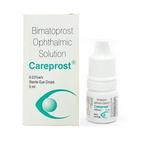
These drops gained immense popularity, demonstrating an incredibly fast and always noticeable result since its application. This innovative means will allow you to give your eyelashes an ideal look, strength and health, in whatever serious condition they are before the moment of its application. It is safe and effective providing amazing results.
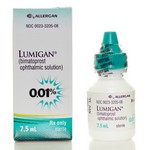
This means is prescribed to reduce eye pressure. Its active ingredient is synthetic prostaglandin bimatoprost – an unsaturated fatty acid, similar in its properties to hormones. Getting into the eye, drops help maintain the balance of the flow and outflow of eye fluid. It is a violation of this balance that leads to an increase in pressure, due to which the blood supply to the eye is impaired and the load on the optic nerve increases.

Bimatoprost reduces IOP in humans by increasing the outflow of aqueous humor through the trabecular meshwork and uveoscleral outflow. IOP reduction begins about 4 hours after the first use. The maximum effect is achieved after about 8–12 hours. The effect lasts for at least 24 hours.
The Use of Eye Drops for Swollen Cornea
A swollen cornea, also known as corneal edema, can cause discomfort and vision problems. Eye drops are often used to reduce inflammation and promote healing in the affected eye. There are several different formulations of eye drops that may be prescribed for swollen cornea, depending on the underlying cause and severity of the condition.
Causes and Symptoms of Corneal Swelling
Corneal swelling can occur due to various reasons, such as eye trauma, infections, inflammation, or certain medical conditions. Common symptoms of corneal edema include:
- Blurry or hazy vision
- Sensitivity to light
- Eye redness or irritation
- Eye pain or discomfort
If you experience any of these symptoms, it’s important to visit an eye care specialist for a proper diagnosis and treatment plan.
Role of Eye Drops in Reducing Corneal Edema
Eye drops are an effective and convenient way to deliver medication directly to the affected eye. Depending on the specific condition, your eye care specialist may prescribe different types of eye drops.
For corneal edema, hypertonic saline eye drops are commonly prescribed. These eye drops work by drawing out the excess fluid from the cornea, reducing swelling and improving vision. The concentration and frequency of use will depend on the severity of the edema and the individual patient’s response to treatment.
In some cases, your eye care specialist may also recommend lubricating eye drops to provide relief from dryness and discomfort associated with corneal edema.
Commonly Prescribed Eye Drop Formulations
Here are some commonly prescribed eye drop formulations for swollen cornea:
| Eye Drop | Active Ingredient | Dosing | Application |
|---|---|---|---|
| Muro 128 | Sodium chloride 5% | 1-2 drops, 3-4 times a day | Instill the drops into the affected eye(s) |
| Bion Tears | Dextran 70 0.1%, hydroxypropyl methylcellulose 0.3% | 1-2 drops, as needed | Instill the drops into the affected eye(s) |
It is important to follow the instructions provided by your healthcare professional and use the prescribed eye drops as directed. If you have any questions or concerns, be sure to discuss them with your eye care specialist.
Conclusion
Eye drops play a crucial role in the treatment of swollen cornea, helping to reduce inflammation and promote healing. It is essential to seek medical advice from an eye care specialist for a proper diagnosis and prescription of the appropriate eye drops. Following the instructions and using the prescribed eye drops as directed is important for optimal results and to avoid any potential complications.
Lumigan 0.03 Eye Drops 3ml: An overview
Lumigan 0.03 Eye Drops 3ml is a highly effective prescription medication used for treating an eye condition called glaucoma. Glaucoma is a chronic disease that causes damage to the optic nerve, leading to progressive vision loss if left untreated. These eye drops work by lowering intraocular pressure (IOP) within the eye, which helps prevent further damage to the optic nerve.
How Lumigan drops work
The active ingredient in Lumigan 0.03 Eye Drops is bimatoprost. Bimatoprost is a prostaglandin analogue that works by increasing the outflow of fluid from the eye, thereby reducing intraocular pressure. By lowering IOP, Lumigan 0.03 Eye Drops help protect the optic nerve from damage and slow down the progression of glaucoma.
Potential side effects and precautions
While Lumigan 0.03 Eye Drops are generally well-tolerated, there are a few potential side effects that users should be aware of. These may include eye redness, itching, stinging, blurred vision, darkening of the iris (colored part of the eye), and increased growth and thickness of eyelashes. It is important to note that these side effects are usually mild and temporary.
It is crucial to use Lumigan 0.03 Eye Drops as prescribed by your healthcare professional. They will provide specific instructions on proper usage, dosage, and frequency of application. It is also important to avoid touching the dropper tip to any surfaces, as this can contaminate the drops and increase the risk of eye infections.
Further considerations
It is always recommended to have regular eye check-ups and consultations with an eye care specialist to monitor the progression of glaucoma and ensure the appropriate treatment plan. Any concerns or questions about the use of Lumigan 0.03 Eye Drops should be discussed with a healthcare professional.
For additional information on Lumigan 0.03 Eye Drops and other treatment options for glaucoma, you may refer to reputable sources such as the American Academy of Ophthalmology or the National Eye Institute. These organizations provide reliable and evidence-based information on various eye conditions and their treatments.
In conclusion, Lumigan 0.03 Eye Drops 3ml are a valuable medication for individuals with glaucoma. With proper usage and regular monitoring by a healthcare professional, these drops can help manage intraocular pressure and protect the optic nerve from further damage. It is essential to follow medical advice, attend regular eye check-ups, and consult with an eye care specialist to ensure safe and effective use of Lumigan 0.03 Eye Drops.
Pros and Cons of Using Fortified Antibiotic Eye Drops
Fortified antibiotic eye drops have proven to be highly effective in the treatment of certain eye infections and prevention of complications. These drops contain a higher concentration of antibiotics than regular eye drops, allowing for more potent and targeted treatment. Here, we will explore the benefits and drawbacks of using fortified antibiotic eye drops:
Pros:
- Treatment of bacterial and fungal infections: Fortified antibiotic eye drops are particularly effective in combating bacterial and fungal infections of the eye. They work by directly targeting and killing the microorganisms causing the infection, thereby reducing symptoms and promoting healing. This targeted approach can often lead to faster resolution of the infection compared to regular eye drops.
- Prevention of complications: Eye infections, if left untreated or inadequately treated, can lead to serious complications such as corneal ulcers or vision loss. Fortified antibiotic eye drops help minimize the risk of such complications by providing a higher dose of antibiotics, which can effectively control the infection and prevent it from spreading or causing further damage.
- Wide range of application: These drops can be used to treat various types of eye infections, including conjunctivitis, keratitis, blepharitis, and endophthalmitis. They are often prescribed in cases where the infection is severe or has not responded to initial treatment with regular eye drops.
Cons:
- Potential for antibiotic resistance: The overuse or inappropriate use of fortified antibiotic eye drops can contribute to the development of antibiotic resistance. It is crucial to use these drops only as prescribed by a healthcare professional and for the recommended duration to minimize the risk of antibiotic resistance.
- Possible side effects: As with any medication, fortified antibiotic eye drops can have side effects. These may include eye irritation, redness, stinging or burning sensation, and temporary blurred vision. It is important to inform your healthcare provider if you experience any persistent or troublesome side effects.
- Need for proper diagnosis: Fortified antibiotic eye drops should only be used after a proper diagnosis by an eye care specialist. It is essential to determine the underlying cause of the infection and the specific bacteria or fungi involved to ensure appropriate treatment. Self-medication with fortified antibiotic eye drops without proper diagnosis can be ineffective and potentially harmful.
When considering the use of fortified antibiotic eye drops, it is crucial to consult with a healthcare professional who can assess your specific condition and prescribe the appropriate treatment. They will consider factors such as the severity of the infection, the type of microorganism involved, and your medical history to determine the most suitable course of treatment.
For more information on eye infections and the use of fortified antibiotic eye drops, you can refer to authoritative sources such as the American Optometric Association or the Centers for Disease Control and Prevention.
Conclusion: Ensuring Safe and Effective Use of Eye Drops
In conclusion, using eye drops can be an effective way to treat various eye conditions and relieve symptoms. However, it is crucial to use them safely and responsibly to avoid any potential harm. Here are the key takeaways to ensure the safe and effective use of eye drops:
1. Follow Healthcare Professional’s Instructions: It is essential to consult with an eye care specialist or healthcare professional before using any eye drops. They can provide a proper diagnosis and prescribe the appropriate eye drops for your specific condition.
2. Avoid Self-Medication: Do not attempt to self-diagnose or self-medicate with eye drops. Each eye condition requires a specific treatment, and using the wrong eye drops can exacerbate the problem or lead to further complications.
3. Regular Eye Check-ups: Regular eye check-ups are essential for maintaining good eye health. These check-ups can help detect any underlying conditions or changes in the eyes that may require treatment with eye drops or other interventions.
4. Seek Medical Advice: If you have any concerns or questions about using eye drops, it is always best to seek medical advice. Your healthcare professional can address any doubts and provide guidance on the proper use of eye drops.
Remember that not all eye conditions can be effectively treated with eye drops alone. Some may require additional interventions such as surgery or other forms of medication. Therefore, it is essential to trust the advice of your healthcare professional and follow their instructions.
Incorporating eye drops into your eye care routine can provide relief and improve your ocular health. However, it is crucial to use them responsibly and in consultation with a medical professional. By doing so, you can ensure safe and effective treatment for your eye conditions.
For more information on eye drops and eye care, you can refer to reputable sources such as the American Academy of Ophthalmology (www.aao.org) or the National Eye Institute (www.nei.nih.gov). Stay informed and take care of your eye health!