Introduction to Eye Drops: Maintaining Eye Health
Eye drops play a crucial role in maintaining eye health and addressing various eye conditions. These topical medications are designed to deliver specific formulations directly to the eyes to alleviate symptoms and promote healing. Whether you have dry eyes, allergies, or an eye infection, eye drops can provide relief and support overall eye wellness.
The eyes are highly delicate organs that are constantly exposed to the external environment. They are prone to numerous conditions, including dryness, redness, itchiness, and infections. Eye drops help manage these conditions by delivering active ingredients that target specific issues.
While there are numerous eye drop formulations available, it’s important to choose the right one based on your specific eye condition. By understanding the different types of eye drops and their purposes, you can make an informed decision when selecting the most suitable product for your needs.
Here are some common types of eye drops and their uses:
- Artificial Tears: These lubricating eye drops are used to relieve dryness and irritation caused by insufficient tear production or environmental factors, such as dry air or wind.
- Allergy Eye Drops: These eye drops contain antihistamines and decongestants to alleviate itching, redness, and swelling caused by allergies.
- Antibiotic Eye Drops: These eye drops are used to treat bacterial eye infections, such as pink eye (conjunctivitis) or corneal ulcers.
- Anti-inflammatory Eye Drops: These eye drops help reduce inflammation and swelling in the eyes, often caused by conditions like uveitis or allergic reactions.
Each type of eye drop contains specific active ingredients that target the underlying cause of the eye condition. It’s important to consult with an eye care professional to determine the most suitable eye drop formulation for your particular needs.
Using the right eye drops can help alleviate discomfort, reduce symptoms, and promote overall eye health. However, it’s important to follow the instructions provided by healthcare professionals and use the eye drops as directed. Additionally, proper storage of eye drops is crucial to maintain their effectiveness and prevent contamination.
References:
- American Academy of Ophthalmology: How to Put in Eye Drops
- American Optometric Association: Controlling Eye Allergies
- Mayo Clinic: Pink Eye (Conjunctivitis) – Diagnosis and Treatment
Overview of commonly used eye drops and their ingredients
When it comes to maintaining optimal eye health, eye drops play a crucial role in providing relief from various eye conditions and keeping the eyes hydrated. There are several popular eye drops available in the market, each formulated with specific ingredients to target different issues. Let’s take a closer look at some of these commonly used eye drops and their ingredients:
Blink Contacts Eye Drops
Blink Contacts Eye Drops are specifically designed for contact lens wearers and provide lubrication and moisture to the eyes. They are formulated with a unique blend of hydrating ingredients, including electrolytes and a soothing moisturizer called OcuPure. This helps to alleviate dryness and irritation caused by contact lens wear.
Pink Eye Drops
Pink Eye Drops, also known as antibiotic eye drops, are commonly used to treat conjunctivitis, a condition characterized by redness, itching, and discharge in the eyes. These eye drops contain active ingredients such as polymyxin B sulfate and trimethoprim. These ingredients work together to eliminate bacteria and provide relief from the symptoms of pink eye.
Allergy Eye Drops
Allergy Eye Drops, as the name suggests, are used to relieve the symptoms of eye allergies, such as itching, redness, and watering. These eye drops typically contain antihistamines, which help to block the release of histamines and prevent allergic reactions in the eyes. Common ingredients in allergy eye drops include pheniramine maleate and ketotifen fumarate.
Anti-Inflammatory Eye Drops
Anti-inflammatory eye drops are prescribed to reduce inflammation and swelling in the eyes caused by conditions such as uveitis or dry eye syndrome. These eye drops may contain corticosteroids such as prednisolone acetate or nonsteroidal anti-inflammatory drugs (NSAIDs) like ketorolac tromethamine. These ingredients help to alleviate discomfort and promote healing.
Preservative-Free Eye Drops
Preservative-Free Eye Drops are specifically formulated for individuals who are sensitive to preservatives commonly found in regular eye drops. These eye drops use alternative preservative systems or are packaged in single-use vials to minimize the risk of irritation or adverse reactions. They provide relief from dryness, redness, and irritation without the potential side effects of preservatives.
It is essential to read the labels and consult with healthcare professionals before using any eye drops, as individual needs may vary. The ingredients in eye drops can determine their effectiveness and potential side effects, so it is crucial to choose the appropriate eye drop formulation for specific eye conditions.
Potential dangers of using oil-based eye drops
Using eye drops is generally safe and effective for treating various eye conditions. However, certain types of eye drops, particularly those that are oil-based, can pose potential risks and dangers, especially for contact lens users.
1. Risks for contact lens users: Oil-based eye drops can damage contact lenses, making them less effective in correcting vision and potentially causing discomfort. The oil can adhere to the lenses, leading to cloudy or blurry vision. Additionally, oil-based eye drops can interfere with the oxygen permeability of contact lenses, increasing the risk of eye infections.
2. Discomfort and irritation: Oil-based eye drops may cause discomfort, burning sensation, or stinging upon application. This is because oil-based drops tend to have a heavier consistency, making them feel thicker and potentially causing irritation.
3. Difficulty in absorption: Oil-based eye drops may not be absorbed as easily by the eyes, resulting in reduced effectiveness. As a result, the desired therapeutic effects may not be achieved, and the condition being treated may persist or worsen.
4. Poor compatibility with other eye drops: If you are using other types of eye drops in conjunction with oil-based eye drops, it is important to consult with your healthcare professional. Some eye drops may not be compatible with oil-based drops, and mixing them together may result in reduced effectiveness or undesired side effects.
To ensure safe and effective use of eye drops, it is crucial to read and follow the instructions provided by healthcare professionals or stated on the product packaging. If you experience any discomfort or adverse reactions after using eye drops, it is recommended to discontinue use and seek medical advice.
It is also worth noting that oil-based eye drops may not be suitable for everyone. Individuals with certain eye conditions or allergies may need to avoid oil-based drops and opt for alternative formulations recommended by their healthcare professional.
Remember, proper eye care is essential for maintaining optimal eye health. If you have any questions or concerns about the use of eye drops or any other aspect of eye health, it is always best to consult with a qualified healthcare professional for individualized advice and recommendations.
Sources:
– American Academy of Ophthalmology. (2021). Artificial Tears. Retrieved from https://www.aao.org/eye-health/treatments/artificial-tears
– All About Vision. (2021). Eye Drops: Options and Tips for Choosing Eye Drops. Retrieved from https://www.allaboutvision.com/conditions/eye-drops.htm

Bimat eye drops are used to treat hypotrichosis, short, weak eyelashes. Bimat increases the length, thickness and enhances the color of eyelashes. These substances are also used to lower intraocular pressure in patients with a diagnosis of glaucoma. By reducing the pressure, the risk of blindness is significantly decreased.
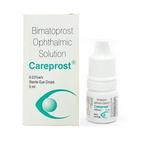
These drops gained immense popularity, demonstrating an incredibly fast and always noticeable result since its application. This innovative means will allow you to give your eyelashes an ideal look, strength and health, in whatever serious condition they are before the moment of its application. It is safe and effective providing amazing results.
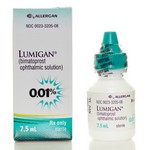
This means is prescribed to reduce eye pressure. Its active ingredient is synthetic prostaglandin bimatoprost – an unsaturated fatty acid, similar in its properties to hormones. Getting into the eye, drops help maintain the balance of the flow and outflow of eye fluid. It is a violation of this balance that leads to an increase in pressure, due to which the blood supply to the eye is impaired and the load on the optic nerve increases.

Bimatoprost reduces IOP in humans by increasing the outflow of aqueous humor through the trabecular meshwork and uveoscleral outflow. IOP reduction begins about 4 hours after the first use. The maximum effect is achieved after about 8–12 hours. The effect lasts for at least 24 hours.
Duration of Use for Various Eye Drops, Particularly for Treating Pink Eye
When it comes to using eye drops, it is important to understand the recommended duration of use, especially when treating specific eye conditions such as pink eye. Pink eye, also known as conjunctivitis, can be caused by bacteria, viruses, or allergies. Treatment often involves the use of antibiotic or antihistamine eye drops, depending on the underlying cause.
It is crucial to follow the instructions provided by your healthcare professional or eye care specialist when using eye drops for pink eye. These instructions may vary depending on the severity of the infection or the type of eye drops prescribed. Typically, pink eye drops should be used for a specific duration to ensure optimal recovery and prevent the spread of infection.
According to several studies conducted on the treatment of pink eye, the duration of eye drop use can range from a few days to two weeks, depending on the severity of the infection and the specific medication being used. For bacterial conjunctivitis, antibiotic eye drops are often prescribed, and they are typically used for 7 to 10 days. It is essential to continue using the eye drops for the entire prescribed duration, even if symptoms improve before completion. This helps to ensure that all the bacteria are eliminated and prevent the recurrence of the infection.
“According to a study published in the American Journal of Ophthalmology, antibiotic eye drops were found to be effective in reducing the duration of symptoms and preventing the spread of bacterial conjunctivitis when used for a full 7 to 10 days.”
For viral conjunctivitis, antiviral eye drops may be prescribed. The duration of use may vary depending on the specific medication, but it is typically shorter than that of bacterial conjunctivitis. Antiviral eye drops are often used for a few days to a week, depending on the severity of the infection and the individual’s response to the treatment.
It is important to note that overusing eye drops, such as exceeding the recommended duration of use, can lead to further complications and may not provide any additional benefits. Additionally, improper use, such as sharing eye drops or using them past their expiration date, can increase the risk of infection and compromise the effectiveness of the eye drops.
To ensure the best results and prevent complications, it is crucial to follow the instructions provided by your healthcare professional and adhere to the recommended duration of use for pink eye drops. If symptoms persist or worsen despite using the eye drops as directed, it is important to consult your healthcare professional for further evaluation and guidance.
References:
Eye Drops Specifically Designed for Contact Lens Wearers
For individuals who wear contact lenses, using the appropriate eye drops is essential for maintaining optimal eye health and comfort. Regular eye drops may not be suitable for contact lens wearers as they can cause discomfort or even damage to the lenses. Fortunately, there are eye drops specifically designed for contact lens wearers that provide the necessary hydration and relief.
Blink Contacts Eye Drops
Blink Contacts Eye Drops are one example of eye drops specifically formulated for contact lens wearers. These eye drops are designed to lubricate and rewet contact lenses, providing comfort and preventing dryness. They help to relieve symptoms such as itching, redness, and irritation that can result from wearing contact lenses for extended periods of time.
The main ingredient in Blink Contacts Eye Drops is sodium hyaluronate, a naturally occurring substance in the body that helps to retain moisture. This ingredient helps to enhance the natural moisture balance of the eyes, keeping them hydrated and comfortable throughout the day.
Pink Eye Drops for Contact Lens Wearers
In the unfortunate event of developing pink eye or conjunctivitis while wearing contact lenses, it is crucial to use specialized eye drops designed for contact lens wearers. Pink eye drops for contact lens wearers contain ingredients that effectively treat the infection while still being safe for use with contact lenses.
These eye drops typically contain antibacterial agents such as chloramphenicol or antibiotics like polymyxin B sulfate. They help to clear up the pink eye infection by killing the bacteria or inhibiting their growth, providing relief from symptoms such as redness, itching, and discharge.
Note:
It is important to consult with an eye care professional before using any eye drops, especially for treating pink eye. The healthcare professional can provide specific guidance on which eye drops are suitable for your condition and how long they should be used.
When using eye drops for pink eye, it is crucial to follow the recommended duration of treatment provided by the healthcare professional. This ensures that the infection is fully cleared and reduces the risk of reinfection or complications.
Using Eye Drops for Contact Lens Wearers Safely
It is essential to follow proper usage and storage instructions when using eye drops for contact lens wearers. This helps to maintain the effectiveness of the eye drops and prevents any potential discomfort or damage to the lenses.
Here are some important tips to keep in mind:
- Always wash and dry your hands thoroughly before handling your contact lenses or applying eye drops.
- Remove your contact lenses before applying eye drops.
- Wait at least 15 minutes after applying the eye drops before reinserting your contact lenses.
- Store your eye drops in a cool, dry place, away from direct sunlight.
- Replace your eye drops according to the expiration date indicated on the packaging.
By following these guidelines, contact lens wearers can ensure that the eye drops effectively provide relief while keeping their eyes healthy and comfortable.
Conclusion and Final Recommendations
Using the right eye drops specifically designed for contact lens wearers is crucial for maintaining eye health and comfort. Blink Contacts Eye Drops and pink eye drops for contact lens wearers are excellent options to consider.
However, it is essential to consult with an eye care professional to determine the most suitable eye drops for your specific needs. They can provide tailored recommendations based on your condition and ensure that you are using the drops correctly.
Remember to follow the recommended duration of treatment and proper usage and storage instructions for optimal results. By taking these steps, you can enjoy the benefits of using eye drops while wearing contact lenses without compromising your eye health.
Importance of Proper Usage and Storage of Eye Drops
Proper usage and storage of eye drops are crucial for maintaining optimal eye health. Here are some key points to keep in mind:
1. Follow Instructions:
When using eye drops, it is important to carefully read and follow the instructions provided by healthcare professionals or the product manufacturer. These instructions may vary depending on the specific eye condition being treated and the type of eye drops being used. Following the recommended dosage and application method is essential for safe and effective use.
2. Cleanliness:
Before instilling eye drops, it is important to wash your hands thoroughly to prevent any potential contamination. Additionally, avoid touching the tip of the dropper bottle to your eye or any other surface to prevent the introduction of bacteria or other foreign particles.
3. Don’t Share Eye Drops:
Eye drops should not be shared with anyone else, even if they have similar symptoms or eye conditions. Sharing eye drops can increase the risk of spreading infections or other eye-related issues.
4. Storage:
Proper storage of eye drops is essential for maintaining their effectiveness. Most eye drops should be stored in a cool, dry place, away from direct sunlight and extreme temperatures. Additionally, ensure that the cap or lid of the eye drop bottle is tightly closed to prevent contamination or evaporation of the solution.
5. Expiry Dates:
Always check the expiry date of the eye drops before use. Using eye drops that have expired can be ineffective and may even cause harm to the eyes. Discard any eye drops that have passed their expiry date and replace them with a fresh supply.
6. Avoid Contamination:
To prevent contamination, it is essential to avoid touching the tip of the eye drop bottle with your fingers, eyelashes, or any other surface. This can introduce bacteria or other harmful substances into the solution. If the eye drops become contaminated, they should be discarded and replaced.
7. Discontinue Use if Needed:
If you experience any discomfort, irritation, or unusual symptoms after using eye drops, it is important to discontinue their use and consult with a healthcare professional. They can evaluate your condition and provide appropriate guidance to address any issues or recommend alternative eye drops if necessary.
Remember, proper usage and storage of eye drops are key to maintaining good eye health. By following these guidelines, you can ensure the effectiveness and safety of your eye drops and promote the overall well-being of your eyes.
Sources:
– American Academy of Ophthalmology: https://www.aao.org/eye-health/treatments/guide-to-eye-drops
– Mayo Clinic: https://www.mayoclinic.org/diseases-conditions/dry-eyes/in-depth/eye-drops/art-20047705
Conclusion and Final Recommendations
In conclusion, eye drops play a crucial role in maintaining eye health and treating various eye conditions. They can provide relief from discomfort, reduce inflammation, lubricate the eyes, and promote healing. It is important to choose the right eye drops based on your specific needs and follow the instructions provided by healthcare professionals.
Here are some final recommendations for choosing and using eye drops for optimal eye health:
1. Consult with an eye care professional: If you are experiencing any eye discomfort or have a specific eye condition, it is essential to consult with an eye care professional before using eye drops. They can provide an accurate diagnosis and recommend the most suitable eye drops for your condition.
2. Read and follow the instructions: Eye drop packaging comes with detailed instructions on how to use them. It is important to read and follow these instructions carefully to ensure you use the eye drops correctly and safely. If you have any doubts or questions, don’t hesitate to reach out to your healthcare professional for clarification.
3. Choose the right type of eye drops: There are many different types of eye drops available on the market, each designed to address specific symptoms or conditions. For example, if you wear contact lenses, opt for eye drops specifically designed for contact lens wearers to avoid any potential discomfort or damage to your lenses. If you have allergies, there are allergy eye drops available that can help alleviate symptoms.
4. Store eye drops properly: Proper storage of eye drops is essential to maintain their effectiveness and prevent contamination. Most eye drops need to be stored in a cool, dry place and away from direct sunlight. Additionally, make sure to check the expiration date before using them.
5. Avoid sharing eye drops: Eye drops are personal use items and should not be shared with others. Sharing eye drops can lead to cross-contamination and increase the risk of infection.
6. Follow up with your healthcare professional: If you are using eye drops for a specific condition, it is important to follow up with your healthcare professional as instructed. They can monitor your progress and make any necessary adjustments to your treatment plan.
Remember, using eye drops should always be done under the guidance of a healthcare professional. They can provide you with the most accurate information and recommendations based on your individual circumstances. Your eye health is important, so don’t hesitate to seek professional advice for any concerns you may have.
For more information on eye drops, please visit:
– American Academy of Ophthalmology: https://www.aao.org/eye-health/drugs
– National Eye Institute: https://www.nei.nih.gov/learn-about-eye-health/eye-conditions-and-diseases/dry-eye/using-eye-drops-properly