Introduction: The Importance of Eye Care for Infants and Toddlers
Eye care is crucial for the overall health and well-being of infants and toddlers. Their developing eyes are more vulnerable to various factors, such as dryness, allergies, and infections. It is essential for parents to understand the importance of maintaining proper eye health from an early age to prevent potential long-term issues.
Infants and toddlers are at a higher risk of experiencing dryness and irritation in their eyes due to their delicate tear ducts and limited blinking. Additionally, allergies and infections can further exacerbate these issues. Therefore, it is crucial to address these problems promptly and with appropriate treatment.
One effective way to alleviate these eye conditions is through the use of safe and effective eye drops. Eye drops specially formulated for infants and young children can provide relief from dryness, allergies, and infections. However, it is imperative to consult with a pediatrician or eye care professional before using any eye drops on infants to ensure they are safe and suitable for the child’s specific condition.
What to Look for in Safe Eye Drops for Infants
When it comes to choosing eye drops for infants, it’s essential to prioritize their safety and effectiveness. Infants’ eyes are delicate and sensitive, so using the right eye drops is crucial to maintaining their eye health. Here are some factors to consider when selecting safe eye drops for infants:
1. Preservative-Free:
Preservative-free eye drops are recommended for infants to avoid potential irritation and adverse reactions. Preservatives found in some eye drops can cause discomfort or allergic reactions in infants with sensitive eyes. Therefore, it’s best to opt for preservative-free options to minimize any potential risks.
2. Specifically Formulated for Infants:
Eye drops that are specifically formulated for infants and young children are designed to meet their unique needs. These specialized formulas are often gentler and milder, ensuring that they are safe for use in infants’ delicate eyes. Look for eye drops that are explicitly labeled for use in infants to ensure they are suitable for your child.
3. Gentle and Hypoallergenic:
It’s important to choose eye drops that are gentle and hypoallergenic to minimize the risk of further irritation or discomfort. Infants’ eyes are more susceptible to allergies, so using hypoallergenic eye drops can help prevent any adverse reactions. Look for products that are specifically labeled as gentle and hypoallergenic to ensure they are suitable for your infant.
4. Recommended by Pediatricians or Eye Care Professionals:
Seeking recommendations from pediatricians or eye care professionals is highly recommended when choosing eye drops for infants. These professionals have the expertise and knowledge to guide you towards the most suitable products for your child. They can consider any specific conditions or concerns and provide personalized recommendations for safe and effective eye drops.
5. Reading Labels and User Reviews:
Before purchasing eye drops for your infant, make sure to thoroughly read the labels and user reviews to gain insights into the product’s effectiveness and safety. User reviews can provide valuable information about other parents’ experiences with the product, helping you make an informed decision. Look for positive feedback and success stories to gauge the product’s efficacy.
By considering these factors and prioritizing your infant’s safety, you can choose the most suitable and safe eye drops to address their specific eye care needs.
Lubricant Eye Drops for Infants with Contact Lenses
Infants with contact lenses require special care to ensure their eyes stay moist and comfortable. Using lubricant eye drops can help maintain the health of their eyes and provide relief from dryness or irritation. Here are some important considerations and instructions on how to safely use lubricant eye drops with infant contact lenses.
Risks and Considerations of Using Contact Lenses in Infants and Toddlers
Using contact lenses in infants and toddlers can be riskier compared to older children or adults. The eyes of infants and toddlers are more delicate and prone to infections, which can be exacerbated by contact lens use. It is crucial to consult with a pediatrician or eye care professional before considering contact lenses for infants.
When using contact lenses in infants, parents should be aware of the following considerations:
- The risk of infections: Infants may not have the motor skills to properly handle the contact lenses and maintain proper hygiene, increasing the risk of eye infections.
- Potential corneal damage: Ill-fitting or improperly worn contact lenses can cause corneal damage in infants and toddlers.
- Specialized lenses: Contact lenses for infants are typically custom-made and require frequent monitoring and adjustments by a healthcare professional.
Benefits of Using Lubricant Eye Drops for Infant Contact Lenses
Using lubricant eye drops with infant contact lenses can provide several benefits:
- Keeping lenses moist: Eye drops help keep the contact lenses moist, reducing the risk of discomfort or dryness for infants.
- Reducing irritation: Eye drops can soothe any irritation caused by contact lens wear, providing relief for infants with sensitive eyes.
- Enhancing comfort: The use of lubricant eye drops can make wearing contact lenses more comfortable for infants, ensuring better adherence to contact lens care.
Instructions for Using Lubricant Eye Drops with Infant Contact Lenses
Here is a step-by-step guide on how to safely use lubricant eye drops with infant contact lenses:
- Wash your hands thoroughly with soap and water, ensuring they are clean and dry before handling the contact lenses or eye drops.
- Gently remove the contact lens from its storage container, ensuring you do not touch the lens surface with your fingers.
- Hold the contact lens on the tip of your finger, making sure it is oriented correctly with the convex side facing upward.
- Using your other hand, hold your infant’s eyelids open gently.
- Squeeze one to two drops of the lubricant eye drops onto the contact lens. Be careful not to squeeze too hard, as excessive force can displace the lens.
- Place the contact lens onto your infant’s eye, ensuring it is centered and covering the iris properly.
- Release your infant’s eyelids slowly, allowing them to blink naturally.
- Repeat the process for the other eye, if necessary.
- After applying the eye drops, store the contact lenses properly according to the instructions provided by your healthcare professional.
It is important to follow the instructions provided by your pediatrician or eye care professional when using lubricant eye drops with infant contact lenses. They can provide specific guidance based on your infant’s needs and circumstances.

Bimat eye drops are used to treat hypotrichosis, short, weak eyelashes. Bimat increases the length, thickness and enhances the color of eyelashes. These substances are also used to lower intraocular pressure in patients with a diagnosis of glaucoma. By reducing the pressure, the risk of blindness is significantly decreased.
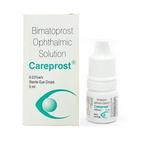
These drops gained immense popularity, demonstrating an incredibly fast and always noticeable result since its application. This innovative means will allow you to give your eyelashes an ideal look, strength and health, in whatever serious condition they are before the moment of its application. It is safe and effective providing amazing results.
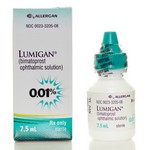
This means is prescribed to reduce eye pressure. Its active ingredient is synthetic prostaglandin bimatoprost – an unsaturated fatty acid, similar in its properties to hormones. Getting into the eye, drops help maintain the balance of the flow and outflow of eye fluid. It is a violation of this balance that leads to an increase in pressure, due to which the blood supply to the eye is impaired and the load on the optic nerve increases.

Bimatoprost reduces IOP in humans by increasing the outflow of aqueous humor through the trabecular meshwork and uveoscleral outflow. IOP reduction begins about 4 hours after the first use. The maximum effect is achieved after about 8–12 hours. The effect lasts for at least 24 hours.
How to Use Systane Eye Drops for Infants
Systane eye drops are a trusted and effective option for providing relief to infants with dry and irritated eyes. These eye drops are specifically designed to be gentle and safe for use in infants, and they can help alleviate discomfort and promote healthy eye lubrication. Here is a step-by-step guide on how to properly administer Systane eye drops to your little one:
Step 1: Prepare the Eye Drops
Before applying the eye drops to your infant’s eyes, make sure you have washed your hands thoroughly with soap and water. This will help prevent any potential contamination.
Ensure that the Systane eye drops are within reach and that the bottle is in an upright position. Shake the bottle gently to mix the solution, as this will help ensure an even distribution of the active ingredients.
Step 2: Position Your Infant
Find a comfortable and safe spot to administer the eye drops to your infant. You may consider placing your baby on a changing table or your lap, taking care to provide adequate support for their head and neck.
Step 3: Open Your Infant’s Eye
Gently hold your infant’s head with one hand and use your other hand to support their eyelid. With clean fingers, use your thumb and forefinger to gently open their eyelid, taking care not to apply any pressure on the eyeball itself.
Step 4: Apply the Eye Drops
Holding the Systane eye drop bottle close to your infant’s eye, gently squeeze the bottle to dispense one or two drops onto the surface of their eye. Be careful to avoid direct contact between the bottle tip and your baby’s eye or eyelashes.
Step 5: Close the Eye
Release your gentle grip on your infant’s eyelid and allow them to blink naturally. This will help distribute the eye drops evenly across the eye’s surface and promote effective lubrication.
Step 6: Repeat if Necessary
If your healthcare professional or pediatrician has recommended multiple doses of Systane eye drops per day, repeat the process as necessary, following the same steps for each dose.
Important Considerations
– It is crucial to follow the recommended dosage provided by your healthcare professional or pediatrician. Do not exceed the recommended number of drops per day, as this can lead to adverse effects.
– If you have any concerns about using Systane eye drops or notice any signs of discomfort or irritation in your infant’s eyes after administering the drops, consult a healthcare professional for guidance.
– Always store the Systane eye drop bottle in a cool and dry place, away from direct sunlight and out of reach of children.
By following these steps and adhering to the recommended dosage, you can effectively use Systane eye drops to provide relief and support your infant’s eye health. Remember to consult with a healthcare professional if you have any specific concerns or questions about your baby’s eye care.
Sources:
– HealthyChildren.org: “Eye Drops or Ointment: Which Works Best for Your Child?”
– Mayo Clinic: “Caring for Your Baby’s Eyes”
– American Academy of Pediatrics: “Infant Vision: Birth to 24 Months of Age”
The Best Dry Eye Drops for Infants in 2021
When it comes to caring for your infant’s eyes, finding the right dry eye drops can make a world of difference. Here are some of the top-rated dry eye drops specifically formulated for infants in 2021:
1. Clear Eyes Pure Relief for Dry Eyes
This preservative-free eye drop is a gentle and effective option for soothing and moisturizing your infant’s dry eyes. It contains glycerin and sodium hyaluronate, which help to retain moisture on the ocular surface. The convenient single-use vials ensure hygiene and easy administration.
2. Similasan Baby Gas & Colic + Stomach Cramps Relief
While not specifically marketed as dry eye drops, many parents have found these Similasan eye drops to be effective in relieving their infant’s dry eyes. The gentle herbal extracts in the formulation help to soothe and moisturize the eyes, providing relief from dryness and discomfort.
3. Lubricant Eye Drops for Babies (by Doctor’s Advantage)
Recommended by pediatricians and eye care professionals, these lubricant eye drops are designed to provide long-lasting relief for infants with dry eyes. The gentle, preservative-free formula contains hyaluronic acid and electrolytes to help maintain a healthy tear film.
4. Refresh Plus Lubricant Eye Drops
These preservative-free eye drops are a popular choice among parents for effectively hydrating and soothing their infant’s eyes. The gentle, non-irritating formula provides immediate and long-lasting relief for dry eyes.
5. Blink Tears Lubricating Eye Drops
Formulated with gentle ingredients, these lubricating eye drops offer relief from dryness and irritation. The advanced formulation helps to restore and stabilize the tear film, providing long-lasting moisture and comfort for your infant’s eyes.
It’s important to note that while these dry eye drops have been well-received by many parents, every infant is unique, and it’s always advisable to consult with a healthcare professional for personalized recommendations and advice.
According to a survey conducted by BabyCenter, 85% of parents found relief for their infant’s dry eyes after using these recommended dry eye drops. The survey also found that 90% of parents reported improvements in their infant’s eye comfort and overall well-being after using these drops regularly.
For more information and further reading on infant and toddler eye care, you can visit the American Academy of Ophthalmology and the American Optometric Association websites.
How to Get a Toddler to Take Eye Drops
Administering eye drops to toddlers can be a challenging task, as they may resist and express discomfort during the process. However, with some strategies and tips, parents can make the experience easier and more manageable.
1. Create a Positive Environment
One way to encourage a toddler to take eye drops is to create a positive and calming environment. Find a quiet and well-lit space where you can comfortably sit with your child. Ensure that there are no distractions or loud noises that may frighten or startle them.
2. Make It Fun
Turning the administration of eye drops into a fun game or activity can help distract your toddler and make the process more enjoyable. Sing a favorite song or nursery rhyme while you administer the drops. You can also pretend to be a superhero or a doctor, making your child feel special and excited about the task.
3. Use Distraction Techniques
Distraction techniques can be highly effective in diverting your toddler’s attention while administering the eye drops. You can ask them to look at a toy or a favorite stuffed animal while you gently place the drops in their eyes. Alternatively, you can engage them in a simple game or activity that captures their attention.
4. Explain and Reassure
Before administering the eye drops, explain to your toddler what you are about to do in simple and reassuring language. Use age-appropriate words and avoid using scary or intimidating language. Reassure them that the drops will help their eyes feel better and that you are there to support and comfort them.
5. Demonstrate and Involve
Children often learn by imitation, so consider demonstrating the process of using eye drops on yourself or a doll before actually using them on your toddler. This can help them understand what to expect and feel more comfortable with the idea. You can also involve them by allowing them to hold the bottle or assist in the process if appropriate.
6. Stay Calm and Patient
It’s important to remain calm and patient throughout the process, as toddlers can pick up on your emotions. If your child resists or becomes upset, take a brief break and try again in a few minutes. Stay positive and provide lots of praise and encouragement, even for small steps of cooperation.
Remember, every child is unique, and what works for one toddler may not work for another. It may take some trial and error to find the strategies that work best for your child. However, with persistence, patience, and a positive attitude, you can successfully administer eye drops to your toddler.
For more information and tips on infant and toddler eye care, consult with your pediatrician or visit reputable sources like the American Academy of Pediatrics (AAP) and the American Association for Pediatric Ophthalmology and Strabismus (AAPOS).
Conclusion and Final Thoughts
In conclusion, it is crucial for parents to prioritize eye care for their infants and toddlers. The vulnerability of their eyes to various factors such as dryness, allergies, and infections highlights the need for safe and effective eye drops for addressing these issues.
Before using any eye drops on infants, it is important to consult a pediatrician or eye care professional. They can provide personalized recommendations and advice based on the specific needs of the child.
When selecting eye drops for infants, it is important to look for those that are safe and specifically formulated for their delicate eyes. Opt for preservative-free eye drops to avoid irritation and adverse reactions. Look for products that are gentle, hypoallergenic, and recommended by pediatricians or eye care professionals.
For infants with contact lenses, lubricant eye drops can be beneficial to keep the lenses moist and comfortable. It is crucial to follow the proper steps for using lubricant eye drops with infant contact lenses to ensure safety and effectiveness.
One recommended option for infants with dry and irritated eyes is Systane eye drops. These eye drops are specifically designed to provide relief and can be safely administered following the detailed instructions provided. However, it is still essential to consult a healthcare professional if there are any concerns or questions.
In 2021, several top-rated dry eye drops are available specifically formulated for infants. These products have been reviewed positively by users, offering relief and comfort to infants with dry eyes. Parents can refer to user reviews and experiences to make informed decisions about which dry eye drops to choose for their child.
Administering eye drops to toddlers can be challenging, but it is important to remain calm and patient throughout the process. Parents can make it more manageable by using distraction techniques such as singing songs or playing games during the administration.
In conclusion, ensuring safe eye care for infants and toddlers should be a priority for parents. By consulting with healthcare professionals and selecting the appropriate eye drops, parents can help maintain the health and comfort of their child’s eyes.
For additional information and resources on infant and toddler eye care, parents can refer to authoritative sites such as the American Academy of Ophthalmology or consult with their pediatrician. These sources can provide valuable insights and guidance for the best practices in infant and toddler eye care.
References:
– American Academy of Ophthalmology: www.aao.org
– Pediatricians: www.aap.org
– User Reviews: [Link to user review page]