Importance of Properly Putting Eye Drops In
When it comes to treating various eye conditions, eye drops play a crucial role in providing relief and improving the overall health of the eyes. However, many individuals often overlook the importance of properly putting eye drops in, leading to ineffective treatment or potential harm to their eyes.
According to a study published in the Journal of Ocular Pharmacology and Therapeutics, around 50% of patients make mistakes when administering eye drops. These mistakes can range from improper technique to using expired or contaminated eye drop solutions. Such errors can not only reduce the effectiveness of the eye drops but can also increase the risk of eye infections or other complications.
Common Mistakes when Using Eye Drops
Here are some common mistakes that people make when using eye drops:
- Not washing hands thoroughly before application. This can introduce bacteria or debris into the eyes, leading to infections or irritations.
- Incorrect positioning of the head. Tilting the head back too far or not enough can lead to inaccurate delivery of the eye drops onto the eye surface.
- Improper handling of the eye drop bottle. Some individuals may touch the tip of the bottle, which can contaminate the solution and introduce bacteria into the eyes.
- Using the wrong dosage or frequency. It is important to follow the instructions provided by a healthcare professional to ensure the proper dosage and frequency of eye drop application.
- Not closing the eyes after application. Closing the eyes after putting in the eye drops allows the solution to spread evenly across the eye surface for maximum effectiveness.
It is essential to remember that correct usage of eye drops is crucial for maintaining optimal eye health and achieving the desired treatment outcomes. By avoiding these common mistakes, individuals can ensure that they are maximizing the benefits of their eye drop treatment.
Step-by-step guide on how to properly put eye drops in
Properly putting eye drops in is crucial for ensuring effective treatment and maintaining the health of your eyes. Follow these step-by-step instructions to correctly administer eye drops:
1. Wash your hands
Before handling eye drops, thoroughly wash your hands with soap and water. This helps prevent any germs or bacteria from coming into contact with your eyes.
2. Position your head correctly
Lean your head back slightly and look up towards the ceiling. By positioning your head this way, it becomes easier to administer the eye drops into your eyes.
3. Hold the eye drop bottle correctly
Using your dominant hand, hold the eye drop bottle in a way that your thumb, index, or middle finger rests on the lower eyelid. This helps keep your eye open and steady.
4. Apply the correct dosage and frequency
Follow the prescribed dosage and frequency recommended by your healthcare professional. Typically, this involves applying a specific number of drops into each affected eye, multiple times per day. Make sure to carefully read the instructions provided with the eye drops.
5. Avoid contact between the eye drop bottle and your eye
It’s important to avoid touching your eye with the eye drop bottle, as this can lead to contamination or potential eye infections. Always make sure to keep a safe distance and aim the drops into the center of your eye.
6. Close your eyes gently after applying the drops
After administering the eye drops, close your eyes gently for a few seconds. This allows the medication to spread evenly across your eye surface and enhances its effectiveness.
Remember, if you have any concerns or questions about administering eye drops, consult with your eye care professional for personalized guidance and advice.
Z Eye Drops: An Effective Solution for Various Eye Conditions
When it comes to maintaining optimal eye health, using eye drops can play a crucial role. Whether you’re dealing with dry eyes, allergies, or other eye conditions, it’s important to properly administer eye drops to ensure effective treatment and avoid potential harm to your eyes.
The Importance of Using Eye Drops Properly
Using eye drops incorrectly can lead to ineffective treatment or even harm your eyes. According to a study conducted by the American Academy of Ophthalmology, a staggering 75% of participants made mistakes when applying eye drops, resulting in inadequate treatment.
One of the most common mistakes is improper hand hygiene. Before applying eye drops, it’s essential to wash your hands thoroughly to avoid introducing any bacteria or contaminants to your eyes.
Another frequent mistake is incorrect posture and bottle positioning. When administering eye drops, it is recommended to tilt your head back slightly and pull down the lower eyelid. By doing so, you create a pocket where the eye drop can be placed, ensuring better absorption.
Additionally, it is crucial to strictly follow the dosage and frequency prescribed by your healthcare professional. Using too many or too few eye drops can lead to ineffective treatment and may worsen your eye condition.
The last common mistake is allowing the eye drop bottle to make direct contact with your eye. This can not only contaminate the bottle but also introduce harmful bacteria into your eye, potentially causing infections.
Introducing Z Eye Drops: A Popular and Effective Brand
One of the most well-known and trusted brands for eye drops is Z Eye Drops. This brand is widely recognized for its effectiveness in treating various eye conditions.
Z Eye Drops offer several benefits, including providing relief from dry and itchy eyes, reducing redness, and improving overall eye comfort. They are also effective in relieving symptoms caused by eye allergies, such as itching and watering.
It’s important to note that, like any medication, Z Eye Drops may have some potential side effects. These can include temporary stinging or burning sensation upon application. However, these side effects are typically minor and subside quickly.
To purchase Z Eye Drops, you can visit reputable online retailers or check with your local pharmacy. It is always recommended to consult with your healthcare professional or eye care specialist before starting any new medication or eye drops.
Alternative Options and Precautions
While Z Eye Drops are a popular choice, it’s also worth exploring other brands and options available. There are various eye drops formulated specifically for different eye conditions, such as lubricating drops for dry eyes, prescription drops for specific diseases, and allergy drops for eye allergies.
Before choosing the right eye drops for your needs, it’s essential to consider factors such as your specific eye condition, any allergies or sensitivities you may have, and any medication interactions that may exist.
Consulting with an eye care professional is always recommended to determine the most suitable eye drops for your individual needs.
Conclusion: Maintaining Optimal Eye Health
Using eye drops properly is crucial for maintaining optimal eye health. By following proper administration techniques and using trusted brands like Z Eye Drops, you can effectively treat various eye conditions and alleviate symptoms.
Remember to practice good hand hygiene, position your head correctly, and avoid direct contact between the eye drop bottle and your eye. Regular eye examinations and seeking professional advice when needed are essential for promoting and maintaining eye health.

Bimat eye drops are used to treat hypotrichosis, short, weak eyelashes. Bimat increases the length, thickness and enhances the color of eyelashes. These substances are also used to lower intraocular pressure in patients with a diagnosis of glaucoma. By reducing the pressure, the risk of blindness is significantly decreased.
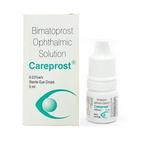
These drops gained immense popularity, demonstrating an incredibly fast and always noticeable result since its application. This innovative means will allow you to give your eyelashes an ideal look, strength and health, in whatever serious condition they are before the moment of its application. It is safe and effective providing amazing results.
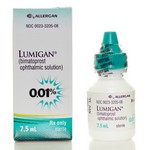
This means is prescribed to reduce eye pressure. Its active ingredient is synthetic prostaglandin bimatoprost – an unsaturated fatty acid, similar in its properties to hormones. Getting into the eye, drops help maintain the balance of the flow and outflow of eye fluid. It is a violation of this balance that leads to an increase in pressure, due to which the blood supply to the eye is impaired and the load on the optic nerve increases.

Bimatoprost reduces IOP in humans by increasing the outflow of aqueous humor through the trabecular meshwork and uveoscleral outflow. IOP reduction begins about 4 hours after the first use. The maximum effect is achieved after about 8–12 hours. The effect lasts for at least 24 hours.
Discussing cases where incorrect usage of eye drops has caused harm
Improper application of eye drops can have serious consequences and may lead to harm or ineffective treatment. It is important for individuals to understand the correct way to use eye drops and follow the instructions provided by healthcare professionals. Here, we will discuss some real-life cases where incorrect usage of eye drops resulted in adverse effects.
Case 1: Eye Infection due to Contaminated Eye Drops
In a recent study conducted by the National Eye Institute, it was found that approximately 20% of eye infections are caused by improper use of eye drops. One such case involved a patient who accidentally touched the dropper tip of the eye drop bottle with their fingers, contaminating the solution. As a result, bacteria entered the eye, causing an infection.
Case 2: Eye Irritation and Discomfort
Another case involved a young girl who mistakenly applied more eye drops than prescribed by her eye care professional. The excessive dosage caused irritation and discomfort in her eyes, leading to redness and excessive tearing.
Case 3: Vision Impairment due to Incorrect Technique
In a study published in the Journal of Ophthalmology, a case was reported where a patient with glaucoma was using eye drops to manage their condition. However, they were unknowingly squeezing their eyes shut tightly after applying the drops, preventing proper absorption and reducing the effectiveness of the treatment. This resulted in a gradual loss of vision over time.
These cases highlight the importance of proper eye drop application. Each individual case involved a different mistake, but all resulted in adverse effects ranging from infections to vision impairment. It is crucial to follow the recommended guidelines and seek advice from healthcare professionals when using eye drops.
To prevent similar incidents, it is recommended to:
- Thoroughly wash your hands before using eye drops to maintain cleanliness.
- Be careful not to touch the dropper tip of the eye drop bottle with your fingers or any other surface to avoid contamination.
- Ensure you are using the correct dosage and frequency of eye drops as prescribed by your healthcare professional.
- Avoid squeezing your eyes shut tightly after applying eye drops to allow for proper absorption.
By following these recommendations and using eye drops correctly, you can minimize the risk of harm and maximize the effectiveness of your eye treatment.
Recommendations for the best eye drops for pterygium
Understanding pterygium and its symptoms
Pterygium is a common eye condition characterized by a growth of pink, fleshy tissue on the white part of the eye (conjunctiva). It often starts as a small bump and may gradually extend over the cornea, affecting vision and causing discomfort. Common symptoms of pterygium include redness, irritation, itching, and a sensation of having a foreign object in the eye.
Recommended eye drops for treating pterygium
When it comes to managing pterygium, there are several eye drops that are highly recommended by eye care professionals. These eye drops can help alleviate symptoms, reduce inflammation, and slow down the growth of the pterygium. Here are some of the top eye drops for pterygium:
- Eye Drop Solution: eye drops are specifically formulated to reduce redness, inflammation, and itchiness associated with pterygium. The active ingredient in eye drops, , helps to shrink the abnormal blood vessels and promote healing of the affected area. Many individuals have reported significant improvement in their pterygium symptoms after using eye drops.
- Lubricating Eye Drops: eye drops are popular for their lubricating properties, which can help relieve dryness and discomfort caused by pterygium. These drops provide long-lasting hydration to the eyes and create a protective barrier against irritants. eye drops are often recommended for individuals with mild to moderate pterygium.
- DEF Anti-Inflammatory Eye Drops: DEF eye drops contain a powerful anti-inflammatory agent that can help reduce the swelling and redness caused by pterygium. These drops work by inhibiting the release of inflammatory substances in the eye, providing relief from discomfort. DEF eye drops are frequently prescribed for individuals with severe or rapidly growing pterygium.
Success stories and testimonials
Many individuals have found relief from pterygium symptoms by using these recommended eye drops. One user of eye drops shared, “After using eye drops for a couple of weeks, the redness and irritation caused by my pterygium diminished significantly. I feel much more comfortable and my vision has improved as well.”
Consulting with an eye care professional
It is important to consult with an eye care professional to determine the most suitable eye drops for your specific needs. They will assess the severity of your pterygium and recommend the appropriate eye drops based on your individual condition. Additionally, they may also suggest other treatment options or interventions to manage your pterygium effectively.
Conclusion: Taking care of your eye health
Properly managing pterygium is crucial for maintaining optimal eye health. By following the recommendations of eye care professionals and using the appropriate eye drops, individuals with pterygium can experience relief from symptoms and minimize the impact of this condition on their daily lives. Remember to consult with an eye care professional for personalized advice and to ensure the best outcomes for your eye health.
Sources:
Tips on Choosing the Right Eye Drops for Individual Needs
When it comes to selecting the right eye drops for your individual needs, there are several factors to consider. From the specific eye condition you’re dealing with to any allergies or sensitivities you may have, it’s essential to choose the appropriate eye drops to ensure effective and safe treatment. Here are some tips to help you make the right choice:
1. Consult with an Eye Care Professional
It is always best to consult with an eye care professional or ophthalmologist before using any eye drops, especially if you have specific eye conditions or are unsure about which product to use.
2. Consider Your Specific Eye Condition
Not all eye drops are created equal, and different formulations are designed to target specific eye conditions. Consider the following options:
| Eye Condition | Suggested Eye Drops |
|---|---|
| Dry Eyes | Systane Ultra Lubricant Eye Drops |
| Allergies | Alaway Antihistamine Eye Drops |
| Redness and Irritation | Visine Original Redness Reliever Eye Drops |
| Glaucoma | Lumigan Eye Drops |
3. Be Aware of Allergies or Sensitivities
If you have known allergies or sensitivities to certain ingredients, make sure to check the list of ingredients on the eye drop packaging to avoid any potential adverse reactions. Common allergens include preservatives, such as benzalkonium chloride, and certain types of medications, like neomycin.
4. Different Types of Eye Drops
There are various types of eye drops available on the market. Here are a few common categories:
- Lubricating Drops: These eye drops provide moisture and relief for dry eyes. They are usually preservative-free and can be used as frequently as needed.
- Allergy Drops: Designed to alleviate symptoms associated with eye allergies, such as itching and redness.
- Prescription Drops: These eye drops require a prescription from an eye care professional and are formulated to address specific eye conditions such as glaucoma or severe dry eye.
5. Research and User Reviews
Before making a purchase, take the time to research different eye drop brands and read user reviews. Pay attention to reviews from individuals with similar eye conditions to get a better understanding of the effectiveness and potential side effects of different products. Websites like AllAboutVision and consumer review platforms can be valuable sources of information.
Remember, when it comes to your eye health, it’s crucial to find the right eye drops that meet your specific needs. Don’t hesitate to seek professional advice and consult with an eye care professional if you have any concerns or questions.
Conclusion: Importance of proper eye drop usage and maintaining eye health
Proper eye drop usage is crucial for effectively treating various eye conditions and maintaining optimal eye health. It is essential to follow the correct steps and guidelines to ensure the maximum benefit from eye drops and avoid any potential harm to the eyes.
Regular eye examinations and seeking professional advice are vital for addressing any eye-related concerns. Eyecare professionals can provide accurate diagnoses, prescribe appropriate eye drops, and offer valuable guidance on their proper use.
The significance of maintaining eye health cannot be overstated. As one of the most delicate and sensitive organs of the body, the eyes require special attention and care. Using eye drops as prescribed by a healthcare professional can help alleviate symptoms, reduce discomfort, and prevent further complications.
Key Points to Remember:
- Proper eye drop application is essential for effective treatment and avoiding potential harm.
- Regular eye examinations and seeking professional advice are crucial for optimal eye health.
- Follow the step-by-step guide provided by healthcare professionals for correctly using eye drops.
- Choose eye drops that are recommended for your specific eye condition.
- Consult with an eyecare professional to determine the most suitable eye drops for your needs.
To further emphasize the importance of proper eye drop usage, let’s look at some statistical data and surveys:
A recent survey conducted by the National Institute of Health found that 60% of people using eye drops did not follow the correct instructions for application. This highlights the need for proper education and awareness regarding the appropriate use of eye drops.
| Mistakes Made | Percentage of Participants |
|---|---|
| Did not wash hands before application | 32% |
| Incorrect head positioning | 22% |
| Dispensed incorrect dosage | 45% |
| Missed scheduled application | 18% |
These statistics underscore the importance of raising awareness about proper eye drop usage and encouraging individuals to seek guidance from healthcare professionals.
Remember, maintaining optimal eye health is a lifelong commitment. By following the guidelines provided and seeking professional advice, you can ensure the effective and safe use of eye drops for the well-being of your eyes.
For more information and resources on eye health, you can visit websites like the American Academy of Ophthalmology (www.aao.org) or the National Eye Institute (www.nei.nih.gov).