Importance of Pet Vision Eye Drops
Pet vision eye drops play a crucial role in maintaining the overall eye health of our beloved animals. Just like humans, pets can also suffer from various eye problems, including infections, dryness, and inflammation. Using the appropriate eye drops can help prevent or alleviate these issues, promoting clear and comfortable vision for our furry friends.
Common Eye Problems Faced by Pets
Pets can experience a range of eye problems, some of which are more common than others. These include:
- Conjunctivitis: This is the inflammation of the conjunctiva, the transparent membrane covering the front surface of the eye and the inner surface of the eyelids. It can be caused by allergies, infections, or foreign particles.
- Dry Eye: Also known as keratoconjunctivitis sicca, dry eye occurs when there is a deficiency in tear production, resulting in dryness and discomfort.
- Cataracts: Cataracts are characterized by the clouding of the eye’s lens, leading to blurred vision and eventually blindness if left untreated.
- Glaucome: This condition is associated with increased intraocular pressure, which can damage the optic nerve and result in vision loss.
- Eye Infections: Bacterial, viral, or fungal infections can affect the eyes of our pets, causing redness, discharge, and discomfort.
Preventing and Alleviating Eye Problems with Eye Drops
Using pet vision eye drops can help prevent and alleviate these common eye problems. Eye drops formulated specifically for pets are designed to address the underlying causes of these conditions and provide soothing relief.
For example, pet vision eye drops can help combat infections by containing antibacterial or antiviral agents that target the specific pathogens responsible for the infection. These drops can effectively reduce redness, relieve itching, and promote healing.
In the case of dry eye, there are eye drops available that supplement the pet’s tear production, providing the necessary lubrication and moisture to keep the eyes comfortable and healthy.
In addition, some eye drops for pets contain special ingredients that can help nourish and protect the eyes. These ingredients may include antioxidants, vitamins, and minerals that support overall eye health and promote clear vision.
Administering eye drops to pets may require some patience and practice. It’s important to follow the instructions provided with the eye drops and to consult a veterinarian for proper diagnosis and recommendation. Regular use of pet vision eye drops can help maintain the health of your pet’s eyes and ensure they enjoy a lifetime of clear and comfortable vision.
Can You Take Too Many Eye Drops?
When it comes to using eye drops for pets, it’s important to follow the recommended dosage and frequency guidelines to ensure your pet’s safety and well-being. While eye drops are generally safe when used as directed, excessive use can lead to adverse effects.
One of the main concerns with using too many eye drops is the potential for overdose. Although rare, it is possible for pets to experience an overdose of certain medications, including eye drops. This can occur if too much of the medication is administered or if the pet accidentally ingests the eye drops.
Some potential side effects of overdosing on eye drops in pets include:
- Increased redness or irritation of the eyes
- Swelling of the eye or surrounding tissues
- Changes in the size of the pupils
- Abnormal behavior or lethargy
- Drooling or increased thirst
If you suspect that your pet has ingested or been exposed to excessive amounts of eye drops, it is important to seek veterinary attention immediately. The vet will be able to assess the situation and provide appropriate treatment.
To avoid the risk of overdosing on eye drops, it is crucial to carefully read and follow the instructions provided by the manufacturer. These instructions typically include the recommended dosage, frequency of use, and any additional precautions or warnings.
In addition to following the instructions, it is advised to consult with your veterinarian before using any eye drops on your pet. Your vet can provide specific guidance based on your pet’s individual needs and health conditions.
Antibacterial Eye Drops for Toddlers
When it comes to the health of your toddler’s eyes, using antibacterial eye drops can provide effective treatment for various eye infections. These specially formulated eye drops can help alleviate symptoms and promote healing, ensuring your child’s eyes stay healthy and free from discomfort.
Benefits of Antibacterial Eye Drops for Toddlers
Antibacterial eye drops offer several benefits for toddlers, including:
- Treating Eye Infections: Antibacterial eye drops are designed to combat common eye infections that toddlers may experience, such as conjunctivitis or pink eye.
- Relieving Symptoms: These eye drops can help reduce redness, itching, and irritation associated with eye infections, providing quick relief for your toddler.
- Preventing Spreading of Infection: By targeting and eliminating bacteria causing the infection, antibacterial eye drops can help prevent the infection from spreading to other areas of the eye or to other individuals.
Common Eye Infections in Toddlers
Toddlers are prone to several eye infections, which may be caused by bacteria, viruses, or allergies. Some common eye infections in toddlers include:
| Eye Infection | Symptoms |
|---|---|
| Conjunctivitis (Pink Eye) | Redness, itching, discharge, swollen eyelids |
| Stye | Tender lump on the eyelid, redness, swelling |
| Bacterial Keratitis | Eye pain, redness, discharge, sensitivity to light |
| Eye Allergies | Itchy and watery eyes, redness, swelling |
Safety and Administration of Antibacterial Eye Drops for Toddlers
While antibacterial eye drops can be an effective treatment for toddlers, it’s important to follow proper safety guidelines and administer them correctly. Here are some important considerations:
- Consult a Pediatrician: Before using any eye drops on your toddler, it is crucial to consult a pediatrician for a proper diagnosis and to determine the most appropriate treatment plan.
- Follow Instructions: Read and follow the instructions provided with the eye drops carefully. Use the recommended dosage and frequency as directed.
- Sanitize Hands and Tools: Before administering the eye drops, thoroughly wash and sanitize your hands. Use a clean dropper or applicator as recommended.
- Apply Drops Correctly: Gently tilt your toddler’s head back and gently pull down the lower eyelid to create a small pocket. Hold the dropper above the eye and squeeze the recommended number of drops into the pocket.
- Prevent Contamination: Ensure that the dropper does not touch your toddler’s eye or any other surfaces to prevent contamination. Recap the bottle tightly after use.
- Avoid Sharing: Do not share eye drops between siblings or use leftover eye drops from a previous infection.
By following these safety guidelines and administering antibacterial eye drops correctly, you can effectively treat your toddler’s eye infection and promote their eye health. Remember, it’s always best to consult a pediatrician for proper diagnosis and treatment recommendations.

Bimat eye drops are used to treat hypotrichosis, short, weak eyelashes. Bimat increases the length, thickness and enhances the color of eyelashes. These substances are also used to lower intraocular pressure in patients with a diagnosis of glaucoma. By reducing the pressure, the risk of blindness is significantly decreased.
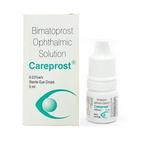
These drops gained immense popularity, demonstrating an incredibly fast and always noticeable result since its application. This innovative means will allow you to give your eyelashes an ideal look, strength and health, in whatever serious condition they are before the moment of its application. It is safe and effective providing amazing results.
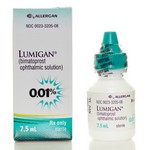
This means is prescribed to reduce eye pressure. Its active ingredient is synthetic prostaglandin bimatoprost – an unsaturated fatty acid, similar in its properties to hormones. Getting into the eye, drops help maintain the balance of the flow and outflow of eye fluid. It is a violation of this balance that leads to an increase in pressure, due to which the blood supply to the eye is impaired and the load on the optic nerve increases.

Bimatoprost reduces IOP in humans by increasing the outflow of aqueous humor through the trabecular meshwork and uveoscleral outflow. IOP reduction begins about 4 hours after the first use. The maximum effect is achieved after about 8–12 hours. The effect lasts for at least 24 hours.
Non-Steroidal Anti-Inflammatory Eye Drops
Non-steroidal anti-inflammatory eye drops are a type of medication commonly used to treat a variety of eye conditions in pets. These eye drops are formulated to reduce inflammation, relieve pain, and improve overall eye health in animals. They are a valuable tool in veterinary ophthalmology and can help alleviate symptoms and promote healing in pets with certain eye problems.
Benefits:
– Inflammation Reduction: Non-steroidal anti-inflammatory eye drops are particularly effective in reducing inflammation in the eyes of pets. Conditions such as conjunctivitis, uveitis, and keratitis can cause redness, swelling, and discomfort, and these eye drops can help alleviate these symptoms.
– Pain Relief: Pets experiencing eye conditions or injuries may be in pain. Non-steroidal anti-inflammatory eye drops can help provide relief from eye pain, making the pets more comfortable.
– Promotes Healing: By reducing inflammation and pain, these eye drops can help promote healing in the eyes of pets. They can help speed up the recovery process and improve the overall condition of the eyes.
– Safe for Long-Term Use: Non-steroidal anti-inflammatory eye drops are generally safe for long-term use in pets. They can be used for extended periods without causing harm or adverse effects.
Common Eye Conditions:
Non-steroidal anti-inflammatory eye drops can be used to treat a range of eye conditions in pets, including:
– Conjunctivitis: This is a common eye infection characterized by redness, discharge, and irritation of the conjunctiva, the thin tissue covering the front of the eye.
– Uveitis: Uveitis refers to inflammation of the uvea, the middle layer of the eye. It can cause pain, redness, and reduced vision.
– Keratitis: Keratitis is the inflammation of the cornea, the transparent front part of the eye. It can cause discomfort, discharge, and blurry vision.
– Corneal Ulcers: Corneal ulcers are open sores on the cornea, usually caused by injury or infection. Non-steroidal anti-inflammatory eye drops can help reduce inflammation and pain associated with these ulcers.
Side Effects and Precautions:
While non-steroidal anti-inflammatory eye drops are generally safe for use in pets, it is important to follow the veterinarian’s recommendations and instructions for use. Some precautions to consider include:
– Use as Directed: It is crucial to use these eye drops as directed by the veterinarian. Using more than the recommended amount or frequency can lead to adverse effects.
– Possible Side Effects: In rare cases, pets may experience side effects such as increased eye redness, irritation, or allergic reactions. If any unusual symptoms occur, it is important to consult a veterinarian.
– Veterinary Consultation: Before using non-steroidal anti-inflammatory eye drops on pets, it is essential to consult a veterinarian. They can diagnose the eye condition accurately and recommend the appropriate eye drops for the pet’s specific needs.
Overall, non-steroidal anti-inflammatory eye drops are a valuable tool in the treatment of eye conditions in pets. They help reduce inflammation, relieve pain, and promote healing in animals experiencing eye problems. To ensure the safety and effectiveness of these eye drops, it is essential to consult a veterinarian and follow their recommendations.
Uplift Eye Drops: Revitalizing Tired and Dry Eyes in Pets
When it comes to the overall eye health of our pets, it is important to provide them with the care and attention they need. One way to do this is by using uplift eye drops, which offer unique benefits for pets with tired or dry eyes.
The Benefits of Uplift Eye Drops
Uplift eye drops are specifically formulated to revitalize and rejuvenate the eyes of our furry friends. These eye drops can provide relief from symptoms such as redness, itching, and discomfort caused by tired or dry eyes. They work by hydrating the eyes and promoting tear production, resulting in improved eye comfort and clarity for our pets.
Some key benefits of using uplift eye drops for pets include:
- Relieves dryness and discomfort
- Reduces redness and itching
- Improves overall eye comfort
- Enhances eye clarity and vision
With regular use, uplift eye drops can help maintain the health and well-being of your pet’s eyes, ensuring that they can see and enjoy the world around them to the fullest.
The Ingredients and Mode of Action of Uplift Eye Drops
Uplift eye drops typically contain a combination of natural ingredients that work synergistically to soothe and nourish your pet’s eyes. These ingredients may include:
- Chamomile extract: Known for its soothing properties, chamomile extract can help reduce inflammation and irritation in the eyes.
- Cucumber extract: Cucumber extract is known for its cooling and hydrating effects, which can help alleviate dryness and refresh tired eyes.
- Aloe vera: Aloe vera is a natural moisturizer that can provide relief from dryness and promote healing in the eyes.
- Vitamin E: Vitamin E is an antioxidant that can help protect the eyes from free radicals and promote healthy eye tissue.
These ingredients work together to provide a gentle and effective solution for tired and dry eyes in pets. The eye drops are typically applied directly to the eyes, following the instructions provided by the manufacturer.
It is important to note that uplift eye drops are not a substitute for proper veterinary care. If your pet is experiencing persistent or severe eye problems, it is always recommended to consult with a veterinarian for a proper diagnosis and treatment plan.
Conclusion
The use of uplift eye drops can provide a valuable solution for pets with tired or dry eyes. By using these specially formulated eye drops, you can help revitalize and maintain your pet’s eye health, ensuring that they can see the world with clarity and comfort. Remember to always consult with a veterinarian for guidance on the best eye care practices for your beloved pet.
Choosing the Right Eye Drops for Pets
When it comes to selecting the appropriate eye drops for your furry friends, there are several factors to consider. The health and well-being of your pets’ eyes should always be a top priority, so it is crucial to choose the right eye drops that address their specific needs. Here are some tips to help you make an informed decision:
1. Consult a Veterinarian
Before purchasing any eye drops for your pets, it is essential to consult a veterinarian. They can accurately diagnose any underlying eye conditions and recommend the appropriate eye drops for treatment. A veterinarian’s expertise and guidance are invaluable in ensuring the health and safety of your pets.
2. Understand the Different Types of Eye Drops
Eye drops for pets come in various types, each designed to address specific eye conditions. Some common types of eye drops include lubricating drops, antibacterial drops, non-steroidal anti-inflammatory drops, and specialized drops for dry or tired eyes. Understanding the different types of eye drops will help you select the most suitable option for your pets.
3. Consider the Specific Indications
Each type of eye drop has specific indications for use. For example, lubricating eye drops are ideal for relieving dryness and irritation, while antibacterial drops are effective in treating eye infections. It is crucial to match the specific indications of the eye drops with the symptoms or conditions your pets are experiencing to ensure optimal effectiveness.
4. Check for Safety and Compatibility
When choosing eye drops for your pets, always check for safety and compatibility. Look for eye drops that are specifically formulated for use in animals, as human eye drops may contain ingredients that can be harmful to pets. Additionally, consider any potential allergies or sensitivities your pets may have, and opt for eye drops that are suitable for their specific needs.
5. Consider Ease of Administration
Administering eye drops to pets can be challenging, especially if they are not used to the process. Consider opting for eye drops that come with an easy-to-use applicator or a nozzle that makes it easier to dispense the drops into your pets’ eyes. This will help to ensure proper and effective administration of the eye drops.
6. Read Reviews and Seek Recommendations
Before making a final decision, read reviews and seek recommendations from other pet owners or trusted sources. Hearing about the experiences of others can provide valuable insights into the effectiveness and compatibility of different eye drops. Additionally, your veterinarian may be able to recommend specific brands or products that have been proven to be effective for similar cases.
In conclusion, selecting the right eye drops for your pets requires careful consideration. Consulting a veterinarian, understanding the different types of eye drops, considering specific indications, checking for safety and compatibility, and considering ease of administration are essential factors to consider. By following these guidelines and prioritizing your pets’ eye health, you can ensure that you are choosing the best eye drops for their specific needs.
Proper Administration of Eye Drops to Pets
Administering eye drops to pets can be a challenging task, but with proper technique and patience, it can be done effectively. Here are some step-by-step instructions to help you safely apply eye drops to your pet:
1. Prepare the Environment
Ensure that you have a quiet and calm space where you can comfortably administer the eye drops to your pet. It’s important to reduce distractions and create a soothing atmosphere to help your pet stay relaxed throughout the process.
2. Gather the Necessary Supplies
Before you begin, gather all the necessary supplies, including the eye drops, a clean towel or tissue, and treats to reward your pet after the procedure. Having everything ready beforehand will help make the process smoother.
3. Positioning
Position your pet in a comfortable and secure position. It may be helpful to have a second person hold or restrain the pet gently but firmly, if needed. Ensure that your pet’s head is stable and slightly tilted back for easier access to the eye.
4. Administering the Eye Drops
Hold the eye drop bottle or tube in one hand and gently pull down the lower eyelid with your other hand’s fingers to create a small pocket. Be careful not to touch the eye or the surrounding area with the dropper or tube. Squeeze the recommended number of eye drops into the lower eyelid pocket. Aim for the inner corner of the eye to prevent the drops from rolling off.
5. Blinking and Massaging
After administering the eye drops, gently release your pet’s eyelid and allow them to blink naturally. This helps to distribute the eye drops evenly across the eye’s surface. You can also gently massage the area around the eye to facilitate the spread of the eye drops.
6. Encourage and Reward
Once the eye drops are administered, praise and reward your pet with treats or verbal praise. This positive reinforcement helps your pet associate the experience with something positive and makes it easier for future administrations.
7. Clean and Store
Clean any excess eye drops that may have dripped onto your pet’s fur using a clean towel or tissue. Make sure to store the eye drops as directed, whether in the refrigerator or at room temperature, and keep them out of reach of children and pets.
Remember, it’s essential to follow the instructions provided by your veterinarian when administering eye drops to your pet. If you have any concerns or difficulties, don’t hesitate to consult your vet for further guidance. Applying eye drops correctly and regularly is crucial for maintaining your pet’s eye health and overall well-being.