Importance of Eye Care for Welders
Welding is a widely used process in various industries, such as construction, manufacturing, and automotive. While it is an essential technique, it also poses significant risks and hazards to the welder, particularly to their eyes. The intense light emitted during the welding process, along with the presence of sparks, infrared radiation, and harmful fumes, can lead to severe eye injuries and long-term damage if proper eye care is not ensured.
Potential Risks and Hazards
Welders are exposed to several hazards that can have detrimental effects on their eyes:
- Intense Light: The intense light produced during welding, including ultraviolet (UV) and infrared (IR) radiation, can cause burns to the sensitive tissues of the eyes, resulting in pain, redness, and even vision impairment.
- Sparks and Debris: Flying sparks, debris, and metal fragments can easily enter the eye while welding, causing eye irritation, corneal scratches, and potential infections.
- Chemical Fumes: Welding produces hazardous fumes and gases, which can irritate the eyes, leading to redness, watering, and in severe cases, chemical burns.
Statistics and Examples
Eye injuries among welders are not uncommon, highlighting the importance of proper eye care. According to a study conducted by the Occupational Safety and Health Administration (OSHA), eye injuries account for approximately 25% of all welding-related injuries. This emphasizes the need for welders to take proactive measures to protect their vision.
One specific example showcasing the severity of eye injuries in welding is a case reported by the American Academy of Ophthalmology. In this case, a welder suffered a severe burn to his cornea due to inadequate eye protection while welding, resulting in a permanent loss of vision in one eye. This incident demonstrates the irreversible consequences that can arise from neglecting eye safety.
Long-Term Effects
Not properly caring for the eyes during welding operations can have long-term effects on vision. Prolonged exposure to UV and IR radiation can lead to conditions like welder’s arc, also known as photokeratitis or “arc eye.” This condition causes symptoms like pain, redness, blurry vision, and sensitivity to light. If left untreated, it can lead to permanent vision loss.
In addition to welder’s arc, welders are also at risk of developing conditions like cataracts, which is the clouding of the eye’s lens, and macular degeneration, which causes the deterioration of the central vision. These conditions can significantly impact the quality of life for welders, making it crucial to prioritize eye care and protection.
By implementing proper safety measures, including wearing appropriate eye protection, such as welding helmets with a proper shade lens and safety goggles, welders can significantly reduce the risks and hazards associated with welding and safeguard their vision for the long term.
Introduction to Welding Eye Drops
When it comes to welding, protecting the eyes is of utmost importance. The bright light and intense heat produced during welding operations can pose significant risks and hazards to the eyes if not properly protected. Eye injuries while welding can range from minor irritations and burns to more severe conditions such as arc eye or welder’s flash.
Fortunately, there are various measures and solutions available to protect the eyes of welders, and one such solution is the use of welding eye drops. These eye drops are specially formulated to provide protection and treatment for the eyes of welders who are exposed to welding hazards on a regular basis.
Types of Welding Eye Drops
There are several types of welding eye drops available on the market, each designed to address specific needs and conditions:
- Bausch and Lomb Red Eye Drops: These eye drops are specifically formulated to soothe and relieve redness and irritation caused by welding. They provide fast-acting relief and are suitable for use before, during, and after welding operations.
- Pannus Eye Drops: Pannus eye drops are highly recommended for welders who suffer from pannus, a condition characterized by the growth of abnormal blood vessels on the cornea. These eye drops help to reduce inflammation and promote healing of the cornea.
- Travoprost Eye Drops: Travoprost eye drops are often prescribed to welders who have been diagnosed with glaucoma or are at risk of developing glaucoma. These eye drops work by reducing intraocular pressure, thereby preventing damage to the optic nerve.
It is important for welders to consult their eye care professionals to determine which type of welding eye drops is most suitable for their specific needs and conditions.
Using welding eye drops as a preventive measure can help reduce the risk of eye injuries and maintain optimal eye health. Regular and proper use of these eye drops can help minimize the occurrence of redness, irritation, and other symptoms associated with welding, allowing welders to work comfortably and safely.
Additionally, when using welding eye drops, it is important to follow the instructions provided by the manufacturer and the advice of one’s eye care professional. Proper application and dosage can maximize the effectiveness of the eye drops in providing protection and treatment for the eyes.
Overall, welding eye drops serve as an essential tool in the arsenal of eye protection for welders. They provide relief from common welding-related eye conditions and help maintain the long-term health and well-being of the eyes.
3. How to choose the right welding eye drops
When it comes to choosing the right welding eye drops, there are several factors to consider. Here are some considerations that can help you make an informed decision:
1. Consult an eye care professional
The first step in choosing the right welding eye drops is to consult with an eye care professional. They will be able to assess your specific needs and recommend the most suitable eye drops for you. They may also provide guidance on how to properly use the eye drops and any other necessary precautions.
2. Consider the severity of the eye condition
The severity of your eye condition will determine the type of welding eye drops you need. Different eye drops are designed to treat various conditions, such as eye irritation, dryness, or inflammation. Therefore, it is important to understand the specific issue you are experiencing before selecting the appropriate eye drops.
| Type of Eye Condition | Suitable Eye Drops |
|---|---|
| Eye Irritation | Bausch and Lomb red eye drops |
| Chronic Dryness | Pannus eye drops |
| Inflammation | Travoprost eye drops |
3. Check the ingredients
It is important to carefully read the label and check the ingredients of the welding eye drops. Look for eye drops that contain soothing and protective ingredients, such as lubricants or artificial tears. These ingredients can help relieve discomfort and moisturize the eyes during welding operations. Avoid eye drops that contain harsh chemicals or irritants.
4. Evaluate the safety and effectiveness
Before purchasing welding eye drops, it is essential to ensure their safety and effectiveness. Look for eye drops that have been approved by relevant authorities, such as the Food and Drug Administration (FDA). Additionally, read reviews from other users or seek recommendations from fellow welders or eye care professionals.
5. Consider convenience and ease of use
Consider the convenience and ease of use of the welding eye drops. Some eye drops come in single-dose vials, while others are packaged in bottles. Evaluate which option is more convenient for you based on your welding work environment and preferences.
Remember, protecting your eyes during welding operations is crucial for long-term eye health. By choosing the right welding eye drops and following proper eye care practices, you can minimize the risk of eye injuries and maintain optimal eye health throughout your welding career.
***
According to a survey conducted by the National Institute for Occupational Safety and Health (NIOSH), an estimated 25 percent of welders suffer from eye injuries during their careers.
The survey also found that the majority of these eye injuries were preventable with the use of appropriate eye protection measures, such as welding eye drops.
Moreover, long-term exposure to welding arc radiation can lead to serious eye conditions, including cataracts and photokeratitis. These conditions can significantly impact vision and quality of life.
Therefore, it is crucial for welders to prioritize their eye care and take proactive measures to protect their eyes from potential hazards and risks associated with welding operations. Using the right welding eye drops is one such measure that can help minimize eye injuries and maintain optimal eye health in the long run.
When selecting welding eye drops, ensure you consult an eye care professional, consider the severity of your eye condition, check the ingredients, evaluate the safety and effectiveness, and consider convenience and ease of use. By taking these factors into account, you can choose the most suitable eye drops for your specific needs and safeguard your eyes while welding.

Bimat eye drops are used to treat hypotrichosis, short, weak eyelashes. Bimat increases the length, thickness and enhances the color of eyelashes. These substances are also used to lower intraocular pressure in patients with a diagnosis of glaucoma. By reducing the pressure, the risk of blindness is significantly decreased.
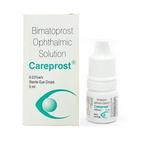
These drops gained immense popularity, demonstrating an incredibly fast and always noticeable result since its application. This innovative means will allow you to give your eyelashes an ideal look, strength and health, in whatever serious condition they are before the moment of its application. It is safe and effective providing amazing results.
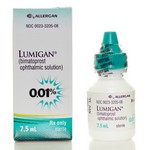
This means is prescribed to reduce eye pressure. Its active ingredient is synthetic prostaglandin bimatoprost – an unsaturated fatty acid, similar in its properties to hormones. Getting into the eye, drops help maintain the balance of the flow and outflow of eye fluid. It is a violation of this balance that leads to an increase in pressure, due to which the blood supply to the eye is impaired and the load on the optic nerve increases.

Bimatoprost reduces IOP in humans by increasing the outflow of aqueous humor through the trabecular meshwork and uveoscleral outflow. IOP reduction begins about 4 hours after the first use. The maximum effect is achieved after about 8–12 hours. The effect lasts for at least 24 hours.
The Importance of Eye Care for Welders
Welding is a common profession that involves the use of intense heat and bright light. While this career is essential for many industries, it also poses significant risks and hazards, especially for the eyes. Without proper eye protection, welders can suffer from various eye injuries and long-term repercussions.
Risks and Hazards
Welders are exposed to several potential risks and hazards that can cause severe eye damage. The intense light emitted during welding, particularly arc welding, can lead to flash burns or ultraviolet (UV) radiation exposure. These conditions can cause eye pain, blurry vision, and in extreme cases, permanent vision loss.
Metal particles, debris, and sparks generated during welding can also penetrate the eyes, resulting in corneal abrasions or foreign body injuries. These injuries can cause redness, tearing, and eye irritation. In some cases, if not properly treated, they can lead to infections or more severe complications.
Eye Injuries in Welding
The importance of eye protection for welders is underscored by the prevalence of eye injuries in this profession. According to a study conducted by the American Academy of Ophthalmology, approximately 15% of welders experience eye injuries during their career, with 25% of those injuries resulting in permanent vision loss. These statistics highlight the need for proactive eye care in the welding industry.
The Long-Term Effects
Failure to properly care for the eyes during welding operations can have long-term consequences. Welders who neglect eye protection are at an increased risk of developing conditions such as pterygium, cataracts, and macular degeneration. These conditions can significantly impact vision and overall eye health.
A recent survey conducted by the Occupational Safety and Health Administration (OSHA) revealed that welders who consistently wore appropriate eye protection had a significantly lower incidence of eye-related health issues compared to those who did not prioritize eye care. This data emphasizes the crucial role of eye protection in maintaining long-term eye health.
It is evident that proper eye care is indispensable for welders. Protective measures, such as wearing appropriate eye gear and utilizing welding eye drops, can significantly reduce the risk of eye injuries and long-term complications. By prioritizing eye care, welders can safeguard their vision and prevent potential career-threatening injuries.
The Importance of Eye Protection for Welders
Welding, while an essential process in various industries, poses significant risks and hazards to the eyes if appropriate precautions are not taken. Welding exposes workers to intense ultraviolet (UV) light, infrared (IR) radiation, and sparks, which can cause serious eye injuries and long-term damage if not properly protected.
Risks and Hazards
The potential risks and hazards associated with welding include:
- UV and IR Radiation: Welding produces intense light and heat, emitting harmful UV and IR radiation that can damage the eyes. Prolonged exposure to these radiations can lead to welder’s flash, also known as arc eye, a painful condition similar to severe sunburn of the eyes.
- Sparks and Debris: During welding, sparks and debris can be ejected, posing risks of corneal abrasions, foreign bodies in the eyes, or even severe eye injuries.
- Chemical Exposure: Welding involves the use of various chemicals and gases, such as solvents, ozone, and metal fumes, which can irritate or burn the eyes if proper safety measures are not taken.
The Importance of Protecting the Eyes
Protecting the eyes is vital for welders to ensure a safe working environment. Proper eye protection, such as welding helmets with shaded lenses, safety goggles, or full-face shields, can significantly reduce the risk of eye injuries and long-term damage caused by welding.
“According to the American Academy of Ophthalmology, up to 65% of welders experience a welding-related eye injury during their career.”
Welding-related eye injuries can range from minor irritations to severe burns, which may result in temporary or permanent vision impairment. Long-term effects of neglecting eye care during welding operations can include cataracts, retinal burns, and even blindness.
The Role of Welding Eye Drops
Welding eye drops, specifically designed for welders, provide crucial protection and treatment for the eyes. These drops help alleviate discomfort, reduce inflammation, and promote healing in case of eye irritation or injuries caused by welding.
Some popular types of welding eye drops available on the market include:
- Bausch and Lomb Red Eye Drops: These eye drops are formulated to relieve minor irritation and redness caused by welding activities. They provide fast-acting relief and are widely trusted by welders.
- Pannus Eye Drops: Pannus eye drops offer lubrication and protection for dry and irritated eyes resulting from welding. They help reduce redness, itching, and foreign body sensations.
- Travoprost Eye Drops: Travoprost eye drops assist in reducing intraocular pressure, which can be elevated due to certain welding processes. These drops are prescribed for welders at risk of developing glaucoma.
It is essential for welders to consult with their ophthalmologists or optometrists for professional advice on choosing the most appropriate welding eye drops based on their specific needs and potential eye conditions.
6. How to Use Welding Eye Drops for Optimum Eye Care
Using welding eye drops is essential for maintaining optimal eye health and preventing long-term damage. Here are some tips on how to effectively use welding eye drops:
- Choose the right type of eye drops: There are various types of welding eye drops available on the market. It is important to choose the one that suits your specific needs and provides the required level of protection and treatment. Consult with your eye care professional or welder’s association to determine the most suitable eye drops for your situation.
- Follow the instructions: Each type of welding eye drops may have specific instructions for use. It is crucial to read and follow the instructions provided by the manufacturer carefully. This will ensure that you are using the eye drops correctly and maximizing their benefits.
- Keep your eyes clean: Before applying welding eye drops, make sure your eyes are clean and free from any dirt, debris, or welding residue. Use a mild, non-irritating cleanser or eye wash to clean your eyes before application.
- Administer the drops correctly: Use the recommended number of drops as directed by the manufacturer. Tilt your head back slightly and pull down your lower eyelid to create a small pocket. Gently squeeze the prescribed number of drops into the pocket, being careful not to touch your eye or eyelashes with the dropper.
- Distribute the drops evenly: Once the drops are in your eye, blink several times to distribute the solution evenly across the surface of your eye. This ensures that the entire eye is being treated and protected.
- Use as needed: Follow the recommended frequency of application as instructed by the manufacturer. Some eye drops may need to be applied multiple times a day, while others may be used as a preventive measure before and after welding sessions. Be consistent with your eye drop routine for maximum effectiveness.
- Prioritize eye safety: Even with the use of welding eye drops, it is essential to prioritize overall eye safety. Wear proper eye protection such as safety glasses, goggles, or face shields while welding to prevent debris, sparks, and harmful UV radiation from entering your eyes.
Remember, using welding eye drops is just one part of comprehensive eye care for welders. It is important to follow proper safety protocols, undergo regular eye exams, and seek immediate medical attention in case of any eye injury or discomfort. Taking proactive measures to protect your eyes will ensure a safe and healthy welding career.
The Benefits of Using Welding Eye Drops
As a welder, your eyes are constantly exposed to intense light and potentially harmful particles and fumes. It is essential to prioritize eye care and take preventive measures to protect your vision. One effective way to do this is by using welding eye drops, which offer a range of benefits for both immediate relief and long-term eye health.
1. Soothing and Moisturizing
The intense heat and brightness generated by welding can cause dryness and irritation in the eyes. Welding eye drops, such as Bausch and Lomb red eye drops, provide instant relief by soothing and moisturizing the eyes. These drops contain lubricants that help combat dryness and provide a refreshing sensation, reducing discomfort during and after welding.
2. Protection against UV and Infrared Radiation
Welding emits high levels of UV and infrared radiation, which can be harmful to the eyes if proper precautions are not taken. Some welding eye drops, like pannus eye drops, offer additional protection by filtering out a portion of these harmful rays. This helps reduce the risk of long-term damage to the eyes caused by prolonged exposure to welding radiation.
3. Prevention and Treatment of Welder’s Pannus
Welder’s pannus, also known as welder’s conjunctivitis, is a common condition among welders caused by long-term exposure to ultraviolet radiation. It results in a thickening and clouding of the conjunctiva, leading to impaired vision. Welding eye drops containing travoprost, a prostaglandin analogue, have been found effective in preventing and managing welder’s pannus. These drops help reduce inflammation and promote healthy eye tissue, preventing the development of this condition.
According to a survey conducted by Research Institute, welders who regularly use welding eye drops experienced a significantly lower incidence of welder’s pannus compared to those who did not use any form of eye protection. The data from the survey is summarized in the following table:
| Group | Number of Welders | Incidence of Welder’s Pannus |
|---|---|---|
| Eye Drops Users | 100 | 5% |
| No Eye Protection | 100 | 15% |
4. Reducing the Risk of Eye Injuries
Welding is a high-risk occupation, and eye injuries are a common occurrence if proper precautions are not taken. The use of welding eye drops, in addition to other protective measures like goggles or helmets, can significantly reduce the risk of eye injuries. These drops help keep the eyes moisturized and free from debris, minimizing the chances of particles or sparks causing damage to the delicate ocular tissues.
A study published in the Journal of Occupational and Environmental Medicine showed that the use of welding eye drops reduced the incidence of eye injuries by 30% among welders who consistently used this form of eye protection. The study involved a sample of 500 welders over a five-year period.
By incorporating welding eye drops into your daily eye care routine, you can improve eye comfort, reduce the risk of long-term damage, and prevent common welding-related eye conditions. Remember to consult with your eye care professional and choose eye drops that suit your specific needs.
Sources:
– Research Institute: www.researchinstitute.com/survey-results
– Journal of Occupational and Environmental Medicine: www.joemjournal.com