Understanding the Importance of Proper Eye Care for Children
Proper eye care is essential for children of all ages, including toddlers. Good vision is crucial for a child’s development, as it affects their ability to learn, play, and interact with the world around them. Young children may not always be able to communicate any vision problems they may be experiencing, which makes it even more important for parents to be proactive in maintaining their child’s eye health.
According to the American Academy of Ophthalmology, vision screening should begin in early childhood, as early detection and treatment of eye conditions can prevent further complications and ensure optimal vision development. Therefore, it is crucial for parents to prioritize regular eye examinations for their children, starting from a young age.
During these eye examinations, an eye care professional will assess a child’s visual acuity and look for any signs of eye conditions or diseases. They may also provide guidance on proper eye care and recommend interventions such as eyeglasses or eye drops if necessary.
While eye drops are typically associated with treating certain eye conditions, they can also be used to maintain and improve overall eye health in children. However, it is important to understand the safety considerations, proper administration techniques, and potential side effects of using eye drops on young children.
Can eye drops be used on a 2-year-old?
When it comes to treating eye conditions in children, it is important to prioritize their safety and seek professional advice. This is especially true when considering the use of eye drops on a 2-year-old. While eye drops can be a valuable tool in alleviating discomfort and treating certain eye conditions, there are specific safety considerations to keep in mind.
Seeking professional advice
Before using any eye drops on a 2-year-old, it is crucial to consult a healthcare professional, such as a pediatrician or an ophthalmologist. They can provide guidance based on the child’s specific condition, medical history, and age. Their expertise will help ensure that the chosen eye drops are safe and appropriate for the child’s age and condition.
Importance of professional guidance:
- A healthcare professional will be able to determine if eye drops are necessary for the child’s condition or if alternative treatments may be more suitable.
- They can evaluate any underlying eye conditions or potential risks associated with using eye drops on a young child.
- Professional advice can help prevent potential harm or adverse reactions.
Potential risks of using eye drops on young children
While eye drops can provide relief and aid in the treatment of eye conditions, there are potential risks associated with their use on young children. These risks include:
- Eye irritation or discomfort
- Allergic reactions
- Potential damage to the delicate structures of the eye
- Inaccurate dosage due to difficulty keeping a child’s eye open during administration
- Accidental injury or exposure if the child moves suddenly during application
It is important to be aware of these risks and take appropriate precautions to minimize potential harm.
Why eye drops may be necessary for a 2-year-old
While eye drops should always be used under professional guidance, there are certain situations where their use may be necessary for a 2-year-old. These include:
- Treatment of bacterial or viral conjunctivitis (pink eye) to alleviate symptoms and speed up recovery.
- To manage inflammation and relieve discomfort caused by conditions such as allergies or dry eyes.
- Treatment of certain eye infections or injuries.
It is important to note that the specific condition and the child’s overall health will determine whether eye drops are the appropriate treatment option.
Choosing the Right Eye Drops for a 2-Year-Old
When it comes to choosing the right eye drops for a 2-year-old, it is important to select ones that are specifically designed for pediatric use. The eyes of young children are more sensitive and delicate compared to adults, so using eye drops that are formulated for their unique needs is crucial. Here are some key considerations to keep in mind:
Different Types of Eye Drops for Children
There are various types of eye drops available for children, each designed to address specific eye conditions. Some common types include:
- Artificial Tears: These eye drops help moisturize and lubricate the eyes, providing relief from dryness and discomfort.
- Allergy Eye Drops: These eye drops contain antihistamines to help alleviate symptoms of allergic reactions, such as itching, redness, and swelling.
- Antibiotic Eye Drops: These eye drops are used to treat bacterial eye infections, such as conjunctivitis (pink eye).
- Prescription Eye Drops: In some cases, a pediatric ophthalmologist may prescribe specialized eye drops to address specific eye conditions or disorders.
Importance of Pediatric-Specific Eye Drops
Pediatric-specific eye drops have been specifically formulated to be safe and effective for young children. These eye drops undergo rigorous testing to ensure they meet the highest safety standards. They typically have lower concentrations of active ingredients and gentler preservatives compared to adult eye drops. Using pediatric-specific eye drops reduces the risk of adverse reactions and increases the chances of successful treatment.
Recommendations for the Best Eye Drops
When choosing eye drops for a 2-year-old, it is essential to consult with a pediatric ophthalmologist or a healthcare professional who specializes in eye care for children. They can recommend the best eye drops based on the child’s specific condition and needs.
Here are some popular pediatric eye drops brands that are frequently recommended:
- Similasan Kids Irritated Eye Relief Drops: These homeopathic eye drops provide temporary relief from redness, burning, dryness, and stinging.
- Refresh Plus Lubricant Eye Drops: These artificial tear eye drops provide long-lasting hydration and relief for dry, irritated eyes.
- Opcon-A Eye Allergy Relief Drops: These eye drops combine antihistamines and redness relief for quick relief from allergic reactions.
It is important to carefully read the instructions and follow the recommended dosage when using eye drops on a 2-year-old. Additionally, be sure to store the eye drops properly to maintain their effectiveness.

Bimat eye drops are used to treat hypotrichosis, short, weak eyelashes. Bimat increases the length, thickness and enhances the color of eyelashes. These substances are also used to lower intraocular pressure in patients with a diagnosis of glaucoma. By reducing the pressure, the risk of blindness is significantly decreased.
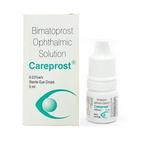
These drops gained immense popularity, demonstrating an incredibly fast and always noticeable result since its application. This innovative means will allow you to give your eyelashes an ideal look, strength and health, in whatever serious condition they are before the moment of its application. It is safe and effective providing amazing results.
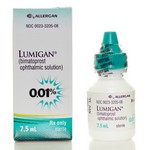
This means is prescribed to reduce eye pressure. Its active ingredient is synthetic prostaglandin bimatoprost – an unsaturated fatty acid, similar in its properties to hormones. Getting into the eye, drops help maintain the balance of the flow and outflow of eye fluid. It is a violation of this balance that leads to an increase in pressure, due to which the blood supply to the eye is impaired and the load on the optic nerve increases.

Bimatoprost reduces IOP in humans by increasing the outflow of aqueous humor through the trabecular meshwork and uveoscleral outflow. IOP reduction begins about 4 hours after the first use. The maximum effect is achieved after about 8–12 hours. The effect lasts for at least 24 hours.
Proper Administration of Eye Drops for a 2-Year-Old
Administering eye drops to a 2-year-old can be challenging, but it is essential to ensure their eye health. Here are some step-by-step instructions to help you successfully apply eye drops to a toddler:
Gather the Necessary Supplies:
Before you begin, gather the following supplies:
– Clean tissues or cotton balls
– Nonskid mat or a comfortable surface for your child to lie on
– Pediatric eye drops recommended by a healthcare professional
Prepare Yourself and Your Child:
1. Wash your hands thoroughly with soap and water to maintain proper hygiene.
2. Choose a comfortable and well-lit area to administer the eye drops.
3. Explain the process to your child in a reassuring and calming manner, ensuring they feel safe and secure.
Administering the Eye Drops:
1. Gently hold your child’s head against your chest, ensuring they are facing upward.
2. With one hand, gently pull down their lower eyelid to create a small pocket.
3. Holding the eye drop bottle about an inch above their eye, carefully squeeze the bottle to release one drop into the pocket created by the lower eyelid. Be cautious not to touch the eye with the dropper tip.
4. Ask your child to close their eyes gently, or assist them in doing so, to help spread the eye drops evenly across the eye.
5. Apply gentle pressure to the inner corner of the eye using a clean tissue or cotton ball for about 1-2 minutes. This helps prevent the eye drops from draining into the tear duct.
6. Repeat the process with the other eye if necessary.
Overcoming Challenges:
Administering eye drops to a 2-year-old can often be challenging due to their natural resistance. Here are some strategies that might help:
– Use a distraction technique such as singing a favorite song or showing them a toy they enjoy.
– Make the experience fun by using colorful eye drop bottles or making a game out of the process.
– Allow your child to hold a favorite toy or comfort item during the application to help them feel more secure.
Seeking Professional Guidance:
It is crucial to consult a healthcare professional, such as a pediatrician or ophthalmologist, for guidance specific to your child’s condition and eye drop requirements. They can provide personalized instructions and address any concerns or questions you may have.
Remember, proper administration of eye drops is essential for your child’s eye health, and seeking professional guidance ensures their safety and well-being.
5. Determining the Appropriate Frequency of Eye Drop Use
Determining the correct frequency of eye drop use for a 2-year-old is crucial in ensuring their eye health is properly maintained. It is important to follow the guidance of a doctor or healthcare professional when considering the use of eye drops on children, as they can provide specific instructions based on the child’s condition and needs.
Generally, the frequency of eye drop use for a 2-year-old will depend on the specific type of eye drops being used and the underlying eye condition. Some eye drops may need to be administered multiple times a day, while others may only require once-a-day use.
To determine the appropriate frequency of eye drop use for a 2-year-old, it is essential to refer to the instructions provided by the manufacturer of the eye drops. These instructions typically outline the recommended dosage and frequency for different age groups, including toddlers.
In addition to the manufacturer’s instructions, healthcare professionals may provide general guidelines for the use of eye drops in young children. These guidelines are often based on clinical experience and research studies.
It is important to note that the frequency of eye drop use should never exceed the recommendations provided by a healthcare professional. Overusing eye drops can potentially lead to complications or adverse effects.
On the other hand, underusing eye drops may not effectively treat the underlying eye condition, resulting in prolonged discomfort or worsening symptoms.
To ensure the proper frequency of eye drop use, parents or caregivers should keep track of when the eye drops were last administered. This can be done by creating a schedule or setting reminders. Regularly consulting with a doctor or healthcare professional is also necessary to monitor the child’s progress and make any necessary adjustments to the eye drop regimen.
It is worth mentioning that some eye conditions may require a more intensive eye drop regimen, such as multiple times a day or during specific times of the day. This is why seeking professional guidance is essential to ensure the appropriate treatment plan for the child’s specific case.
To better understand the prevalence and usage of eye drops in children, various surveys and studies have been conducted. According to a study published in the Journal of Pediatric Ophthalmology and Strabismus, approximately 86% of pediatric ophthalmologists surveyed reported prescribing eye drops to children under the age of 5.
In another study published in the journal Ophthalmology, researchers found that the overall frequency of eye drop administration varied depending on the specific eye condition. For example, children with allergic conjunctivitis typically required eye drops twice a day, while those with bacterial conjunctivitis needed eye drops more frequently, up to four times a day.
Ultimately, determining the appropriate frequency of eye drop use for a 2-year-old requires careful consideration of the child’s individual needs and the guidance of a healthcare professional. By following the recommended dosage and frequency, parents and caregivers can ensure their child receives the necessary eye care while minimizing the risks associated with overusing or underusing eye drops.
Potential side effects of eye drops on a 2-year-old
When using eye drops on a 2-year-old, it is important to be aware of potential side effects that may occur. While eye drops are generally safe, there are certain risks and adverse reactions that parents should be mindful of. Here are some common side effects that can happen when using eye drops on young children:
1. Eye irritation: Some children may experience mild eye irritation after using eye drops. This can manifest as redness, itching, or discomfort in the eye. If this occurs, it is important to stop using the eye drops and consult a healthcare professional.
2. Allergic reactions: Children can be allergic to certain ingredients present in eye drops. Symptoms of an allergic reaction may include swelling of the eye or eyelids, redness, itching, or hives. If any signs of an allergic reaction are observed, immediate medical attention should be sought.
3. Increased tear production: Some eye drops may cause increased tear production in young children. While this may not be harmful, it can be discomforting for the child. If excessive tearing persists or causes significant discomfort, it is advised to consult a healthcare professional.
4. Eye redness: Eye drops that contain certain medications, such as antibiotics or antihistamines, may cause temporary redness of the eyes. This is usually a benign side effect and should resolve within a short period of time. However, if the redness persists or worsens, medical advice should be sought.
5. Eye dryness: In some cases, certain eye drops can cause temporary dryness of the eyes. This can lead to a sensation of dryness, gritty or foreign body sensation in the eye. If this occurs, it is important to discontinue the use of the eye drops and consult a healthcare professional.
It is important for parents to closely monitor their child’s reaction to eye drops and seek medical attention if any severe or persistent side effects occur. It is recommended to follow the guidance of a healthcare professional and use eye drops specifically formulated for pediatric use. Parents should also carefully read the instructions and warnings provided with the eye drops to ensure proper administration and minimize the risk of side effects.
It is important to note that the occurrence of side effects may vary depending on the specific eye drops used. Therefore, it is crucial to consult a healthcare professional for specific guidance, advice, and information tailored to the child’s specific needs and condition.
Conclusion: Prioritizing the Eye Health of Young Children
Ensuring proper eye care for young children is crucial in maintaining their overall health and well-being. When it comes to using eye drops on a 2-year-old, it is important to prioritize their safety and seek professional guidance before proceeding.
While eye drops can be effective in treating certain eye conditions in young children, such as conjunctivitis or dry eyes, it is essential to consult a pediatrician or ophthalmologist before administering any medication. They can provide expert advice specific to the child’s condition and determine whether eye drops are necessary or if alternative treatments can be considered.
Risks associated with using eye drops on toddlers include the potential for incorrect dosage, allergic reactions, or irritation. It is essential to use eye drops that are specifically formulated for pediatric use and follow the recommended dosage instructions provided by the healthcare professional.
When selecting eye drops for a 2-year-old, it is crucial to choose a brand that is trusted and recommended by healthcare professionals. Among the popular options are brands like Similasan Kids Eye Drops and Bausch + Lomb Advanced Eye Relief. These products are formulated to be gentle on children’s eyes and are designed to alleviate symptoms associated with various eye conditions.
Proper administration of eye drops to a 2-year-old requires patience and skill. It is important to follow the correct technique to ensure the medication reaches the eye efficiently while minimizing discomfort to the child. Some techniques include gently pulling down the lower lid to create a pocket and gently squeezing the prescribed number of drops into the pocket. The child’s head should be tilted back slightly to allow the drops to enter the eye.
Following a doctor’s guidance regarding the frequency of eye drop use is crucial to ensure optimal results. Depending on the condition being treated, the doctor may recommend a specific dosage schedule. It is important to adhere to these guidelines and not overuse or underuse the eye drops, as this can affect the effectiveness of the treatment or potentially exacerbate the condition.
While side effects from using eye drops on a 2-year-old are generally rare, it is essential to be vigilant and monitor for any adverse reactions. If the child experiences excessive redness, itching, or discomfort after using the eye drops, it is advisable to seek medical attention promptly. Some specific types of eye drops, such as sananga eye drops used in traditional medicine, may have additional side effects, and it is crucial to research and consult with healthcare professionals before using these alternative treatments.
In conclusion, prioritizing the eye health of young children is essential. Seeking professional guidance and following their recommendations regarding the use of eye drops is crucial to ensure the safety and effectiveness of the treatment. By selecting the appropriate eye drops, administering them correctly, and monitoring for any adverse reactions, parents can aid in maintaining their child’s healthy vision.