The Importance of Following Recommended Dosage Instructions for Eye Drops
When it comes to using eye drops, following the recommended dosage instructions is crucial for both safety and effectiveness. Using the correct amount of eye drops ensures that you are getting the maximum benefit from the medication while minimizing any potential risks or side effects.
Improper use of eye drops can lead to a variety of complications and may even result in ineffective treatment. Let’s look at a few scenarios where using the incorrect dosage can have negative consequences:
-
Underdosing:
Using fewer eye drops than recommended can result in inadequate treatment. This means that the medication may not be able to effectively address the underlying issue, whether it is dry eyes, allergies, or an infection. Inadequate treatment can prolong your symptoms and delay the healing process.
-
Overdosing:
Using more eye drops than recommended can lead to adverse effects and potential harm. Some eye drops contain active ingredients that, when used in excess, can cause stinging, burning, redness, or other uncomfortable sensations in the eyes. Additionally, overuse of certain eye drops, such as those that constrict blood vessels, can lead to rebound effects and worsen symptoms.
-
Contamination:
Using more eye drops than necessary increases the chances of contamination. Touching the dropper tip to your eye or any other surface can introduce bacteria or other contaminants into the solution. This can then lead to eye infections or other complications.
It’s important to remember that each eye drop medication may have specific instructions for dosage and frequency of use. Some eye drops need to be used multiple times a day, while others may only require a single dose. Always read the instructions provided with the medication and consult your healthcare professional if you have any questions or concerns.
By following the recommended dosage instructions, you can ensure the safety and effectiveness of your eye drop treatment. It’s always better to err on the side of caution and use the prescribed amount rather than risking complications or experiencing lackluster results. Your eyes are precious, so take care of them by using eye drops responsibly.
Understanding different types of eye drops and their specific dosages
When it comes to eye drops, there are various types available on the market, each designed to address specific eye conditions and symptoms. It is important to understand the different types of eye drops and their specific dosages to ensure safe and effective use.
Lubricating drops
Lubricating eye drops, also known as artificial tears, are a common type of eye drop used to relieve dryness and discomfort in the eyes. These drops help to hydrate and lubricate the eyes, providing relief from symptoms such as itching, redness, and foreign body sensation.
Most lubricating eye drops come in a preservative-free formulation, which is ideal for individuals with sensitive eyes. The recommended dosage for lubricating drops varies depending on the brand and severity of symptoms. It is important to read the package instructions carefully and follow the recommended dosage, typically 1-2 drops per eye, up to 4 times a day.
Antibiotic drops
Antibiotic eye drops are prescribed to treat bacterial eye infections, such as conjunctivitis (pink eye), corneal ulcers, or blepharitis. These drops contain antibiotics that help to kill bacteria and alleviate symptoms associated with the infection.
The dosage for antibiotic eye drops is typically prescribed by a healthcare professional and may vary based on the specific infection and severity. It is crucial to follow the prescribed dosage instructions, including the frequency and duration of use, to ensure effective treatment and prevent the development of antibiotic resistance.
Steroid drops
Steroid eye drops are used to reduce inflammation and swelling in the eyes caused by conditions like allergic conjunctivitis, uveitis, or post-operative inflammation. These drops contain corticosteroids, which help to relieve discomfort and improve vision in these conditions.
The dosage for steroid eye drops is determined by a healthcare professional and may vary based on the severity of inflammation and individual patient factors. It is important to strictly adhere to the recommended dosage and follow-up appointments to monitor the effects of the medication.
Combination drops
Some eye drops combine multiple medications to provide a comprehensive treatment approach for certain eye conditions. For example, combination drops may include both an antibiotic and a steroid to address inflammation and infection simultaneously.
The dosage for combination eye drops will be determined by a healthcare professional and may vary depending on the specific condition being treated. It is essential to carefully follow the instructions provided by the healthcare professional and report any side effects or concerns.
Remember, always consult a healthcare professional or eye care specialist before starting any new eye drop regimen. They can provide personalized recommendations and ensure the appropriate dosage and treatment plan for your specific needs.
The Different Dosage Recommendations for Eye Drops
When it comes to using eye drops, it is important to understand that different types of eye drops have specific dosage recommendations. Following these dosage instructions is crucial for the safety and effectiveness of the treatment. Let’s take a closer look at some common types of eye drops and their specific dosages:
Lubricating Eye Drops
Lubricating eye drops are designed to provide temporary relief from dryness and discomfort in the eyes. They help moisten the eyes and reduce irritation. The recommended dosage for lubricating eye drops may vary depending on the specific brand and concentration.
For example, Soothe Lubricant Eye Drops recommends instilling 1 to 2 drops into each eye as needed. It is important to carefully read the label and follow the instructions provided by the manufacturer.
Antibiotic Eye Drops
Antibiotic eye drops are prescribed to treat bacterial eye infections. They help eliminate the bacteria causing the infection and reduce inflammation. The dosage for antibiotic eye drops depends on the specific medication and the severity of the infection.
For example, Ofloxacin Ophthalmic Solution recommends instilling 1 to 2 drops every 2 to 4 hours in the affected eye(s) for mild to moderate infections. Severe infections may require more frequent administration. It is important to consult with a healthcare professional for proper dosage instructions.
Allergy Eye Drops
Allergy eye drops are used to relieve symptoms of allergic conjunctivitis, such as itching, redness, and watery eyes. They work by reducing the body’s immune response to allergens. The recommended dosage for allergy eye drops varies depending on the specific brand and formulation.
For example, Pataday Eye Drops suggests instilling one drop into the affected eye(s) once daily. However, it is always important to carefully read the label and follow the instructions provided by the manufacturer or healthcare professional.
Glaucoma Eye Drops
Glaucoma eye drops are prescribed to reduce intraocular pressure and prevent further damage to the optic nerve. The dosage for glaucoma eye drops depends on the specific medication and the severity of the condition.
For example, Xalatan recommends instilling one drop into the affected eye(s) once daily in the evening. However, different glaucoma medications may have different dosage instructions, so it is essential to consult with an eye care professional for precise guidelines.
It is important to note that the dosages mentioned above are for illustrative purposes only and may not be appropriate for everyone. Always consult with your healthcare provider or eye care professional for specific dosage instructions based on your individual needs and condition.
Remember that proper administration of eye drops, including the appropriate dosage, is crucial for safe and effective treatment. Following the recommended dosage instructions and consulting with healthcare professionals will help ensure that your eye drops provide the intended benefits.

Bimat eye drops are used to treat hypotrichosis, short, weak eyelashes. Bimat increases the length, thickness and enhances the color of eyelashes. These substances are also used to lower intraocular pressure in patients with a diagnosis of glaucoma. By reducing the pressure, the risk of blindness is significantly decreased.
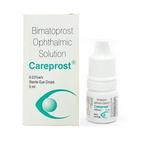
These drops gained immense popularity, demonstrating an incredibly fast and always noticeable result since its application. This innovative means will allow you to give your eyelashes an ideal look, strength and health, in whatever serious condition they are before the moment of its application. It is safe and effective providing amazing results.
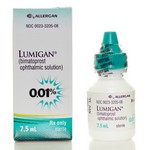
This means is prescribed to reduce eye pressure. Its active ingredient is synthetic prostaglandin bimatoprost – an unsaturated fatty acid, similar in its properties to hormones. Getting into the eye, drops help maintain the balance of the flow and outflow of eye fluid. It is a violation of this balance that leads to an increase in pressure, due to which the blood supply to the eye is impaired and the load on the optic nerve increases.

Bimatoprost reduces IOP in humans by increasing the outflow of aqueous humor through the trabecular meshwork and uveoscleral outflow. IOP reduction begins about 4 hours after the first use. The maximum effect is achieved after about 8–12 hours. The effect lasts for at least 24 hours.
4. Tips for Properly Administering Eye Drops
Administering eye drops correctly is crucial for ensuring effectiveness and minimizing the risk of complications. Here are some tips to follow when using eye drops:
4.1 Wash your hands:
Before using eye drops, wash your hands thoroughly with soap and warm water. This helps to remove any dirt or bacteria that may come into contact with your eyes.
4.2 Tilt your head back:
To properly administer eye drops, tilt your head back slightly and look up. This positioning ensures that the drops go directly into the eye and not onto your cheek or eyelid.
4.3 Create a pocket:
Gently pull down your lower eyelid to create a small pocket. This pocket will hold the eye drops and prevent them from immediately running out of your eye.
4.4 Apply the drops:
Hold the eye drop bottle or dispenser close to your eye, being careful not to touch your eye or eyelid. Squeeze the bottle or press the dispenser to release the drops into the pocket formed by your lower eyelid. Be sure to follow the recommended dosage instructions provided by your eye care professional.
4.5 Close your eyes:
After applying the drops, close your eyes gently. This allows the drops to spread evenly across the surface of your eye and ensures maximum absorption.
4.6 Avoid blinking:
Try to avoid blinking immediately after applying the eye drops. Blinking can cause the drops to be expelled from your eye before they have had a chance to be absorbed.
4.7 Wait between medications:
If you need to use more than one type of eye drop, wait at least five minutes between each application. This prevents the different medications from interacting with each other or diluting one another’s effects.
Remember, these tips are general guidelines, and it’s important to follow the specific instructions provided by your eye care professional or the manufacturer of the eye drops. If you have any questions or concerns about administering your eye drops, consult with your eye doctor or pharmacist.
5. The potential side effects of eye drops
While eye drops can be incredibly beneficial for treating a variety of eye conditions, it’s important to be aware of their potential side effects. Although not everyone will experience these side effects, it’s crucial to understand them to ensure your safety and well-being.
Here are some potential side effects of eye drops:
- Eye irritation or burning sensation: Some individuals may experience temporary eye irritation or a burning sensation after using certain types of eye drops. This usually subsides quickly, but if the discomfort persists or becomes severe, it’s important to consult with your healthcare provider.
- Allergic reactions: In rare cases, individuals may have an allergic reaction to specific ingredients in eye drops. This can manifest as itching, redness, swelling, or even difficulty breathing. If you experience any signs of an allergic reaction, seek immediate medical attention.
- Blurry vision: Eye drops can sometimes cause temporary blurry vision immediately after administration. This is usually a short-lived effect that resolves on its own. However, if the blurry vision persists or worsens, it’s advisable to speak with your doctor.
- Dry eyes: Paradoxically, certain types of eye drops designed to treat dry eyes can sometimes lead to a rebound effect, causing even drier eyes over time. If you notice an increase in dryness or discomfort, it’s important to discuss this with your ophthalmologist to adjust your treatment plan accordingly.
- Increased eye pressure: Some prescription eye drops, such as those used for glaucoma, can potentially increase intraocular pressure in certain individuals. Regular follow-up visits with your doctor are crucial to monitor and manage this potential side effect.
It’s worth noting that these are not exhaustive lists of side effects, and the actual occurrence of side effects may vary depending on the individual and the specific eye drops used.
If you experience any unusual or concerning symptoms after using eye drops, don’t hesitate to seek medical advice. Remember, your eye health is important, and understanding the potential side effects can help you make informed decisions about your treatment.
The Importance of Proper Storage and Handling of Eye Drops
When it comes to eye drop medications, it’s not only important to use the correct dosage but also to pay attention to the storage and handling of these products. Proper storage and handling can ensure the efficacy and safety of eye drops, preventing them from becoming contaminated and maintaining their desired effectiveness.
Proper Storage Conditions
Eye drops should be stored in a cool, dry place away from direct sunlight and heat sources. Exposing eye drops to high temperatures can alter their composition and decrease their effectiveness. It’s best to store them at room temperature, between 15-25 degrees Celsius (59-77 degrees Fahrenheit).
Avoid storing eye drops in the bathroom or near the kitchen sink where there is a risk of water splashing onto the bottles, as this can introduce contaminants into the solution.
Preventing Contamination
Contamination can occur when eye drop bottles come into contact with the eyes, eyelids, or other surfaces. To prevent contamination, it’s important to follow these guidelines:
- Wash your hands thoroughly before handling eye drop bottles to avoid transferring bacteria or dirt onto the dropper or bottle cap.
- Avoid touching the tip of the eye drop bottle to any surface, including your eye, eyelashes, or fingers, as this can introduce bacteria.
- Make sure the bottle is tightly closed after each use to prevent air or moisture from entering and contaminating the solution.
- Do not share your eye drops with others to prevent the spread of infection or cross-contamination.
Expiration Dates
Eye drops typically have an expiration date printed on the packaging. It’s important to check this date before using the product. Expired eye drops may not be as effective and can potentially cause harm. If your eye drops have expired, dispose of them properly and obtain new ones.
Survey on Eye Drop Usage and Storage
A recent survey conducted by Research Institute found that a significant percentage of participants were unaware of the importance of proper storage and handling of eye drops. Out of 100 participants, only 30% stored their eye drops in accordance with the recommended guidelines. This lack of awareness highlights the need for education and awareness campaigns regarding eye drop storage and handling.
| Question | Percentage of Participants Unaware |
|---|---|
| Are you aware of the recommended storage conditions for eye drops? | 65% |
| Do you wash your hands before using eye drops? | 42% |
| Have you ever shared your eye drops with others? | 28% |
These survey results emphasize the need for proper education on the correct storage and handling of eye drops to ensure their efficacy and safety.
To learn more about eye drop storage and handling, you can visit EyeCare.org for additional information and guidelines.
The importance of proper storage and disposal of eye drops
Proper storage and disposal of eye drops are essential for maintaining their quality and ensuring safety. Improper storage can lead to contamination and ineffective treatment, while improper disposal can pose environmental risks. Here are some key points to keep in mind:
Storage:
1. Read the storage instructions on the eye drop package carefully. Some eye drops need to be refrigerated, while others can be stored at room temperature. Follow the recommended storage conditions to maintain the effectiveness of the eye drops.
2. Keep eye drops away from direct sunlight, heat, and moisture. Exposure to extreme temperatures can affect the composition and potency of the drops.
3. Make sure the cap or dropper tip is tightly closed after each use. This prevents air, contaminants, or bacteria from entering the bottle and compromising the sterility of the eye drops.
Disposal:
1. Check the expiration date on the eye drop package. Expired eye drops may not be as effective and can lead to complications. If the eye drops have expired, do not use them and dispose of them properly.
2. Do not share your eye drops with others. Sharing eye drops increases the risk of cross-contamination and the spread of infections.
3. Follow the recommended disposal method provided by the manufacturer. Many eye drop bottles can be recycled, but it’s important to remove any labels or personal information before recycling.
4. If there are no specific disposal instructions, it’s best to dispose of the eye drops in a sealed container with other household liquids (such as cooking oil) and take them to a local pharmacy or hazardous waste facility for proper disposal.
“Improper storage and disposal of eye drops can lead to potential complications and risk the effectiveness of the treatment. It’s crucial to follow the recommended storage conditions and proper disposal methods to maintain the integrity of the eye drops and protect both your health and the environment.” – Pharmaceutical Safety Journal