Different Types of Eye Drops for Pink Eye
When it comes to treating pink eye, also known as conjunctivitis, there are several types of eye drops that can be used. These eye drops are designed to alleviate symptoms and treat the underlying infection or inflammation. It is important to identify the type of pink eye you have in order to choose the most appropriate eye drops for treatment.
1. Antibiotic Eye Drops
If your pink eye is caused by a bacterial infection, antibiotic eye drops may be prescribed by a healthcare professional. These eye drops contain antibiotics that help kill the bacteria responsible for the infection. Commonly prescribed antibiotic eye drops include:
- Tobramycin: A broad-spectrum antibiotic that is effective against a wide range of bacteria.
- Gentamicin: Another broad-spectrum antibiotic that can be used to treat bacterial pink eye.
- Ciprofloxacin: A fluoroquinolone antibiotic that is often prescribed for bacterial eye infections.
It is important to finish the full course of antibiotic eye drops as prescribed by your healthcare professional, even if your symptoms improve before completing the treatment. This helps ensure the complete eradication of the infection.
2. Antiviral Eye Drops
If your pink eye is caused by a viral infection, antiviral eye drops may be prescribed. These eye drops work by inhibiting the replication of the virus, helping to reduce the duration and severity of symptoms. Some commonly prescribed antiviral eye drops include:
- Ganciclovir: An antiviral medication that is effective against certain types of viruses, including those that cause viral conjunctivitis.
- Trifluridine: Another antiviral medication that can be used to treat viral eye infections.
- Vidarabine: An antiviral medication that is commonly used to treat herpetic eye infections.
It is important to note that antiviral eye drops are typically only prescribed for severe or persistent cases of viral conjunctivitis.
3. Antihistamine Eye Drops
If your pink eye is caused by an allergic reaction, antihistamine eye drops may be recommended. These eye drops help to relieve itching, redness, and inflammation associated with allergic conjunctivitis. Some popular brands of antihistamine eye drops include:
- Alaway: An over-the-counter antihistamine eye drop that provides long-lasting relief from allergic pink eye symptoms.
- Zaditor: Another over-the-counter antihistamine eye drop that is effective in relieving itching and redness caused by allergies.
- Optivar: A prescription antihistamine eye drop that can provide relief for moderate to severe allergic conjunctivitis symptoms.
It is important to consult with a healthcare professional before using antihistamine eye drops, particularly if you have any underlying medical conditions or are taking other medications.
Overall, the type of eye drops you use for pink eye will depend on the underlying cause of the condition. It is important to follow the instructions provided by your healthcare professional and use the eye drops as directed to ensure effective treatment.
Over-the-counter eye drops for pink eye
When it comes to treating pink eye, over-the-counter (OTC) eye drops can be a convenient and effective option. These eye drops can provide temporary relief for symptoms such as itching, redness, and dryness. Let’s take a look at some popular OTC eye drops for pink eye:
Lumify
Lumify is an OTC eye drop that is known for its ability to reduce redness in the eyes. It contains an active ingredient called brimonidine, which works by constricting the blood vessels in the eyes. Many users find that Lumify provides quick and noticeable relief from red, irritated eyes.
Zaditor
Zaditor is another OTC eye drop that is commonly used to relieve symptoms of pink eye. It contains an antihistamine called ketotifen, which helps to reduce inflammation and itching caused by allergies. Zaditor is often recommended for allergic pink eye, as it can provide long-lasting relief.
BioTrue Multi-Purpose Solution
While not specifically marketed as an eye drop for pink eye, BioTrue Multi-Purpose Solution is a popular option for those who wear contact lenses and have developed pink eye. This solution can help to clean and disinfect contact lenses, reducing the risk of further infection or irritation.
It’s important to note that while OTC eye drops can be effective for symptom relief, they may not treat the underlying cause of pink eye. If your symptoms persist or worsen after using OTC eye drops, it’s recommended to consult with a healthcare professional for further evaluation and treatment.
Prescription Eye Drops for Pink Eye
When over-the-counter eye drops are not sufficient in treating pink eye, prescription eye drops may be necessary. Prescription eye drops are typically stronger and more targeted in their approach to treating the underlying infection or inflammation causing the pink eye.
1. Pataday
One popular prescription eye drop for treating pink eye is Pataday. Pataday contains the active ingredient olopatadine, which is a strong antihistamine. Antihistamines work by blocking the histamines released during an allergic reaction, providing relief for allergic pink eye.
Pataday is effective in reducing itching, redness, and swelling associated with allergic pink eye. It is usually recommended for short-term use, as prolonged use may lead to side effects like burning or stinging in the eyes, blurred vision, or dryness.
2. Vigamox
Vigamox is another prescription eye drop that is commonly prescribed to treat bacterial pink eye. It contains the active ingredient moxifloxacin, which is a fluoroquinolone antibiotic. Fluoroquinolone antibiotics work by inhibiting bacterial enzymes, preventing the bacteria from multiplying and causing further infection.
Vigamox is typically used for 7 days, with the recommended dosage being one drop in the affected eye(s) three times a day. It is important to follow the prescribed dosage and duration of use to ensure effective treatment.
3. Zirgan
Zirgan is a prescription eye drop used to treat viral pink eye caused by the herpes simplex virus. It contains the active ingredient ganciclovir, which is an antiviral medication. Antiviral medications work by inhibiting the replication of the virus, reducing the duration and severity of viral pink eye symptoms.
Zirgan is typically prescribed for short-term use and should be used according to the healthcare professional’s instructions. It is important to follow the prescribed dosage and duration, as improper use may not effectively treat the viral infection.
4. Lotemax
Lotemax is a prescription eye drop that is often prescribed for various eye conditions, including inflammatory pink eye. It contains the active ingredient loteprednol, which is a corticosteroid. Corticosteroids work by suppressing the immune response and reducing inflammation in the eyes.
Lotemax is effective in relieving symptoms of inflammation, such as redness, pain, and swelling. It is important to follow the prescribed dosage and duration of use, as prolonged use of corticosteroids may increase the risk of side effects like increased eye pressure or cataract formation.
It is important to note that prescription eye drops should only be used under the guidance of a healthcare professional. They may have specific instructions for use and may also monitor the progress of treatment to ensure its effectiveness.
Sources:
– MedlinePlus. (2021). Olopatadine Ophthalmic. https://medlineplus.gov/druginfo/meds/a605036.html
– MedlinePlus. (2021). Moxifloxacin Ophthalmic. https://medlineplus.gov/druginfo/meds/a607033.html
– MedlinePlus. (2021). Ganciclovir Ophthalmic. https://medlineplus.gov/druginfo/meds/a694042.html
– MedlinePlus. (2021). Loteprednol Ophthalmic. https://medlineplus.gov/druginfo/meds/a612020.html

Bimat eye drops are used to treat hypotrichosis, short, weak eyelashes. Bimat increases the length, thickness and enhances the color of eyelashes. These substances are also used to lower intraocular pressure in patients with a diagnosis of glaucoma. By reducing the pressure, the risk of blindness is significantly decreased.
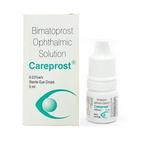
These drops gained immense popularity, demonstrating an incredibly fast and always noticeable result since its application. This innovative means will allow you to give your eyelashes an ideal look, strength and health, in whatever serious condition they are before the moment of its application. It is safe and effective providing amazing results.
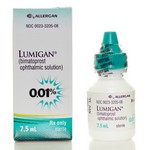
This means is prescribed to reduce eye pressure. Its active ingredient is synthetic prostaglandin bimatoprost – an unsaturated fatty acid, similar in its properties to hormones. Getting into the eye, drops help maintain the balance of the flow and outflow of eye fluid. It is a violation of this balance that leads to an increase in pressure, due to which the blood supply to the eye is impaired and the load on the optic nerve increases.

Bimatoprost reduces IOP in humans by increasing the outflow of aqueous humor through the trabecular meshwork and uveoscleral outflow. IOP reduction begins about 4 hours after the first use. The maximum effect is achieved after about 8–12 hours. The effect lasts for at least 24 hours.
Specific eye drops for different types of pink eye
Pink eye, also known as conjunctivitis, can be caused by different factors, including viral, bacterial, or allergic infections. Each type of pink eye requires different treatment approaches, and using specific eye drops can help alleviate symptoms and speed up the healing process.
Viral pink eye:
Viral pink eye is caused by a virus, similar to the ones that cause the common cold or flu. This type of pink eye is highly contagious and can spread easily through direct contact with infected individuals or objects. Unfortunately, there are no specific antiviral eye drops available to treat viral pink eye. The best course of action is to let the infection run its course, which usually takes about 1-2 weeks. However, over-the-counter lubricating eye drops can help relieve the discomfort and dryness associated with viral pink eye. These drops can also minimize the risk of secondary bacterial infections.
Bacterial pink eye:
Bacterial pink eye is caused by bacteria and is characterized by symptoms such as redness, swelling, and a thick, yellow or green discharge from the eye. Antibiotic eye drops are the primary treatment option for bacterial pink eye. These drops work by killing the bacteria responsible for the infection. Commonly prescribed antibiotic eye drops for bacterial pink eye include:
- Tobramycin: This broad-spectrum antibiotic eye drop is effective against many types of bacteria and is often prescribed for bacterial conjunctivitis.
- Moxifloxacin: Another broad-spectrum antibiotic eye drop that is commonly prescribed to treat bacterial pink eye.
It’s important to use the prescribed antibiotic eye drops as directed and for the full course of treatment to ensure complete eradication of the infection.
Allergic pink eye:
Allergic pink eye is caused by an allergic reaction to substances such as pollen, pet dander, or dust mites. This type of pink eye is often associated with itching, redness, and tearing. Antihistamine eye drops can help alleviate the symptoms of allergic pink eye by blocking the release of histamines, which are responsible for allergic reactions. Prescription antihistamine eye drops for allergic pink eye include:
- Alcaftadine: This antihistamine eye drop helps relieve itching and redness associated with allergic conjunctivitis.
- Olopatadine: Another popular antihistamine eye drop that is effective in treating allergic pink eye.
It’s important to note that these eye drops are available by prescription only and should be used as directed by a healthcare professional.
In conclusion, when it comes to treating pink eye, using specific eye drops targeting the underlying cause can provide effective relief. Whether it’s lubricating eye drops for viral pink eye, antibiotic eye drops for bacterial pink eye, or antihistamine eye drops for allergic pink eye, the right eye drops can help alleviate symptoms and speed up the healing process.
5. Home remedies for pink eye
If you’re looking for natural and homeopathic remedies to complement the use of eye drops or as a standalone treatment for pink eye, there are a few options you can consider. While these remedies may provide relief for mild cases of pink eye, it’s important to consult with a healthcare professional for a proper diagnosis and treatment plan.
1. Warm compresses
Applying warm compresses to your closed eyes can help alleviate symptoms of pink eye, such as itching and discomfort. To create a warm compress, soak a clean washcloth in warm water and wring out any excess moisture. Gently place the warm compress over your closed eyes for a few minutes, then repeat as needed throughout the day.
2. Cold compresses
In cases of allergic pink eye, cold compresses can help reduce inflammation and soothe irritated eyes. Similar to warm compresses, use a clean washcloth or a cold pack wrapped in a soft cloth and apply it to your closed eyes for a few minutes several times a day. Be sure to never apply ice directly to your eyes.
3. Artificial tears
Over-the-counter artificial tear solutions can provide temporary relief for dryness and discomfort associated with pink eye. These eye drops can help moisturize the eyes and flush out any irritants or allergens. Look for preservative-free options with lubricating properties, such as Refresh Tears or Systane Ultra.
4. Honey
Honey has antimicrobial properties and can potentially help fight off bacterial or viral infections. However, it’s essential to use caution when applying honey to the eye, as it can cause irritation. If you choose to try this home remedy, dilute a small amount of honey in warm water and use a clean dropper to administer a few drops into the affected eye. Rinse the eye with water after a few minutes.
5. Tea bags
The tannins found in black or green tea can help reduce inflammation and soothe pink eye symptoms. Steep two tea bags in hot water for a few minutes, remove them, and let them cool completely. Once they’re cool, place the tea bags over your closed eyes for 10-15 minutes. Tea bags should be discarded after each use.
While these home remedies may provide some relief for pink eye symptoms, they are not a substitute for proper medical treatment. If your symptoms worsen or persist, it’s important to seek advice from a healthcare professional for a proper diagnosis and appropriate treatment.
6. Home remedies vs eye drops for pink eye: what works best?
When it comes to treating pink eye, there are a variety of options available, including both home remedies and eye drops. While some people may prefer to try natural remedies first, others may opt for the convenience and effectiveness of eye drops. Let’s take a closer look at the pros and cons of each.
Home remedies for pink eye
Many home remedies for pink eye involve soothing the symptoms and reducing discomfort. These remedies often use ingredients found in most households or natural substances known for their healing properties. While home remedies may provide temporary relief, they may not effectively treat the underlying infection or inflammation causing the pink eye. It is important to note that home remedies should not be used as a substitute for medical treatment, especially in cases of severe or persistent pink eye.
Some popular home remedies for pink eye include:
- Warm compresses: Applying a warm compress to the affected eye can help relieve itching and inflammation.
- Cold compresses: Cold compresses can also provide relief by reducing swelling and soothing the eye.
- Cucumber slices: Placing cool cucumber slices over closed eyelids may help reduce redness and puffiness.
- Tea bags: The tannins in tea bags can have a calming effect on the eye and help reduce inflammation.
- Saltwater rinse: Gently rinsing the eye with a saline solution made from saltwater can help remove irritants and soothe the eye.
- Honey eye drops: Some people believe that honey has antimicrobial properties and can help fight off infection. However, it is important to consult a healthcare professional before using honey as an eye drop.
Eye drops for pink eye
Eye drops formulated for pink eye are specifically designed to provide relief from symptoms and treat the underlying infection or inflammation. There are different types of eye drops available, including over-the-counter and prescription options.
Over-the-counter eye drops for pink eye are readily available without a prescription and can provide temporary relief from symptoms such as itching, redness, and dryness. Some popular over-the-counter brands include Lumify and Visine, which are known for their ability to reduce redness. While over-the-counter eye drops can be effective for mild cases of pink eye, they may not be sufficient for more severe or persistent infections.
Prescription eye drops for pink eye are typically stronger and may be prescribed by a healthcare professional for more severe cases of pink eye. These prescription eye drops can include antibiotics to treat bacterial infections, antiviral medication for viral infections, or antihistamines for allergic pink eye. Examples of prescription eye drops for pink eye include Pataday, which is a strong antihistamine that can provide relief for allergic pink eye.
Conclusion
When deciding between home remedies and eye drops for pink eye, it is important to consider the severity and duration of symptoms. Mild cases of pink eye may respond well to home remedies, providing temporary relief from symptoms. However, if symptoms persist or worsen, it is recommended to consult a healthcare professional for a proper diagnosis and prescription for specific eye drops. Eye drops formulated for pink eye can provide targeted relief and treatment for the underlying cause of the infection or inflammation.
It is always important to follow the instructions provided by the manufacturer or healthcare professional when using eye drops. If symptoms do not improve within a few days of using eye drops or if they worsen, it is crucial to seek medical attention to prevent potential complications.
7. Natural remedies and home remedies for pink eye
If you prefer natural remedies or want to supplement your treatment with home remedies, there are several options that may provide relief for pink eye symptoms. While these remedies may not be as effective as prescribed medications, they can be used in conjunction with medical treatment to help alleviate discomfort and promote healing.
A. Warm compress
Applying a warm compress to the affected eye can help reduce inflammation and soothe discomfort. Simply soak a clean cloth or cotton ball in warm water (not hot) and gently place it over the closed eyelid for 5-10 minutes, repeating several times a day.
B. Cold compress
If your eye is particularly itchy or swollen, a cold compress can offer relief. Wrap ice packs or a bag of frozen peas in a clean cloth and apply it to the closed eyelid for 5-10 minutes, as needed.
C. Saline solution
Rinsing your eyes with a saline solution can help flush out any irritants or discharge. You can purchase a sterile saline solution from a pharmacy or make your own by dissolving 1/4 teaspoon of salt in a cup of boiled, cooled water. Use an eye dropper or a clean cotton ball to apply the saline solution gently to the eyes.
D. Honey
Honey has natural antibacterial properties and can be used as a soothing eye drop for pink eye. Mix equal parts organic honey and distilled water, and use an eye dropper to apply a few drops into the affected eye several times a day. It is important to use organic honey to ensure purity and avoid potential contamination.
E. Chamomile tea
Chamomile tea has anti-inflammatory properties and can help reduce eye redness and swelling. Steep a chamomile tea bag in hot water, allow it to cool, and place the tea bag over the closed eyelid for 10-15 minutes, several times a day.
F. Aloe vera gel
Aloe vera gel is known for its soothing and anti-inflammatory properties. Apply a small amount of pure aloe vera gel to the eyelids, avoiding contact with the eye itself. Repeat as needed throughout the day.
It is important to note that natural remedies and home remedies may not be suitable for everyone. It is advisable to consult with a healthcare professional before using any alternative treatments, especially for children or individuals with existing medical conditions.