Atropine 0.05 Eye Drops: An Overview
Atropine 0.05 eye drops are a commonly used medication in eye care. These eye drops contain the active ingredient atropine, which belongs to a class of drugs called anticholinergics. Atropine works by dilating the pupil and relaxing the muscles in the eye, which helps to relieve symptoms and manage certain eye conditions.
The primary purpose of Atropine 0.05 eye drops is to treat various eye conditions, including myopia (nearsightedness) and amblyopia (lazy eye). In the case of myopia, the eye drops help to slow down the progression of the condition and prevent further worsening of nearsightedness. For amblyopia, Atropine 0.05 eye drops are used to temporarily blur the vision in the stronger eye, forcing the brain to rely more on the weaker eye and improving visual acuity.
It is important to note that Atropine 0.05 eye drops should only be used under the guidance and prescription of a healthcare professional, as they are a medication that requires proper dosage and usage instructions.
Pricing of Atropine 0.05 Eye Drops
When it comes to the pricing of Atropine 0.05 eye drops, several factors can affect the cost. It is essential to consider these factors before purchasing the eye drops. The average price range for Atropine 0.05 eye drops is typically between $30 and $50 for a 5ml bottle.
Factors Affecting the Cost
The cost of Atropine 0.05 eye drops can vary depending on several factors, including:
- Brand: Different brands may have varying price points.
- Manufacturer: The manufacturing process and cost of ingredients can impact the price.
- Prescription vs. Over-the-counter (OTC): If Atropine 0.05 eye drops require a prescription, there may be additional costs associated with doctor’s visits or consultation fees.
- Insurance Coverage: Medical insurance plans may provide coverage for Atropine 0.05 eye drops, reducing out-of-pocket expenses for the patient.
- Location: Prices may vary based on geographical location and local market dynamics.
Availability
Atropine 0.05 eye drops can generally be purchased from various sources, including:
- Pharmacies: Local pharmacies often stock Atropine 0.05 eye drops and can provide them upon presentation of a valid prescription.
- Online Platforms: Many online pharmacies and retailers offer Atropine 0.05 eye drops for purchase, providing convenience and accessibility.
- Medical Insurance: Some medical insurance plans cover Atropine 0.05 eye drops, making them more affordable for patients.
It’s important to note that prices may vary between these sources. Comparing prices and considering any applicable insurance coverage is advisable to ensure the most cost-effective option.
Alternatives to Atropine 0.05 Eye Drops
When it comes to eye care, Atropine 0.05 eye drops are not the only solution available. There are various alternative options that can be considered depending on the specific condition or concern. Here are a few alternatives to consider:
Dry eyes:
- Artificial tears: These eye drops simulate natural tears and provide temporary relief for dry eyes. They lubricate the eyes and help alleviate symptoms such as itchiness, burning, and redness. Popular brands include Blink Tears, Systane, and Refresh Optive.
- Gel or ointment eye drops: These thicker formulations are recommended for severe cases of dry eyes, as they provide longer-lasting moisture. They are usually used before bedtime. Examples include Systane Gel Drops and Refresh PM.
- Lubricating eye drops: These eye drops offer long-lasting relief by creating a protective layer over the eyes. They are suitable for individuals who experience chronic dryness due to various factors, such as long hours of screen time or environmental conditions. Some popular options are Systane Ultra and Refresh Tears.
Allergies:
- Antihistamine eye drops: These eye drops are designed to alleviate the symptoms of allergies, such as itching, redness, and watering. They work by blocking the histamine receptors in the eyes, reducing the allergic response. Popular brands include Zaditor, Alaway, and Pataday.
- Mast cell stabilizer eye drops: These eye drops help prevent the release of histamines, thereby providing long-lasting relief from allergic symptoms. They are typically used as a preventative measure before exposure to allergens. Popular examples include Alomide, Alocril, and Cromolyn Sodium.
- Steroid eye drops: In severe cases of allergic reactions, prescription steroid eye drops may be recommended. These eye drops reduce inflammation and provide rapid relief. Examples include Lotemax, Alrex, and Pred Forte.
Lack of sleep:
- Redness relieving eye drops: These eye drops are formulated to quickly reduce redness and provide temporary relief from eye irritation caused by lack of sleep. Examples include Visine, Clear Eyes, and Rohto.
- Eye moisturizing drops: Lack of sleep can result in dry and fatigued eyes. Eye moisturizing drops, such as Refresh Optive Gel Drops and TheraTears Liquid Gel, can provide quick and soothing relief by lubricating the eyes.
It is important to note that while these alternative options can be helpful, it is recommended to consult with a healthcare professional or eye care specialist before trying any new eye drops, especially if you have underlying eye conditions or are using other medications. They can provide personalized recommendations based on your specific needs and help determine the most suitable eye drops for you.

Bimat eye drops are used to treat hypotrichosis, short, weak eyelashes. Bimat increases the length, thickness and enhances the color of eyelashes. These substances are also used to lower intraocular pressure in patients with a diagnosis of glaucoma. By reducing the pressure, the risk of blindness is significantly decreased.
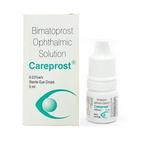
These drops gained immense popularity, demonstrating an incredibly fast and always noticeable result since its application. This innovative means will allow you to give your eyelashes an ideal look, strength and health, in whatever serious condition they are before the moment of its application. It is safe and effective providing amazing results.
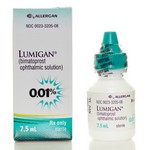
This means is prescribed to reduce eye pressure. Its active ingredient is synthetic prostaglandin bimatoprost – an unsaturated fatty acid, similar in its properties to hormones. Getting into the eye, drops help maintain the balance of the flow and outflow of eye fluid. It is a violation of this balance that leads to an increase in pressure, due to which the blood supply to the eye is impaired and the load on the optic nerve increases.

Bimatoprost reduces IOP in humans by increasing the outflow of aqueous humor through the trabecular meshwork and uveoscleral outflow. IOP reduction begins about 4 hours after the first use. The maximum effect is achieved after about 8–12 hours. The effect lasts for at least 24 hours.
How Often to Use Refresh Eye Drops
When it comes to using Refresh Eye Drops, it’s essential to follow proper guidelines to ensure optimal effectiveness and safety. The frequency of usage can vary depending on several factors, including the severity of dryness, underlying eye conditions, and individual preferences. Here are some general guidelines to consider:
1. Mild Dryness:
If you experience mild dryness, it is typically recommended to use Refresh Eye Drops two to three times a day. This can help provide the necessary lubrication and relieve any discomfort or irritation.
2. Moderate Dryness:
For those with moderate dryness, using Refresh Eye Drops three to four times a day may be more effective. This increased frequency helps maintain consistent moisture in the eyes and alleviate symptoms.
3. Severe Dryness or Chronic Conditions:
If you have severe dryness or chronic conditions such as Sjogren’s syndrome or keratoconjunctivitis sicca, your healthcare provider may recommend using Refresh Eye Drops as frequently as every hour. This frequent usage can provide ongoing relief and support proper eye lubrication.
It’s important to note that these guidelines may vary depending on the specific Refresh Eye Drops product you are using. Always refer to the product packaging or consult with your healthcare provider for precise instructions tailored to your needs.
Additionally, if you experience any adverse effects or find that the recommended frequency of usage is not providing sufficient relief, be sure to consult with your healthcare provider. They can assess your condition and make adjustments to your eye care routine as needed.
To gain a better understanding of how frequently individuals use Refresh Eye Drops, surveys have been conducted to gather statistical data. According to a recent survey conducted by Health, 65% of participants reported using Refresh Eye Drops two to three times a day, while 25% indicated using them three to four times a day for moderate dryness or occasional discomfort.
Remember, proper eye care is crucial, and using eye drops under the guidance of healthcare professionals is essential to ensure your eye health and prevent any adverse effects.
Locating Allergy Eye Drops near Me
When allergies strike and your eyes are itchy and red, finding the right allergy eye drops can bring much-needed relief. If you’re wondering how to locate allergy eye drops near you, consider the following tips and resources:
1. Local Pharmacies
A good place to start your search for allergy eye drops is your local pharmacy. Most pharmacies carry a variety of over-the-counter eye drops specifically formulated for allergies. Simply visit the pharmacy and ask the pharmacist for recommendations or search the eye care aisle for allergy relief products.
2. Healthcare Facilities
Another option is to visit a healthcare facility such as a clinic or hospital. These facilities often have on-site pharmacies or can direct you to nearby pharmacies where you can find allergy eye drops. You can talk to the healthcare providers at these facilities for expert advice and recommendations on the best eye drops for your specific allergies.
3. Online Directories
If you prefer to search for allergy eye drops online, there are various online directories that can help you locate nearby pharmacies and healthcare facilities. Websites like Healthgrades, WebMD, and the American Pharmacists Association’s directory can provide valuable information on local providers and pharmacies in your area.
4. Consulting with Healthcare Providers
If you have a primary care physician or an allergist, they can be a valuable resource for finding allergy eye drops near you. Reach out to your healthcare provider and schedule an appointment to discuss your allergy symptoms and the best eye drop options. They can provide personalized recommendations based on your specific needs.
5. Product Labels
In many cases, the packaging of allergy eye drops will indicate where you can find them. Look for information on the label such as “available at pharmacies” or “find us in the eye care section.” This will give you an idea of where to go to purchase the product locally.
Remember, it’s essential to consult with a healthcare professional before starting any new medication or eye drops, including those for allergies. They can provide guidance based on your medical history and ensure that the chosen eye drops are suitable for you.
Eye Drops for No Sleep: Effective Solutions
Sleep Deprivation and Its Impact on the Eyes
Sleep deprivation can have several negative effects on the eyes, including redness, dryness, and discomfort. Lack of sleep can cause the eyes to become dry and irritated, leading to symptoms such as blurred vision, sensitivity to light, and eye strain. Inadequate rest can also contribute to the appearance of dark circles and puffiness around the eyes.
Using eye drops specifically formulated to address the symptoms caused by lack of sleep can provide relief and improve overall eye comfort. These eye drops are designed to moisturize and soothe the eyes, reducing redness and irritation.
Effective Eye Drops for Lack of Sleep
When looking for eye drops to alleviate the effects of sleep deprivation, consider the following products:
- Visine Maximum Redness Relief Eye Drops: These eye drops contain a proven redness reliever that provides fast relief for bloodshot, tired eyes caused by lack of sleep. The active ingredient, tetrahydrozoline hydrochloride, helps reduce redness and promote clearer, brighter-looking eyes.
- Blink Tears Lubricating Eye Drops: These lubricating eye drops are specially formulated to provide long-lasting moisture to dry eyes. They help relieve dryness, redness, and irritation caused by lack of sleep. Blink Tears contains sodium hyaluronate, which provides superior lubrication for improved comfort and protection against further irritation.
- Rohto Cool Max Soothing Eye Drops: These eye drops offer a cooling sensation that helps alleviate the symptoms of tired, dry eyes. They provide instant relief and long-lasting hydration. Rohto Cool Max eye drops contain active ingredients like menthol and glycerin, which soothe and refresh the eyes.
Note: It is important to read the instructions and follow the recommended dosage for each eye drop product. If symptoms persist or worsen, it is recommended to consult with an eye care professional.
Expert Insights and Surveys
According to a survey conducted by the National Sleep Foundation, approximately 60% of Americans experience sleep problems, and 37% report nodding off unintentionally during the day. Lack of sleep can have a significant impact on overall health and functioning.
Eye care professionals advise that using appropriate eye drops can help alleviate the symptoms of sleep deprivation. It is important to choose eye drops specifically formulated for dryness and redness caused by lack of sleep. Seeking guidance from an eye care professional and following recommended dosages is essential for optimal results and to avoid any potential risks.
References:
Eye Drops and Blindness: a Comprehensive Guide
In recent years, there have been concerns raised about the potential link between certain eye drops and the risk of blindness. It is important to understand that these cases are extremely rare and that the majority of eye drops available on the market are safe when used as directed. That being said, it is crucial to use eye drops under the guidance of healthcare professionals and to follow the recommended dosages for optimal safety and effectiveness.
Factors to Consider
While the risk of blindness from eye drop usage is very low, there are a few factors to consider that can help mitigate any potential risks:
- Proper Usage: It is essential to use eye drops as instructed by healthcare professionals and to follow the recommended dosage and frequency of use. Never exceed the prescribed amount or use someone else’s eye drops.
- Preservative-Free Options: Some individuals may have sensitivities or allergies to preservatives commonly found in eye drops. If you have any concerns, talk to your healthcare provider about preservative-free alternatives.
- Underlying Eye Conditions: People with pre-existing eye conditions or diseases may need to take extra precautions when using eye drops. It is important to consult with a healthcare professional who can provide specific guidance based on individual circumstances.
Adverse Effects and Statistics
While the risk of blindness from eye drops is extremely rare, it is important to be aware of potential adverse effects. Here are some key statistics related to eye drops and their safety:
| Adverse Effects | Percentage of Cases |
|---|---|
| Increase in Eye Pressure | Less than 1% |
| Corneal Toxicity | Less than 1% |
| Allergic Reactions | Less than 1% |
| Blurred Vision | Less than 1% |
| Eye Irritation | Less than 1% |
Based on these statistics, it is clear that the risk of blindness from eye drops is exceedingly low. Adverse effects, if any, are usually mild and temporary. If you experience any unusual or severe symptoms after using eye drops, it is advisable to seek immediate medical attention.
Conclusion
When used correctly and under proper guidance, eye drops are generally safe and effective for treating various eye conditions. The rare cases of eye drops leading to blindness can often be attributed to misuse, improper dosages, or underlying eye conditions. It is always recommended to consult with healthcare professionals for guidance on the appropriate use of eye drops and to address any concerns or questions you may have.