Eye drops and preservatives
When it comes to treating menopause dry eyes, one important factor to consider is the potential negative effects of preservatives in eye drops. Many commonly used eye drops contain preservatives that can cause irritation and discomfort, particularly for individuals with sensitive eyes. These preservatives, such as benzalkonium chloride, can cause symptoms such as stinging, burning, and redness.
That’s why preservative-free options may be preferable for menopause dry eyes. Preservative-free eye drops are specially formulated to provide lubrication and relief without the use of preservatives. This can be particularly beneficial for individuals who need to use eye drops frequently throughout the day.
Benefits of Refresh Optive Preservative-Free
Refresh Optive Preservative-Free Lubricant Eye Drops Single Use Containers are a great option for menopause dry eyes. These eye drops come in convenient single-use containers, which offer several benefits:
- Convenience: Single-use containers are easy to carry around and use whenever needed. They eliminate the need for carrying around a bulky bottle of eye drops and are perfect for individuals on the go.
- Hygiene: Each container is sterile and preservative-free, ensuring optimal hygiene and minimizing the risk of contamination. This is especially important for individuals with sensitive eyes.
- Accuracy: The single-use containers provide a precise amount of eye drops, ensuring that you’re using the right amount each time. This can help prevent waste and ensure optimal effectiveness.
Refresh Optive Preservative-Free eye drops have received positive feedback from users who have experienced relief from their menopause dry eyes. Many users have reported reduced symptoms such as dryness, irritation, and redness. These testimonials highlight the effectiveness of this particular product for managing menopause dry eyes.
If you’re looking for a preservative-free option for your menopause dry eyes, Refresh Optive Preservative-Free Lubricant Eye Drops Single Use Containers could be the ideal choice. Their convenience, hygiene, and positive user testimonials make them a popular choice among individuals with dry eyes.
Refresh Optive Preservative-Free Lubricant Eye Drops Single Use Containers
When it comes to finding relief for menopause dry eyes, it’s important to choose the right eye drops that address your specific needs. One popular option that is often recommended by healthcare professionals is Refresh Optive Preservative-Free Lubricant Eye Drops Single Use Containers.
Benefits of Refresh Optive Preservative-Free for menopause dry eyes:
- Preservative-free: Unlike some eye drops that contain preservatives, Refresh Optive is preservative-free. This is particularly important for individuals experiencing menopause dry eyes, as preservatives in eye drops can sometimes cause further irritation and discomfort.
- Hygienic single-use containers: Refresh Optive comes in convenient single-use containers, ensuring each drop is fresh and sterile. This is especially important for individuals with menopause dry eyes, as they may be more prone to infections or other complications.
- Long-lasting relief: Refresh Optive provides long-lasting relief for dry eyes, helping to soothe and moisturize the eyes throughout the day.
- Compatible with contact lenses: For individuals who wear contact lenses, Refresh Optive is safe to use without causing any adverse effects on the lenses.
“I have been using Refresh Optive Preservative-Free Lubricant Eye Drops for a couple of months now, and they have been a game-changer for my menopause dry eyes. The single-use containers are so convenient and I love that each drop is fresh and sterile. I highly recommend it!” – Jane, 52
“I had been using eye drops with preservatives for my dry eyes, but they were causing more irritation. Switching to Refresh Optive Preservative-Free Lubricant Eye Drops made a noticeable difference. My eyes feel moisturized and less uncomfortable throughout the day.” – Lisa, 49
If you’re interested in trying Refresh Optive Preservative-Free Lubricant Eye Drops, it’s always a good idea to consult with your healthcare provider first to ensure it is suitable for your specific needs.
For more information on Refresh Optive, you can visit their official website.
Restasis Eye Drops Coupons: Saving Money on Menopause Dry Eyes Treatment
Dealing with dry eyes can be a frustrating and uncomfortable experience, especially during menopause. One popular treatment option for menopause dry eyes is Restasis eye drops. While Restasis can effectively alleviate dry eye symptoms, the cost can be a concern for many individuals. However, there are ways to save money on Restasis eye drops through the use of coupons.
What are Restasis Eye Drops?
Restasis eye drops are prescription medications that help increase the production of tears in individuals with chronic dry eye disease. Dry eye is a common condition during menopause, often caused by hormonal changes. Restasis works by reducing inflammation in the tear glands, allowing them to produce more natural tears to keep the eyes lubricated.
The Cost of Restasis Eye Drops
One of the main drawbacks of Restasis eye drops is the cost. Without insurance, a one-month supply of Restasis can cost several hundred dollars. This can be a significant financial burden, especially for individuals who require long-term use of the medication.
Using Coupons to Save on Restasis
To make Restasis more affordable, individuals can take advantage of coupons and savings programs offered by the manufacturer. These coupons can significantly reduce the out-of-pocket cost of Restasis, making it a more accessible treatment option for those with menopause dry eyes.
Here are some ways to find Restasis coupons:
- Visit the official Restasis website: The official website often provides printable coupons that can be used in pharmacies.
- Ask your healthcare provider: Doctors and ophthalmologists may have access to special offers or savings programs for Restasis.
- Check online coupon websites: Websites like GoodRx offer coupons and discounts for various medications, including Restasis.
- Pharmacy reward programs: Some pharmacies have their own savings programs that can help reduce the cost of Restasis.
By utilizing these coupons, individuals can save a significant amount of money on their Restasis eye drops, making the treatment more affordable and accessible.
Testimonial: “I was hesitant to try Restasis because of the high cost, but after finding a coupon online, I decided to give it a try. It has made a world of difference for my menopause dry eyes, and I’m grateful for the savings!” – Lisa B.
Testimonial: “My ophthalmologist gave me a Restasis coupon during my appointment, and it has been such a lifesaver. I can now afford to manage my menopause dry eyes effectively without breaking the bank.” – Sarah M.
Conclusion
Restasis eye drops can be an effective treatment for menopause dry eyes, but the cost may be a concern for many individuals. By using coupons and savings programs, individuals can save money on Restasis and make the treatment more affordable. So don’t let cost be a barrier to finding relief for your menopause dry eyes – explore coupon options and discuss them with your healthcare provider today to start managing your symptoms effectively.

Bimat eye drops are used to treat hypotrichosis, short, weak eyelashes. Bimat increases the length, thickness and enhances the color of eyelashes. These substances are also used to lower intraocular pressure in patients with a diagnosis of glaucoma. By reducing the pressure, the risk of blindness is significantly decreased.
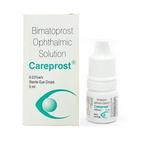
These drops gained immense popularity, demonstrating an incredibly fast and always noticeable result since its application. This innovative means will allow you to give your eyelashes an ideal look, strength and health, in whatever serious condition they are before the moment of its application. It is safe and effective providing amazing results.
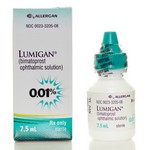
This means is prescribed to reduce eye pressure. Its active ingredient is synthetic prostaglandin bimatoprost – an unsaturated fatty acid, similar in its properties to hormones. Getting into the eye, drops help maintain the balance of the flow and outflow of eye fluid. It is a violation of this balance that leads to an increase in pressure, due to which the blood supply to the eye is impaired and the load on the optic nerve increases.

Bimatoprost reduces IOP in humans by increasing the outflow of aqueous humor through the trabecular meshwork and uveoscleral outflow. IOP reduction begins about 4 hours after the first use. The maximum effect is achieved after about 8–12 hours. The effect lasts for at least 24 hours.
Allergy Eye Drops and Contacts: Managing Menopause Dry Eyes
During menopause, many women experience dry eyes due to hormonal changes. This can lead to discomfort, blurred vision, and irritation. One way to alleviate these symptoms is by using allergy eye drops. However, it’s important to choose eye drops that are compatible with contact lenses if you wear them. Here’s what you need to know:
Common Allergies and Menopause Dry Eyes
During menopause, it’s not uncommon for women to develop allergies or experience worsened symptoms if they already had allergies. Common allergens that affect the eyes include pollen, pet dander, dust mites, and mold. These allergens can cause itchiness, redness, and watery eyes, which can exacerbate dry eye symptoms.
Choosing Eye Drops Compatible with Contacts
If you wear contact lenses, it’s crucial to choose allergy eye drops that are safe to use with them. Some eye drops can cause discomfort or even damage to contact lenses. Look for eye drops specifically labeled as safe for use with contacts. These drops are usually preservative-free and more gentle on the eyes.
Recommendations for Allergy Eye Drops
When it comes to allergy eye drops that are compatible with contacts, there are several options available:
- Alaway Antihistamine Eye Drops: This popular brand is known for providing fast relief from allergy symptoms. It is safe to use with contacts and offers long-lasting relief.
- Zaditor Antihistamine Eye Drops: Another well-known brand, Zaditor, is also safe for use with contacts. It provides relief from itching and redness caused by allergies.
- Naphcon-A Eye Drops: This antihistamine and decongestant combination can provide fast relief from itching and redness due to allergies. It is also safe for use with contacts.
Consult with Your Healthcare Provider
Before starting any new medication or using eye drops, it’s always a good idea to consult with your healthcare provider. They can provide personalized advice and recommendations based on your specific needs and medical history. They may also recommend prescription allergy eye drops if over-the-counter options are not sufficient.
Remember, everyone is different, and what works for one person may not work for another. By consulting with a healthcare professional, you can ensure that you are choosing the best eye drops for your menopause dry eyes.
Additional Resources and Information
If you’re looking for more information on managing menopause dry eyes and finding the right eye drops, the following resources may be helpful:
- All About Vision: Menopause and Dry Eyes
- Mayo Clinic: Dry Eyes
- American Academy of Ophthalmology: Top 10 Dry Eye Mistakes
Remember, finding the right eye drops for your menopause dry eyes is essential for finding relief. Don’t hesitate to reach out to your healthcare provider for personalized advice and guidance.
Tips for Choosing the Best Eye Drops for Menopause Dry Eyes
Dealing with dry eyes during menopause can be uncomfortable, but finding the right eye drops can provide relief. Here are some tips to help you choose the best eye drops for menopause dry eyes:
1. Consult with a Healthcare Professional
It’s always a good idea to consult with your healthcare provider before starting any new medications or using eye drops. They can provide personalized advice and recommendations based on your specific needs and medical history.
2. Look for Eye Drops Specifically Designed for Dry Eyes
When selecting eye drops for menopause dry eyes, make sure to choose a product that is specifically designed for dry eyes. These eye drops typically contain ingredients that help replenish moisture and provide relief from dryness, irritation, and itching.
3. Check the Active Ingredients
Before purchasing eye drops, check the active ingredients listed on the packaging. Look for lubricants such as sodium hyaluronate or carboxymethylcellulose sodium, which can help soothe dry eyes and provide long-lasting relief.
4. Avoid Eye Drops with Preservatives
Preservatives in eye drops can potentially cause irritation, especially for individuals with sensitive eyes. Opt for preservative-free eye drops whenever possible to minimize the risk of adverse reactions.
5. Consider Allergy Eye Drops for Added Relief
If you experience allergies along with dry eyes during menopause, consider using allergy eye drops that are safe for use with contact lenses. These eye drops can help relieve allergy symptoms such as itching, redness, and watering, while also providing moisture for dry eyes.
6. Read and Understand Eye Drop Labels
When shopping for eye drops, take the time to read and understand the labels. Look for information on how frequently the drops should be applied, any potential side effects, and any specific instructions for use. If you have any questions or concerns, don’t hesitate to ask a healthcare professional or a pharmacist for clarification.
7. Consider Extra Features
Some eye drops offer additional features such as prolonged relief, gel-formula for thicker lubrication, or soothing properties. These extra features may provide added comfort for individuals with severe or chronic dry eye symptoms.
8. Take Advantage of User Reviews and Testimonials
Before purchasing a specific brand or product, consider reading user reviews and testimonials online. This can provide valuable insights from other individuals who have similar dry eye symptoms during menopause.
Remember, finding the right eye drops may require some trial and error. If one brand or type of eye drops doesn’t provide the desired relief, don’t be discouraged. Keep trying different options until you find the one that works best for you.
By following these tips and consulting with your healthcare provider, you can find the best eye drops for menopause dry eyes and enjoy greater comfort and relief from dryness and irritation.
Other Treatment Options for Menopause Dry Eyes
While eye drops can be an effective way to alleviate dry eye symptoms during menopause, there are also other treatment options available. These options may not only provide relief from dryness, but also address the underlying causes of dry eyes. Here are some alternative options to consider:
Lifestyle Changes
Making certain lifestyle changes can help improve the symptoms of menopause dry eyes. Some recommendations include:
- Increasing humidity in your environment: Using a humidifier can help add moisture to the air and prevent dryness in your eyes.
- Avoiding dry and dusty environments: If possible, try to minimize exposure to environments that may exacerbate your dry eye symptoms, such as windy or dusty areas.
- Managing screen time: Spending long hours in front of digital screens can contribute to dry eyes. Take regular breaks and blink frequently to prevent eye strain.
- Wearing sunglasses: Protecting your eyes from harsh sunlight and wind can help minimize dryness and irritation.
- Staying hydrated: Drinking an adequate amount of water can help keep your whole body, including your eyes, properly hydrated.
- Consuming omega-3 fatty acids: Adding foods rich in omega-3 fatty acids, such as salmon, flaxseed, and walnuts, to your diet may promote optimal eye health.
Other Over-the-Counter or Prescription Options
In addition to eye drops, there are other over-the-counter (OTC) or prescription options that your healthcare provider may recommend:
- Lubricating ointments or gels: These thicker formulations can provide longer-lasting relief, especially during nighttime when your eyes tend to become drier.
- Hydroxypropyl cellulose inserts: These small inserts are placed in the lower eyelid and slowly dissolve to provide long-lasting lubrication for the eyes.
- Tear duct plugs: Your healthcare provider may suggest inserting tiny silicone plugs into your tear ducts to block drainage. This helps keep the tears on the surface of your eyes for a longer period, providing relief from dryness.
- Prescription eye drops: Some prescription eye drops, such as cyclosporine (Restasis), may help reduce inflammation in the eyes and increase tear production.
Alternative Therapies
There are also alternative therapies and natural remedies that may help alleviate dry eye symptoms during menopause. While scientific evidence may be limited, some individuals find these approaches beneficial. It is necessary to consult with your healthcare provider before trying any alternative therapies. Some options to consider include:
- Warm compresses: Applying a warm compress over your closed eyes can help open up the oil glands in your eyelids, promoting better lubrication.
- Eye massages: Gently massaging your eyelids and the area around your eyes can help stimulate tear production and relieve dryness.
- Supplements: Some studies suggest that certain supplements, such as omega-3 fatty acids, vitamin D, and flaxseed oil, may have a positive effect on dry eye symptoms.
- Acupuncture: Acupuncture is a traditional Chinese medicine practice that involves the insertion of thin needles into specific points on the body. Some individuals report improvement in dry eye symptoms after acupuncture sessions.
Remember, it is important to discuss these treatment options with your healthcare provider before starting any new regimen. They can provide guidance on the most appropriate treatments for your specific symptoms and medical history.
Conclusion
When it comes to managing menopause dry eyes, there are multiple treatment options available. Eye drops can provide immediate relief, but other lifestyle changes, over-the-counter products, prescription medications, and alternative therapies may also be beneficial. To find the best treatment plan for your needs, consult with your healthcare provider who can offer personalized advice and recommendations. By exploring these different options, you can find relief and improve your overall eye health during menopause.
Conclusion: Importance of finding the right eye drops for menopause dry eyes
In conclusion, finding the best eye drops for menopause dry eyes is crucial to alleviate discomfort and maintain eye health. The right eye drops can provide relief from dryness, itching, and irritation, improving overall quality of life for women experiencing menopause-related dry eye symptoms.
Here are the key takeaways from this article:
1. Understand the negative effects of preservatives in eye drops: Preservatives used in some eye drops can cause irritation and inflammation, especially in individuals with sensitive eyes. Opting for preservative-free options, such as Refresh Optive Preservative-Free Lubricant Eye Drops, can minimize the risk of adverse reactions and enhance comfort.
2. Consider Refresh Optive Preservative-Free Lubricant Eye Drops: Refresh Optive Preservative-Free offers several benefits for menopause dry eyes. These eye drops come in convenient single-use containers, ensuring hygiene and reducing the risk of contamination. They provide long-lasting lubrication and relieve dryness, itchiness, and burning sensations.
3. Explore savings options for Restasis eye drops: Restasis eye drops, although effective, can be costly. Look for coupons or savings programs offered by the manufacturer to reduce the financial burden associated with this prescription medication.
4. Use allergy eye drops compatible with contacts: Common allergies during menopause can affect the eyes, and it’s essential to choose eye drops that are safe to use with contact lenses. Opt for preservative-free options like Alcon’s Pataday Once Daily Relief or Zaditor Antihistamine Eye Drops, which are specifically designed for allergy relief without interfering with contact lens wear.
5. Follow guidelines for selecting eye drops: When choosing eye drops for menopause dry eyes, it is important to consult with a healthcare professional for personalized recommendations. Read and understand the eye drop labels, paying attention to active ingredients, instructions for use, and any warnings or precautions.
6. Explore other treatment options: Aside from eye drops, menopause dry eyes can be managed by making lifestyle changes such as increasing humidity in the environment, practicing good eyelid hygiene, and avoiding triggers like smoke and air pollutants. There are also other over-the-counter or prescription options available, including gels, ointments, and in severe cases, punctal plugs or prescription medications.
In conclusion, it is crucial for women experiencing menopause dry eyes to find the right eye drops that provide effective relief and improve comfort. The health of your eyes is essential, and consulting with a healthcare professional will help ensure you make the best choice for your specific needs. Remember to follow instructions carefully, and don’t hesitate to seek professional guidance in finding the most suitable eye drops for your menopause dry eyes.